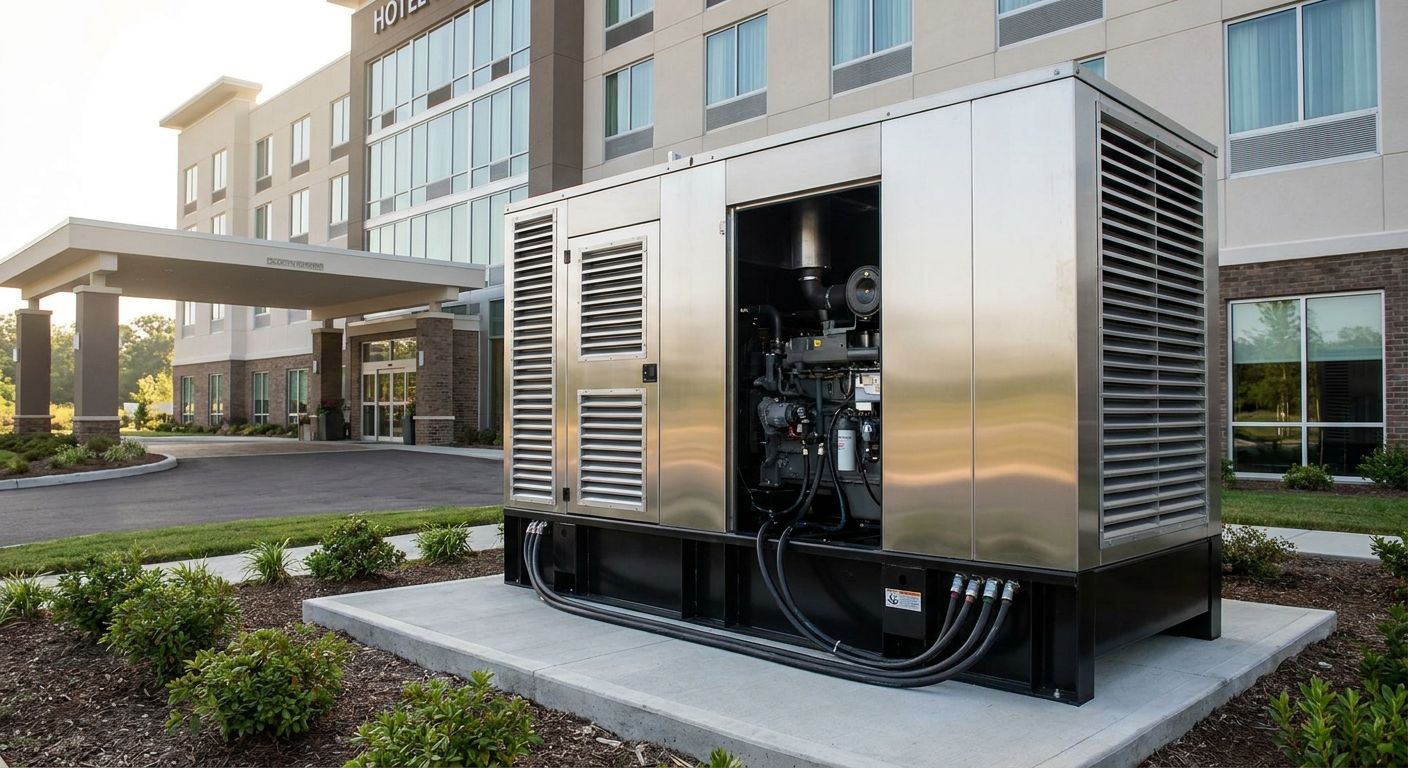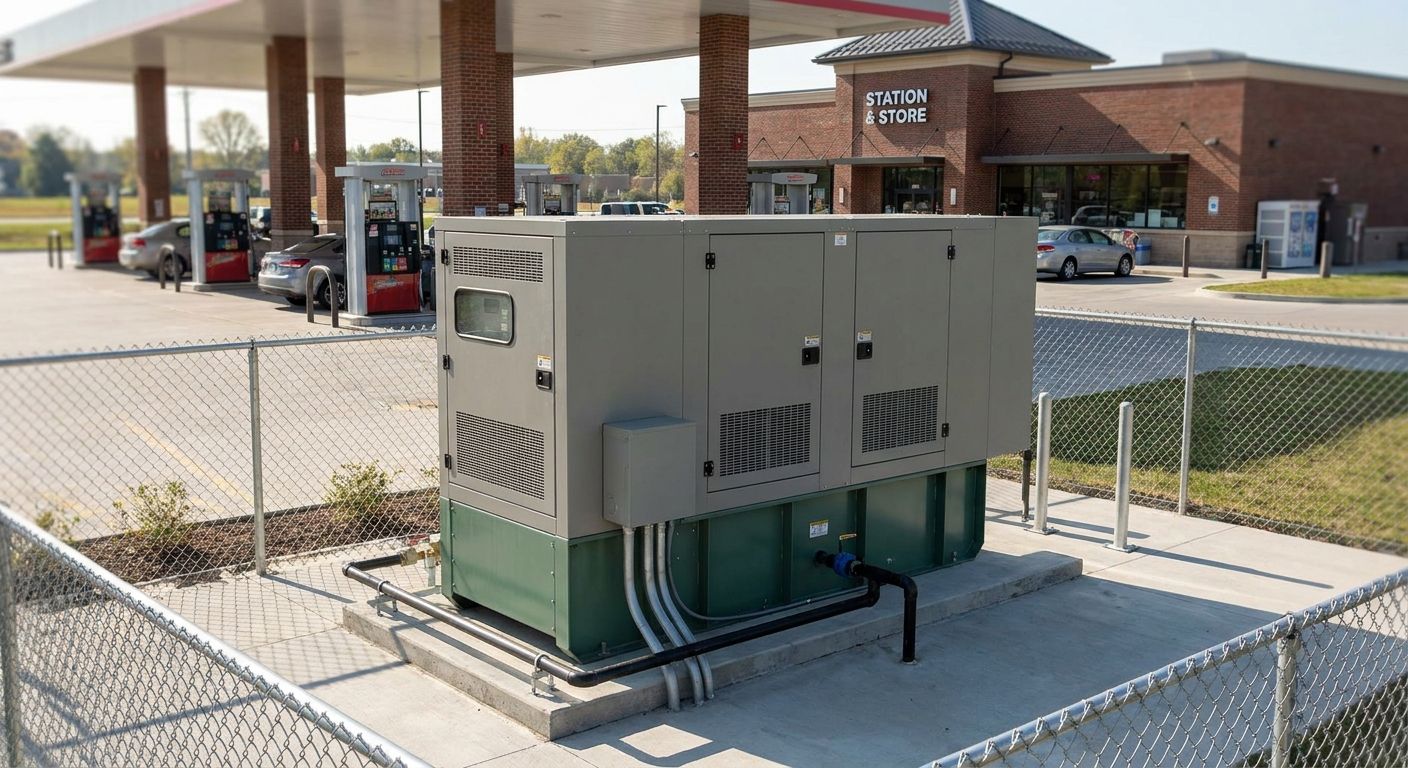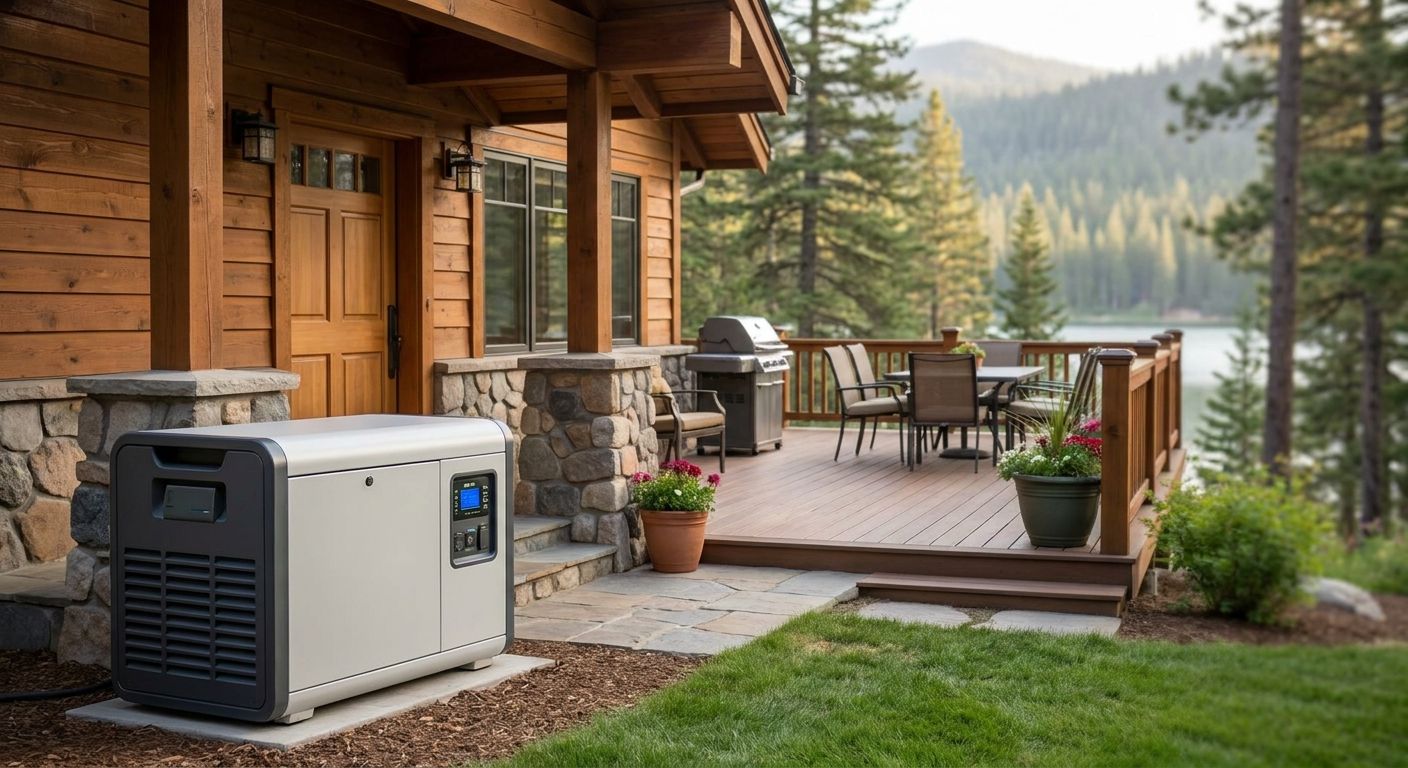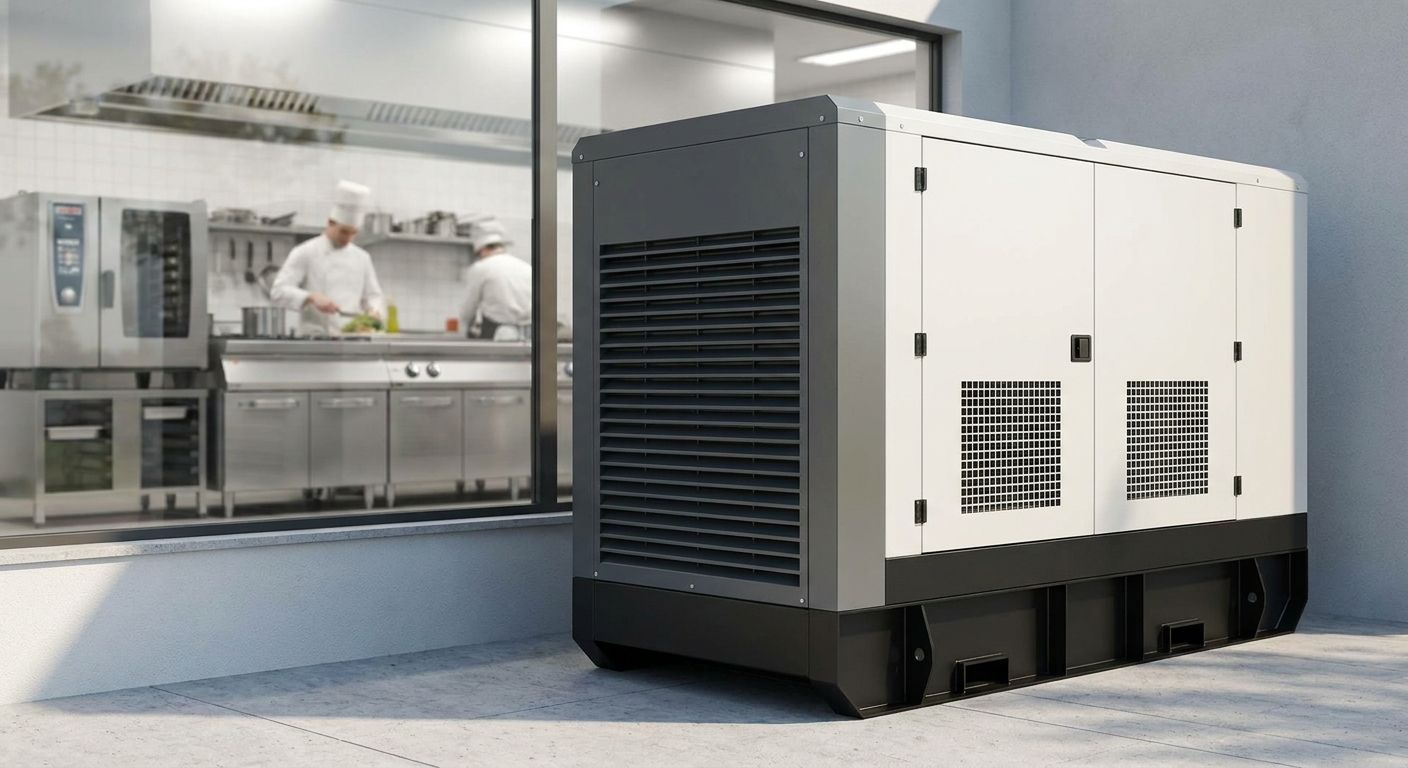
Restaurants and commercial kitchens lose more in spoiled inventory and turned-away tables during a single outage than most owners spend on a properly sized standby generator. The best generators for restaurants in coastal Alabama come down to four brands: Kohler, Generac, Honeywell, and Briggs & Stratton, each built for a different kitchen size and service style.
- Kohler wins for full-service kitchens running walk-ins, fryers, and HVAC on one automatic transfer switch.
- Generac is the pick for quick-service and counter concepts that need reliable mid-range kW without oversizing.
- Honeywell is the budget option for cafes and small breakfast spots with a lighter cooking load.
- Briggs & Stratton suits bars, breweries, and event-driven venues with shorter, seasonal run times.
- All four require a licensed electrical contractor to size the unit against your actual kitchen amperage draw.
Why this matters
A restaurant that loses power for even four hours can write off an entire walk-in cooler of inventory, and health departments in Baldwin County require documented temperature control before food can go back on the menu. Atlantic hurricane season runs June 1 through November 30 every year, and coastal Alabama kitchens from Daphne to Gulf Shores sit directly in that path. Standby generator installation for restaurants and commercial kitchens is not a luxury upgrade for these operations - it is the difference between staying open during a grid outage and closing the doors for a week while insurance claims process.
The generator you choose has to match your actual kitchen load: walk-in compressors, exhaust hoods, POS systems, and cooking equipment all pull differently, and undersizing a unit trips breakers exactly when you need power most.
What makes the best generator for a restaurant kitchen
- Continuous kW output matched to real kitchen load - not just square footage, but compressor start-up draw and simultaneous equipment use
- Fuel source reliability - propane and natural gas both hold up better than diesel for kitchens needing quick, quiet restarts
- Automatic transfer switch compatibility - the switch has to handle commercial panel amperage, not residential
- Salt-air corrosion resistance - coastal Alabama humidity and salt exposure shorten the life of unprotected enclosures
- Service network response time - a broken generator during a Saturday dinner rush needs a technician who answers, not a call center
- Warranty coverage on commercial-duty cycles - residential warranties often exclude business use entirely
Best generators for restaurants at a glance
| Brand | Best for | Standout feature | Key limitation |
|---|---|---|---|
| Kohler | Full-service kitchens with walk-ins and multiple cook lines | High continuous kW output built for commercial duty cycles | Larger footprint needs more pad and clearance space |
| Generac | Quick-service and counter-service concepts | Wide range of mid-size commercial models | Some models need a dealer network check for parts turnaround |
| Honeywell | Cafes and smaller breakfast or lunch spots | Lower kW options sized for lighter cooking loads | Less headroom if the kitchen expands equipment later |
| Briggs & Stratton | Bars, breweries, and event-driven venues | Solid performance for shorter, intermittent run cycles | Not built for 24/7 continuous commercial duty |
1. Kohler: best generator for full-service restaurants and commercial kitchens
Kohler commercial standby generators are built for kitchens running fryers, flat-tops, walk-in compressors, and dining room HVAC all at once. These units handle sustained commercial duty cycles rather than the intermittent use residential models are rated for, which matters when a Friday night dinner rush hits during a grid failure.
Kohler pros:
- Handles high simultaneous load from multiple pieces of cooking equipment
- Built for continuous commercial duty, not just backup cycling
- Strong track record in humid, salt-exposed coastal environments when properly enclosed
Kohler cons:
- Larger units need more pad space and clearance from structures
- Higher continuous kW output means a bigger fuel supply line to plan for
Kohler pricing: varies by kW size and site conditions - a licensed installer needs to size the unit against your panel before quoting.
Best for: full-service restaurants with walk-in coolers, multiple cook stations, and dining rooms that need HVAC running through an outage.
Verdict: Buy if your kitchen runs more than one major appliance category at once.
2. Generac: best generator for quick-service restaurants and food counters
Generac's commercial line covers a broad range of mid-size kW options built specifically for smaller footprint operations - counter service, food trucks with fixed kitchens, and single-line QSR concepts. The lineup gives installers more sizing flexibility than jumping straight to a full commercial-duty unit.
Generac pros:
- Wide range of kW sizes for mid-tier commercial loads
- Common enough that replacement parts move faster through regional dealer networks
- Works well paired with propane, which is the dominant fuel source across rural Baldwin County
Generac cons:
- Some commercial models require confirming parts availability with a local dealer before installation
- Lower-end commercial units can be underpowered if the kitchen adds equipment later
Generac pricing: depends on model and installation scope - request a site-specific quote rather than going off a sticker number.
Best for: quick-service restaurants, food counters, and single-line kitchens that need dependable mid-size backup without oversizing.
Verdict: Buy for QSR operations with a predictable, moderate equipment load.
3. Honeywell: best budget generator for cafes and small kitchens
Honeywell's commercial standby generators size down well for cafes, coffee shops, and breakfast-and-lunch spots that run lighter cooking equipment - espresso machines, ovens, and small refrigeration rather than full commercial cook lines. It is the option that keeps upfront cost lower without dropping down to a residential-grade unit that is not rated for business use.
Honeywell pros:
- Lower kW models fit smaller kitchens without wasted capacity
- Good fit for cafes with limited outdoor space for a pad
- Simpler transfer switch requirements at this load range
Honeywell cons:
- Less headroom if the business adds equipment or expands seating
- Not the right pick for kitchens with walk-in coolers running alongside a full cook line
Honeywell pricing: lower entry point than full commercial-duty units, but confirm sizing against your actual equipment list first.
Best for: cafes, coffee shops, and small breakfast-and-lunch operations with a lighter, more predictable load.
Verdict: Buy if your kitchen equipment list is short and unlikely to grow.
4. Briggs & Stratton: best generator for bars, breweries, and event venues
Briggs & Stratton generators fit businesses with shorter, more intermittent run times - bars, taprooms, and event-driven food service where the generator needs to cover peak hours rather than run continuously for days. Generator installation for wineries and craft breweries covers the sizing math for this category in more detail.
Briggs & Stratton pros:
- Solid performance for shorter, scheduled run cycles
- Fits venues with lighter refrigeration and cooking loads than a full kitchen
- Reasonable option for seasonal or event-based operations
Briggs & Stratton cons:
- Not rated for 24/7 continuous commercial duty like Kohler
- Less suited to kitchens with heavy simultaneous equipment draw
Briggs & Stratton pricing: typically lower than full commercial-duty models - confirm run-time expectations with your installer before buying.
Best for: bars, breweries, and venues where the generator needs to cover peak hours, not round-the-clock kitchen operation.
Verdict: Hold unless your operation is genuinely intermittent rather than a full-service kitchen.
How this list was ranked
Each brand was ranked against the six criteria above: continuous kW capacity, fuel reliability, transfer switch compatibility, corrosion resistance for coastal Alabama humidity, service network response, and commercial-duty warranty terms. The order reflects which kitchen type each brand is actually built to serve, not a single "best overall" winner - a taproom and a full-service dinner house need different equipment entirely.
Get your kitchen sized correctly
A licensed electrician can size the right generator before hurricane season 2026.
Which generator should your restaurant choose?
If your kitchen runs a full cook line with walk-in coolers and dining room HVAC, Kohler is the right call for continuous commercial-duty output. Quick-service concepts with a moderate, predictable load do better with Generac's mid-size commercial range. Cafes and small kitchens should look at Honeywell before paying for capacity they will never use, and bars or event venues with intermittent hours fit Briggs & Stratton best. The exact model still comes down to your panel amperage and equipment list, which is why best commercial generators for small businesses in Baldwin County walks through the sizing conversation before you commit to a brand.
Cold storage is usually the single biggest risk in any commercial kitchen outage. If your walk-in cooler is the equipment you cannot afford to lose, review how to keep a walk-in cooler running during a power outage alongside your generator sizing decision.
FAQ
What's the best generator for a restaurant kitchen in 2026?
Kohler is the best choice for full-service restaurants running multiple pieces of cooking equipment and walk-in coolers at once, because it holds continuous commercial duty cycles that residential-grade units are not rated for. Smaller cafes and quick-service spots do better with Generac or Honeywell sized to their lighter load.
How many kW does a restaurant generator need?
Restaurant kW needs depend entirely on equipment count and simultaneous draw, not just square footage. A licensed electrician needs to calculate your actual panel amperage, walk-in compressor start-up load, and HVAC draw before recommending a size.
Is a natural gas or propane generator better for a commercial kitchen?
Propane and natural gas both outperform diesel for restaurant kitchens because they restart quietly and reliably without the fuel storage and filtration issues diesel units carry. Propane is the more common choice across rural Baldwin County where natural gas lines are not always available.
How long can a standby generator run a restaurant during an outage?
A properly sized standby generator with an adequate propane or natural gas supply can run a commercial kitchen indefinitely, unlike a portable generator limited by fuel tank size. The limiting factor becomes fuel delivery logistics during extended outages, which matters most during hurricane season.
Does a restaurant generator need a permit in Baldwin County?
Yes, commercial standby generator installation requires electrical permitting through the local jurisdiction, and a licensed contractor handles that process as part of the installation. Skipping permitting can create problems with insurance claims after a storm.
What happens to walk-in coolers during a power outage without a generator?
Walk-in coolers without backup power start losing safe holding temperature within a few hours, putting food safety compliance and inventory at risk. Health departments require documented temperature logs before food can return to service after an outage.
Is Kohler or Generac better for a commercial kitchen?
Kohler is built for higher continuous commercial duty cycles, making it the stronger fit for full-service kitchens running multiple appliance categories simultaneously. Generac covers a wider range of mid-size options better suited to quick-service or counter concepts with lighter loads.
How often does a commercial standby generator need maintenance?
Commercial standby generators need scheduled maintenance checks and monthly test runs to stay reliable, especially in coastal Alabama where salt air accelerates corrosion on unprotected components. A maintenance plan through a licensed installer catches problems before hurricane season arrives.
One last thing
Restaurants that skip corrosion protection lose years off a generator's service life along the Alabama Gulf Coast - salt air works on unprotected enclosures faster than most owners expect, which is why coastal installations need specific protective measures built in from day one, not added later.