Orange Beach sits on the front line of hurricane season, and a whole house generator installation is the difference between riding out a storm in the dark and keeping your AC, fridge, and well pump running through it. This guide breaks down what actually matters when you're sizing and installing a standby generator for an Orange Beach home, plus which system class fits which property.
TL;DR: For most Orange Beach homes, a 22kW-26kW standby generator handles central AC, well pumps, and full kitchen loads through extended outages - Buy if your home runs on 200-amp service and central air. Smaller 16kW units work for condos and smaller homes but skip whole-house AC coverage - Consider only if you're willing to shed some circuits. Portable generators are a Skip for anyone doing a real whole house generator installation in Orange Beach, AL, since they can't run automatically or handle 240-volt well pumps. Licensed installation with a transfer switch is non-negotiable here - DIY setups violate code and void manufacturer warranties.
Why this matters
Orange Beach loses power differently than inland Alabama. Storm surge, downed lines along Canal Road, and substation damage after a hurricane can knock out a neighborhood for days, sometimes longer than a week after a major system. A portable generator you have to fuel every 8 hours at 2 a.m. during a Category 2 doesn't hold up. A permanently installed standby unit tied to a transfer switch kicks on within 10-30 seconds of an outage, whether you're home or evacuated inland.
Hurricane season runs June 1 through November 30, and that's also when licensed electricians book out fastest. Waiting until a storm is in the Gulf means you're on a list behind everyone else who waited too.
Who this is for
This guide is for Orange Beach homeowners - full-time residents and second-home owners alike - who are done rolling the dice on hurricane season and want a system installed before the next named storm, not during it. If you own a condo unit rather than a standalone house, some of the sizing guidance still applies, but shared electrical infrastructure changes the installation approach; that's a conversation for Baldwin County Generators directly, not something to guess at from a blog post.
If your home runs central air, a well or septic pump, and a full kitchen, you're the core audience here. If you're in a condo with window units and no well system, your load calculation looks different and you likely need less generator than you think.
What to look for in a whole house generator for Orange Beach
Automatic transfer switch compatibility
The transfer switch is what separates a real standby system from a glorified portable generator. It senses an outage and switches your home's electrical panel to generator power automatically, no manual work required. In Orange Beach, where owners are often out of town when storms hit, this isn't optional - it's the entire point.
Correct kW sizing for your actual load
Undersizing is the single most common mistake in whole house generator installation. A 16kW unit might handle lights and a fridge but stall out trying to start a 4-ton AC compressor and a well pump at the same time. Load calculations should account for starting wattage, not just running wattage, especially for anything with a motor.
Fuel source and storm-season reliability
Natural gas units never run out of fuel as long as the gas line stays intact, which matters when propane delivery trucks can't get down flooded roads for days after a storm. Propane works fine too, but tank sizing needs to account for 5-7+ days of continuous run time, not the weekend-camping math most people default to.
Coastal-rated enclosures and corrosion resistance
Salt air off the Gulf eats through standard steel enclosures faster than inland installations ever see. Aluminum housing and corrosion-resistant hardware aren't upgrades here, they're baseline requirements for anything installed within a few miles of the water.
Licensed installation and permitting
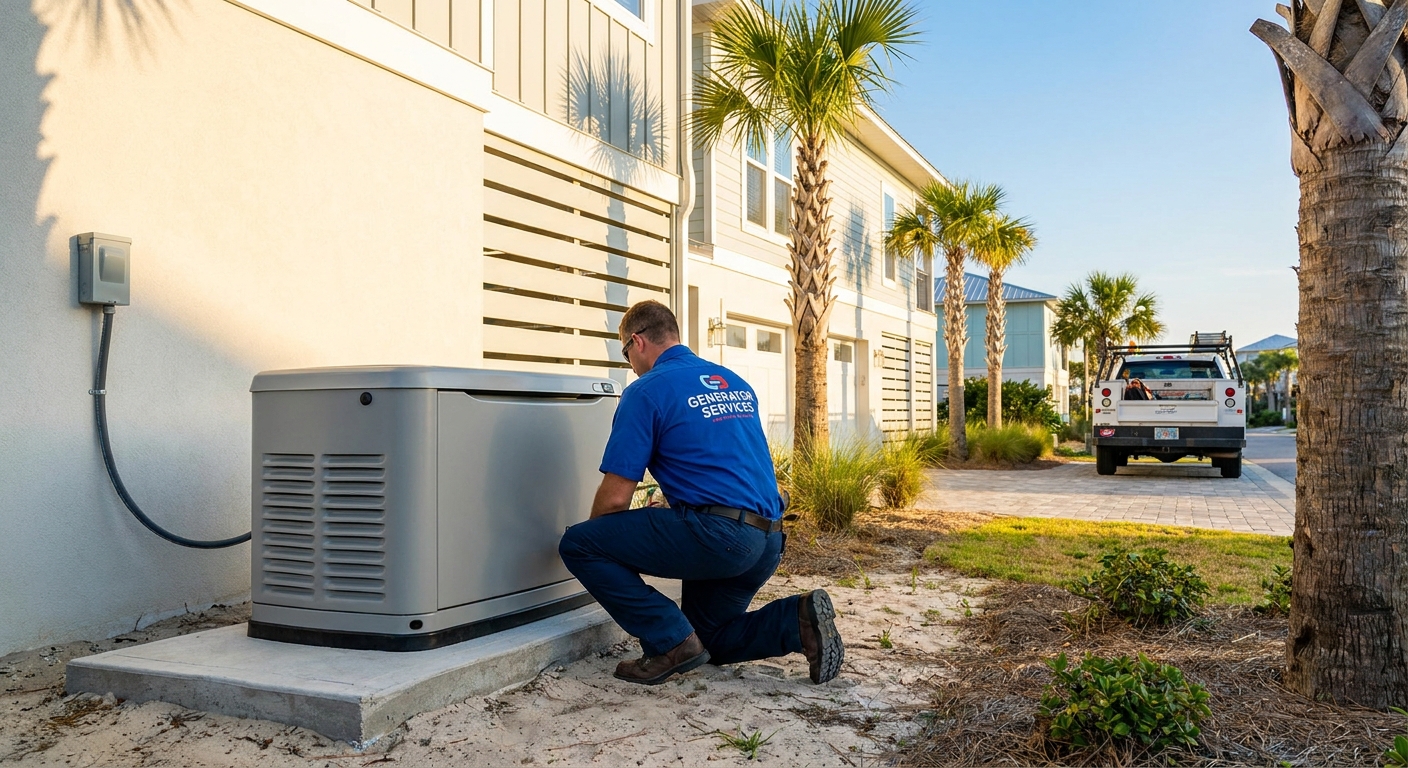
Baldwin County and the City of Orange Beach both require permits and inspections for standby generator installations tied into home electrical systems. A licensed, insured electrical contractor pulls the permit, schedules the inspection, and makes sure the gas or propane connection meets code - an unlicensed install can void your homeowner's insurance claim if something goes wrong during a storm.
Maintenance plan availability
A generator that sits unused for 11 months and fails to start during hour one of a hurricane is worse than no generator, because it gives false confidence. Weekly self-test cycles help, but an annual service check on the battery, oil, and air filter catches problems before June 1.
Top picks by home size
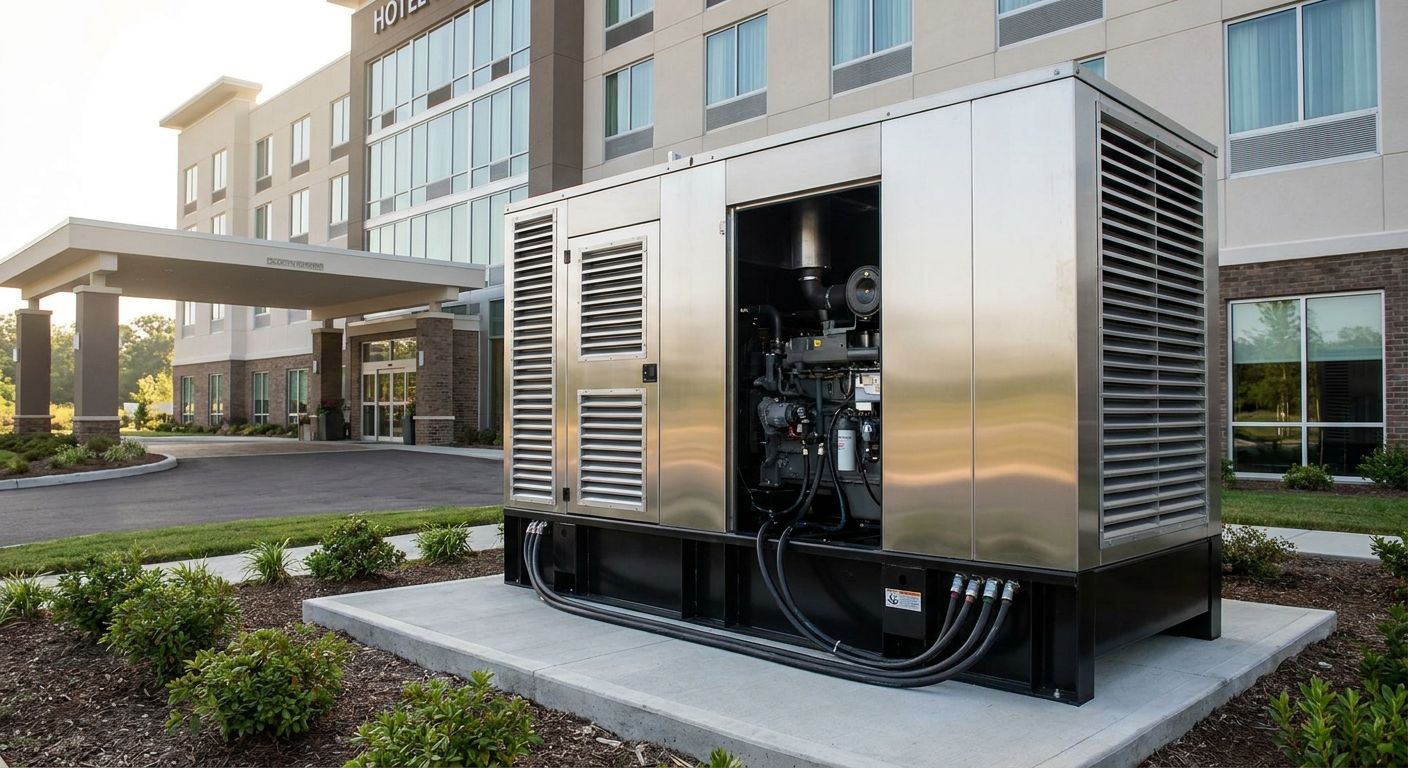
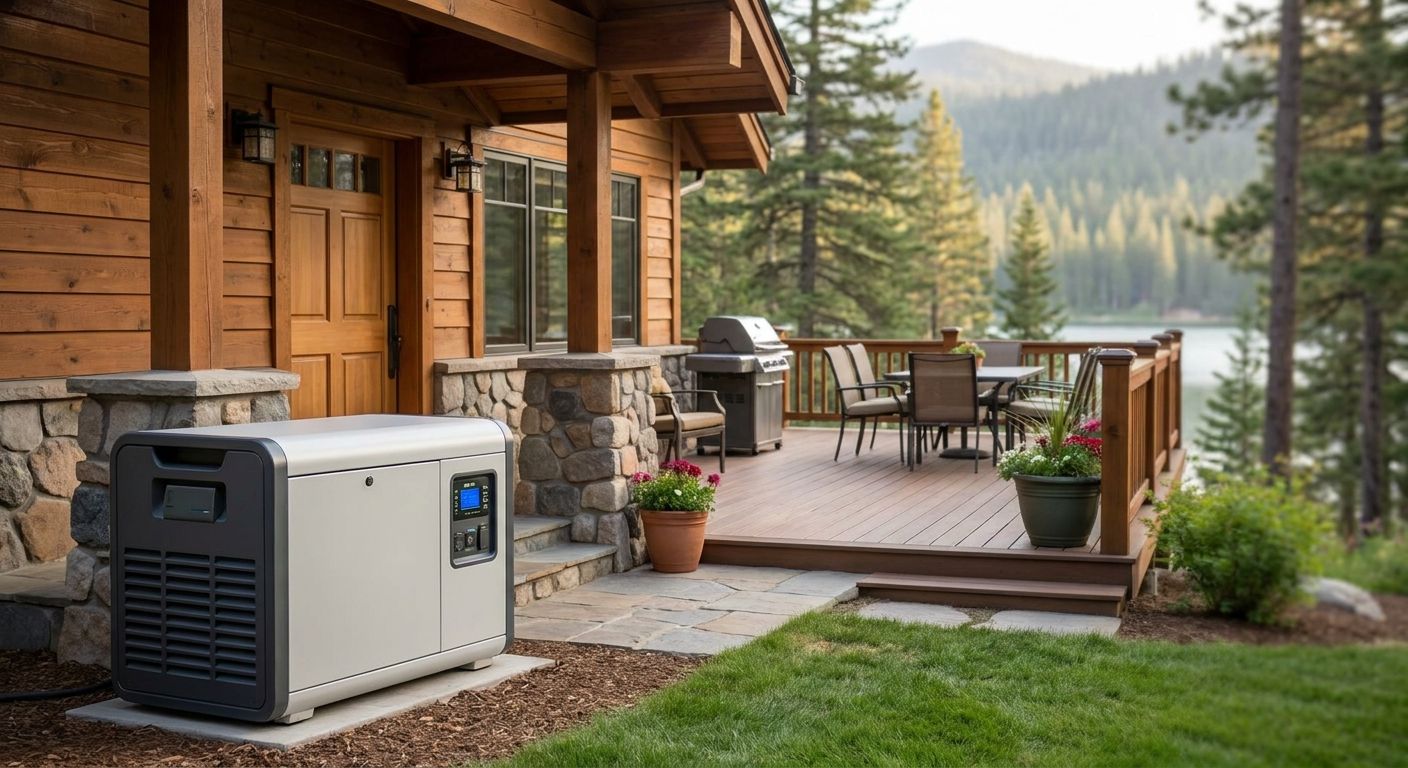
The safe pick - 22kW standard home system. Covers central AC up to about 3.5 tons, well pump, refrigerator, and kitchen circuits simultaneously. Runs on natural gas or propane and fits the majority of single-family homes in Orange Beach built in the last 20 years. Buy for any 2,000-3,500 sq ft home with 200-amp service.
The upgrade - 26kW-30kW whole-property system. Adds headroom for a second AC zone, a pool pump, and an EV charger without load-shedding software cutting circuits during peak draw. Worth it for larger homes or anyone who's added square footage since the panel was last rated. Consider if your home is over 3,500 sq ft or you've added a second HVAC unit.
The condo/smaller-home option - 16kW-18kW. Handles lights, refrigerator, one AC zone, and basic outlets but can't run a full-size central AC and well pump together without a load management module. Consider only for homes under 2,000 sq ft with modest electrical demand.
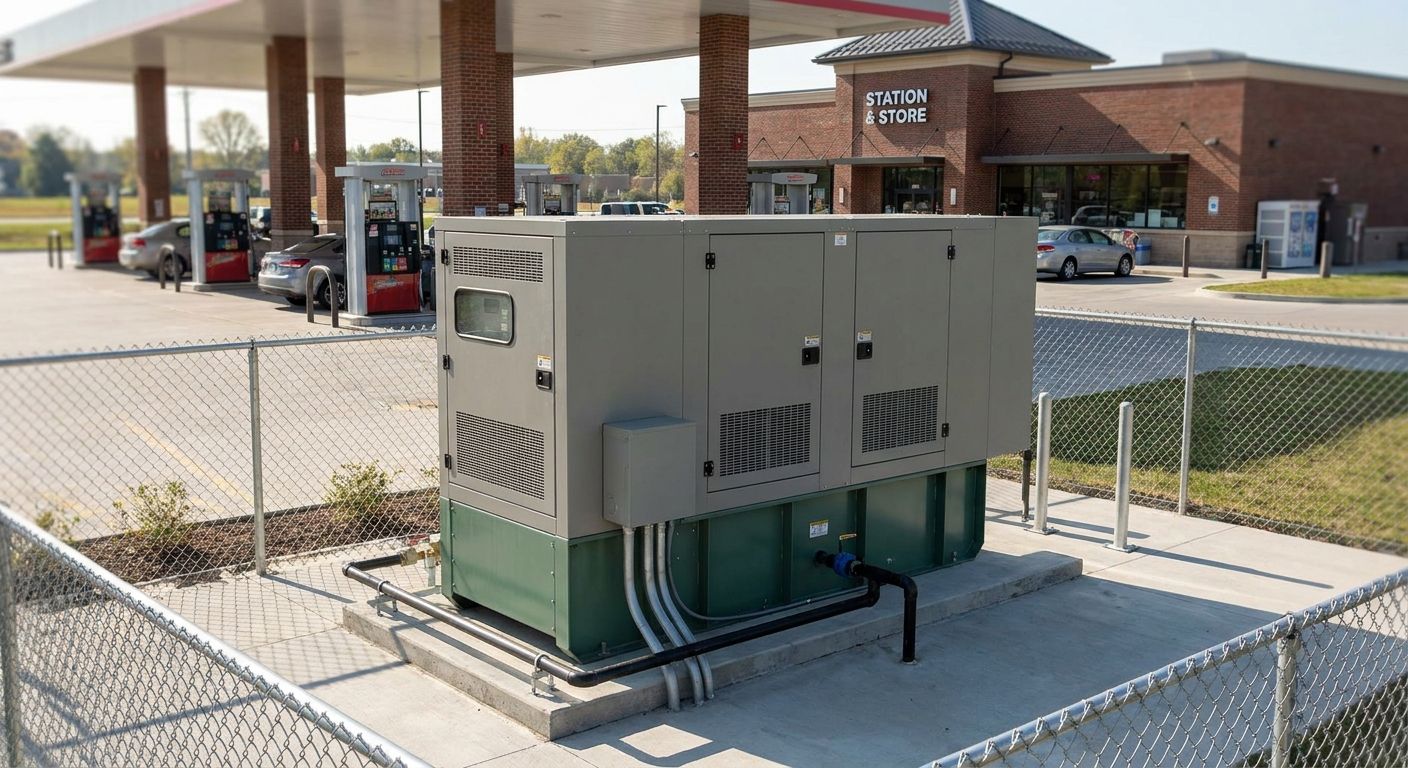
The wildcard - commercial-grade 48kW+ for waterfront properties with pool houses or guest suites. Overkill for a standard home, but it's the right call for a primary residence with a detached guest structure or a boat lift running off the same service. Buy only if you've already confirmed the load calc justifies it.
The one to skip - any big-box portable unit marketed as "whole house." No automatic transfer switch, no continuous run capability, and a hard limit on 240-volt appliances. Skip for anyone serious about a whole house generator installation in Orange Beach, AL.
What to avoid
- Undersized "starter" systems sold on price alone. A 12kW unit priced to move looks attractive until it trips on AC startup during the first heat wave after a storm.
- Non-coastal-rated enclosures. Standard steel housing corrodes fast this close to the Gulf; within a few years you're looking at panel replacement.
- Unlicensed installers offering cash-discount installs. No permit, no inspection, and no recourse if the propane or natural gas connection fails inspection later when you try to sell the house.
Verdict comparison
| System class | Best for | Auto transfer switch | Runs central AC + well pump | Verdict |
|---|---|---|---|---|
| 16-18kW | Condos, smaller homes | Yes | Limited, may need load management | Consider |
| 22kW | Standard single-family home | Yes | Yes | Buy |
| 26-30kW | Larger homes, added HVAC zones | Yes | Yes, with headroom | Consider |
| 48kW+ | Waterfront/guest suite properties | Yes | Yes, full property | Buy (if load justifies) |
| Portable "whole house" units | Nobody doing a real install | No | No | Skip |
FAQ
What size generator do I need for a whole house in Orange Beach, AL? Most single-family homes between 2,000 and 3,500 square feet with central AC and a well pump need a 22kW system. Homes over 3,500 square feet or with two AC zones typically need 26kW or higher.
Is whole house generator installation worth it in a hurricane-prone area like Orange Beach? Yes, for anyone who wants to avoid multi-day outages after tropical systems between June 1 and November 30. A permanently installed unit starts automatically whether you're home or evacuated, unlike a portable generator.
How much does whole house generator installation cost in Orange Beach, AL? Cost depends on generator size, fuel type, and panel work required, so get a site-specific quote rather than relying on a national average that ignores coastal permitting and gas line routing.
Do I need a permit for a standby generator installation in Orange Beach? Yes, both Baldwin County and the City of Orange Beach require permits and inspections for electrical work tied into your home's panel, and a licensed contractor handles that process.
Natural gas or propane for a coastal Alabama generator? Natural gas avoids the risk of running out of fuel during a multi-day outage, as long as the gas line survives the storm; propane requires larger tank sizing to cover 5-7+ days of run time.
Can a portable generator power a whole house during a hurricane? No, portable units lack automatic transfer switches and can't reliably run 240-volt loads like a central AC compressor or well pump alongside everything else.
How often does a standby generator need maintenance? An annual service check plus the unit's built-in weekly self-test cycle catches most issues before hurricane season starts, which matters more than people expect after a generator sits unused for 11 months.
What's the biggest mistake homeowners make with generator sizing? Undersizing based on running wattage instead of starting wattage, which causes the unit to stall when the AC compressor or well pump kicks on under generator power.
One last thing
The generators that fail during a hurricane usually aren't the wrong size, they're the ones nobody ran a maintenance check on since the year they were installed. A weekly self-test cycle only proves the unit starts, not that it can hold a full load for 6+ days straight, which is the scenario that actually matters on the Alabama Gulf Coast in 2026.