Coastal homes from Daphne to Gulf Shores lose power differently than inland houses - storm surge knocks out substations for days, not hours, and salt air chews through cheap equipment faster than most manufacturers admit. This guide breaks down what actually matters when you're buying a whole house generator installation for coastal homes in 2026, not what a national sales rep tells you over the phone.
TL;DR
For coastal Alabama, a properly sized whole house generator installation runs 16kW to 24kW for most single-family homes, with corrosion-resistant enclosures and elevated pads as non-negotiables. Kohler's 20kW aluminum-enclosure units are the safe pick for salt-air durability, Generac's Guardian series is the budget-conscious consider, and any generator installed without a transfer switch rated for your panel size is a hard skip. Baldwin County Generators handles licensed installs across coastal Alabama, and getting the sizing right before hurricane season 2026 matters more than the brand badge on the unit.
Why this matters
Power outages after a named storm on the Gulf Coast average 3 to 7 days for restoration in hard-hit zones, and refrigerated food, well pumps, and medical equipment don't wait that long. A whole house generator installation for coastal homes isn't a luxury upgrade here - it's infrastructure, the same way a sump pump is infrastructure in a flood zone. The math that matters: a 20kW unit covers a 2,500-square-foot home's HVAC, well pump, and appliances simultaneously, while an 8kW portable barely runs a refrigerator and a few lights.
Homes in Fairhope, Foley, and Gulf Shores also deal with humidity and salt exposure that inland installers don't plan for. A generator spec'd for a home in Montgomery isn't automatically right for one three miles from Mobile Bay. Sizing, enclosure material, and pad elevation all shift once salt air and storm surge enter the equation.
Who this is for
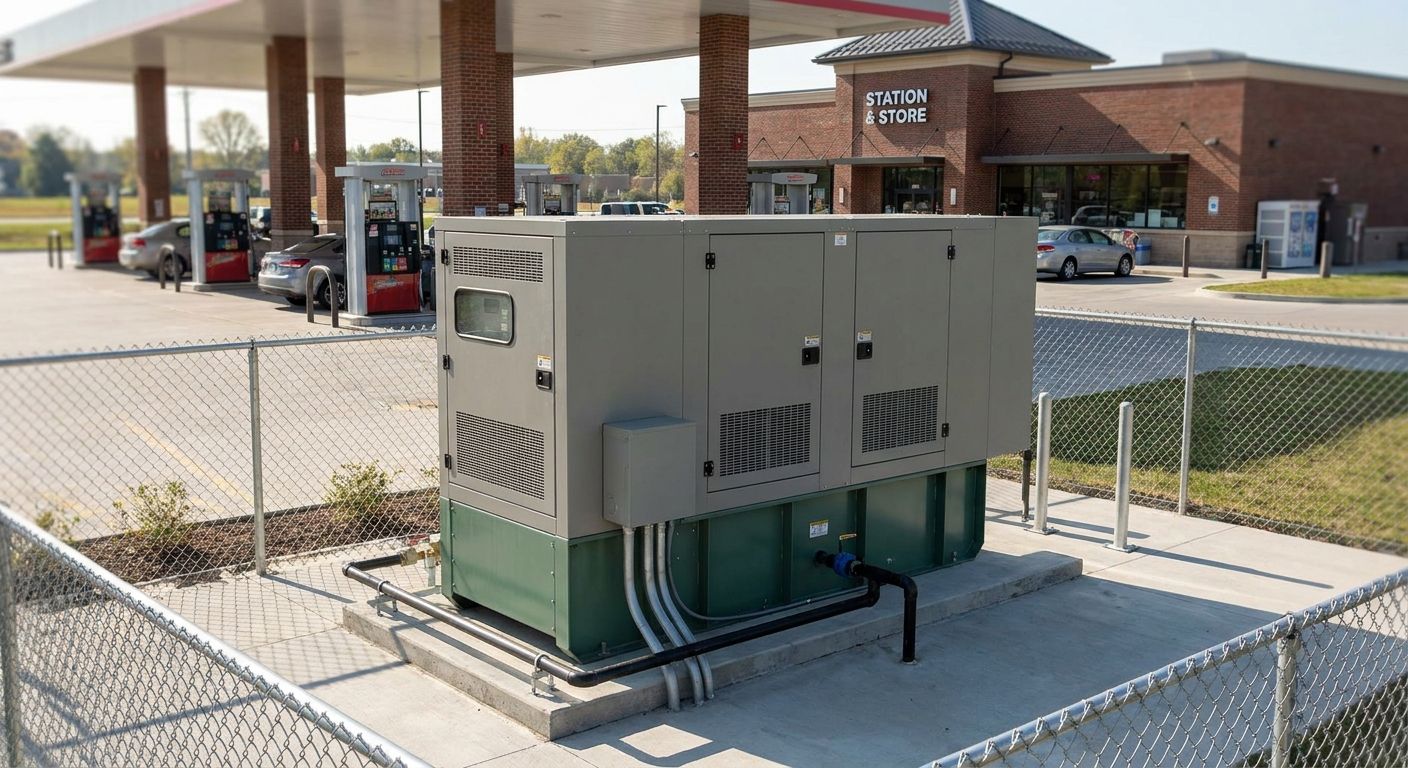
This guide is for homeowners within 20 miles of the Alabama coastline who've already decided a standby generator makes sense and now need to pick the right size, brand, and installation approach - not homeowners still weighing portable generators against whole-home systems. If you own or manage a business location in Daphne or Gulf Shores that can't afford downtime, the same criteria apply, just scaled up in kW.
What to look for in whole house generator installation for coastal homes
Corrosion-resistant enclosure material
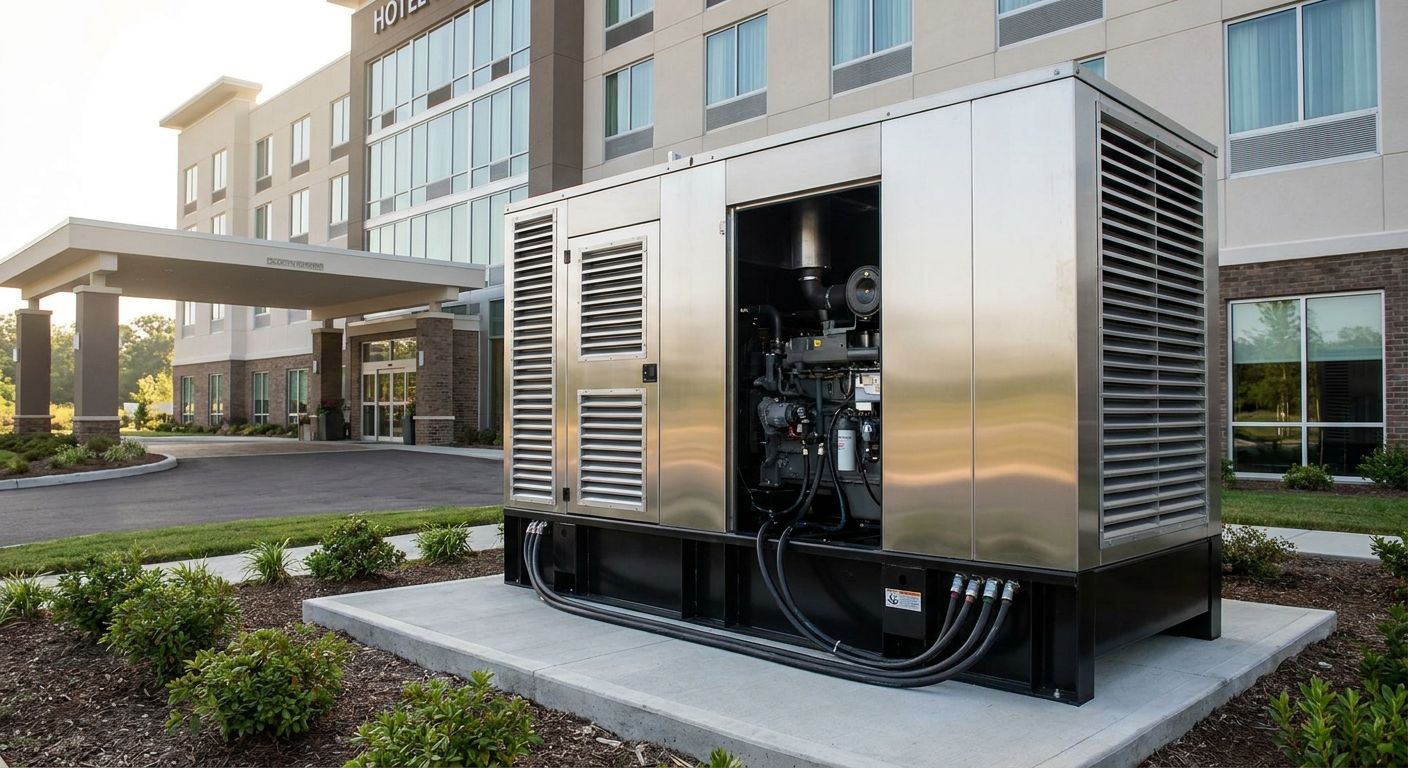
Standard steel enclosures pit and rust within 2 to 3 years this close to the Gulf. Aluminum or coated composite enclosures cost more upfront but avoid the mid-life enclosure replacement that steel units often need by year four in salt-air zones.
Elevated concrete pad above flood line
A generator installed at grade in a flood-prone yard is a generator that drowns during the next storm surge event. Pads elevated 12 to 18 inches above the surrounding grade, or higher in known flood zones, keep the unit operational when you need it most.
kW sizing matched to your panel, not a generic estimate
A licensed electrician should size your unit against your actual panel load - HVAC tonnage, well pump horsepower, and appliance count - not a one-size chart. Undersizing by even 4kW means your AC shuts off automatically during peak load, which defeats the point in an August outage.
Automatic transfer switch rated for your amperage
The transfer switch, not the generator itself, is what fails most often in cheap installs. A switch rated below your panel's amperage will trip or degrade within a few storm seasons - confirm it matches your 200-amp or 400-amp service.
Authorized dealer status and licensed electrical work
Generator warranties from Kohler and Generac often require installation by an authorized dealer to stay valid - a DIY or unlicensed install can void coverage the first time you file a claim. Confirm licensing and insurance before signing anything.
Maintenance plan availability post-install
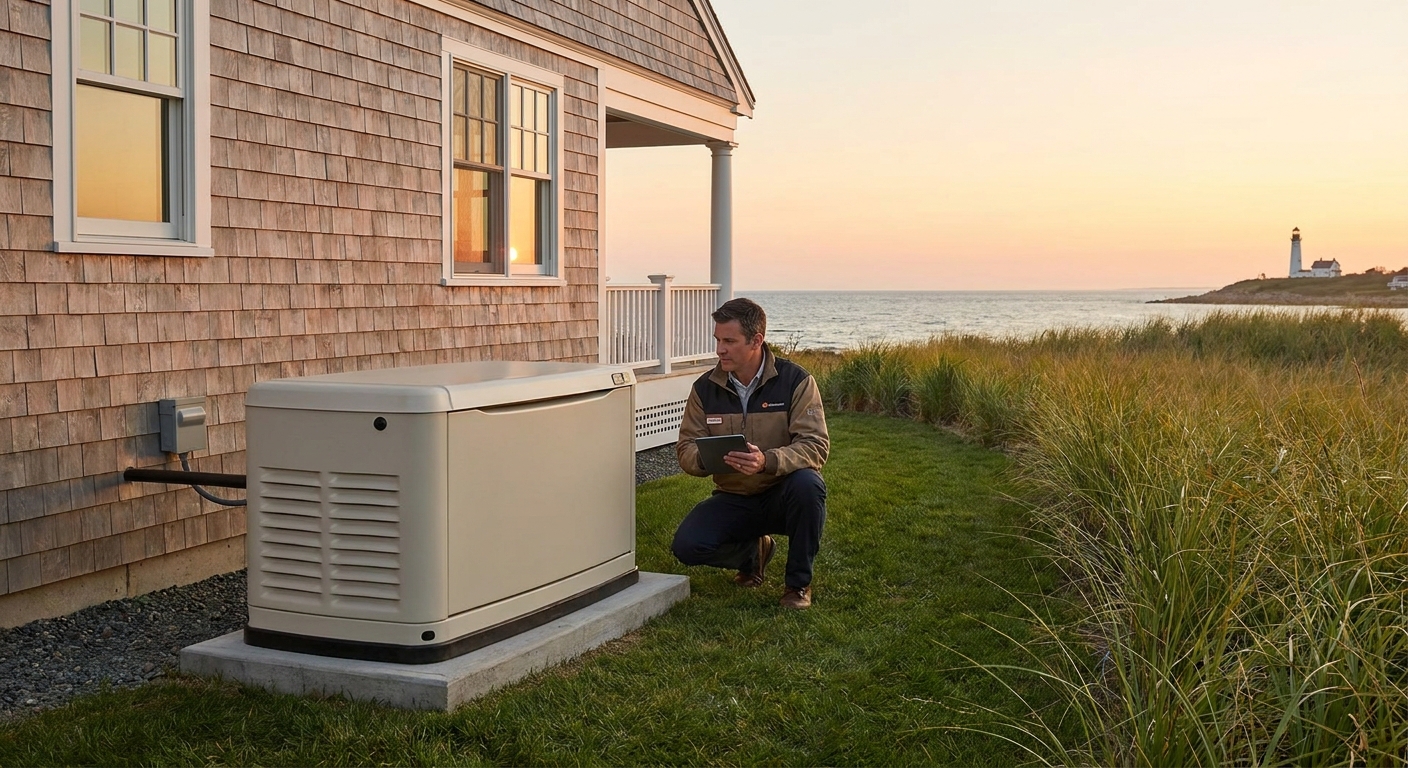
Salt air accelerates wear on air filters, spark plugs, and battery terminals. A maintenance plan that includes twice-a-year service catches corrosion issues before they become a no-start situation during an actual outage.
Top picks for coastal homes in 2026
Kohler 20kW with aluminum enclosure - the safe pick. Aluminum resists salt corrosion far longer than powder-coated steel, and the 20kW output covers HVAC plus well pump for most 2,000 to 3,000-square-foot coastal homes. Kohler's transfer switches are rated up to 400 amps, matching larger coastal properties. Verdict: Buy if your home sits within a mile of the bay or Gulf and steel enclosure replacement isn't something you want to deal with in year three.
Generac Guardian 22kW - the budget-conscious consider. Generac's Guardian series runs a lower upfront cost than Kohler's comparable output, with a steel enclosure available in a marine-grade coating option for coastal buyers. It's a workhorse used widely across the Southeast, with parts availability that's easier to source locally. Verdict: Consider if budget is the primary driver and you're committed to a rigorous twice-yearly maintenance schedule to offset the coating's shorter lifespan versus aluminum.
Briggs & Stratton 20kW - the value alternative. Briggs & Stratton units run a competitive price point with adequate output for mid-size homes, though their coastal-specific enclosure options are more limited than Kohler or Generac. Verdict: Consider for inland-adjacent coastal properties a few miles back from direct salt exposure, where corrosion risk is lower.
Honeywell 17kW - the compact option. Honeywell's 17kW model suits smaller coastal homes or secondary properties where full-home coverage isn't the goal - think a well pump, refrigerator, and a few circuits rather than whole-house HVAC. Verdict: Consider for vacation rentals or smaller footprints under 1,800 square feet; Skip if you need simultaneous AC and well pump operation during a summer outage.
Any big-box portable-to-standby conversion kit - the wildcard to avoid. These retrofit kits promise standby-style operation from a portable unit but skip the automatic transfer switch sizing and corrosion-rated enclosure entirely. Verdict: Skip. They fail the first coastal storm season they're tested against.
What to avoid
- Steel enclosures with only a basic powder coat. They look identical to marine-grade options in a showroom but pit within 24 to 36 months of direct salt exposure.
- Undersized transfer switches sold as "compatible." A switch rated below your panel's amperage isn't compatible - it's a liability that trips under load.
- Ground-level pads in known flood zones. Saving a few hundred dollars on pad elevation costs far more when the unit floods during the next surge event.
Verdict comparison
| Model | Output | Enclosure | Verdict |
|---|---|---|---|
| Kohler 20kW | 20kW | Aluminum | Buy |
| Generac Guardian 22kW | 22kW | Steel, marine coating | Consider |
| Briggs & Stratton 20kW | 20kW | Steel | Consider |
| Honeywell 17kW | 17kW | Steel | Consider / Skip by home size |
| Portable-to-standby kit | Varies | None rated | Skip |
FAQ
What size generator do I need for a coastal home? Most single-family coastal homes between 2,000 and 3,000 square feet need 16kW to 22kW to run HVAC, a well pump, and standard appliances at once. Larger homes or those with well pumps and multiple HVAC zones may need 24kW or more - panel-specific sizing from a licensed electrician is the only reliable way to confirm.
Is a whole house generator installation worth it for hurricane season 2026? Yes, if outages of 3 or more days are common in your area, which they are across much of coastal Baldwin County after named storms. A standby unit keeps refrigeration, well water, and HVAC running through extended restoration windows that portable generators can't sustain.
How much does whole house generator installation cost near the coast? Costs vary by kW size, enclosure material, and electrical panel complexity, with coastal-grade enclosures and elevated pads adding to the base installation price. Get a home-specific quote rather than relying on national average figures, since coastal requirements differ from inland installs.
Is Kohler or Generac better for salt-air environments? Kohler's aluminum enclosure option resists corrosion longer than Generac's standard steel, though Generac's marine-coated Guardian units close much of that gap at a lower price point. The right choice depends on your distance from the water and your appetite for maintenance frequency.
Can I install a whole house generator myself? No - automatic transfer switches require licensed electrical work to meet code and to keep manufacturer warranties valid. Unlicensed installs are also a common reason insurance claims get denied after storm damage.
How often does a coastal generator need maintenance? Twice a year is standard for coastal installs, versus once a year inland, because salt air accelerates corrosion on filters, terminals, and enclosure seams. Skipping the second annual service is the most common cause of no-start failures during actual outages.
Do generator enclosures really need to be aluminum near the Gulf? Aluminum isn't mandatory, but steel enclosures without marine-grade coating typically show pitting within 2 to 3 years of direct salt exposure. If your home sits within a mile of the water, the upfront cost difference pays for itself by avoiding an enclosure replacement mid-lifecycle.
What amperage transfer switch do I need? Match the switch to your home's actual electrical service - 200-amp homes need a 200-amp-rated switch, and 400-amp service needs a switch rated to match, not undersized to save cost. This is the single most common install error found during coastal service calls.
One last thing
The detail most homeowners miss isn't the generator brand - it's the pad elevation. A $30,000 Kohler unit installed at grade in a known flood pocket fails the same way a $3,000 portable does once storm surge reaches it. Elevation and enclosure material matter more than the badge on the front panel, and that's true whether hurricane season 2026 brings a direct hit or a near-miss.