Lillian sits on the Alabama-Florida line along Perdido Bay, which means every hurricane season brings the same question: what happens when Baldwin EMC power goes down for three days instead of three hours? This guide breaks down what to look for in standby generator installation in Lillian, AL, so you buy the right size system instead of the one a salesman had in stock.
TL;DR: For Lillian homeowners, a 22kW Generac or Kohler standby unit on propane covers most 2,500-3,500 sq ft homes, while a 14kW system fits smaller footprints on a tighter budget. Verdict: whole-home standby is worth it if you've lost power more than twice in the last two hurricane seasons - skip the portable-generator route if you're on well water or have anyone home-dependent on medical equipment. Licensed installation from an authorized dealer matters more than the brand badge on the unit.
Why this matters
Baldwin County has logged multiple named-storm power outages since 2020, and Lillian's rural feeder lines mean restoration often lags behind Fairhope or Daphne by a day or two. A generator that isn't sized, permitted, and installed correctly will trip during a real outage - that's the failure homeowners find out about at the worst possible time, not during a test run. Getting this right in 2026 means understanding load calculations, fuel source, and code compliance before you sign a contract, not after.
Who this is for
This guide is for Lillian homeowners and small business owners deciding between a portable generator, a mid-size standby unit, or a full whole-home system ahead of the 2026 hurricane season. If you've already had a generator quoted and want to sanity-check the kW size or fuel type, the criteria below apply directly. If you're brand-new to the process, start here before you call three contractors and get three different numbers.
What to look for in standby generator installation for Lillian, AL
Correct kW sizing for your square footage
An undersized generator will shed circuits or fail to start your HVAC compressor on a July afternoon - a common complaint with 10kW units on homes over 2,000 sq ft. Most Lillian homes in the 2,000-3,000 sq ft range need 20-22kW to run central air, well pump, refrigerator, and lighting simultaneously. Get a load calculation from the installer, not a guess based on square footage alone.
Propane vs. natural gas availability
Lillian and the surrounding Perdido Bay area run mostly on propane since municipal natural gas lines don't reach every street. A propane system needs a tank sized to your generator's burn rate - undersized tanks run dry mid-outage, which defeats the purpose. Confirm tank size and refill logistics before installation, not during the first storm.
Licensed electrical contractor status
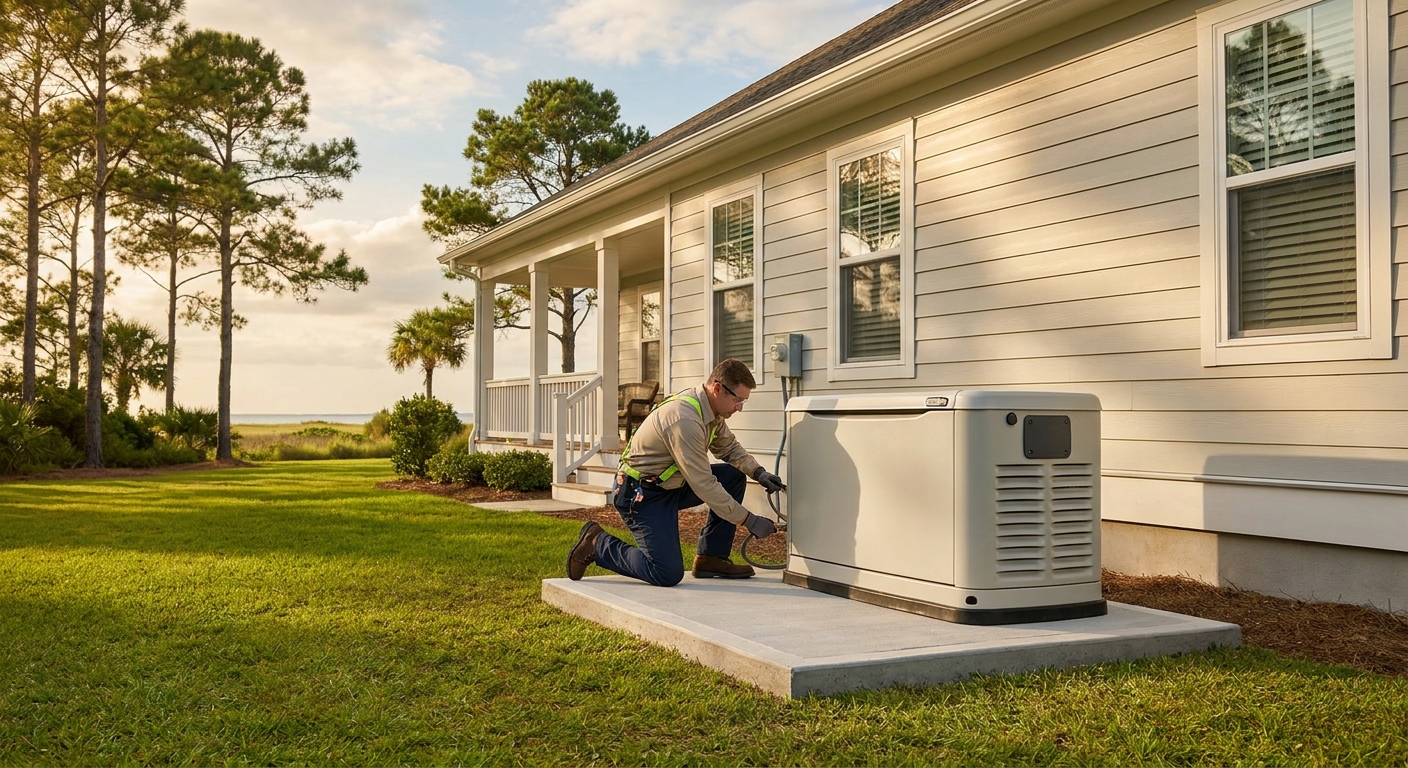
Georgia and Alabama both require a licensed electrician for the transfer switch tie-in, and skipping this step voids manufacturer warranties on Kohler, Generac, Honeywell, and Briggs & Stratton units. Ask for the contractor's Alabama license number and confirm they carry liability insurance before work starts. An unlicensed install can also fail county inspection, which delays your ability to legally run the system.
Automatic transfer switch quality
The transfer switch is what senses an outage and starts your generator within seconds - a cheap or mis-sized switch is the most common point of failure reported industry-wide. A 200-amp service needs a matched 200-amp switch, not a downsized unit that throttles your available power during an outage. This is a five-minute check that separates a real installer from a quick sale.
Brand warranty and local service support
A 10-year warranty on a Kohler or Generac unit is only as good as the dealer's ability to service it locally - a generator installed by an out-of-town crew can mean a two-week wait for a technician after a storm. Baldwin County Generators services Daphne, Fairhope, Foley, Gulf Shores, and Lillian directly, which matters when every contractor in the region is booked solid during peak season.
Permitting and hurricane code compliance
Baldwin County requires permits and inspection for standby generator installation, and skipping this step can affect homeowner's insurance claims down the line. Confirm the installer pulls permits as part of the job, not as an add-on fee discovered later.
Top picks by system size
The budget-conscious pick - 14kW air-cooled standby. Covers roughly 1,800-2,200 sq ft, runs on propane, and handles lighting, refrigeration, and one HVAC zone. Installed cost typically runs lower than 22kW units because of smaller transfer switch and simpler gas line requirements. Verdict: Buy if your home is under 2,200 sq ft and you don't run a well pump.
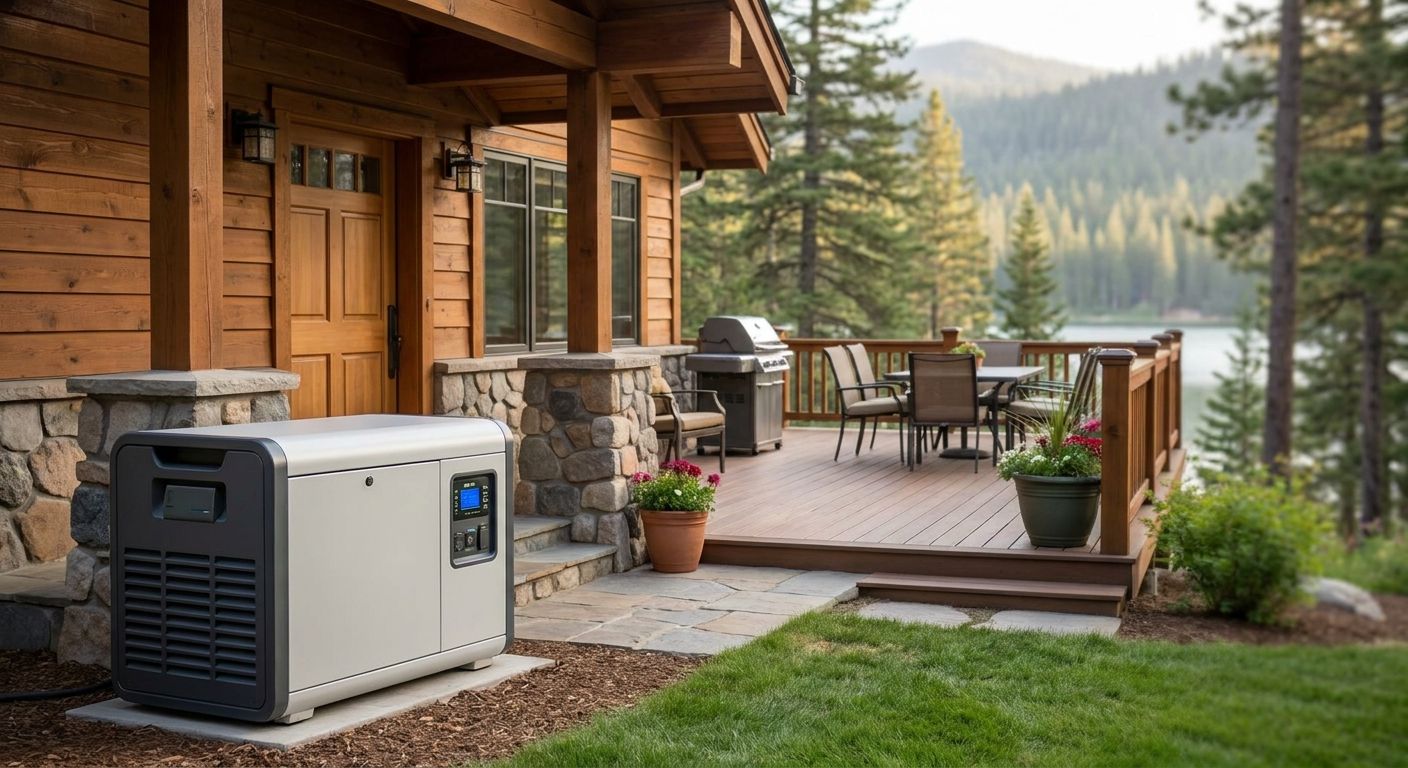
The safe pick - 22kW whole-home standby. This is the size most Lillian homes in the 2,500-3,500 sq ft range actually need to run full HVAC, well pump, and kitchen appliances at once. It's the most commonly installed size across coastal Alabama in 2026 because it balances cost against real load demand. Verdict: Buy for most single-family homes on propane.
The wildcard - 26-38kW for larger homes or dual-zone HVAC. Homes over 3,500 sq ft or with two HVAC systems need this range to avoid load-shedding during peak summer heat. Installed cost climbs with tank size and switch amperage, but it's the only option that keeps every circuit live during a multi-day outage. Verdict: Consider if you've already had a 22kW unit trip breakers under full load.
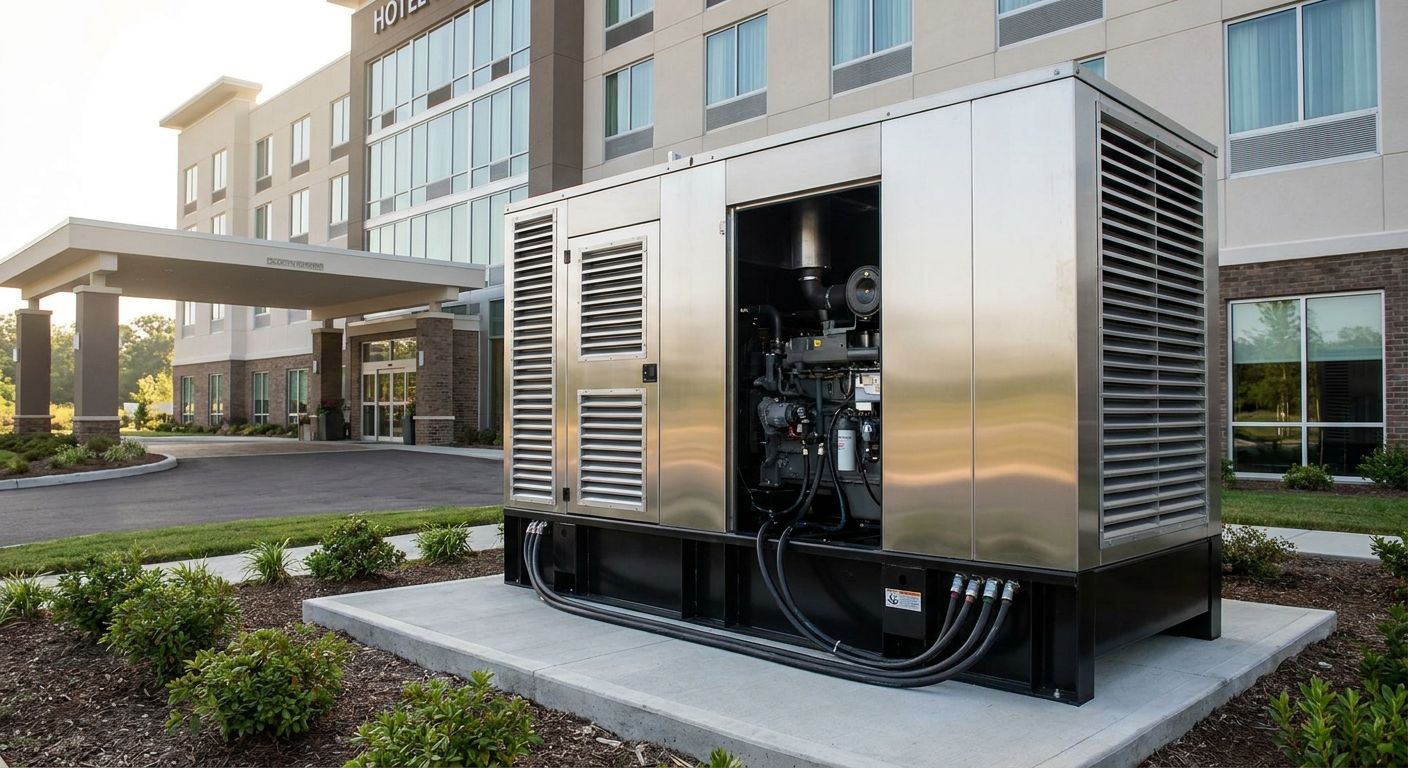
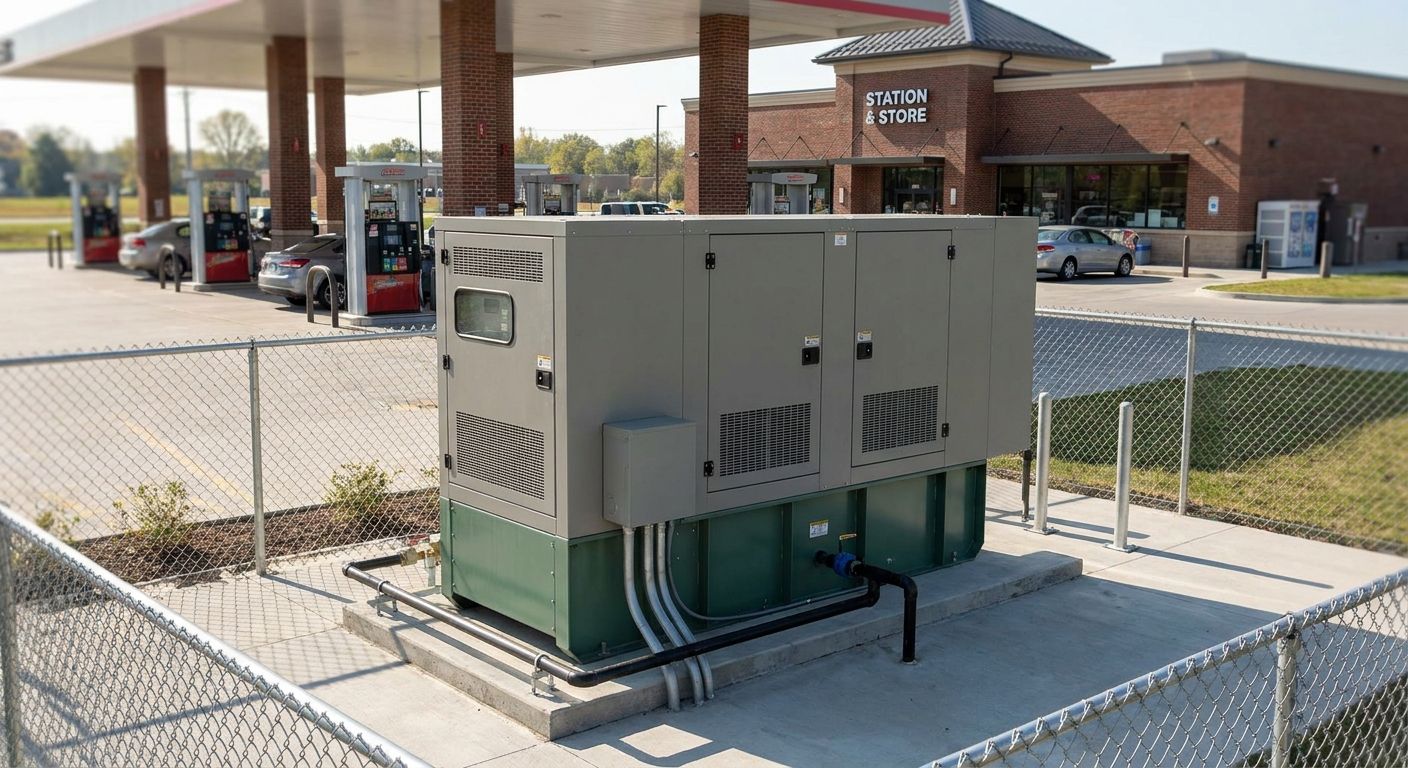
The commercial-grade option - 48kW+ standby for small business. Retail, medical, and hospitality operations in Lillian and Foley use this range to keep refrigeration, POS systems, and lighting running through extended outages. Fuel logistics and permitting get more complex at this size, so lead time runs longer. Verdict: Buy if downtime costs more per day than the generator costs to run.
The one to skip - undersized portable generators as a permanent fix. A 5,000-7,000 watt portable unit can't legally tie into your electrical panel without a manual transfer switch, and running extension cords through windows during a hurricane is a documented fire and carbon monoxide risk. Verdict: Skip as a long-term solution - fine for camping, not for storm season.
What to avoid
- Contractors quoting by phone without a site visit. kW sizing depends on your actual panel, square footage, and HVAC tonnage - a phone quote skips the load calculation entirely.
- Generators sized off a neighbor's system. Two houses on the same street can need different kW ratings based on well pump horsepower and HVAC zone count.
- Skipping the maintenance contract. A standby generator that sits unused for 11 months a year needs a scheduled test run and oil change, or it may not start when you need it in 2026's storm season.
Verdict comparison
| System size | Best for | Fuel | Verdict |
|---|---|---|---|
| 14kW | Homes under 2,200 sq ft | Propane | Buy |
| 22kW | 2,500-3,500 sq ft, single HVAC zone | Propane | Buy |
| 26-38kW | 3,500+ sq ft or dual HVAC | Propane | Consider |
| 48kW+ | Small business, medical, retail | Propane/natural gas | Buy if uptime matters |
| Portable 5,000-7,000W | Temporary/camping use only | Gasoline | Skip |
FAQ
What size standby generator do I need in Lillian, AL? Most homes between 2,500 and 3,500 sq ft need a 22kW system to run full HVAC, well pump, and kitchen appliances simultaneously. Smaller homes under 2,200 sq ft can often get by with 14kW, but a load calculation from a licensed installer confirms the exact number.
Is standby generator installation worth it for coastal Alabama homes? Yes, if you've experienced more than one multi-day outage in the last two hurricane seasons or have well water, medical equipment, or perishable inventory at stake. A whole-home standby unit removes the need to manually connect a portable generator during a storm.
How much does standby generator installation cost in 2026? Cost depends on kW size, propane tank size, and transfer switch amperage - a 22kW system typically costs more than a 14kW unit but less than 38kW or commercial-grade systems. Get a written quote after a site visit rather than a phone estimate.
Do I need a permit for a standby generator in Baldwin County? Yes, Baldwin County requires permits and inspection for standby generator installation, and a licensed contractor should include this in the installation process. Skipping permits can create issues with insurance claims later.
Kohler vs. Generac vs. Honeywell - does the brand matter? All three are established brands with comparable warranty terms, so local service availability matters more than brand loyalty. A generator that needs a two-week wait for parts after a storm defeats the purpose regardless of the nameplate.
Can I install a standby generator myself? No - the transfer switch tie-in requires a licensed electrician, and DIY installation voids manufacturer warranties and can fail county inspection. This isn't a weekend project even for an experienced homeowner.
How long does standby generator installation take? Installation timelines vary by system size, propane tank requirements, and permit processing time in Baldwin County, with larger commercial-grade systems taking longer than residential 14-22kW units. Booking ahead of hurricane season in 2026 avoids the seasonal backlog.
What's the difference between a whole-home and partial-home standby generator? A whole-home system powers every circuit in the house, while a partial-home setup runs only essential circuits like HVAC, refrigeration, and well pump. Partial systems cost less upfront but require the installer to prioritize which circuits stay live.
One last thing
The detail most Lillian homeowners miss isn't the generator size - it's the propane tank. A 22kW unit paired with an undersized 250-gallon tank can run dry in under three days during continuous use, which is exactly the scenario a multi-day hurricane outage creates. Confirm tank sizing against expected runtime before you sign, not after the storm hits.