Hotels and motels along the Alabama Gulf Coast lose bookings the moment the lights go out - this guide breaks down what a standby generator installation actually requires for lodging properties in Daphne, Fairhope, Foley, and Gulf Shores.
- Full-service hotels over 80 rooms need 150kW+ commercial generators, not residential-sized units.
- NFPA 110 requires emergency power to life safety circuits within 10 seconds of an outage.
- Boutique motels under 20 rooms often run fine on a 20-26kW unit sized for guest safety loads only.
- Skip towable or portable generators as primary backup - most local fire codes reject them for occupied lodging.
- Baldwin County Generators installs Kohler, Generac, Honeywell, and Briggs & Stratton commercial units built for 2026 storm season.
Who this is for
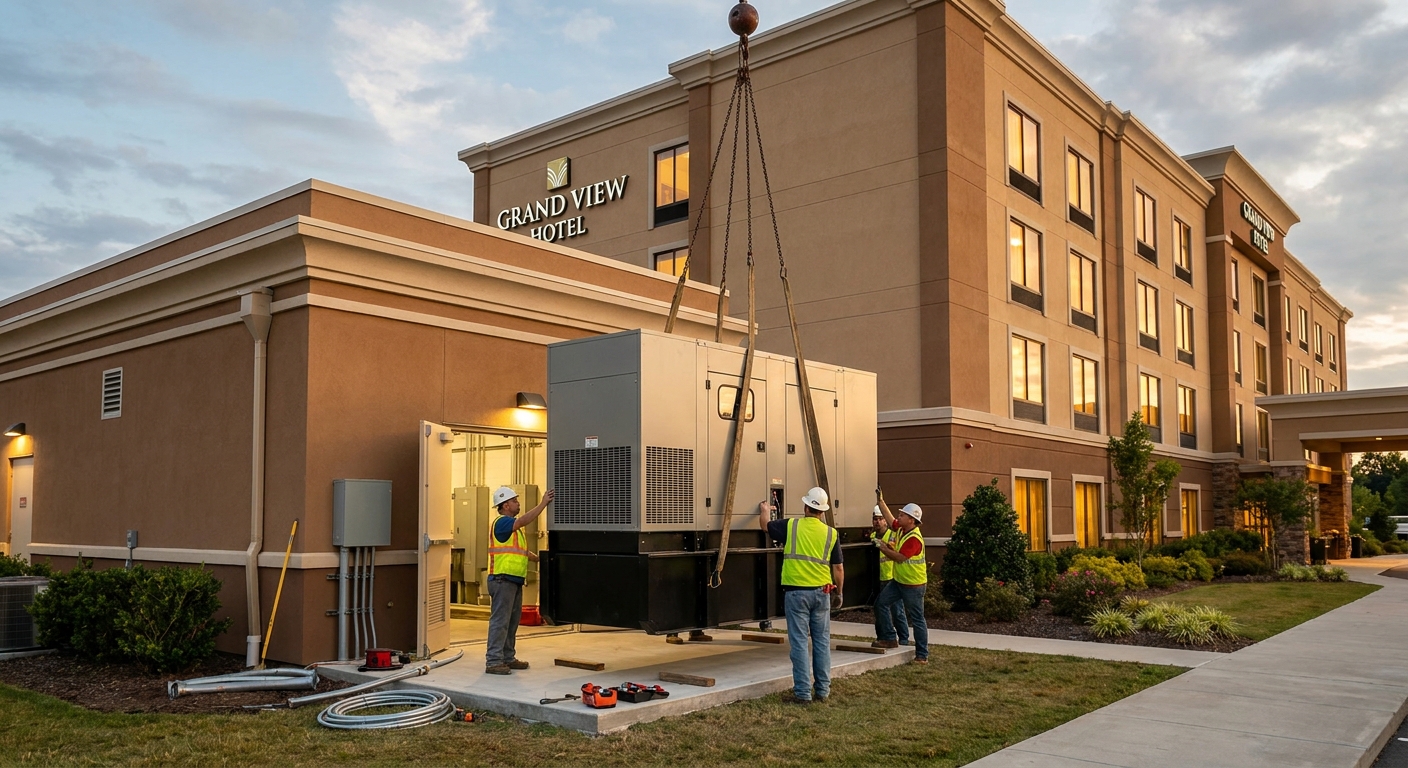
This guide is for hotel owners, motel operators, and property managers across coastal Alabama who need power to stay on through hurricane season - not just for comfort, but for guest safety, refrigeration, elevators, and fire alarm systems that state code requires to keep running. If you're managing a 12-room roadside motel in Foley or a 120-room beachfront property in Gulf Shores, the sizing math and code requirements are different, and getting them wrong either wastes money or leaves guests in the dark during a mandatory evacuation window. Baldwin County Generators handles both ends of that spectrum as a licensed electrical contractor working directly with property owners on load calculations, permitting, and installation.
Why this matters
A hotel that loses power during a named storm isn't just uncomfortable - it's often legally required to shut down. Elevators stop, exit lighting fails, and fire alarm panels lose primary power the instant utility service drops. NFPA 110 sets a 10-second restoration window for life safety loads in occupied buildings, and standby generators are the only equipment class that meets it reliably in 2026. Portable units and towed diesel trailers can't switch fast enough and usually can't legally power fixed life-safety circuits in a lodging structure.
What to look for in generator installation for hotels
Total electrical load, not guest-room count
Room count is a rough proxy, but the real number that matters is the connected load in kW across HVAC, elevators, kitchen equipment, laundry, and life safety panels. A 40-room motel with a commercial laundry and a walk-in freezer can draw more than a 60-room property with none of that. Get a load study before picking a generator size - guessing by room count leads to undersized systems that trip under real conditions.
Fuel type and run time during extended outages
Diesel and natural gas units dominate commercial lodging installs because they run longer and refuel faster than propane in a sustained outage. After Gulf Coast storms, utility restoration can stretch past 48 hours, so a generator that only holds an 8-hour tank forces manual refueling during the exact window staff are stretched thinnest. Ask what run time the unit hits at full connected load, not the manufacturer's best-case rating.
Automatic transfer switch rated for commercial service
A residential-grade ATS is built for a single panel, not a hotel's distributed electrical service with separate feeds for guest floors, kitchen, and mechanical rooms. Commercial ATS units switch multiple legs in sequence and are rated for the higher amperage hotels pull. Undersized transfer switches are one of the most common failure points in lodging installs that used a residential contractor instead of one experienced in commercial work.
Code compliance and life safety circuits
Fire alarm panels, emergency lighting, exit signs, and elevator recall systems all fall under life safety code, which means they need dedicated, permitted circuits tied into the generator system - not an afterthought wired in later. Local jurisdictions in Baldwin County inspect these installs separately from the general electrical permit, and skipping that step can flag a property during a fire marshal review. Get this designed correctly the first time; retrofitting life safety circuits after occupancy is far more disruptive.
Noise and placement restrictions
Hotels sit closer to neighboring properties and guest windows than a typical home, so generator placement has to account for sound levels and setback rules specific to commercial zoning. A unit that's fine in a suburban backyard can generate noise complaints from a guest room 30 feet away. Placement planning up front avoids a costly relocation after the fact.
Maintenance response time
A generator sitting unused for months needs regular exercise cycles and oil checks, and when it fails to start during an actual grid outage, the property has no backup at the worst possible moment. Ask what response time a contractor commits to for hotel accounts specifically - a 12-hour callback during a storm is very different from a same-day service window. Baldwin County Generators prioritizes commercial lodging accounts during active storm windows because occupied guest rooms carry higher stakes than an empty house.
Top picks by property type
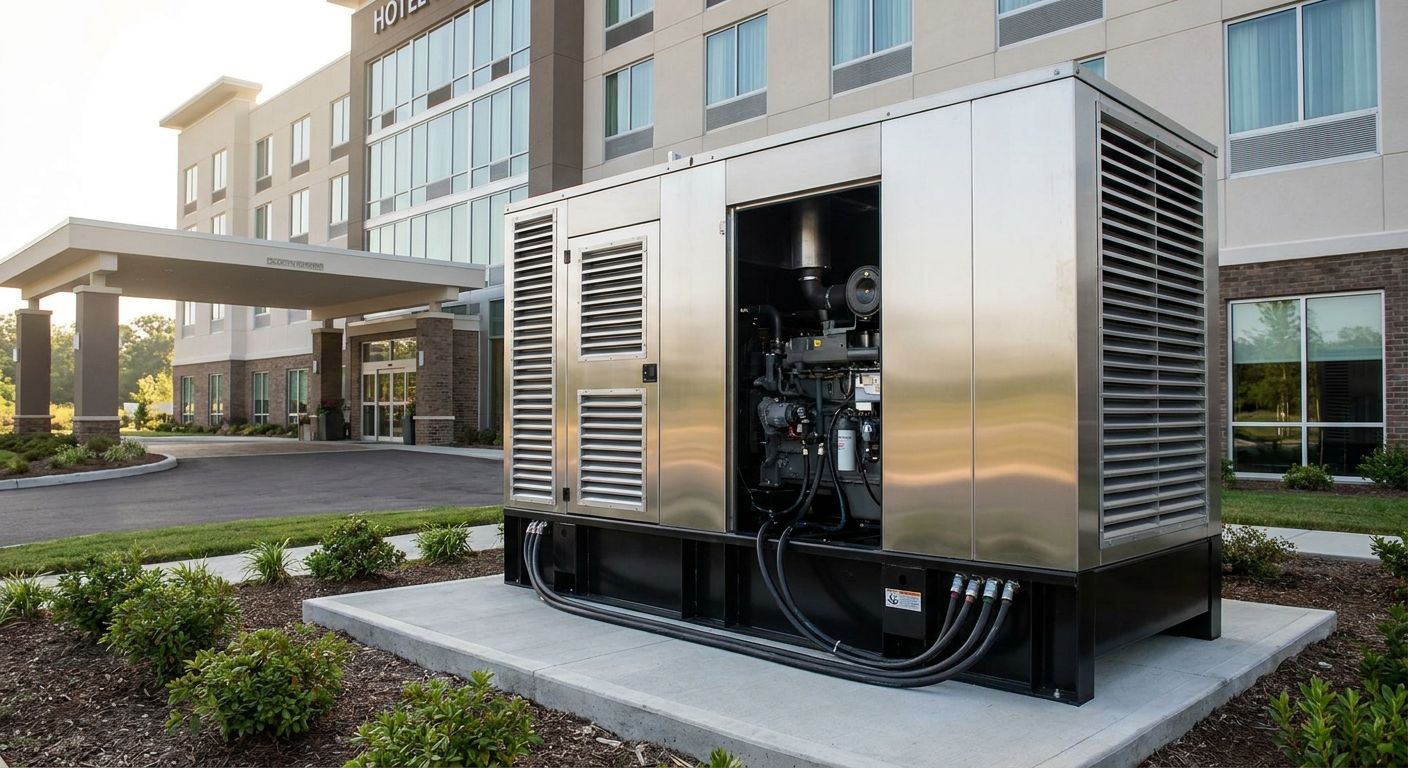
Kohler commercial-grade unit (150kW and up) - the workhorse pick. Built for full-service hotels with elevators, commercial kitchens, and 80+ occupied rooms. Handles simultaneous HVAC and life safety loads without shedding circuits. Buy for full-service properties planning for 2026 hurricane season.
Generac commercial series (48kW-150kW) - the flexible size range. Scales well for mid-size hotels and larger boutique properties with moderate kitchen and laundry loads. Modular design lets a contractor size it tighter to an actual load study instead of over-buying. Consider for properties in the 40-80 room range.
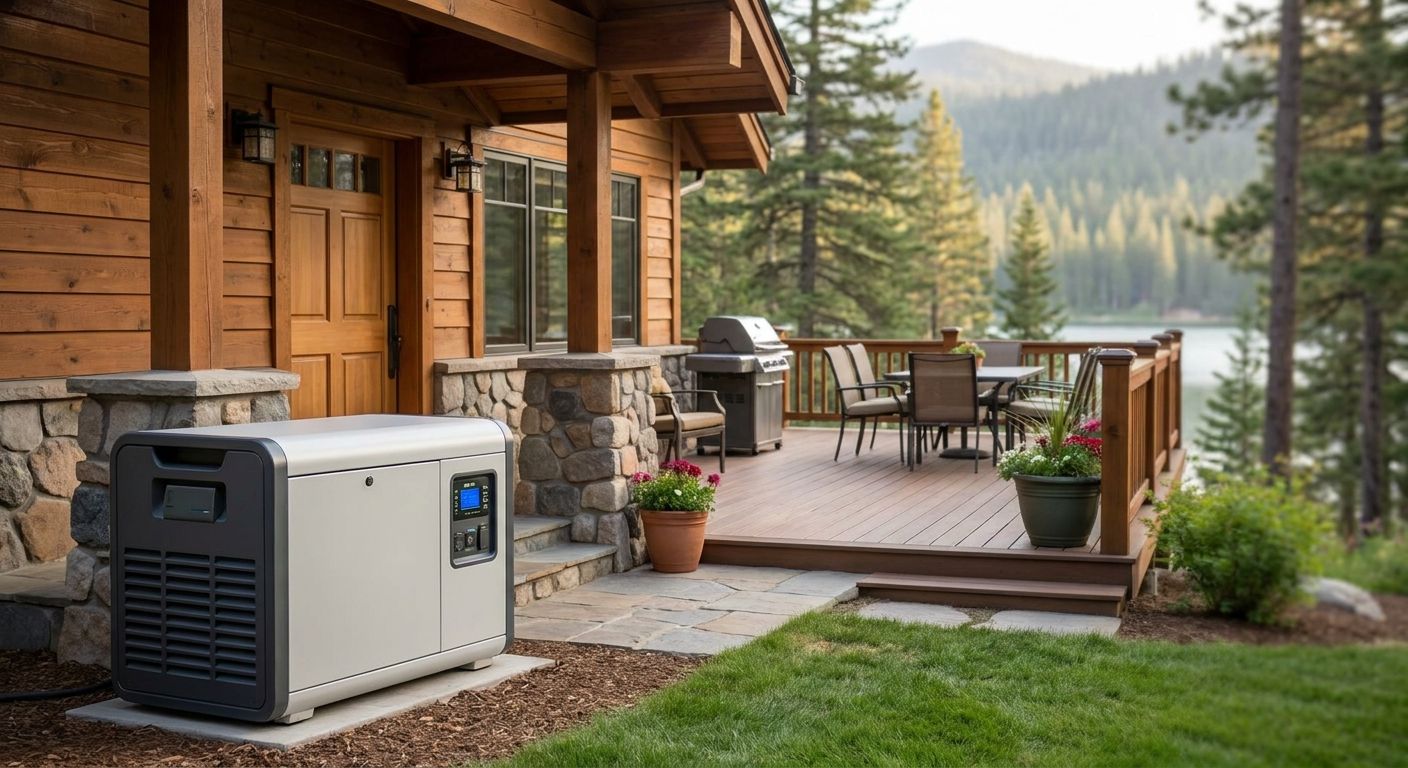
Honeywell commercial unit (20-26kW) - the budget-conscious pick for small footprints. Fits motels under 20 rooms where the priority is guest safety lighting, front desk operations, and refrigeration rather than full HVAC coverage. Consider for small motels; Skip for anything with an elevator or commercial kitchen.
Briggs & Stratton diesel commercial unit - the extended run-time option. Diesel tanks on this line hold up longer under sustained load, which matters when utility restoration drags past the 48-hour mark after a major storm. Consider for properties in flood-prone areas where refueling access may be limited for days.
What to avoid
- Residential "whole home" generators marketed as commercial-capable - most top out well under what a hotel's HVAC and elevator loads actually draw, even when the spec sheet lists a big number.
- Portable or towable diesel units as primary backup - they can't meet the 10-second transfer requirement for life safety circuits and most local fire codes won't approve them for occupied lodging structures.
- Skipping the load study to save time - an undersized system that trips breakers during a real outage costs more in emergency service calls and lost bookings than the study would have cost up front.
Get a generator sizing quote
Load calculations and permitting handled for coastal Alabama lodging properties.
Verdict comparison
| Generator class | Best property size | Run time priority | Verdict |
|---|---|---|---|
| Kohler 150kW+ | 80+ rooms, full-service | High (extended diesel/gas tanks) | Buy |
| Generac 48-150kW | 40-80 rooms | Moderate | Consider |
| Honeywell 20-26kW | Under 20 rooms | Lower | Consider (Skip for elevators) |
| Briggs & Stratton diesel | Flood-prone locations | Highest | Consider |
FAQ
What size generator does a hotel need?
Most full-service hotels with 80 or more rooms need 150kW or larger, while small motels under 20 rooms often run on 20-26kW. The correct size depends on a load study covering HVAC, elevators, kitchen equipment, and life safety circuits, not room count alone.
Is a portable generator legal for a hotel?
No, most local fire codes reject portable or towable generators as primary backup for occupied lodging because they can't meet the 10-second transfer requirement under NFPA 110 for life safety circuits. Fixed standby units with an automatic transfer switch are required for compliant installs.
How long can a hotel generator run during an outage?
Run time depends on fuel type and tank size, with diesel and natural gas units typically holding out longer than propane during extended utility outages. After major Gulf Coast storms, restoration can stretch past 48 hours, so tank capacity should be sized for that window, not a best-case rating.
Does a motel need the same generator as a full hotel?
No, a small motel under 20 rooms without an elevator or commercial kitchen can often run on a 20-26kW unit, while a full-service hotel needs 150kW or more. Sizing should match actual connected load, which is why a load study matters more than comparing room counts.
What is NFPA 110 and why does it matter for hotels?
NFPA 110 is the code governing emergency and standby power systems, requiring life safety circuits like fire alarms and emergency lighting to restore power within 10 seconds of an outage. Hotels and motels must meet this standard to remain compliant for occupancy during a power outage.
How often does a hotel generator need maintenance?
Standby generators need regular exercise cycles and scheduled service checks to make sure they start reliably when the grid actually fails. Ask any contractor installing a hotel unit what response time they commit to during active storm windows, since a slow callback during a hurricane defeats the purpose of the system.
Can one generator power an entire hotel including the elevator?
Yes, if it's sized correctly for the full connected load including elevator recall systems, HVAC, and kitchen equipment. Undersized units force load shedding, which is why a commercial-grade load study before purchase is critical for properties with elevators.
Where should a hotel generator be placed?
Placement has to account for noise ordinances and setback distances from guest room windows and neighboring properties, which are stricter for commercial zoning than residential lots. A contractor familiar with local Baldwin County permitting can plan placement before installation instead of relocating the unit later.
One last thing
The detail most hotel owners miss isn't the generator size - it's the transfer switch. A property can buy a 150kW Kohler unit and still fail to power the elevator during an outage if the automatic transfer switch wasn't rated and sequenced for the building's distributed panels. Get the ATS sized and reviewed alongside the generator, not as an afterthought, before 2026 hurricane season starts.