All-electric homes in Baldwin County run everything off the panel - heat pump, electric water heater, induction range, EV charger - which means a generator sized for a gas-assisted house will leave you in the dark on the circuits that matter most.
- All-electric homes need 24kW or larger standby units, not the 14-16kW builder-grade size - undersized units trip under heat pump startup load.
- Generac and Kohler both build load-management modules that let a smaller generator run a fully electric house without overloading it - this is the deciding feature, not the kW number alone.
- Propane is the standard fuel for standby generator installation for all electric homes in coastal Alabama since most of Baldwin County isn't on natural gas lines.
- A 200A transfer switch with load shedding beats a 400A switch with no management for most all-electric homes under 3,500 square feet - verdict: Buy the smaller unit with smart load control.
Why this matters
A standard gas or propane-assisted home might run a furnace off gas and only need the generator to carry lights, fridge, and a well pump. An all-electric home puts the heat pump, the electric water heater, the range, and often an EV charger all on generator power at once during a 2026 hurricane season outage.
That load stacks fast. A 3-ton heat pump alone can pull a 30-40 amp starting surge. Skip the sizing math and you end up with a generator that runs for six hours before nuisance-tripping every time the AC kicks on. Baldwin County Generators sizes installs around actual electric load, not a generic square-footage chart, which is the gap that catches most homeowners moving from gas to all-electric.
Who this is for
This guide is for homeowners in Daphne, Fairhope, Foley, and Gulf Shores who've gone all-electric - heat pump HVAC, electric water heater, electric range, maybe an EV - and need a standby generator installation for all electric homes that actually carries the whole panel through a multi-day outage, not just the essentials circuit.
If your home still runs a gas furnace or gas water heater, your sizing math is different and smaller units will likely cover you fine.
What to look for in generator installation for all-electric homes
Total kW capacity for whole-house electric loads
An all-electric home typically needs 24kW to 26kW minimum to run HVAC, water heater, range, and general circuits together, versus 14-16kW for a gas-assisted home. Undersizing is the single most common mistake in this category - homeowners size to the old gas-home rule of thumb and end up with a generator that can't start the heat pump compressor and the water heater element at the same time.
Automatic load management modules
Load management (sometimes called smart load control) lets a smaller, cheaper generator run a fully electric home by staggering which high-draw appliances run at once. A 26kW unit with load management can often replace what would otherwise require a 48kW unit without one. For all-electric homes, this feature matters more than raw kW size.
Propane fuel type and tank sizing
Most of Baldwin County isn't on natural gas lines, so propane is the default fuel for standby installs here. A 24kW unit running continuously burns through a 500-gallon tank in roughly 4-5 days at full electric load - size the tank to your expected outage length, not the minimum code requirement.
Transfer switch amperage
Homes with 200A electrical service need a transfer switch rated to match, and an all-electric home on 200A service benefits more from load management than from oversizing the switch to 400A. Get this wrong and the generator is rated for the load but the switch becomes the bottleneck.
Noise level and quiet operation
All-electric homes often run the generator more hours per outage since there's no gas furnace picking up slack - sound levels matter more here than in a gas-assisted home that only needs backup for a well pump and lights. Look for units rated in the low-60s dBA range at 23 feet, not the mid-70s units marketed for job sites.
Licensed installation and Baldwin County code compliance
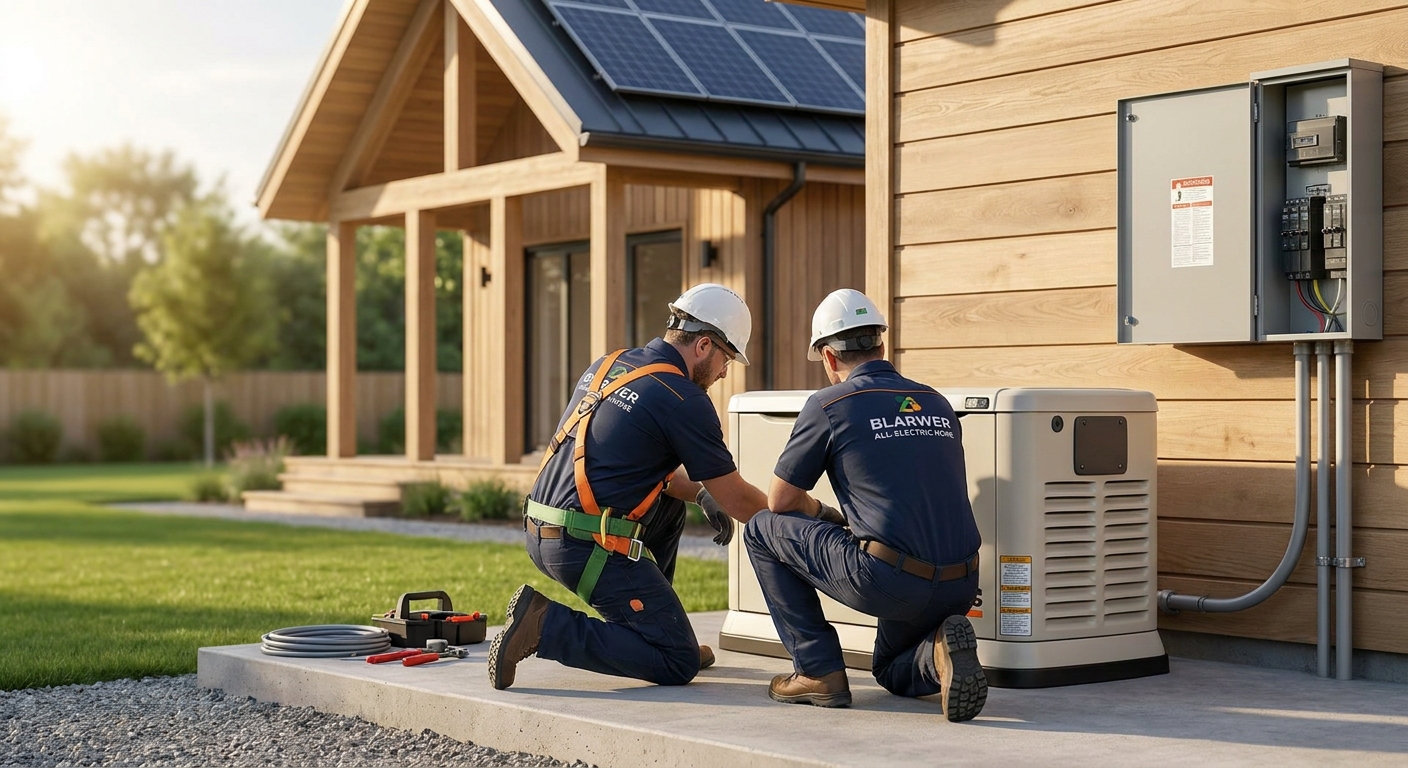
Standby generator installs require electrical permitting, gas/propane line sizing, and setback compliance in every coastal Alabama municipality. A licensed master electrician handles the interconnection and inspection - an unlicensed install voids manufacturer warranties on Kohler, Generac, Honeywell, and Briggs & Stratton units alike.
Top picks for all-electric homes
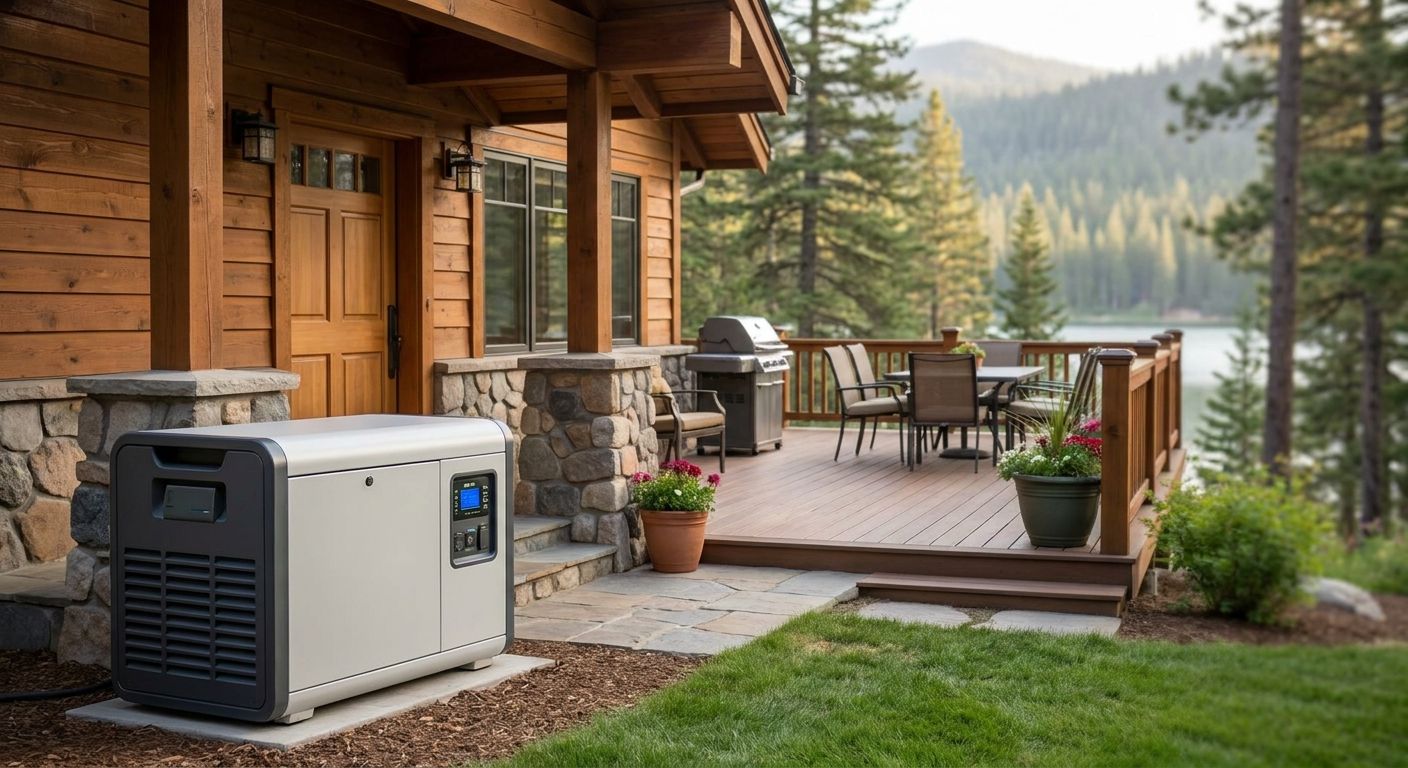
22kW air-cooled standby - the entry point. Runs about 150 amps of managed load with a load-management module attached. Fine for a smaller all-electric home under 2,200 square feet without an EV charger. Consider - works if you pair it with load shedding, but has zero headroom for future EV charging.
26-27kW air-cooled - the sweet spot. This size handles a 3-ton heat pump, electric water heater, and range simultaneously without load management in most 2,500-3,200 square foot homes. Buy - this is the size most all-electric homes in Fairhope and Daphne land on after a proper load calculation.
48kW liquid-cooled - the workhorse. Built for larger all-electric homes over 3,500 square feet or homes running dual HVAC zones plus an EV charger. Liquid-cooled units also run quieter for longer duty cycles than air-cooled units at this size. Buy - right choice if you've got two heat pumps or a Level 2 EV charger on the same panel.
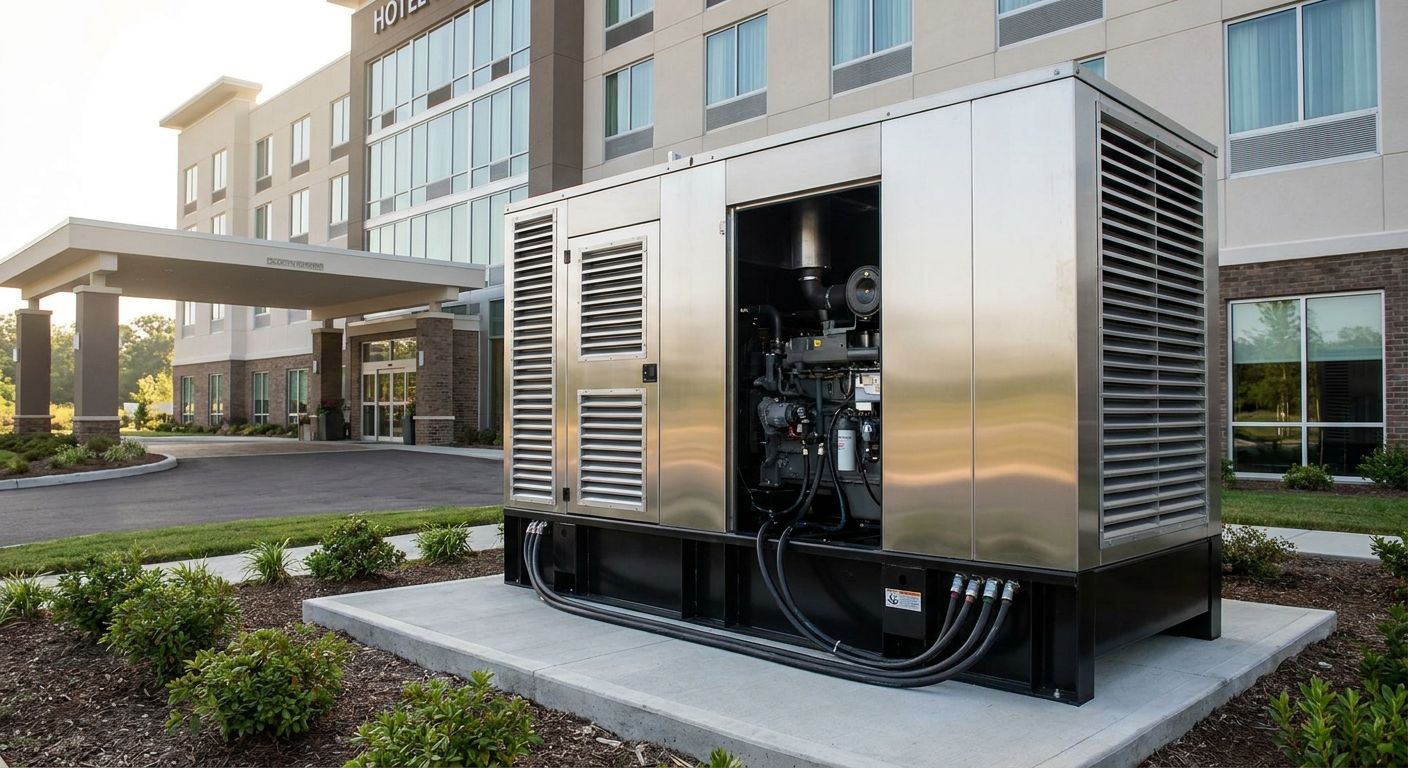
60kW+ liquid-cooled commercial-grade - the overkill pick, but right for some. This class is built for homes over 5,000 square feet or properties running a pool heat pump alongside the house load. Consider - skip it unless your load calculation actually shows you need it; oversizing wastes propane on partial-load inefficiency.
14-16kW builder-grade unit - the wildcard, and usually the wrong one. Marketed heavily as a budget standby option but sized for gas-assisted homes, not all-electric ones. Skip for any fully electric home - it will not start a heat pump compressor and an electric water heater at the same time.
What to avoid
- Undersized "whole-home" marketing claims. A generator labeled "whole-home" at 14kW was rated for a gas-assisted house, not an all-electric one - check the actual kW rating and starting-load math before trusting the label.
- Portable inlet-only setups. A manual transfer switch with a portable generator can't carry a heat pump and electric water heater simultaneously, and it requires you to be home to switch it over during a storm.
- Skipping the load calculation. Installers who quote a size without pulling your actual panel schedule and appliance wattages are guessing - insist on a load calc before signing.
Verdict comparison
| Generator class | Handles all-electric HVAC + water heater | Needs load management | Verdict |
|---|---|---|---|
| 14-16kW builder-grade | No | N/A | Skip |
| 22kW air-cooled | Marginal | Yes | Consider |
| 26-27kW air-cooled | Yes | Optional | Buy |
| 48kW liquid-cooled | Yes, plus EV charging | No | Buy |
| 60kW+ commercial-grade | Yes, oversized for most homes | No | Consider |
Get your home load-calculated
A proper generator installation for all electric homes starts with a real load calc, not a guess.
FAQ
What size generator do I need for an all-electric home?
Most all-electric homes need 24kW to 26kW minimum, versus 14-16kW for a gas-assisted home. Homes over 3,500 square feet or with dual HVAC zones and an EV charger typically need 48kW or larger.
Is propane or natural gas better for standby generator installation for all electric homes?
Propane is the standard fuel choice in Baldwin County since most areas aren't on natural gas lines. A 500-gallon tank runs a 24kW unit for roughly 4-5 days at continuous full electric load.
Can a smaller generator run a whole all-electric house?
Yes, with a load management module that staggers high-draw appliances like the heat pump and water heater so they don't run simultaneously. This lets a 26kW unit cover loads that would otherwise need 48kW.
How much does whole-home generator installation cost for an all-electric house in 2026?
Costs vary by kW size, fuel line work, and permitting in each municipality, so get a load calculation and site-specific quote rather than relying on a generic estimate for 2026.
Do I need a bigger transfer switch for an all-electric home?
Not necessarily - a 200A switch paired with load management often outperforms a 400A switch without it. Switch amperage should match your home's actual service size, not the generator's peak rating.
Will a generator run my heat pump and electric water heater at the same time?
A 26-27kW unit sized correctly can run both simultaneously in most homes under 3,200 square feet. Smaller units need load management to stagger the two loads instead of running them together.
Is Generac or Kohler better for an all-electric home?
Both brands build load-management-capable units suited to all-electric homes; the right pick depends on your specific kW sizing and load calculation, not brand alone.
How often should an all-electric home run its generator during hurricane season?
Run time depends on outage length, but all-electric homes tend to run generators more hours per outage than gas-assisted homes since there's no gas furnace to offset electric load.
One last thing
The kW number on the spec sheet is the least useful piece of information for an all-electric home - the starting-load math for your specific heat pump and water heater combination decides whether a generator actually holds the panel during a 2026 outage. Get the load calculation done before you pick a size, not after.