Pouring the wrong pad costs you a failed inspection, a generator that won't sit level, and a second concrete truck. Here's how to prepare a generator installation site and concrete pad correctly the first time in 2026, from clearance rules to cure time.
- A 4-inch reinforced concrete pad on 4 inches of compacted #57 gravel handles most 20kW-26kW standby units in 2026.
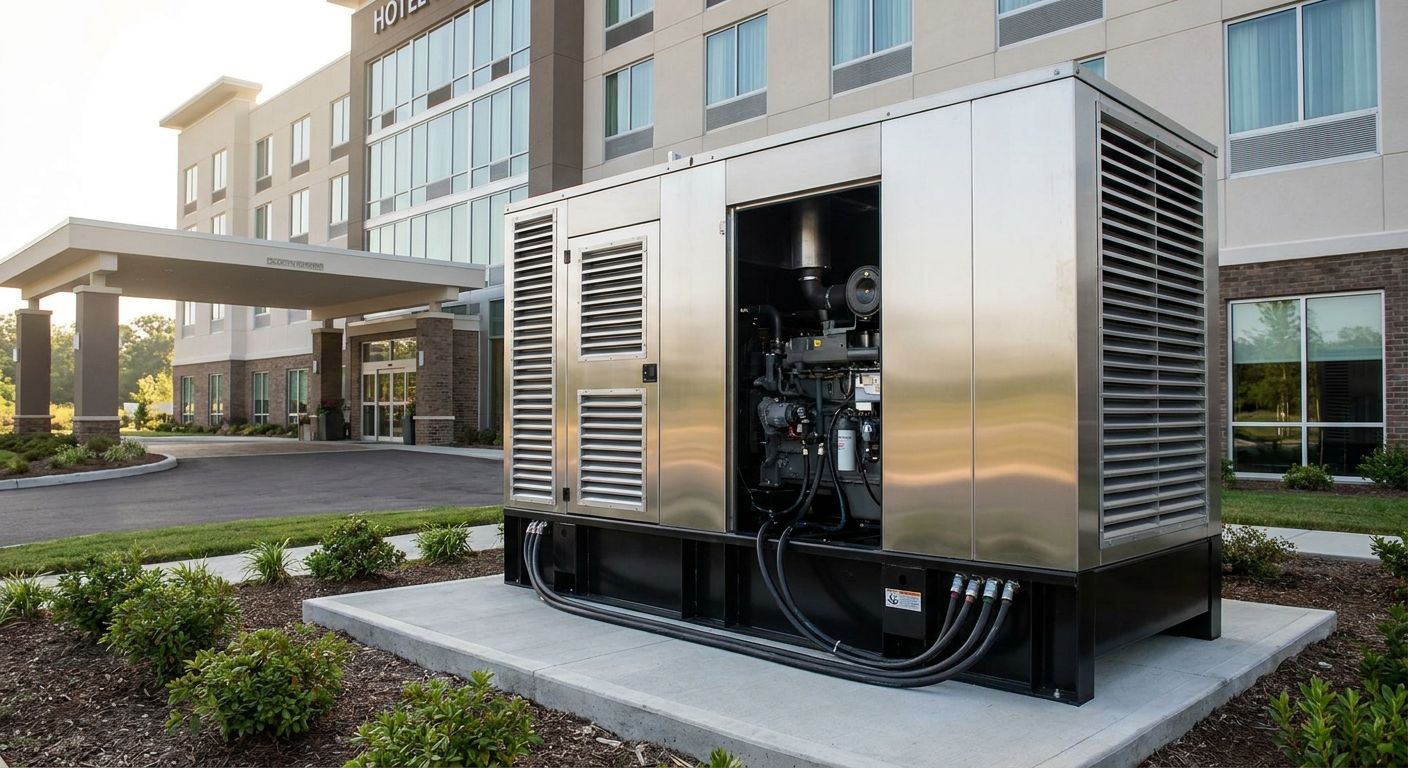
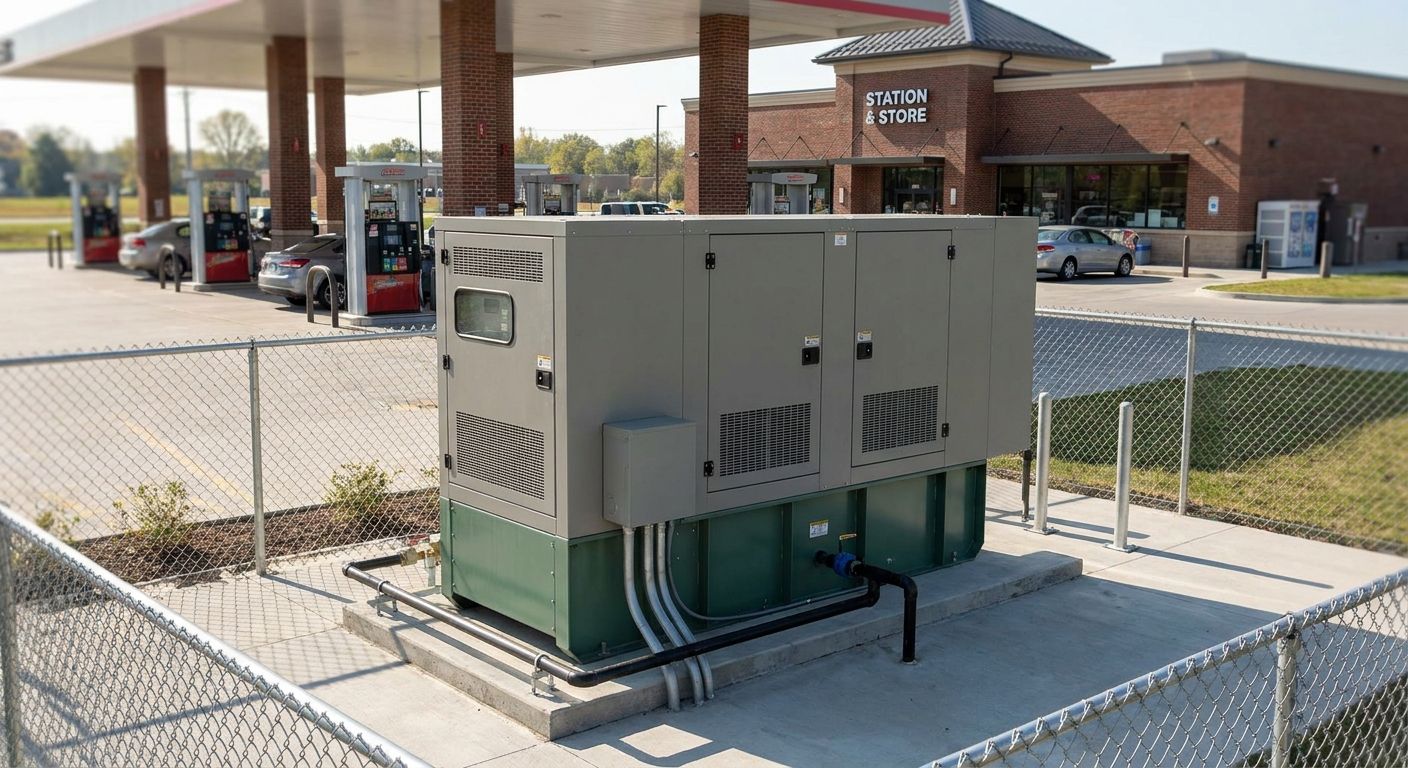
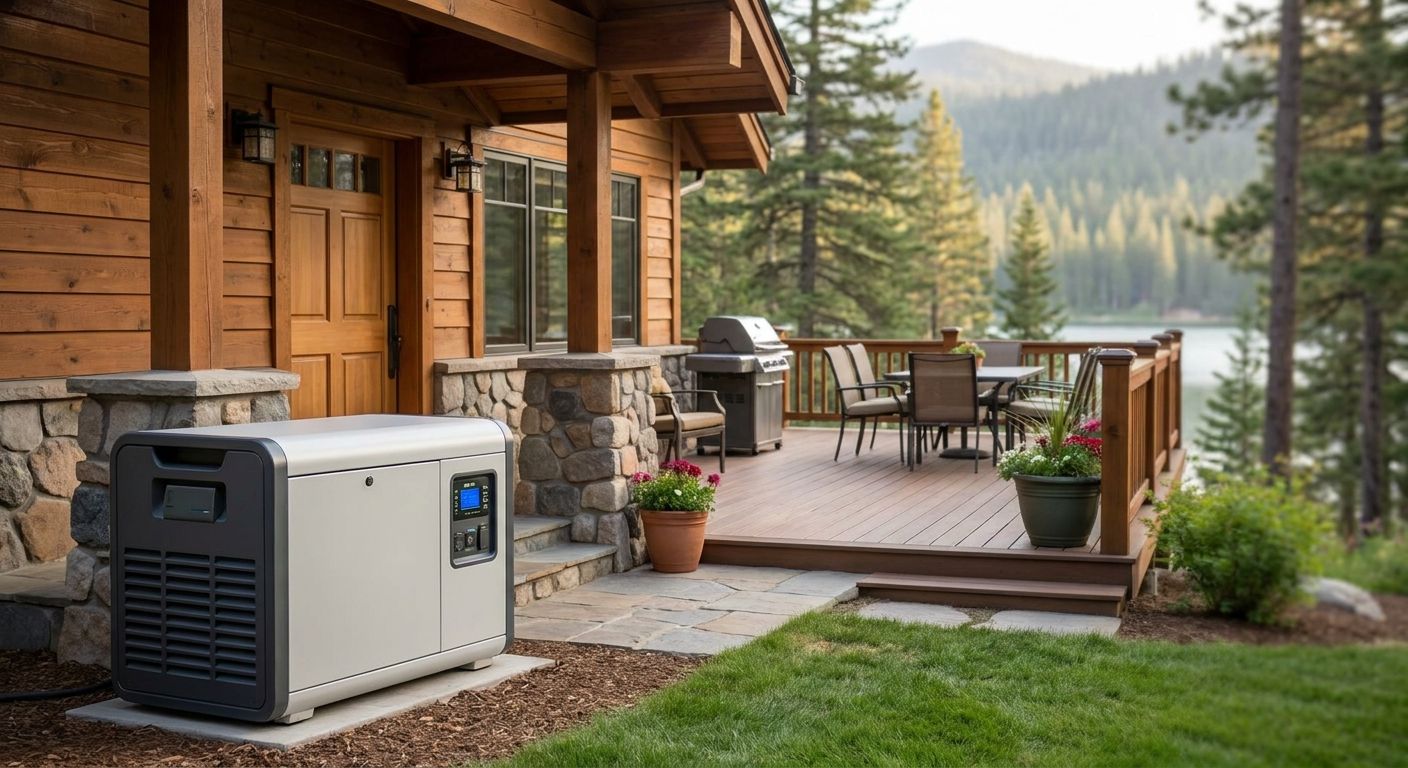
- Kohler and Generac both require 18-36 inches of clearance from walls, windows, and dryer vents - check your model's spec sheet before you dig.
- Coastal Baldwin County sites in flood zones need the pad elevated to or above base flood elevation before pouring - pull the permit first.
- Cure concrete 24-48 hours minimum before setting the unit; setting early causes the pad to crack under vibration load.
Why this matters
A standby generator is a 300-500 pound piece of vibrating equipment that runs unattended during a storm, often for days. If the pad shifts, cracks, or pools water, the unit tilts, the exhaust routes wrong, and the warranty on brands like Kohler, Generac, Honeywell, and Briggs & Stratton can get voided over an improper foundation. Coastal Alabama adds a second problem: sandy soil, high water tables, and flood zone rules in towns like Fairhope, Foley, and Gulf Shores that inland installers never have to think about. Getting the site prep and concrete pad right the first time is what separates a generator that starts every time in 2026 from one that trips on its first storm.
What you'll need
- Local building permit (required in most Baldwin County municipalities before excavation)
- Manufacturer clearance spec sheet for your model - Kohler, Generac, Honeywell, or Briggs & Stratton all publish exact distances
- Shovel, tamper or plate compactor, and a 4-foot level
- 3-4 inches of crushed #57 gravel for the base layer
- Precast composite pad (GenTile or similar) or ready-mix concrete plus rebar/wire mesh for a poured pad
- Stakes and string line for marking the footprint
- A licensed electrician on standby for conduit rough-in
If you're not sure which pad type fits your unit, a licensed installer at Baldwin County Generators can confirm the footprint and code requirements for your specific model before you buy materials.
The steps
1. Pull the permit and check flood zone status
Most cities in Baldwin County - Daphne, Fairhope, Foley, Gulf Shores - require an electrical and building permit before a standby generator pad goes in. Skip this step and inspectors can make you tear out a finished pad. If the property sits in a FEMA flood zone (common near the coast), the pad often needs to sit at or above base flood elevation, which can mean building up the site with fill dirt before you excavate. Common mistake: assuming inland setback rules apply near the water - coastal parcels almost always have stricter elevation requirements.
2. Locate the site using manufacturer clearances
Every generator brand publishes minimum clearances from windows, doors, dryer vents, and combustible walls - typically 18 to 36 inches depending on kW size and brand. Mark the spot with stakes and string, keeping the unit away from downspouts and low spots where water pools after rain. Common mistake: placing the unit close to a window for "convenience" - code inspectors will flag exhaust proximity to any operable window in 2026 inspections just as they did before.
3. Excavate to the right depth
Dig out an area roughly 3 inches larger than the generator's footprint on every side, to a depth of 6-8 inches total (allowing for gravel plus pad thickness). Remove all topsoil, roots, and organic material - anything that decomposes under the pad creates settling later. Expected outcome: a level, compacted subgrade with no soft spots when you walk across it.
4. Compact a gravel base
Spread 3-4 inches of crushed #57 gravel across the excavated area and compact it with a plate compactor, working in thin lifts rather than one thick pour. This layer drains water away from the pad and keeps sandy Gulf Coast soil from shifting under the concrete. Common mistake: skipping compaction and just raking gravel flat - uncompacted gravel settles unevenly within the first year and cracks the slab above it.
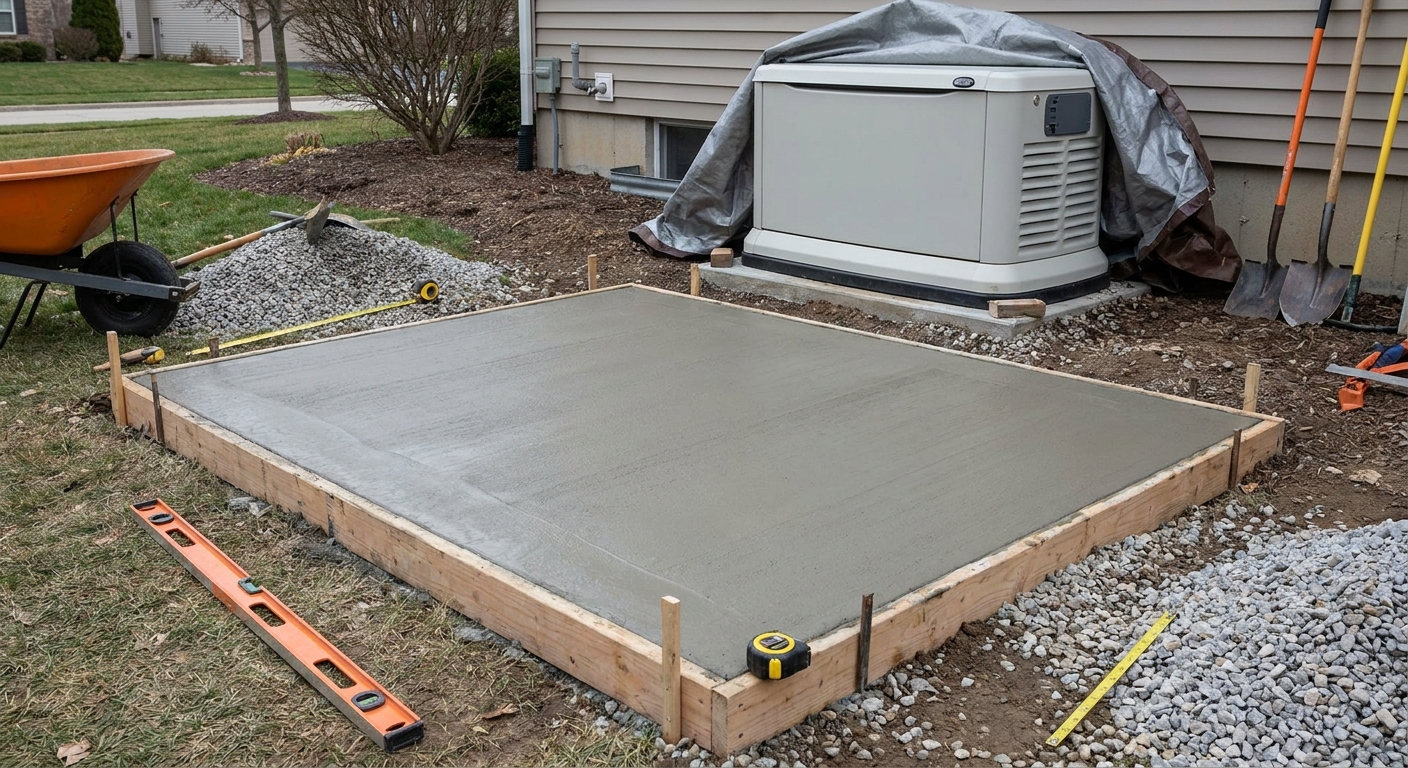
5. Form and pour the concrete pad
Build a wood form to the exact footprint, add rebar or 6x6 wire mesh at the mid-depth of the pour, then pour a 4-inch minimum slab of ready-mix concrete. Slope the surface about 1/8 inch per foot so rainwater sheds away from the unit instead of pooling under it. If you'd rather skip the pour, a precast composite pad rated for the same load works and installs in under an hour. Expected outcome: a flat, cured slab within 1/4 inch of level across its full surface.
6. Cure before setting anything on it
Let a poured pad cure a minimum of 24-48 hours before setting the generator, and closer to 7 days before it bears full operating vibration load. Setting the unit early is the single most common cause of hairline cracks that widen over a Baldwin County summer of heat cycling. Common mistake: rushing installation day because the crew is already on-site - a cracked pad means a second pour and a rescheduled inspection.
7. Rough in electrical and fuel conduit
Coordinate with your electrician to stub conduit for the transfer switch connection and, if running natural gas or propane, the fuel line penetration point, before the pad is fully set if using a poured slab with embedded sleeves. This avoids drilling through cured concrete later, which weakens the pad's load rating. Expected outcome: conduit and fuel stub-ups positioned exactly where the generator's connection points will sit.
8. Final level check and inspection
Before the unit ever gets bolted down, recheck level in both directions with a 4-foot level and confirm the pad meets the permit's approved clearances. Schedule your municipal inspection before covering any conduit trenches. Expected outcome: a signed-off pad ready for generator set day with zero rework.
Get your pad specs confirmed
A licensed electrician can verify clearances and permit requirements before you dig.
Troubleshooting
- Pad settles or tilts after a few months - the gravel base wasn't compacted enough; the fix usually means jacking the pad, adding compacted fill underneath, and re-shimming.
- Standing water pools around the unit - the 1/8-inch-per-foot slope was never built in; regrade the surrounding soil or add a French drain along the low side.
- Concrete cracks within the first year - most often caused by skipping rebar/mesh or setting the unit before full cure; hairline cracks under 1/8 inch are cosmetic, anything wider needs a structural review.
- Permit inspection fails on clearance - remeasure against the exact manufacturer spec sheet, not a generic industry rule of thumb; Kohler and Generac clearances differ by kW size.
- Unit won't sit level on a precast pad - check that the gravel base itself is level before setting the pad; precast pads don't self-correct for an uneven subgrade.
- Fuel line conduit misaligned with the unit's inlet - this happens when rough-in is done from a generic template instead of the actual unit's connection diagram; confirm dimensions against the specific model before pouring.
Tools and resources
- Plate compactor (rental available at most Baldwin County equipment yards)
- 4-foot level and mason's string line
- Manufacturer clearance sheet for Kohler, Generac, Honeywell, or Briggs & Stratton
- Local building department contact for Daphne, Fairhope, Foley, or Gulf Shores permitting
- A licensed electrical contractor for the transfer switch and conduit rough-in
What to do next
Once the pad is cured and inspected, the next decision is sizing - a pad built for a 20kW unit won't necessarily fit a 26kW model's footprint or clearance rules. Confirm the exact generator size and brand before the concrete truck shows up, not after.
FAQ
How thick should a generator concrete pad be?
A generator concrete pad should be a minimum of 4 inches thick for most 20kW-26kW residential standby units in 2026. Larger commercial units may require 6 inches with heavier rebar reinforcement.
Can I use a precast pad instead of pouring concrete?
Yes, a precast composite pad works for most residential standby generators and installs in under an hour instead of a multi-day pour-and-cure cycle. It still needs a compacted gravel base underneath to perform correctly.
How far does a generator need to be from my house?
Clearance ranges from 18 to 36 inches from windows, doors, and walls depending on the manufacturer and kW size. Kohler and Generac each publish exact distances on their installation spec sheets.
Do I need a permit to install a generator pad in Baldwin County?
Most municipalities in Baldwin County, including Daphne, Fairhope, Foley, and Gulf Shores, require a permit before excavation and a final inspection before the unit is energized. Skipping the permit can force a completed pad to be removed.
How long does concrete need to cure before setting a generator?
Concrete needs 24 to 48 hours minimum before a generator can be set on it, and closer to 7 days before it should bear full operating vibration load. Setting the unit early is the leading cause of pad cracking within the first year.
Does a coastal Alabama flood zone affect pad placement?
Yes, properties in FEMA flood zones near Gulf Shores and Foley often require the pad elevated to or above base flood elevation before pouring. This usually means adding compacted fill before excavation starts.
What gravel base is best under a generator pad?
A 3 to 4 inch layer of compacted #57 crushed stone is standard under both poured and precast generator pads. It handles drainage and prevents settling in sandy Gulf Coast soil.
Can I pour the pad myself or do I need a contractor?
A homeowner can pour the pad, but the electrical rough-in, transfer switch connection, and final inspection require a licensed electrician in most Baldwin County jurisdictions. Coordinating both trades before the pour avoids drilling through cured concrete later.
One last thing
The detail most homeowners miss in 2026 isn't the pad thickness - it's the slope. A perfectly poured 4-inch slab that sits dead level instead of sloping 1/8 inch per foot will pool water against the generator's base every time it rains, and that standing water is what corrodes mounting hardware years before the engine itself has any problems.