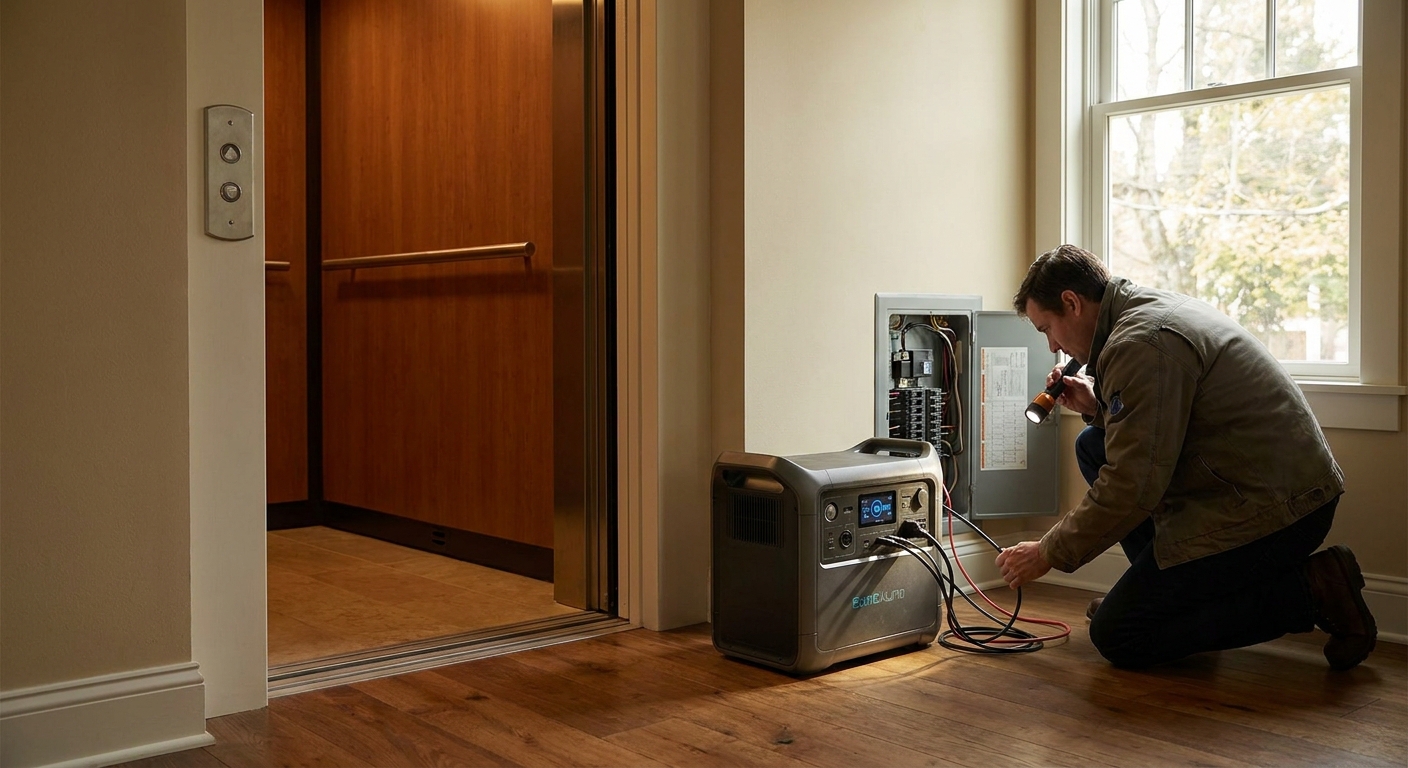
A home elevator will not run on a portable generator and a power strip. It needs a properly sized standby generator, a dedicated transfer switch, and a plan built before hurricane season - not during it.
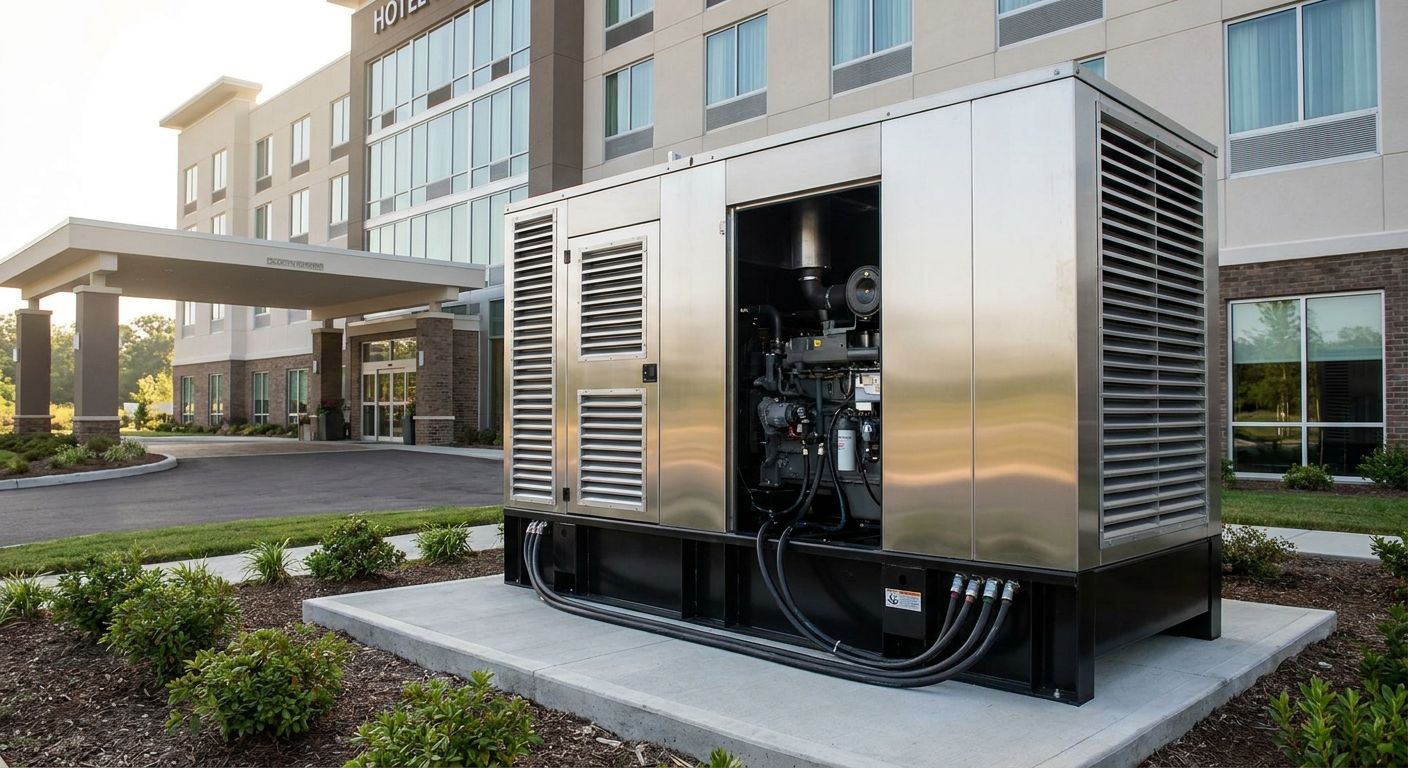
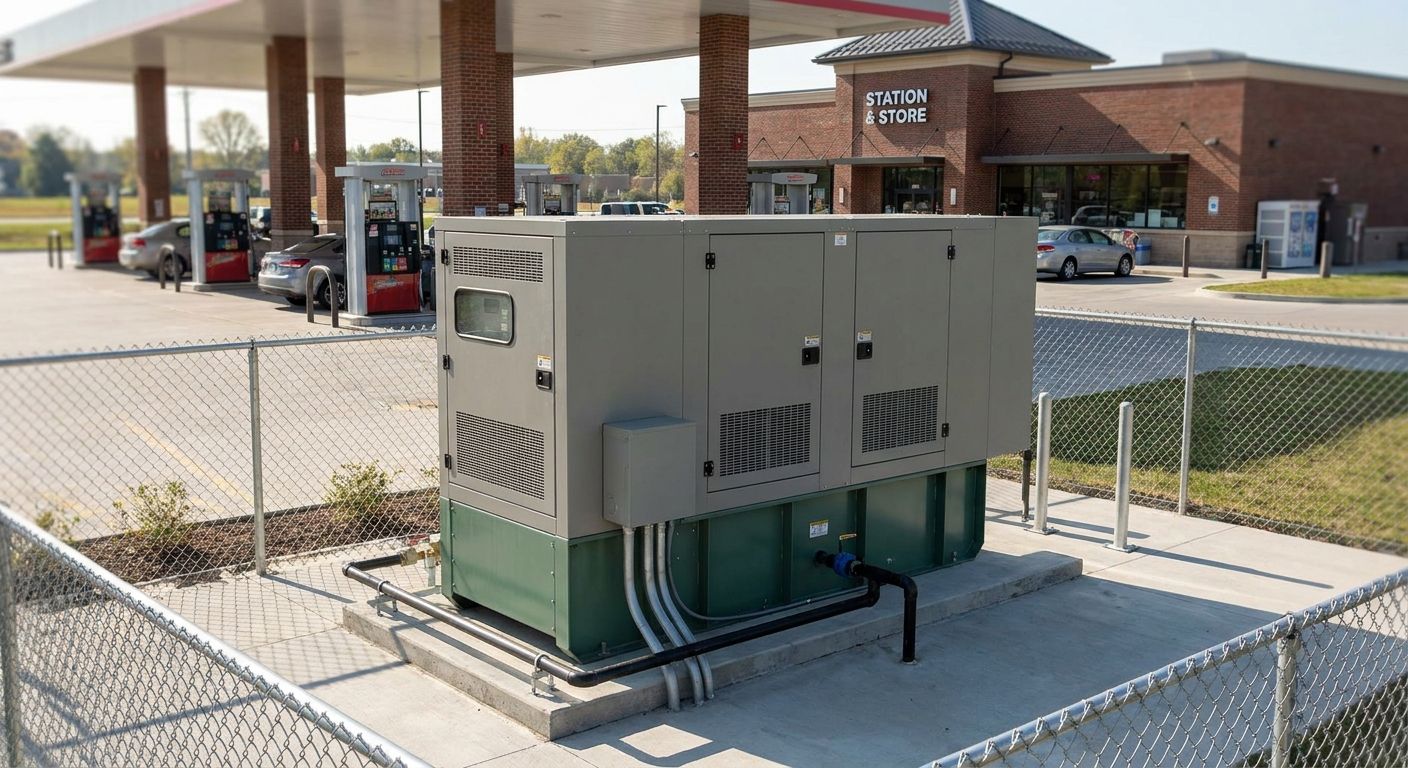
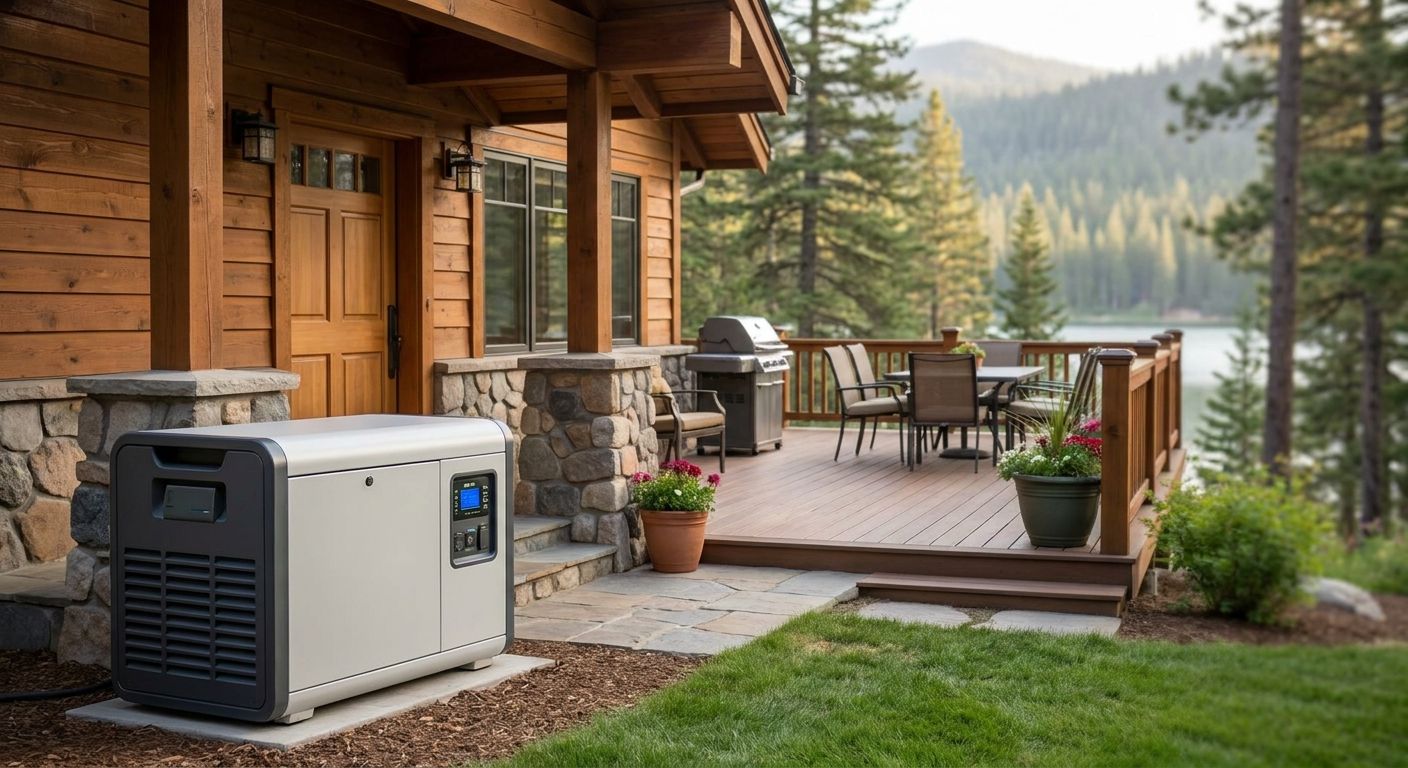
- A 22kW to 26kW whole-home standby generator with an automatic transfer switch is the only reliable way to power a home elevator during an outage in 2026.
- Elevator motors draw 3-5 kW running but spike to 8-10 kW on startup, which stalls undersized portable generators.
- Buy verdict: skip portable units for elevator circuits, install a whole-home standby system sized for the full electrical panel.
- Test the elevator under generator load before June, when coastal Alabama storm season starts.
Why this matters
An elevator stuck mid-floor during a power outage is not an inconvenience - it is a safety problem, especially for homeowners who installed the elevator for mobility reasons in the first place. Hydraulic and traction elevators both need continuous, stable power to run the motor and the control board, and a flickering or undersized supply can strand the cab between floors.
Coastal Alabama sees extended outages every storm season, from Daphne to Fairhope to Foley to Gulf Shores. A generator that can run the refrigerator and a few lights is not the same as a generator that can run an elevator, HVAC, well pump, and lighting circuits at once. Sizing has to account for everything on the panel, not just the elevator.
What you'll need
- A whole-home standby generator sized to your full electrical load, typically 22kW to 26kW for a house with an elevator
- An automatic transfer switch (ATS) rated for the generator and wired by a licensed electrician
- A dedicated or clearly mapped circuit for the elevator motor and control panel
- A fuel source with enough supply for a multi-day run - propane or natural gas for most standby units
- A maintenance contract or self-check routine so the unit starts on the first try
- Manufacturer documentation for your elevator's motor draw (check the equipment nameplate or installer invoice)
The steps
1. Pull the actual power draw for your elevator
Check the nameplate on the elevator's motor unit or call the elevator installer for the running and starting amperage. Most residential hydraulic elevators draw 3 to 5 kW running and spike to 8 to 10 kW on startup because the motor has to overcome the full weight of the cab from a dead stop. That startup spike is what trips undersized generators, not the running load.
Common mistake: homeowners size a generator off the running wattage only and get blindsided when the elevator won't start at all.
2. Size the generator for the whole panel, not just the elevator
Add the elevator's starting load to everything else that needs to run at the same time - HVAC compressor, well pump, refrigerator, lighting circuits. For most Baldwin County homes with an elevator, that lands in the 22kW to 26kW range for a whole-home standby unit. This is not a job for a portable generator; the surge alone can exceed what a 5,000-watt or 7,500-watt portable can deliver.
3. Install an automatic transfer switch that includes the elevator circuit
The ATS senses the outage and switches the house from utility power to generator power automatically, usually within 10 to 30 seconds. If the elevator circuit was added to the house after the original electrical panel was set up, verify the ATS panel schedule includes it - some retrofits miss the elevator circuit entirely and it stays dead during an outage even with the generator running.
4. Confirm the load management settings, if your panel has them
Some standby generator systems use load management modules that shed non-essential circuits (like a second AC unit) to protect the elevator and other critical loads. If your generator was sized tight, verify the elevator circuit is on the priority list, not the sheddable list. A licensed electrician can check this in under an hour.
5. Test the elevator under generator power before storm season
Run a full cycle test: kill utility power at the main breaker, let the generator start and transfer, then run the elevator up and down twice while the HVAC and well pump are also running. This is the only way to catch an undersized system before you actually need it during an outage. Do this test by May, ahead of the June 1 start of hurricane season.
Common mistake: testing the generator alone without running the elevator, which hides sizing problems until the storm hits.
6. Set a maintenance schedule so the unit starts cold
Standby generators that sit idle for months develop starting issues - stale fuel, weak batteries, clogged filters. Run a self-test cycle weekly (most units do this automatically) and schedule a professional service check at least once a year, ideally each spring before storm season ramps up.
7. Plan fuel supply for multi-day outages
Propane and natural gas units can run for days as long as the supply line stays intact, but confirm your propane tank size against expected run time if you're on a standalone tank rather than a utility gas line. A 22kW unit running the elevator plus a full house load will draw down a small propane tank faster than most homeowners expect.
Get your elevator generator sized right
Licensed electricians sizing whole-home standby generators across coastal Alabama.
8. Add a failsafe for mid-outage transfer gaps
Most ATS units transfer in 10 to 30 seconds, but that gap can leave an elevator cab stalled between floors for a moment. Confirm your elevator has a battery-backed emergency lowering device - most modern hydraulic elevators include this, but older installs sometimes don't. This is separate from the generator and worth checking with your elevator manufacturer directly.
Troubleshooting
Elevator won't start on generator power at all. Almost always an undersized generator missing the startup surge. Recheck the nameplate amperage and compare it against your generator's surge rating.
Generator runs fine but the elevator breaker trips. Usually a wiring or load management issue, not a generator problem. Have an electrician check whether the elevator circuit is getting full voltage during transfer.
ATS doesn't transfer when utility power drops. Check the ATS battery - these switches run on a small backup battery that needs replacement every 5 to 7 years, and a dead ATS battery means no automatic transfer at all.
Generator won't start after sitting idle for months. Stale fuel or a weak starting battery. This is what the weekly self-test cycle is supposed to prevent - if it's been skipped, get a service check before storm season, not during it.
Elevator moves slowly or stalls mid-travel on generator power. Voltage sag under load, usually tied to an undersized unit or a panel overloaded with too many simultaneous circuits. This is a sizing problem, not an elevator problem.
Tools and resources
- Elevator motor nameplate or installer documentation for exact amperage draw
- A licensed electrician for ATS panel scheduling and load management setup
- A generator maintenance contract for annual service and battery checks
- Baldwin County Generators for whole-home standby generator sizing, installation, and repair across Daphne, Fairhope, Foley, and Gulf Shores
What to do next
Get the elevator's motor draw in writing before calling anyone about generator sizing - that number decides whether you need 22kW or 26kW, and guessing wrong means paying for a system that stalls the elevator on the first real outage of 2026.
FAQ
Can a portable generator run a home elevator?
No, most portable generators can't handle the 8 to 10 kW startup surge a residential elevator motor needs. A whole-home standby generator in the 22kW to 26kW range is the standard fix for 2026 installs.
How many kW does a home elevator need?
A residential elevator motor typically runs at 3 to 5 kW but spikes to 8 to 10 kW on startup. Size the whole-home generator around the startup spike plus every other circuit running at the same time.
How much does a whole-home generator cost for a house with an elevator?
Cost depends on the generator size, fuel type, and installation complexity, and pricing varies by property and panel setup. Get a site-specific quote rather than relying on a national average.
Do I need an automatic transfer switch for an elevator generator setup?
Yes, an automatic transfer switch is required to move the house from utility power to generator power without manual intervention. Without it, the elevator and the rest of the house stay dead during an outage even with the generator running.
How long can a standby generator run an elevator during a storm outage?
A propane or natural gas standby generator can run for days as long as fuel supply holds, which is longer than most portable units. Check your tank size against expected run time before storm season.
What happens if the elevator stalls between floors during a power failure?
Most modern hydraulic elevators include a battery-backed emergency lowering device that brings the cab to the nearest floor. Confirm this feature exists on older installs, since it's separate from the home's generator system.
Is a natural gas or propane generator better for an elevator setup?
Natural gas offers unlimited runtime as long as the utility line stays intact, while propane depends on tank size. Homes without a natural gas line typically size a propane tank around expected multi-day outage length.
How often should a standby generator be tested if it powers an elevator?
Run the built-in weekly self-test and schedule a full professional service check at least once a year, ideally each spring. Test the elevator itself under generator load before hurricane season starts on June 1.
One last thing
The number that gets missed most often isn't the generator's kW rating - it's the ATS battery. A dead transfer switch battery means the generator can be perfectly sized and still never kick on, because the switch that's supposed to sense the outage and flip the house over has no power of its own. Check that battery every time the generator gets serviced, not just when something fails.