Planning generator backup power for a home business means matching a standby unit to the exact loads that keep you making money -- computers, coolers, POS systems, medical equipment, or shop tools -- not just buying whatever size a big-box store has in stock. Get the sizing and installation sequence wrong and you'll either overpay for capacity you never use or watch your business go dark during the next coastal Alabama storm.
- Sizing a generator for a home business means adding up running watts first, starting watts second -- most home offices need 10,000-15,000 running watts.
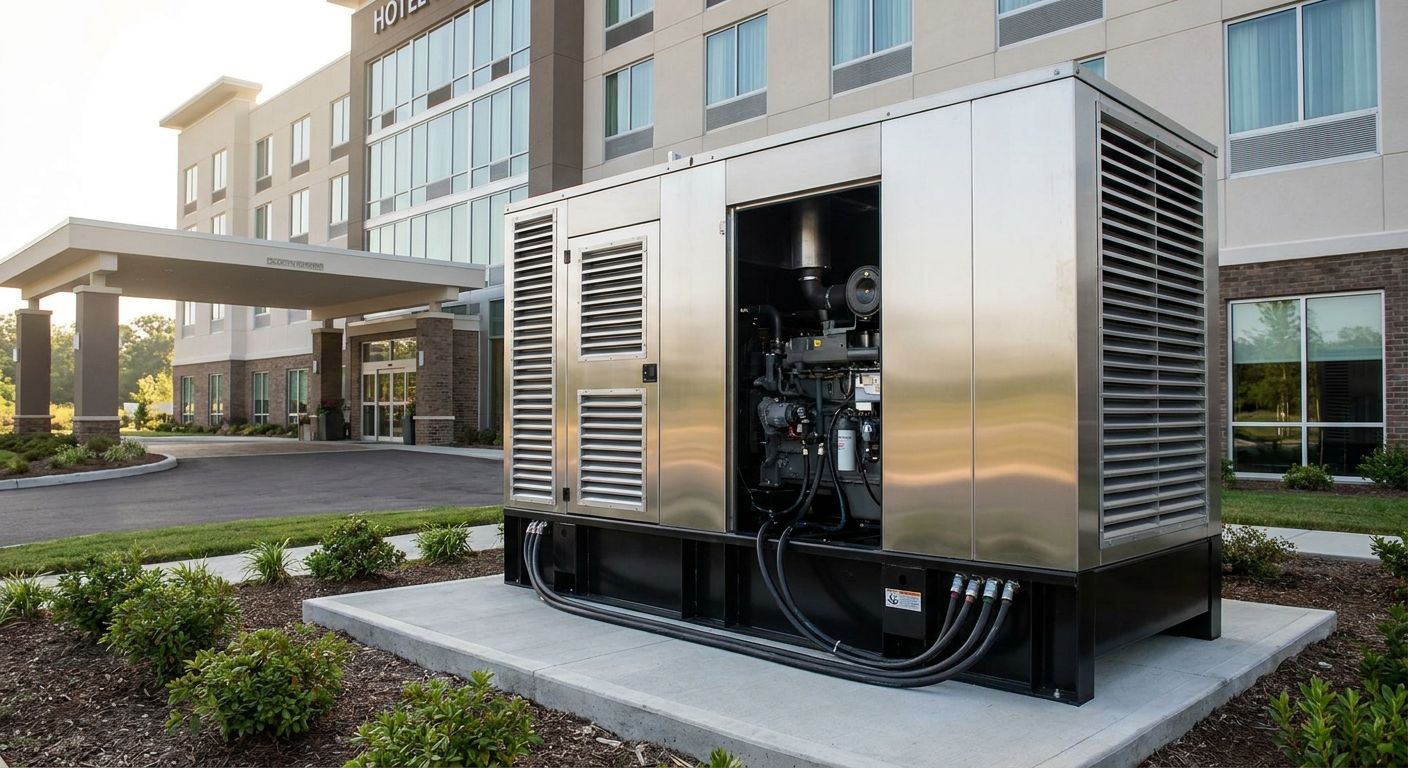
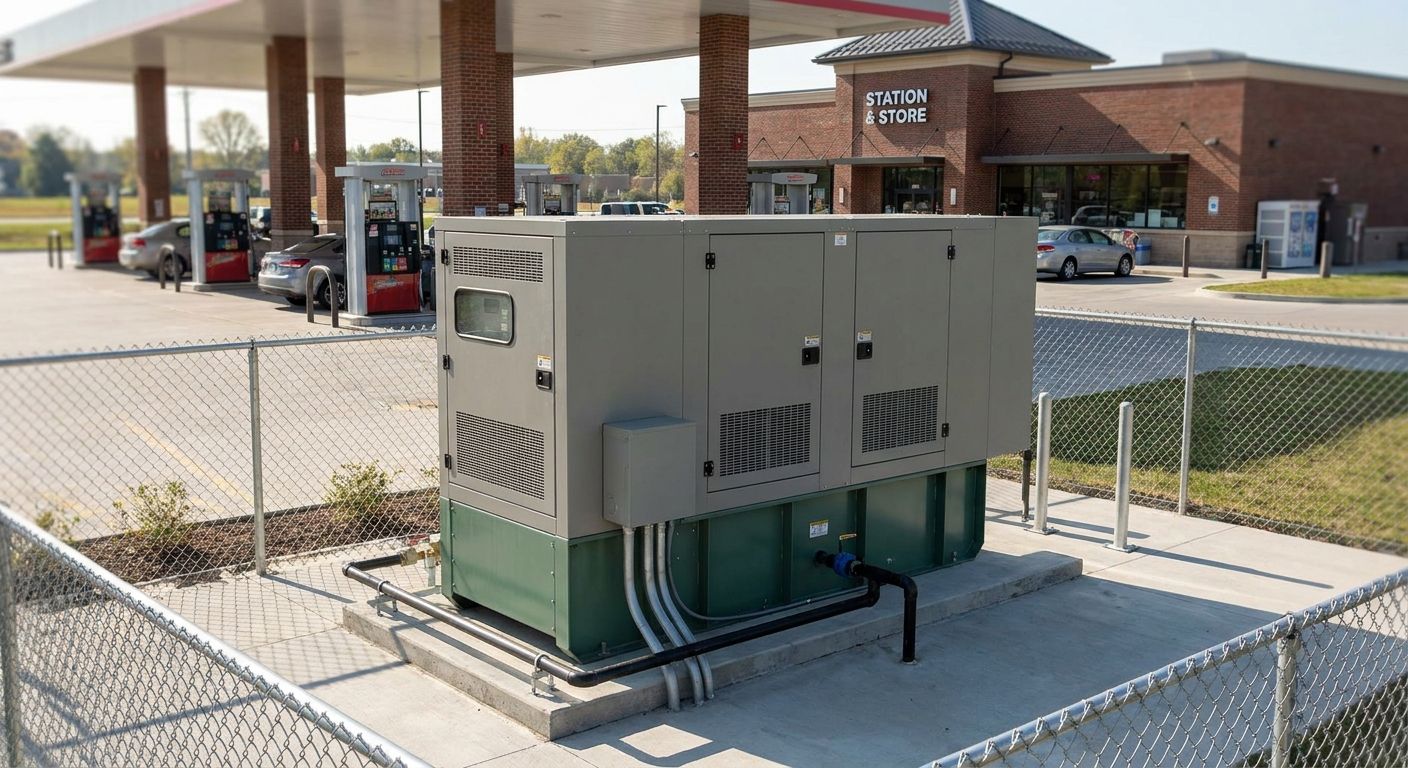
- A 22kW to 26kW standby unit covers most single-operator home businesses in 2026; larger shops with refrigeration or HVAC need 30kW-48kW.
- Hurricane season runs June 1 through November 30 -- schedule installation before May if you're in Baldwin County.
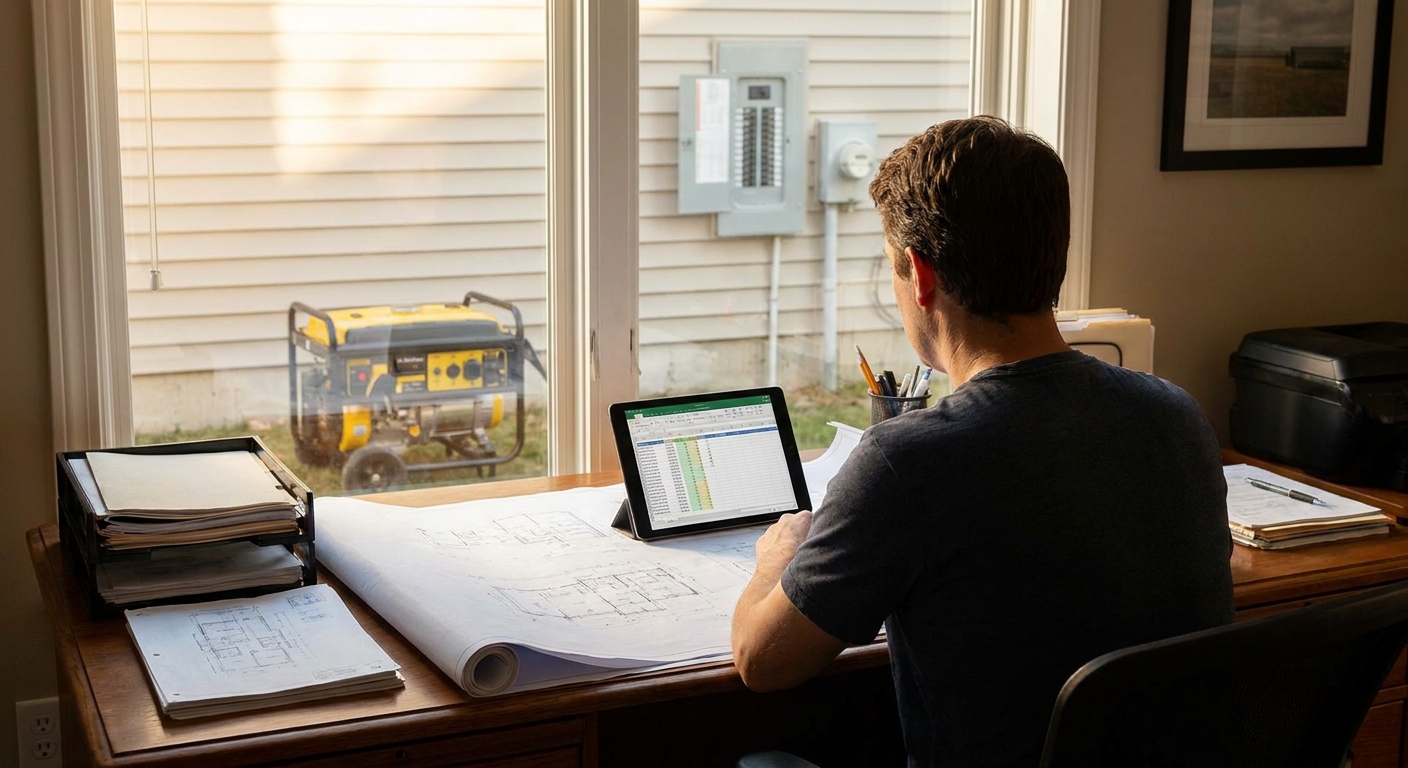
- Skip portable generators for any business with servers, medical devices, or refrigeration; automatic transfer switches are non-negotiable.
- Baldwin County Generators handles licensed sizing, permitting, and installation for Daphne, Fairhope, Foley, and Gulf Shores home businesses.
Why this matters
A home business doesn't get a grace period during an outage the way a household does. Lost refrigeration means spoiled inventory. A dead router means missed client calls. A shut-down POS system means no sales until the power company gets to your street -- and after a named storm, that can take days, not hours.
Coastal Alabama utilities routinely report multi-day restoration windows after tropical systems, and 2026's hurricane season runs the same June-through-November window it always has. If your income depends on continuous power, planning backup capacity is a business decision, not a home-improvement project. Baldwin County Generators sizes and installs standby systems built around what a business actually needs to keep running, not a one-size-fits-all household unit.
What you'll need
- A load list: every device, appliance, and piece of equipment that must stay on during an outage
- A watt count for each item (running watts and starting/surge watts)
- Your electrical panel's amperage rating (100A, 150A, or 200A)
- Fuel decision: propane, natural gas, or diesel, based on what's already run to your property
- A quote from a licensed electrical contractor for sizing, permitting, and transfer switch installation
- 1-3 days of lead time for site evaluation, plus permit and inspection scheduling
The steps
1. List every load that has to survive an outage
Walk your home business space and write down every device that can't go dark: computers, monitors, modem/router, POS terminal, coolers, freezers, sump pump, medical equipment, shop tools, and lighting. This list is the entire basis for sizing -- skip an item here and you'll undersize the whole system.
Common mistake: people forget HVAC. A home business without air conditioning in a Gulf Shores summer isn't really "running" even if the computers stay on.
2. Add up running watts, then starting watts separately
Running watts are what a device draws once it's on. Starting watts (or surge watts) are the short spike some motors and compressors pull when they kick on -- refrigeration and AC compressors can spike 2-3 times their running wattage for a few seconds. A typical single-operator home office runs 10,000 to 15,000 watts once refrigeration and a small AC unit are in the mix.
Add your running watts together, then check the single highest starting-watt spike against your generator's surge rating. A generator sized only for running watts will stall the moment a compressor kicks on.
Common mistake: sizing off running watts alone and ending up with a unit that trips or stalls the first time the refrigerator compressor starts.
3. Match wattage to a standby generator size
Once you have a total, match it against standard standby sizes: 22kW-26kW units typically cover 10,000-15,000 watts of combined load, while a shop with heavier refrigeration, multiple AC units, or power tools often needs 30kW to 48kW. Oversizing by a small margin (10-15%) is smart headroom; oversizing by double is wasted equipment cost.
Expected outcome: a specific kW number you can hand to a contractor for a firm quote, not a guess.
4. Decide on fuel source before you pick a model
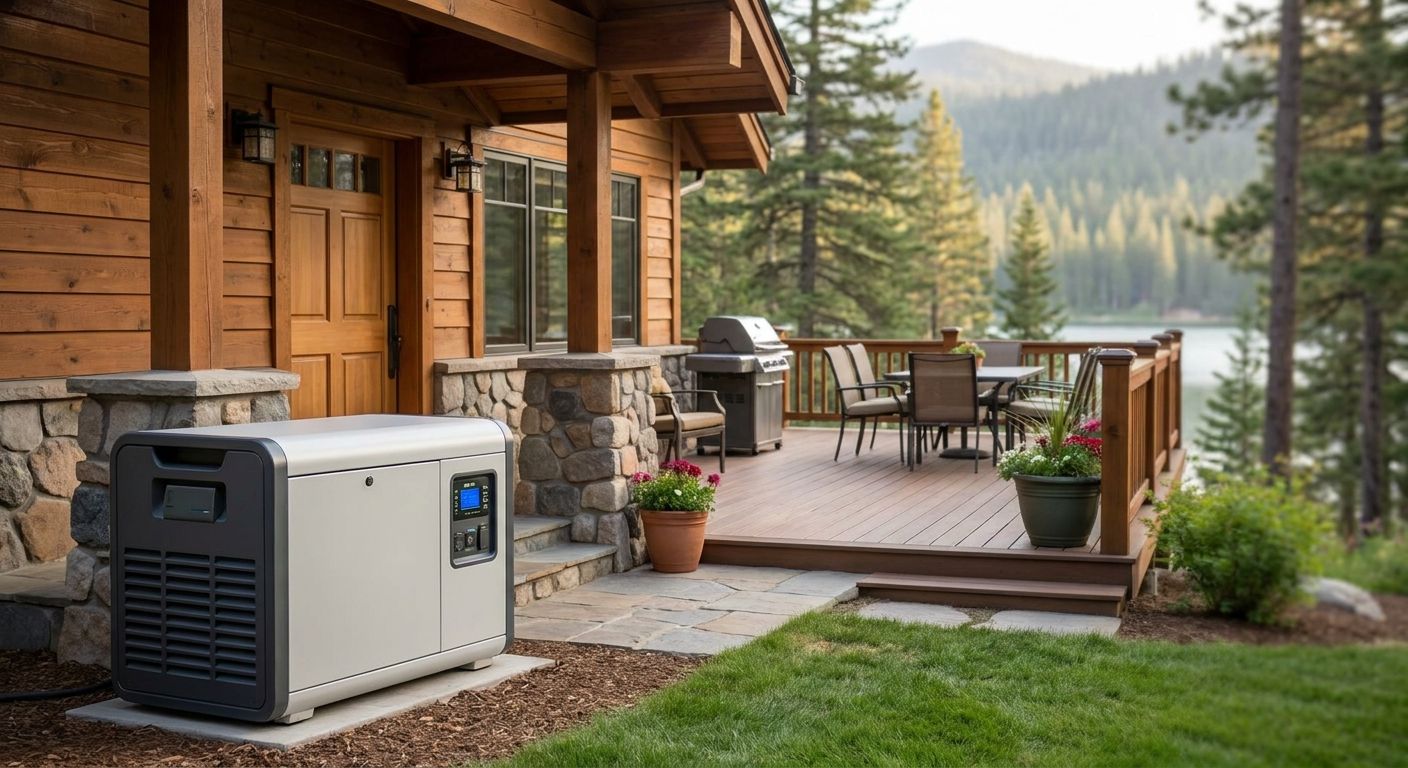
Propane and natural gas units run cleaner and don't need refueling mid-outage if you're tied to a gas line or have a large propane tank on-site. Diesel units offer strong runtime per gallon but need fuel storage and rotation. For most coastal Alabama home businesses, propane is the practical choice because it doesn't degrade in storage the way diesel can over a hot, humid year.
Common mistake: choosing a generator model before confirming what fuel line or tank size the property can actually support.
5. Install an automatic transfer switch, not a manual one
An automatic transfer switch senses an outage and switches your building to generator power in seconds, with no one needing to be on-site. For a home business, this matters more than for a household -- a manual switch means your equipment stays dark until someone physically flips it, which defeats the purpose if you're out when the power drops.
Expected outcome: power restoration to critical circuits within about 10-20 seconds of an outage, with zero action required from you.
6. Confirm your panel and permitting requirements
A licensed electrical contractor needs to verify your panel's amperage (100A, 150A, or 200A) and pull the correct permit before installation. Baldwin County and its municipalities require inspection sign-off on standby generator installs tied to a home's electrical service -- skipping this step can void insurance coverage on the equipment.
Common mistake: hiring an unlicensed installer to save money upfront, then discovering the unit isn't covered under a manufacturer warranty because it wasn't installed to code.
7. Schedule installation before hurricane season starts
Hurricane season runs June 1 through November 30. Contractors across coastal Alabama book up fast starting in April and May as homeowners and businesses scramble ahead of storm season. Plan your install for late winter or early spring in 2026 if you want the unit tested and running before the first named storm threatens the Gulf.
Expected outcome: a fully tested, permitted system in place with weeks of buffer before peak storm risk.
8. Test the system on a schedule, not just when a storm is forecast
Most standby units run a short self-test weekly on their own, but you should manually verify transfer switch operation and check fuel levels every quarter. A generator that hasn't been exercised in months is far more likely to fail exactly when a storm knocks the grid out.
Get your home business sized right
Licensed sizing, permitting, and installation across coastal Alabama.
Troubleshooting
- Generator runs but the business circuits don't switch over -- the transfer switch is likely wired to the wrong sub-panel; have a licensed electrician re-check the load center.
- Unit stalls when refrigeration kicks on -- the generator is undersized for starting watts; recheck your surge calculation from step 2 and consider the next kW size up.
- Fuel runs out mid-outage -- propane tank is undersized for your runtime needs; a 500-gallon tank typically supports several days of continuous run for a 22kW unit, smaller tanks won't.
- Weekly self-test doesn't run -- battery or fuel supply issue; check the control panel error code before assuming the whole unit has failed.
- Generator runs but voltage is unstable, damaging equipment -- sign of an aging unit or incorrect sizing; have equipment tested by a licensed contractor before it damages computers or POS hardware.
- Permit inspection fails -- almost always a clearance or bonding issue; a licensed installer should catch this before the inspector does.
Tools and resources
- A written load list with running and starting watts for every business-critical device
- A licensed electrical contractor for sizing, permitting, and transfer switch installation -- Baldwin County Generators handles Kohler, Generac, Honeywell, and Briggs & Stratton systems across Daphne, Fairhope, Foley, and Gulf Shores
- Confirmation of your panel amperage (100A/150A/200A) before requesting quotes
- A fuel plan: propane tank sizing or natural gas line confirmation
- A quarterly test schedule logged somewhere you'll actually check it
What to do next
Once your load list and kW target are in hand, the next move is a site evaluation with a licensed installer who can confirm panel capacity, fuel logistics, and permitting before committing to a specific unit. Waiting until a storm is in the forecast means competing with every other homeowner and business in coastal Alabama for the same installation slots in 2026.
FAQ
What size generator do I need for a home business?
Most single-operator home businesses need a 22kW to 26kW standby generator, covering 10,000-15,000 running watts. Businesses with heavier refrigeration, multiple AC units, or shop equipment often need 30kW to 48kW.
Is a portable generator enough for a home business?
A portable generator is not enough for any home business running servers, refrigeration, or medical equipment, because it requires manual startup and can't run unattended for hours. A standby generator with an automatic transfer switch restores power in seconds with no one on-site.
How much does it cost to install a standby generator for a home business in 2026?
Installed cost depends on unit size, fuel type, and panel work required, and varies by property -- get a firm quote from a licensed installer rather than estimating from a national average. Sizing, fuel source, and permitting all affect the final number.
When should I install a generator before hurricane season?
Install before May if possible, since hurricane season runs June 1 through November 30 and contractors across coastal Alabama book up fast in the spring. Waiting until a storm is forecast means longer wait times and less availability.
Do I need a permit for a standby generator in Baldwin County?
Yes, standby generator installations tied to a home's electrical service require a permit and inspection in Baldwin County and its municipalities. Skipping this step can also void manufacturer warranty coverage.
What fuel type is best for a home business generator?
Propane is the practical choice for most coastal Alabama home businesses because it doesn't degrade in storage over a hot, humid year the way diesel can. Natural gas works well if a line is already run to the property.
How often should I test my generator?
Most units run a short self-test weekly on their own, but manually check the transfer switch and fuel level every quarter. A generator that hasn't been exercised in months is more likely to fail during an actual outage.
Can one generator run my whole home and business?
Yes, if it's sized for the combined running and starting watts of both the household and business loads. Undersizing to save money upfront is the most common reason systems fail when both sides draw power at once.
One last thing
The single biggest sizing mistake home businesses make isn't running watts -- it's forgetting that a refrigeration or AC compressor's starting surge can be two to three times its running wattage, and that spike is what stalls an undersized unit during the exact moment you need it most.