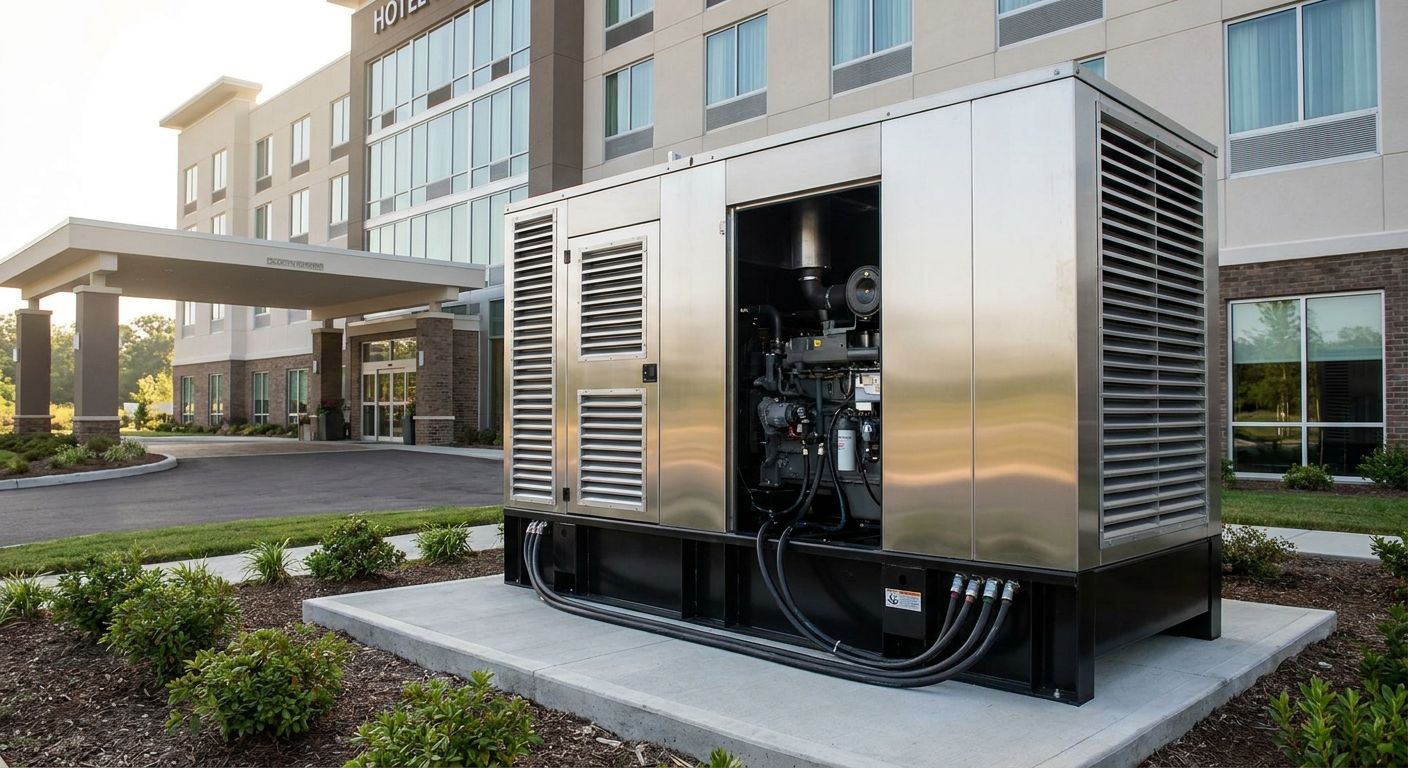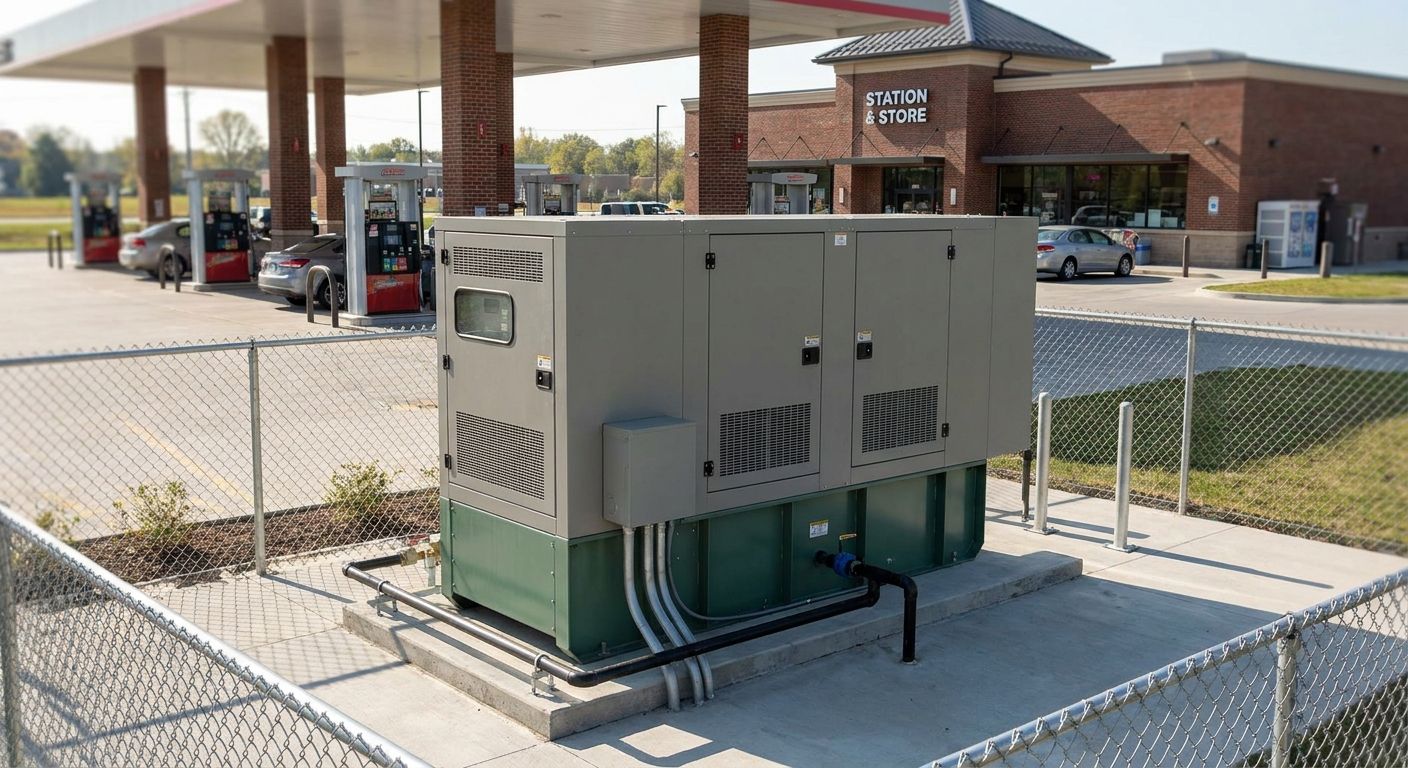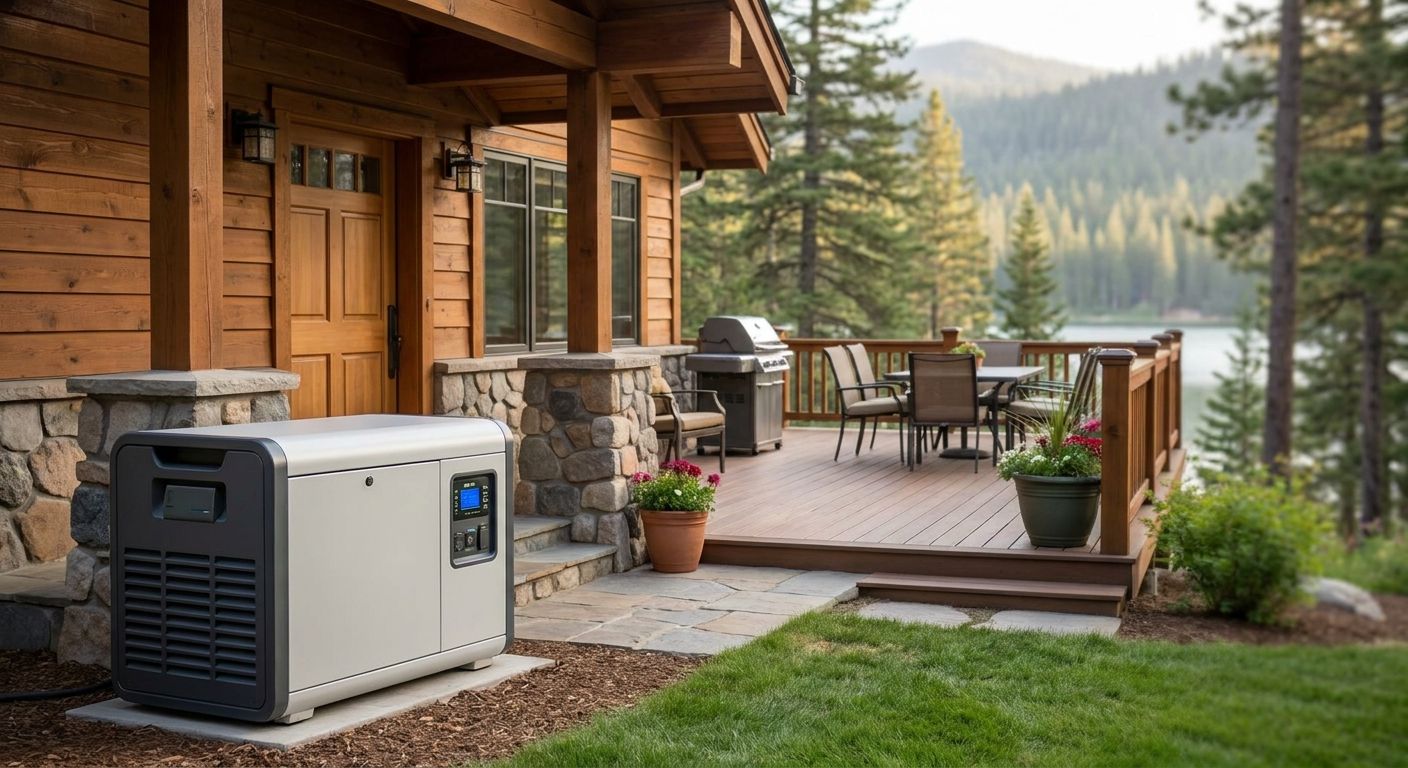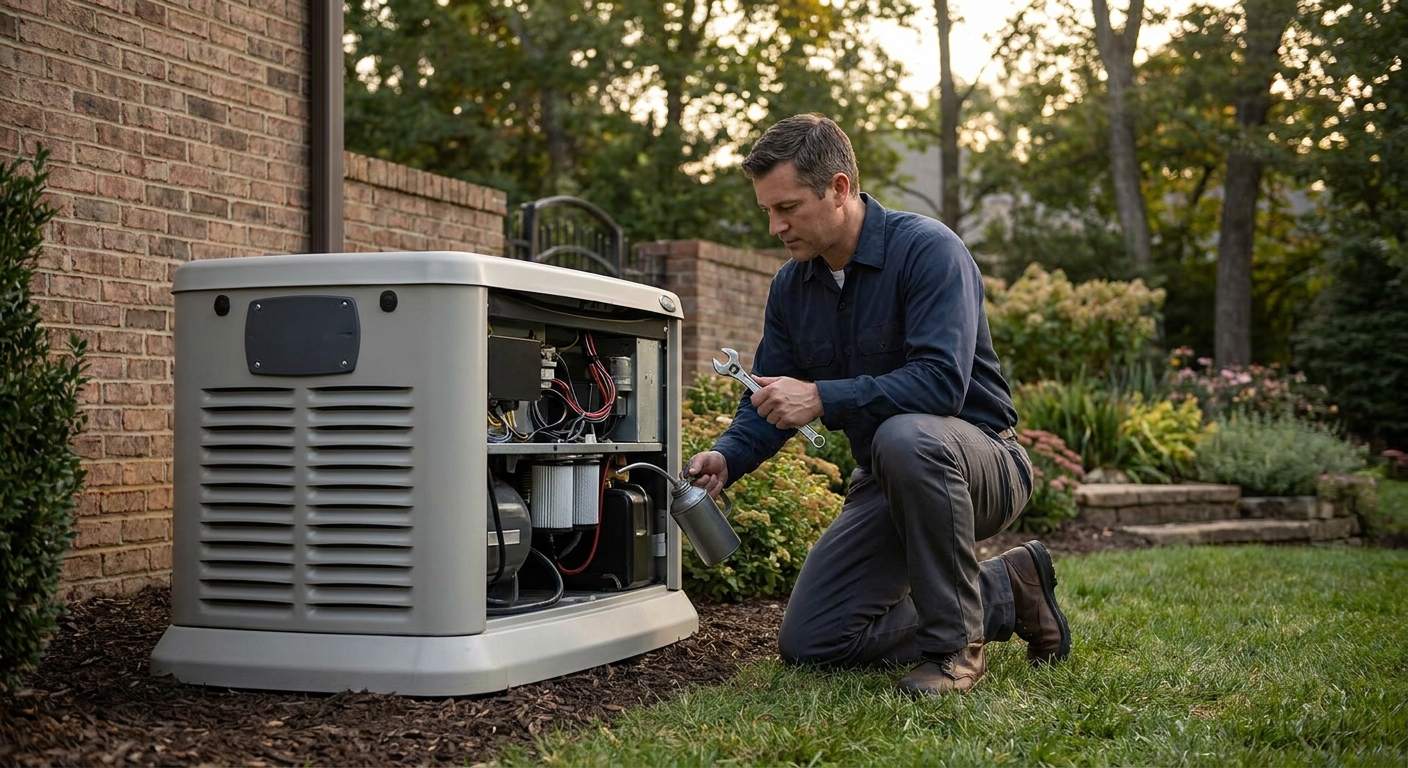
A standby generator sitting idle for 350 days a year fails for one reason more than any other: nobody touched it between storms. Extending the life of a standby generator comes down to a maintenance routine you can run in under an hour a month, plus two professional visits a year.
TL;DR
To extend the life of a standby generator, run a self-test exercise cycle every week, change the oil every 100-200 hours or once a year, replace air and fuel filters annually, and keep the battery and coolant checked before hurricane season. A Kohler or Generac unit maintained on this schedule typically reaches 20-30 years of service instead of failing at the 8-10 year mark that under-maintained units hit. Verdict: a $200-$400 annual service plan through Baldwin County Generators beats a $10,000+ early replacement every time. Skip the maintenance and you're gambling on the exact week you need backup power in coastal Alabama.
Why this matters
A standby generator isn't a lawnmower you start twice a summer. It's a combustion engine expected to fire up cold, under load, during the worst weather Baldwin County sees all year - and then run for days without complaint.
Most manufacturer warranties on residential units run 5-10 years, but the engine itself is built to log 20,000-30,000 hours over its life if it's serviced on schedule. Homeowners who skip oil changes and let batteries sit dead cut that lifespan by half or more. In 2026, replacing a failed 20kW standby unit runs well into five figures - maintenance at a few hundred dollars a year is the cheaper bet by a wide margin.
Storm season along the Gulf Coast doesn't wait for a generator that's been neglected. Foley, Fairhope, Daphne, and Gulf Shores all see the same pattern every June through November: the units that run flawlessly are the ones that got touched in the off-season.
What you'll need
- Manufacturer-specific oil (check your Kohler, Generac, Honeywell, or Briggs & Stratton manual for weight and capacity)
- Replacement air filter and oil filter rated for your model
- Fresh spark plugs (gas units) or fuel filter (units on diesel or larger LP setups)
- A multimeter or basic battery tester
- Coolant (for liquid-cooled units, typically 20kW and above)
- 30-45 minutes for a self-check, or a scheduled visit from a licensed electrical contractor for the deeper annual service
The steps
1. Run the weekly self-test and actually watch it
Most standby generators come programmed to run a 5-12 minute self-exercise cycle weekly. This isn't just noise - it circulates oil, keeps seals from drying out, and burns off condensation in the fuel system. Watch the cycle at least once a month instead of ignoring the noise from the yard. Common mistake: letting the exercise cycle run under no load for years without ever testing it under an actual power outage simulation, which hides problems until the night you need it.
2. Change the oil on hours, not the calendar
Oil breaks down under heat and load, and a generator that ran for 60 hours during a week-long outage needs fresh oil sooner than the annual reminder assumes. Change oil every 100-200 hours of run time or once a year, whichever comes first - check your model's controller display for a running hours counter. Dirty oil is the single biggest driver of early engine wear on standby units. Common mistake: using automotive-grade oil instead of the small-engine-rated oil the manufacturer specifies.
3. Replace air and fuel filters annually
A clogged air filter starves the engine of oxygen and forces it to run rich, which fouls spark plugs and drops efficiency. Swap the air filter every 12 months, or sooner if you're in a dusty or high-pollen environment - which covers most of coastal Alabama in spring. Fuel filters matter even more on propane and diesel setups, where sediment builds up in tanks that sit unused most of the year.
4. Test and maintain the battery every 90 days
A dead battery is the number-one reason a standby generator fails to start during an actual outage - not the engine, the battery. Test voltage with a multimeter every 90 days; a healthy 12-volt battery should read 12.4 volts or higher at rest. Replace batteries every 2-3 years proactively rather than waiting for a failure notification on the controller. Common mistake: assuming the trickle charger built into the unit means the battery never needs manual testing.
5. Check coolant and radiator condition on liquid-cooled units
Larger standby generators, typically 20kW and up, use a liquid cooling system similar to a car radiator. Low or degraded coolant causes overheating shutdowns exactly when you're running the unit hardest - during a multi-day outage in August heat. Check coolant level and condition twice a year, and flush per the manufacturer's schedule, usually every 2-3 years or 400-600 hours.
6. Keep the enclosure clear and dry
Generators installed near coastal properties deal with salt air, humidity, and vegetation growth faster than inland units. Clear debris, leaves, and overgrown landscaping from around the enclosure every month, and check for corrosion on exterior fittings twice a year. Salt air accelerates rust on exposed metal parts faster than most manufacturer manuals account for.
7. Schedule a professional inspection twice a year
A licensed electrical contractor catches things a homeowner's monthly checklist won't: transfer switch wear, exhaust leaks, load bank testing, and control board diagnostics. Schedule one inspection before hurricane season starts and one in the off-season, typically spring and fall. This is the single highest-leverage move for extending the life of a standby generator - most manufacturer warranty claims get denied when there's no documented maintenance history.
Troubleshooting
- Generator won't start during self-test: Check battery voltage first - a reading under 12.2 volts means it's time to replace or recharge before troubleshooting anything else.
- Unit starts but shuts down under load: Usually a fuel supply issue - check the propane tank level or natural gas regulator, since a partially open valve mimics a bigger mechanical problem.
- Excessive vibration or noise: Loose mounting bolts or a failing engine mount; tighten hardware and inspect the mounting pad for cracks.
- White smoke on startup: Common with coolant leaking into the combustion chamber on liquid-cooled units - this needs a professional diagnosis, not a DIY fix.
- Controller error codes: Log the exact code and model number before calling for service; most manufacturers publish code charts, and a technician can diagnose faster with that information ready.
- Corrosion on the transfer switch: Common near the Gulf Coast due to salt air; have a licensed electrician inspect and clean contacts during the annual visit rather than waiting for a failure.
Tools and resources
- Manufacturer's owner manual (Kohler, Generac, Honeywell, or Briggs & Stratton - specific to your model)
- A basic multimeter for battery checks
- A logbook or spreadsheet tracking run hours, oil changes, and filter swaps
- A licensed electrical contractor for twice-yearly inspections and warranty-compliant service records
- Baldwin County Generators for scheduled maintenance visits across Daphne, Fairhope, Foley, and Gulf Shores
What to do next
Once the maintenance routine is running, the next question is whether your current unit is sized correctly for your home's actual load - an undersized generator wears out faster because it's constantly running near its limit. Get a load assessment before the next storm season so you're not finding out mid-outage that the unit's been overworked since installation.
FAQ
How long does a standby generator last with regular maintenance? A well-maintained standby generator typically runs 20-30 years, based on manufacturer service-life estimates for units logging their expected 20,000-30,000 engine hours. Skipping maintenance can cut that lifespan in half.
How often should I service a standby generator? Schedule professional service twice a year - once before hurricane season and once in the off-season - plus monthly self-checks in between. This is the pattern manufacturers use to validate warranty claims.
Is it bad to let a generator sit unused? Yes - a generator that never runs under load develops stale fuel, dry seals, and a weak battery faster than one that's exercised weekly. The built-in weekly self-test exists specifically to prevent this.
What kills a generator engine the fastest? Dirty oil and a dead battery cause the majority of early failures, followed by clogged air filters restricting airflow. All three are preventable with a basic annual maintenance schedule.
Do I need a professional or can I maintain it myself? Homeowners can handle weekly self-tests, battery checks, and clearing debris around the unit. Oil changes, coolant flushes, and transfer switch inspections should go to a licensed electrical contractor to keep warranty coverage intact.
How much does standby generator maintenance cost per year? Annual service plans typically run a few hundred dollars, far below the five-figure cost of replacing a failed unit. Costs vary by generator size and whether it's air-cooled or liquid-cooled.
Does salt air near the coast shorten a generator's lifespan? Yes - salt air accelerates corrosion on exposed metal fittings and the transfer switch faster than inland installations see. Coastal Alabama homeowners should add a corrosion check to every service visit.
What's the biggest mistake homeowners make with standby generators? Ignoring the weekly self-test cycle and assuming the unit is fine because it's quiet in the yard. A generator can look fine and still fail the moment it's asked to carry an actual household load during an outage.
One last thing
The detail most homeowners miss: a generator's transfer switch, not the engine, is often the first thing to fail near the coast, because it sits exposed to salt air year-round while the engine stays sealed. Add a transfer switch inspection to every service visit in 2026, and you'll catch the failure that actually causes most no-start calls during a storm.