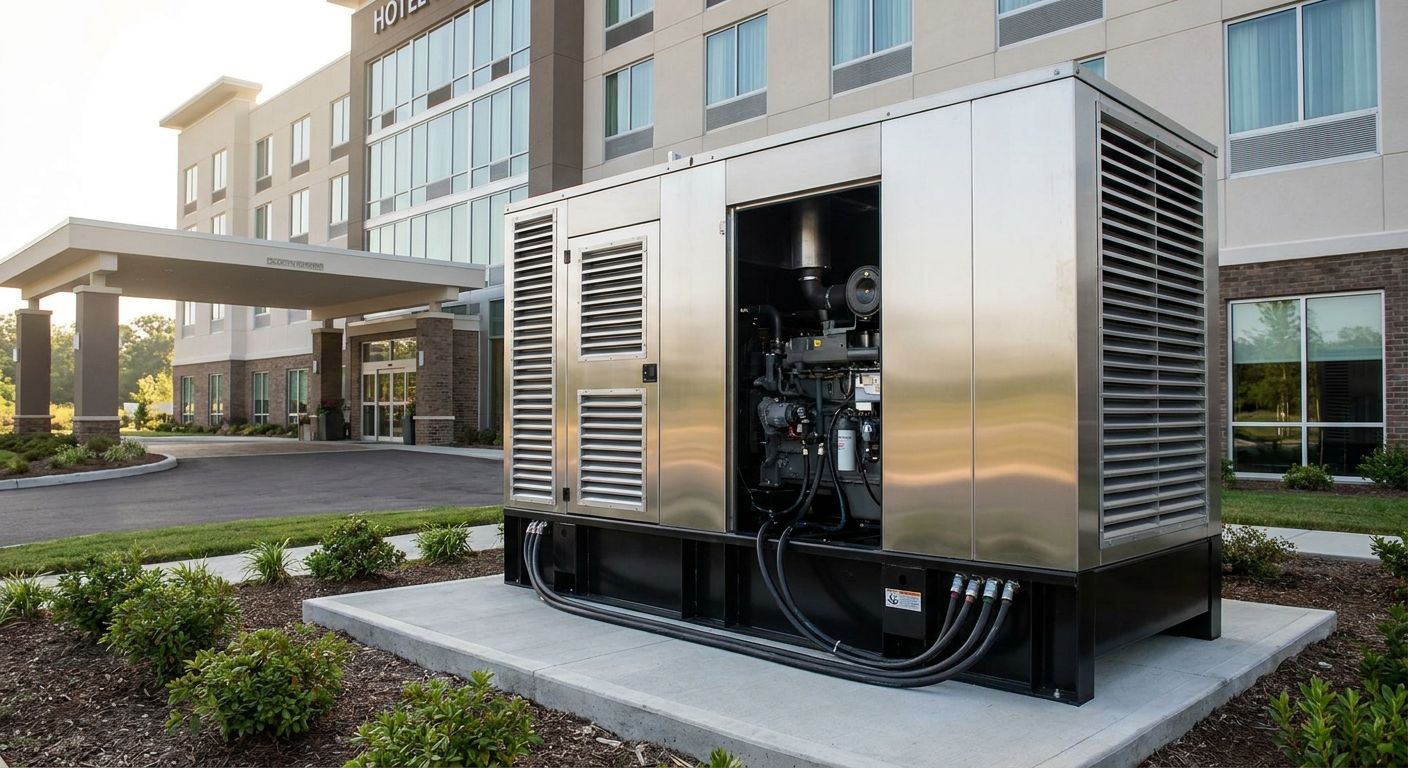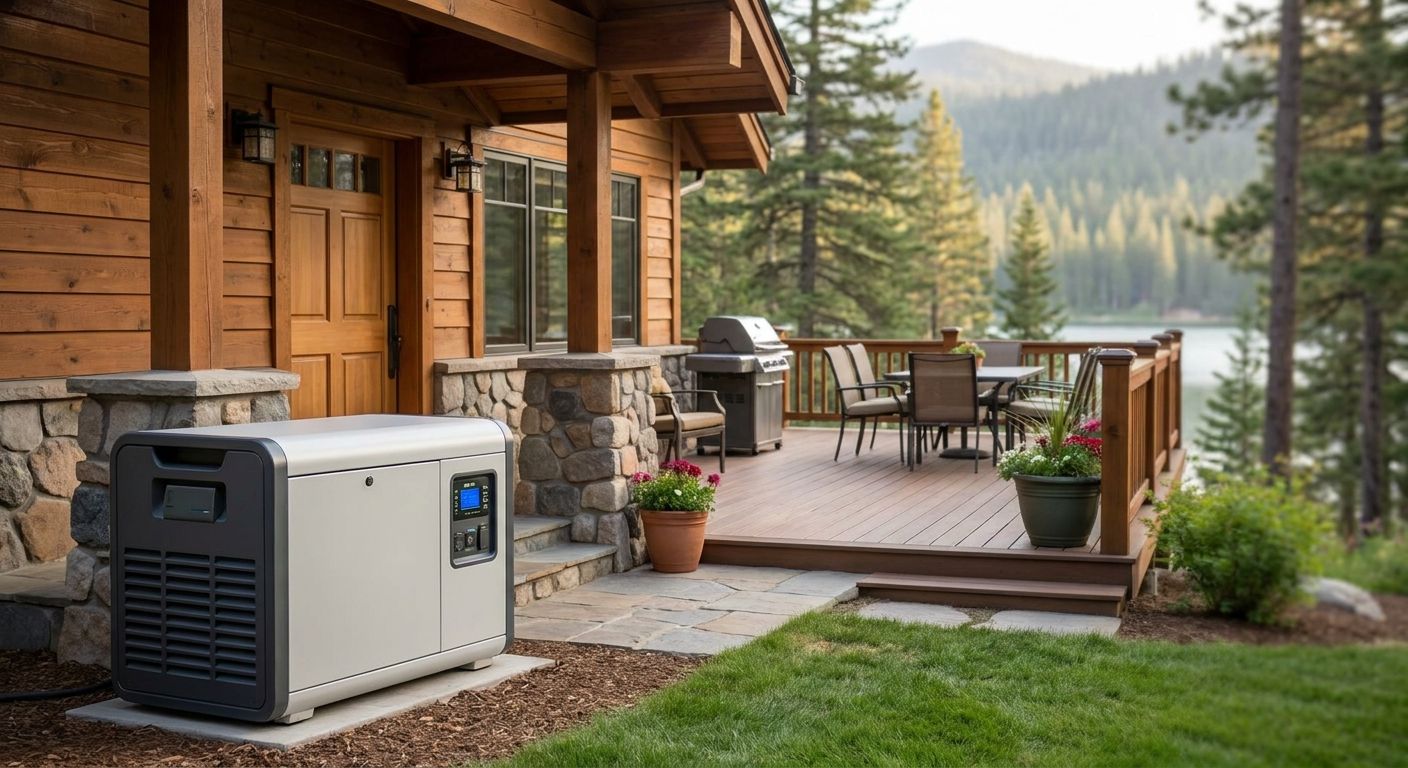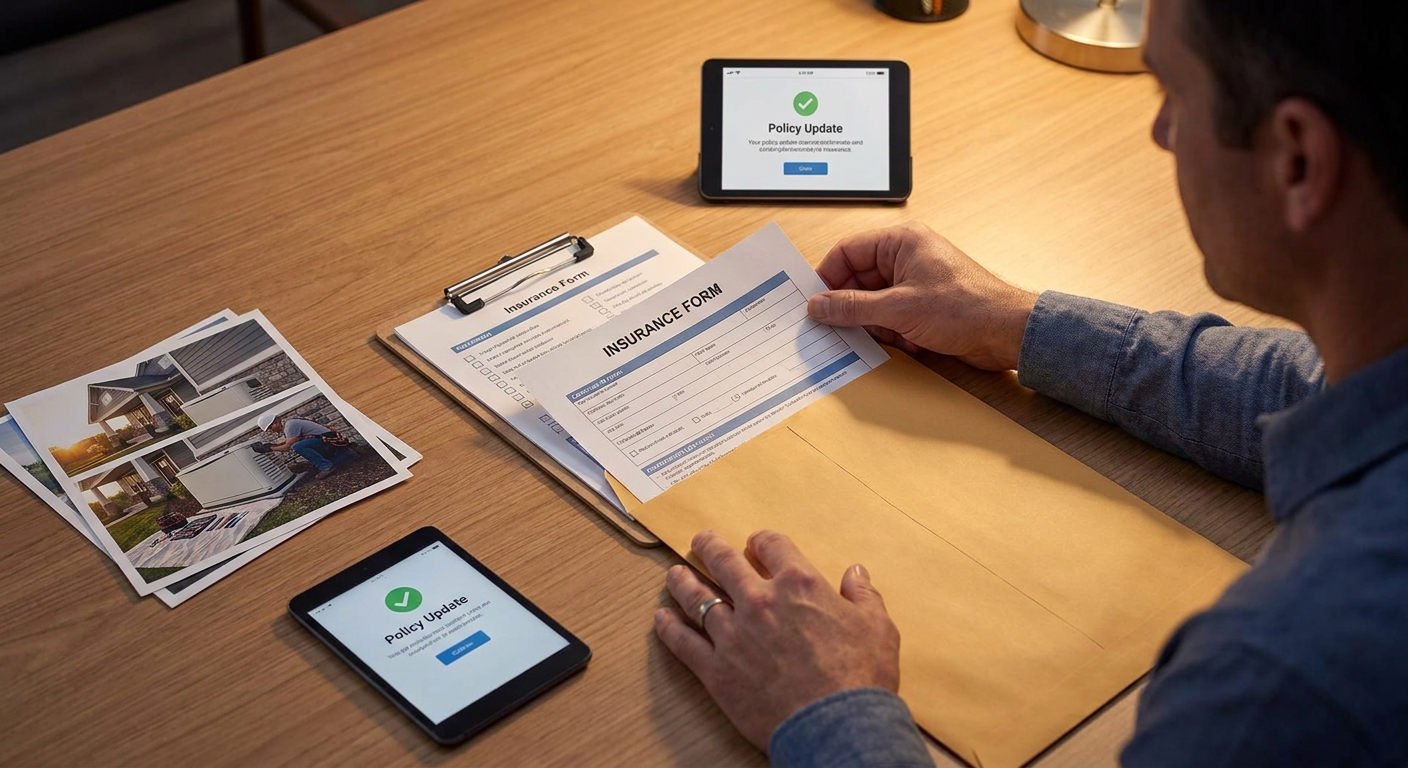
Insurance carriers won't hand you a discount for owning a standby generator - they hand it out for proof. Get the paperwork trail right and a Kohler or Generac installation in Fairhope or Foley can shave real money off your homeowner's premium every renewal cycle in 2026 and beyond.
- Insurers want permit records, inspection sign-off, and a certificate of completion - not just a generator in the yard.
- Photograph the unit, transfer switch, and data plate before the electrician packs up in 2026.
- Baldwin County Generators installs carry a licensed electrical permit and inspection record by default - ask for copies at close-out.
- Most carriers require documentation submitted within 30-90 days of a policy renewal date to apply a discount.
- Skip the paper trail and the discount request gets denied even when the generator itself is code-compliant.
Why this matters
Homeowner's insurers in coastal Alabama treat a standby generator as a risk-mitigation feature, similar to a monitored alarm system or a new roof. The discount only shows up on your bill if you can prove the unit is permitted, inspected, and professionally installed - not self-installed, not portable, not sitting on a slab without a transfer switch.
Most claims adjusters and underwriters never see the generator in person. They see a folder. If that folder is thin, the discount request gets kicked back or ignored, and you're left paying full premium on a $10,000-plus asset that's supposed to be lowering your risk profile.
What you'll need
- Signed installation contract from your electrical contractor
- County or municipal electrical permit number
- Final inspection sign-off from the local building department
- Manufacturer spec sheet (model, kW rating, fuel type) for the Kohler, Generac, Honeywell, or Briggs & Stratton unit installed
- Photos of the generator, the automatic transfer switch, and the data plate
- Contractor's license number and proof of liability insurance
- Your homeowner's or commercial policy number and current agent contact
If Baldwin County Generators handled the install, most of this paperwork already exists in the job file - you just have to ask for copies before the final walkthrough ends.
The steps
1. Confirm the permit was actually pulled
A licensed electrical contractor pulls a permit before the installation starts, not after. This matters because insurers treat an unpermitted install the same as a DIY job - no discount, and potentially a coverage problem if the generator ever causes a fire or electrical fault. Call your county's building department and ask for the permit number tied to your address; it should reference the installation date and the contractor's license.
Common mistake: assuming the permit was filed because the installer said so verbally. Get the permit number in writing or pull it yourself from the county's online portal.
2. Get the final inspection sign-off
After the electrical work passes inspection, the building department issues a completion or compliance certificate. This document is the single strongest piece of proof an insurer will ask for - it confirms a third party, not the installer, verified the work meets code. Request a copy at the time of inspection; most counties will also mail or email it within a week or two.
Without it, some carriers will only offer a partial discount or none at all, even with a permit on file.
3. Collect the manufacturer spec sheet
Insurers want to know the make, model, and kW output of the standby unit - a 14kW Kohler behaves differently in an underwriter's risk model than a 22kW Generac. The spec sheet also documents the fuel source (natural gas, propane, or diesel), which affects how some carriers rate the policy. Ask your installer for the printed spec sheet or pull it from the manufacturer's product page using the model number stamped on the unit.
4. Photograph the installed system
Take photos of the generator enclosure, the automatic transfer switch installed at your electrical panel, and a close-up of the data plate showing the serial number. Timestamp the photos if your phone supports it, and take them the same day as the final inspection so the date lines up with your other paperwork. Adjusters increasingly ask for photo evidence alongside written documents, especially for commercial standby systems in Daphne and Gulf Shores where storm claims run higher.
Common mistake: photographing only the generator and skipping the transfer switch. The switch is what proves the system is a permanent, code-compliant installation rather than a portable unit plugged in during an outage.
5. Request a certificate of completion from your contractor
Beyond the county inspection, ask your electrical contractor for a signed certificate of completion on company letterhead, listing the installation date, model and serial number, and the contractor's license number. This is a separate document from the county's paperwork and gives your insurer a direct, dated statement from a licensed professional. A reputable installer will have this ready as a standard part of project close-out in 2026 - if yours doesn't, ask before final payment.
6. Verify the transfer switch documentation
The automatic transfer switch is what lets underwriters distinguish a whole-home standby system from a portable generator you wheel out during a storm. Confirm the switch model number and installation date appear on either the spec sheet or the contractor's completion certificate. Some carriers specifically deny discounts for systems without a documented automatic transfer switch, regardless of generator size.
7. Submit the full packet to your insurance carrier
Call your agent before mailing anything - ask exactly which documents they require and whether they use a standard generator discount form. Submit the permit number, inspection certificate, contractor's completion certificate, spec sheet, and photos together as one packet, not piecemeal over several calls. Most carriers process the discount at your next renewal, so submit the packet at least 30 days before your policy renews in 2026 to avoid missing the cycle.
Common mistake: submitting documentation mid-policy and assuming the discount applies retroactively. Most carriers only apply it going forward from the next renewal date.
8. Keep a copy for every future renewal and service visit
Insurers periodically re-verify discounts, and some require proof of ongoing maintenance to keep the discount active. Store digital copies of every document in one folder, and add updated service records each time the generator gets serviced. A missing maintenance record is one of the more common reasons a previously-approved discount gets pulled at renewal.
Get your install documented right
Licensed installs from Baldwin County Generators include permit and inspection paperwork by default.
Troubleshooting
The permit number doesn't show up in the county system. Some counties take two to four weeks to post permits online after issuance - call the building department directly and reference your address and installation date rather than waiting on the portal.
Your insurer wants a specific discount application form, not just documents. Ask your agent for the exact form name; many carriers have a standardized generator or storm-mitigation discount form that supersedes a generic documentation packet.
Photos don't show the serial number clearly. Retake the data plate photo in daylight, close enough that the digits are legible - blurry serial numbers are one of the most common reasons a submission bounces back.
Your original contractor is no longer in business. Pull the permit and inspection records directly from the county; those remain on file regardless of whether the contractor is still operating.
The discount got approved, then disappeared at the next renewal. This usually means the carrier requires proof of annual maintenance. Keep dated service invoices and resubmit them with your renewal paperwork.
Tools and resources
- Your county or municipal building department's permit portal
- Your homeowner's or commercial insurance agent's direct contact
- The manufacturer's spec sheet lookup by model number (Kohler, Generac, Honeywell, Briggs & Stratton)
- A dated photo folder or cloud drive for the full documentation packet
- Your contractor's completion certificate and license number on file
What to do next
Once the discount packet is submitted, set a calendar reminder for your next policy renewal to confirm the discount actually posted - insurers don't always flag it clearly on the bill. If you're still shopping for an installer in coastal Alabama, ask upfront whether permit filing, inspection scheduling, and a completion certificate are included in the installation price, since chasing that paperwork after the fact costs more time than it should.
FAQ
How much can documenting a generator installation save on insurance in 2026?
Discount amounts vary by carrier and are not standardized, so the exact figure depends on your policy and insurer. What's consistent across carriers is that the discount requires documented proof - permit, inspection, and a completion certificate - not just the generator being present on the property.
Does a portable generator qualify for an insurance discount?
Most carriers reserve generator discounts for permanently installed standby systems with an automatic transfer switch, not portable units. A portable generator typically doesn't carry the permit and inspection paperwork insurers require for the discount.
What documents do insurance companies ask for after a generator install?
Insurers generally ask for the electrical permit number, the final inspection certificate, a contractor completion certificate, and the manufacturer's spec sheet. Some also request photos of the installed unit and transfer switch.
Is a permit required for a standby generator installation?
Yes, a licensed electrical contractor pulls a permit before installing a whole-home standby generator in most Alabama municipalities. Skipping the permit can void both the insurance discount and, in some cases, coverage on the unit itself.
How long does it take to get an insurance discount after installing a generator?
Most carriers apply the discount starting at your next policy renewal, not immediately after submission. Submitting your documentation packet at least 30 days before renewal in 2026 avoids missing that cycle.
Do I need to resubmit generator documentation every year?
Some carriers periodically re-verify the discount and may ask for proof of annual maintenance to keep it active. Keeping dated service records alongside your original permit and inspection paperwork prevents the discount from lapsing.
What's the difference between a permit and an inspection certificate?
A permit authorizes the electrical work before it starts, while the inspection certificate confirms after the fact that the completed work meets code. Insurers typically want both, since the permit alone doesn't prove the installation passed inspection.
Can I get the discount if my original installer is out of business?
Yes - permit and inspection records stay on file with your county's building department regardless of whether the original contractor is still operating. Pull those records directly from the county if the installer can't provide copies.
One last thing
The document that trips up most homeowners isn't the permit or the inspection certificate - it's the transfer switch verification. Without proof the switch is automatic and permanently wired, some carriers treat the whole system as a portable unit on paper, discount denied, even with a $12,000 standby generator sitting in the yard.