Choosing the right fuel source for a standby generator determines how long you'll have power when Baldwin County loses grid electricity during hurricane season, and getting it wrong means a generator that either can't run long enough or costs more to fuel than it should.
This guide walks through how to match a fuel type to your home or business, what to check before you buy, and the mistakes that leave coastal Alabama homeowners without power mid-storm.
TL;DR
Natural gas wins for homeowners near an existing gas line because it never runs out during an extended outage - the fuel keeps flowing as long as the utility line stays intact. Propane is the better call if you're outside gas-line coverage in areas like Foley or Gulf Shores; a 500-gallon tank runs a 22kW standby generator for roughly 150 hours at half load. Diesel suits commercial and larger properties that need higher output and don't mind scheduling fuel deliveries. Verdict: natural gas for in-town properties with gas service, propane for everyone else, diesel for commercial-scale backup. Baldwin County Generators installs and services all three fuel types across Daphne, Fairhope, Foley, and Gulf Shores.
Why this matters
A generator is only as reliable as the fuel behind it. During a 2026 hurricane season outage that stretches past 72 hours, a portable gas generator running on 5-gallon cans becomes a full-time job - refueling every 8 to 10 hours, standing in gas station lines that may not have power to pump. A properly sized standby unit tied to natural gas or a large propane tank runs unattended for days.
The fuel decision also locks in your ongoing costs and maintenance schedule for the next 15-20 years, since switching fuel types later usually means swapping the generator itself. Get this choice right before installation, not after the first storm.
What you'll need
- Your home or business's current utility hookups (natural gas line, propane tank, or none)
- Square footage and average monthly power draw, or a recent electric bill
- Available yard space for a propane tank (250, 500, or 1,000-gallon sizes) if natural gas isn't an option
- A generator sizing consultation - most coastal Alabama homes land between 14kW and 22kW for whole-home coverage
- 30-60 minutes to review fuel delivery logistics with a licensed electrical contractor
The steps
1. Check whether natural gas already reaches your property
Start by calling your local gas utility or checking your last bill - if you already heat your home or run a stove on natural gas, you likely have a line close enough to tap for a generator. Natural gas is the lowest-maintenance option because there's no tank to monitor and no delivery to schedule; the fuel supply is only as vulnerable as the underground utility infrastructure, which typically survives hurricanes better than above-ground power lines.
Expected outcome: if a gas main runs along your street in Fairhope or Daphne, a licensed electrician can usually tie in a new line at pressures of 5 to 7 inches water column, standard for residential standby units. Common mistake: assuming gas service means unlimited generator capacity - undersized gas meters can't feed a large generator without an upgrade, so confirm meter capacity before committing to a unit above 20kW.
2. Size a propane tank to your generator's run time needs
If natural gas isn't available, propane is the next-best option for continuous, storm-resistant power. A 20kW generator burns roughly 2-3 gallons of propane per hour at full load, so a 500-gallon tank (which delivers about 400 usable gallons after the required 80% fill limit) covers well over 100 hours of runtime even under sustained draw.
Measure your yard space now - a 500-gallon tank needs a setback of at least 10 feet from doors, windows, and the generator itself under most Alabama fire codes. Common mistake: buying a 250-gallon tank to save on install cost, then running out of fuel three days into an outage when local propane suppliers are slammed with demand.
3. Evaluate diesel for commercial and high-output needs
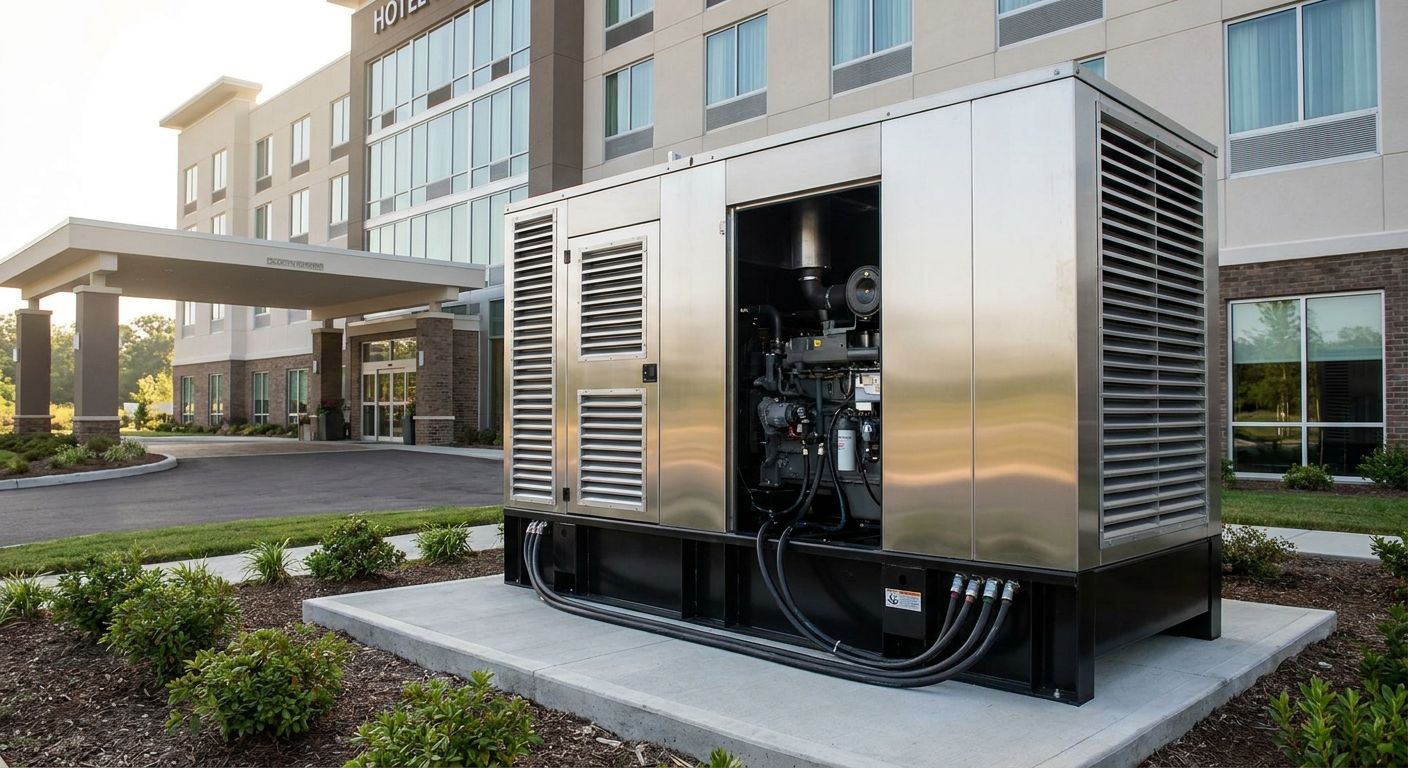
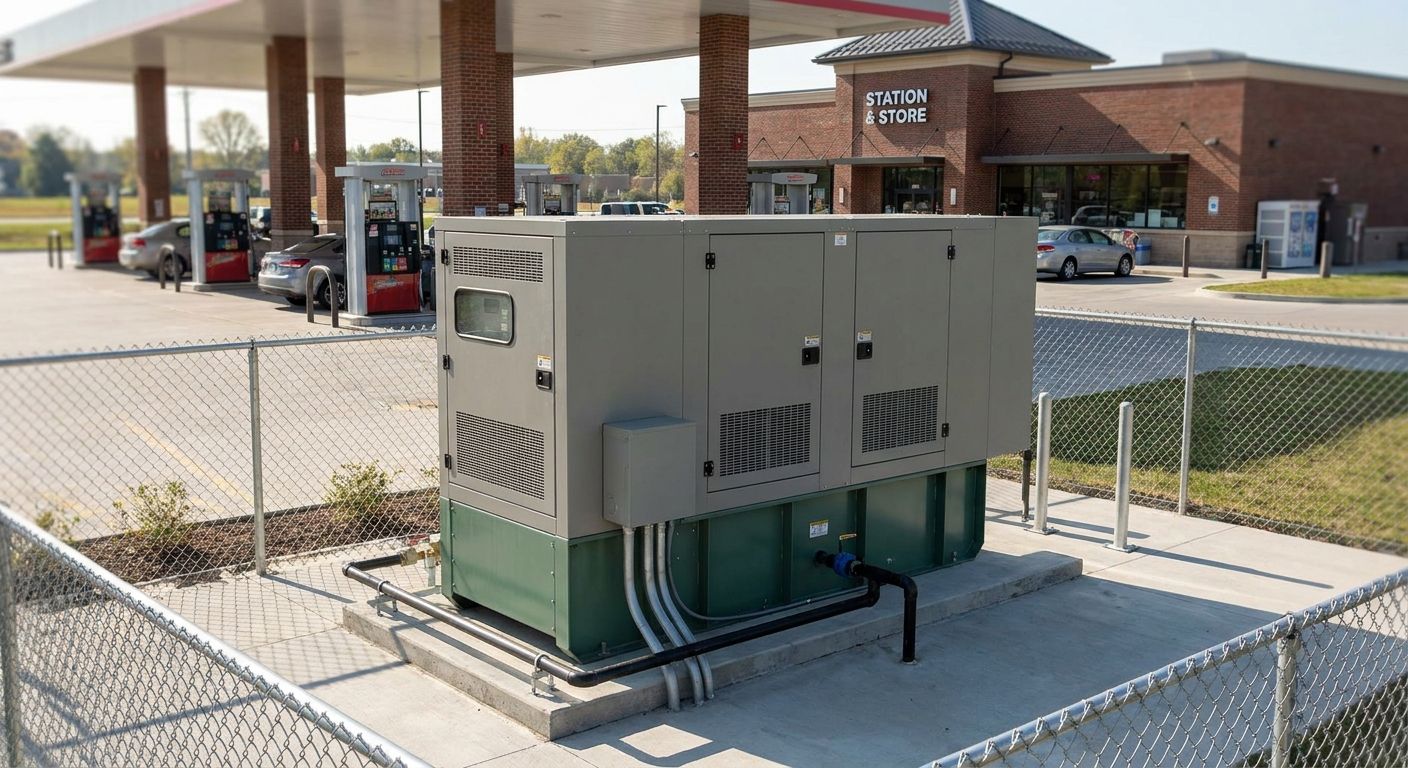
Diesel generators run cooler and last longer under continuous heavy load, which is why marinas, medical facilities, and larger commercial properties around Gulf Shores often choose them over gas or propane units. Diesel also stores well - properly treated fuel holds up for 12 to 24 months without degrading, giving businesses a fuel reserve on-site without relying on a live utility line.
The tradeoff is logistics: diesel requires scheduled deliveries and periodic fuel testing to prevent algae growth and water contamination in the tank. Common mistake: letting diesel sit untreated for over a year - add a fuel stabilizer and test annually, or the generator may fail to start when you need it most.
4. Match fuel type to your generator's expected load
Pull your last 12 months of electric bills and identify your highest summer draw - Baldwin County's July and August cooling loads are usually the peak. A generator undersized for that load will short-cycle or trip regardless of fuel type, so size the unit to at least 80% of peak demand before locking in the fuel source.
Expected outcome: a correctly matched 22kW natural gas or propane unit covers central air, refrigeration, well pumps, and lighting simultaneously for a typical 2,200-3,000 square foot coastal home. Common mistake: sizing the generator to average draw instead of peak draw, which leaves you short exactly when you need full capacity.
5. Confirm local fuel supply reliability during storm season
Call your propane or diesel supplier and ask directly how they handle deliveries during a named storm watch - some suppliers pre-position trucks in Foley and Gulf Shores ahead of a forecasted hurricane, others don't guarantee delivery once evacuation orders are issued. This single phone call tells you more about real-world reliability than any spec sheet.
Common mistake: assuming a full tank at the start of hurricane season means you're covered through October - top off propane and diesel tanks at the first named storm watch, not after landfall.
6. Get a professional installation and permit review
Fuel line installation for a standby generator is not a DIY project - natural gas and propane connections require licensed electrical and gas work, plus a local permit in most Baldwin County municipalities. A licensed, insured contractor also sizes the fuel line correctly so pressure doesn't drop when the generator is under full load.
Expected outcome: proper installation includes a transfer switch, correctly sized fuel line, and a load calculation matched to your electrical panel. Common mistake: hiring an unlicensed installer to save money upfront, which risks code violations, insurance claim denial, and generator warranty voids.
Fuel comparison
| Fuel type | Runtime on full tank/supply | Best for | Maintenance |
|---|---|---|---|
| Natural gas | Unlimited (tied to utility line) | In-town homes with existing gas service | Lowest - no tank monitoring |
| Propane (500 gal) | ~150 hours at half load on a 22kW unit | Homes outside gas-line coverage | Moderate - annual tank inspection |
| Diesel | Days to weeks depending on tank size | Commercial and high-output backup | Higher - annual fuel testing/treatment |
Troubleshooting
Problem: Generator won't start after sitting through a mild winter. Diesel and gasoline units are most prone to this; check fuel stabilizer levels and battery charge before assuming a mechanical fault.
Problem: Propane tank reads full but generator loses power under load. This usually means the tank's regulator or fuel line is undersized for the generator's draw - have a technician check line pressure at 11 inches water column, the standard for propane standby units.
Problem: Natural gas generator trips during peak summer AC use. The gas meter may be undersized for the added generator load; the utility company can confirm meter capacity and upgrade it if needed.
Problem: Diesel fuel smells sour or looks cloudy. That's early algae or water contamination - drain and replace the fuel rather than risk a clogged filter mid-outage.
Problem: Propane supplier can't deliver during a storm watch. Switch to a supplier with pre-positioned storm delivery, or increase tank size so a single fill-up covers the full outage window.
Tools and resources
- Recent electric bills for load calculation
- Local gas utility contact for line capacity confirmation
- Propane or diesel supplier storm-delivery policy
- A licensed electrical contractor for sizing and permit work - Baldwin County Generators handles sizing, fuel line installation, and permitting across Daphne, Fairhope, Foley, and Gulf Shores
What to do next
Once you've picked a fuel type, the next decision is generator sizing - matching kW output to your actual peak load rather than guessing. A sizing consultation before hurricane season 2026 ramps up is the fastest way to avoid an undersized or mismatched system.
FAQ
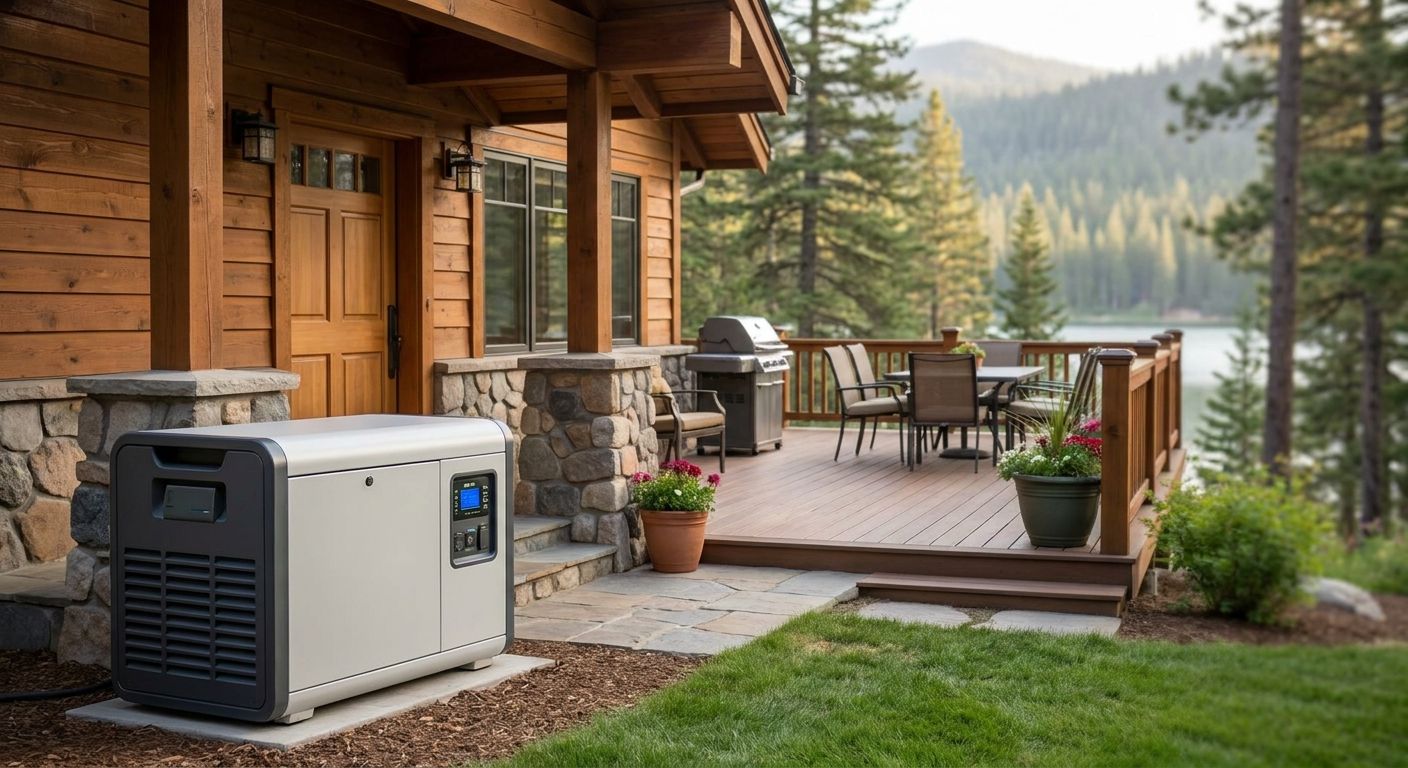
What's the best fuel source for a home generator in coastal Alabama? Natural gas is the best option if your property already has a gas line, since supply never runs out during an extended outage. Propane is the next-best choice for homes outside gas-line coverage, especially with a 500-gallon tank sized to the generator's draw.
Is propane better than natural gas for a standby generator? Natural gas is generally better when available because it eliminates tank monitoring and delivery scheduling entirely. Propane is the stronger choice only when natural gas service isn't accessible to the property.
How much propane does a 22kW generator use per hour? A 22kW generator burns roughly 2-3 gallons of propane per hour at full load. A 500-gallon tank, which allows about 400 usable gallons, covers well over 100 hours at half load.
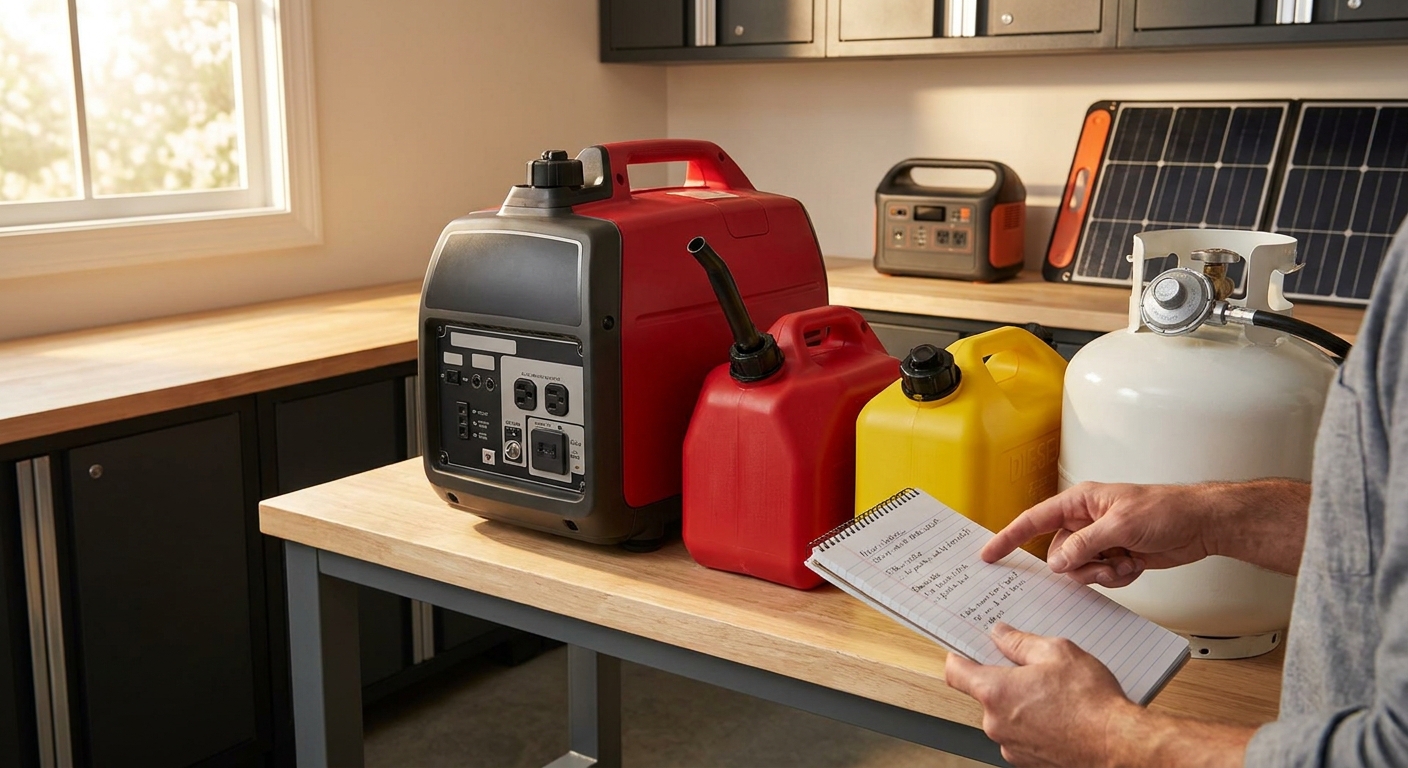
Can a portable generator run on natural gas? Most portable generators run on gasoline or propane, not natural gas, since they're not permanently plumbed to a gas line. Whole-home standby units are the ones typically wired for natural gas or large propane tanks.
How long does diesel fuel last in storage? Properly treated diesel fuel holds up for 12 to 24 months without significant degradation. Untreated diesel can develop algae and water contamination much sooner, especially in Alabama's humidity.
Does fuel type affect generator maintenance costs? Yes - natural gas requires the least ongoing maintenance since there's no tank to inspect or fuel to treat. Propane and diesel both need periodic tank inspection, and diesel additionally needs annual fuel testing.
How much does it cost to install a natural gas line for a generator? Costs vary by distance from the existing gas main and local permit fees, so get a site-specific quote from a licensed contractor. Baldwin County Generators provides free quotes covering line installation, generator sizing, and permitting.
What size propane tank do I need for a whole-home generator? Most 20-22kW whole-home generators pair well with a 500-gallon propane tank, which gives roughly 150 hours of runtime at half load. Larger homes or longer expected outages may call for a 1,000-gallon tank instead.
One last thing
Most coastal Alabama homeowners assume the biggest fuel risk is running out mid-storm, but the more common failure in 2026 is an undersized gas meter or propane line installed years before the generator was added - the tank is full, but the line can't deliver enough pressure under full load. Have the fuel line pressure tested during your next generator service call, not just the tank level.