Produce stands and farm markets across coastal Alabama run on refrigeration, and a power outage during a August heat wave or a tropical system can wipe out a week of inventory in hours. Generator installation for farm markets means matching a standby system to walk-in coolers, freezer cases, registers, and lighting so the stand keeps selling through hurricane season instead of closing the doors.
- A 22kW air-cooled standby generator covers most single-cooler produce stands in Baldwin County - Buy for stands under 3,000 sq ft.
- Liquid-cooled units above 48kW handle multi-freezer farm markets with registers and lighting - Consider for larger operations.
- Portable inverter generators under 10kW are a Skip for any stand running a walk-in cooler continuously.
- Automatic transfer switches installed by a licensed electrician are non-negotiable for generator installation for farm markets in 2026.
Why this matters
Baldwin County sits inside a hurricane evacuation zone, and the Gulf Coast produce season runs May through October - the exact window when tropical storms and grid outages spike. A refrigeration failure at a farm market isn't an inconvenience, it's a full inventory loss measured in hundreds or thousands of dollars per outage.
Standby generators solve this differently than they do for a residential kitchen. Farm markets carry continuous refrigeration loads, point-of-sale systems that need clean power, and often outdoor-rated equipment exposed to salt air. Sizing and installing for that load profile in 2026 takes different math than a whole-home system built for a family kitchen and a few bedrooms.
Who this is for
This guide is built for produce stand owners, farm market operators, and roadside stand businesses in Daphne, Fairhope, Foley, Gulf Shores, and surrounding coastal Alabama communities running at least one refrigerated case or walk-in cooler year-round. If your stand is seasonal and unrefrigerated, a portable generator may cover you - but anything with continuous cold storage needs a standby system sized to hold that load through a multi-day outage.
What to look for in generator installation for farm markets
Refrigeration load, not square footage
Sizing by building size undersells the generator. A 1,200 sq ft produce stand with a walk-in cooler, two reach-in freezers, and case lighting can pull more continuous load than a 3,000 sq ft stand with dry goods only. Get a load calculation from a licensed electrician before picking a kW rating - guessing here is how stands end up with a generator that trips under freezer startup surge.
Fuel type and runtime during storms
Natural gas gives unlimited runtime if the line stays intact, which matters most during a multi-day outage after a named storm. Propane and diesel need on-site fuel storage, which means planning tank size around expected outage length - 72 hours is the baseline planning window for coastal Alabama in 2026 based on recent storm-season outage patterns.
Automatic transfer switch
A manual transfer switch means someone has to be on-site to flip power over, which doesn't work for an unattended stand or an owner evacuated inland. An automatic transfer switch starts the generator and shifts the load within seconds of a grid failure, keeping refrigeration running whether anyone's there or not.
Weatherproof, coastal-rated enclosure
Salt air corrodes standard enclosures faster than inland installations. Look for units rated for coastal or marine environments, and confirm the installer treats corrosion resistance as a spec, not an afterthought - this is a recurring failure point on Gulf Shores and Foley installs that skip it.
Licensed installation and permitting
Baldwin County requires permits for standby generator installation, and improper hookups create real liability if inspectors or insurers get involved after a claim. Work with a licensed electrical contractor who pulls permits and handles inspection sign-off as part of the install, not as a separate line item you have to chase down.
Standby vs. portable, matched to how the stand actually operates
A seasonal stand open four months a year with no refrigeration might get by on a portable unit. Anything running a cooler or freezer past a few hours needs a permanently installed standby system - portables aren't built for continuous multi-day duty cycles.
Top picks for farm market power
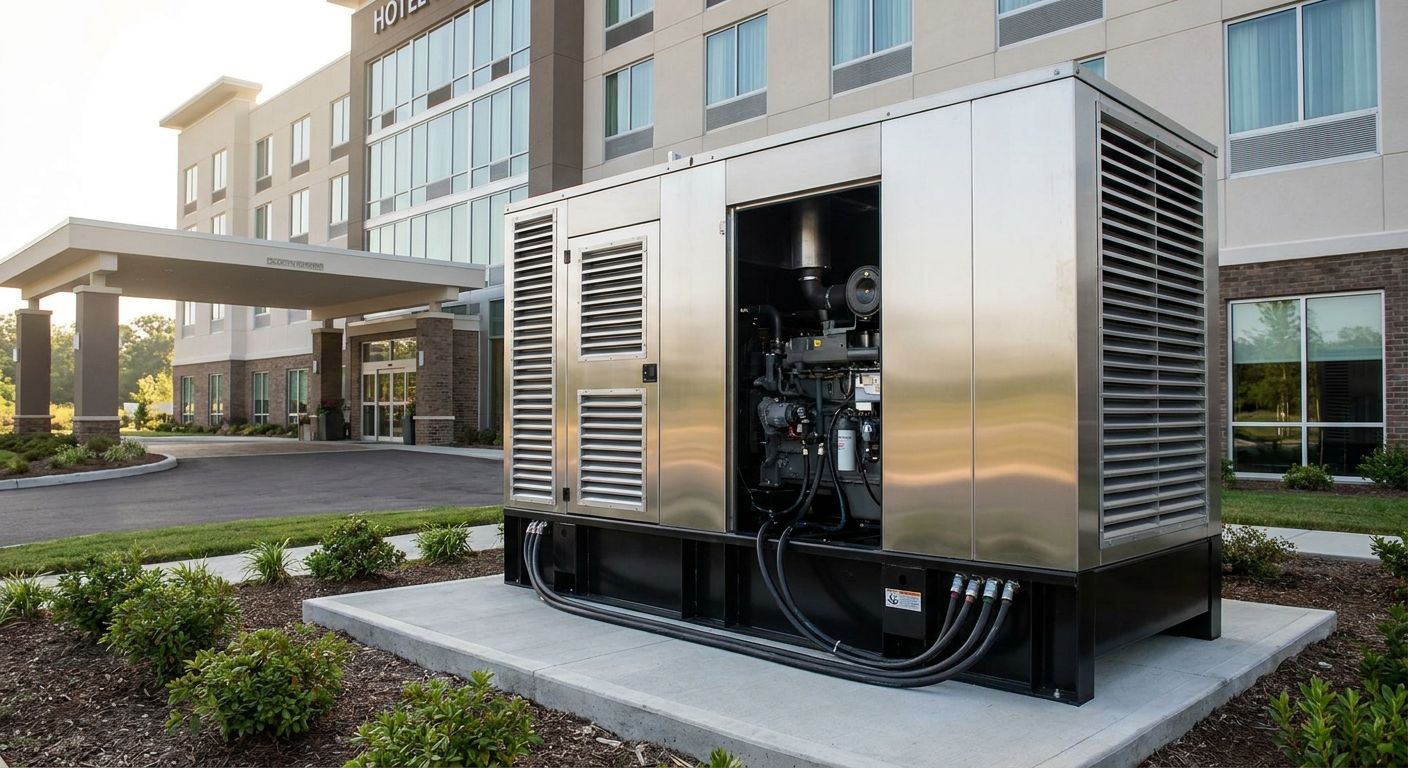
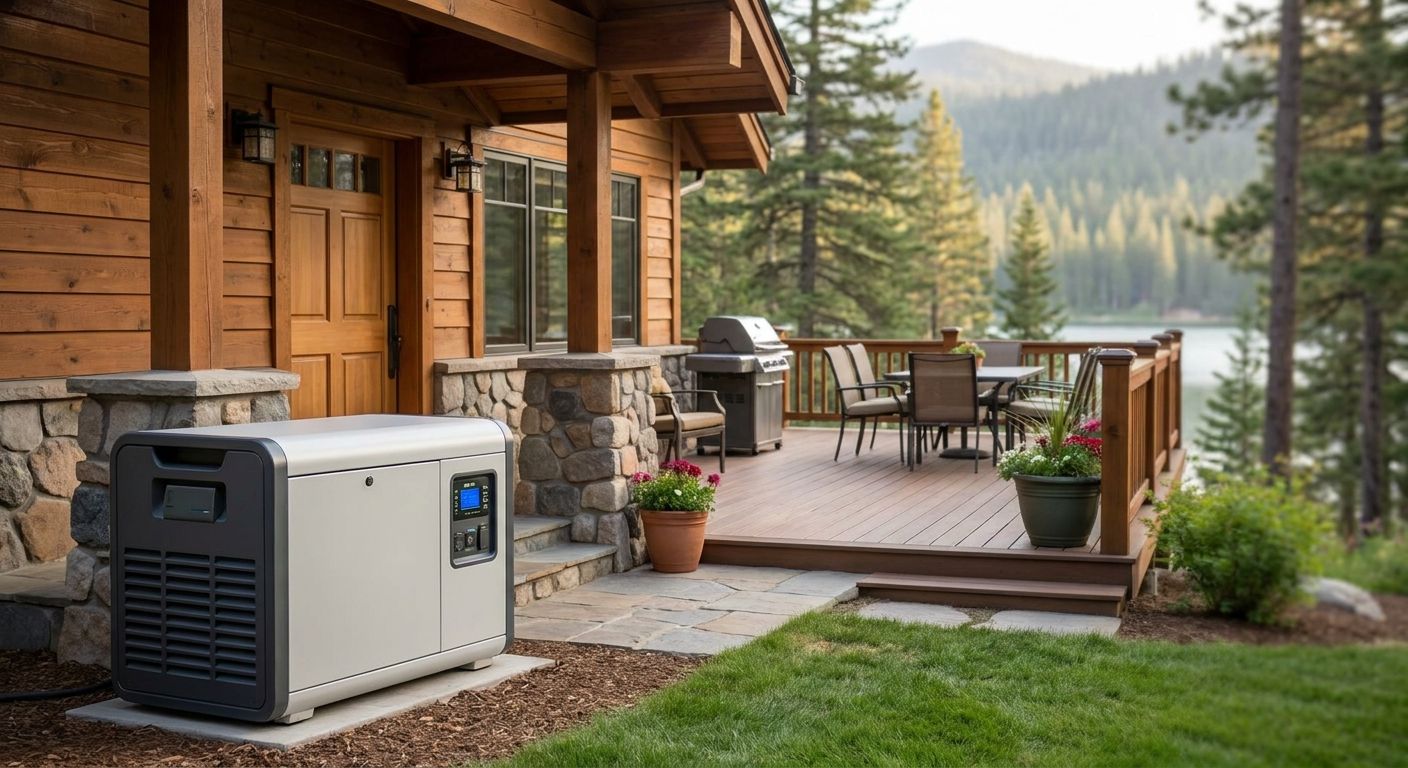
22kW air-cooled standby - the workhorse pick. Covers a single walk-in cooler, a few reach-in cases, register power, and lighting for stands under roughly 3,000 sq ft. Runs on natural gas or propane and handles the surge load of a compressor kicking on without dimming lights or tripping. Buy for typical single-cooler produce stands in Daphne or Fairhope.
48kW liquid-cooled standby - the multi-freezer pick. Built for farm markets running two or more freezer units, a walk-in cooler, POS systems, and full lighting simultaneously. Liquid cooling holds up better under continuous coastal-heat operation than air-cooled units at this size. Consider for full-scale farm markets with multiple vendors or expanded cold storage.
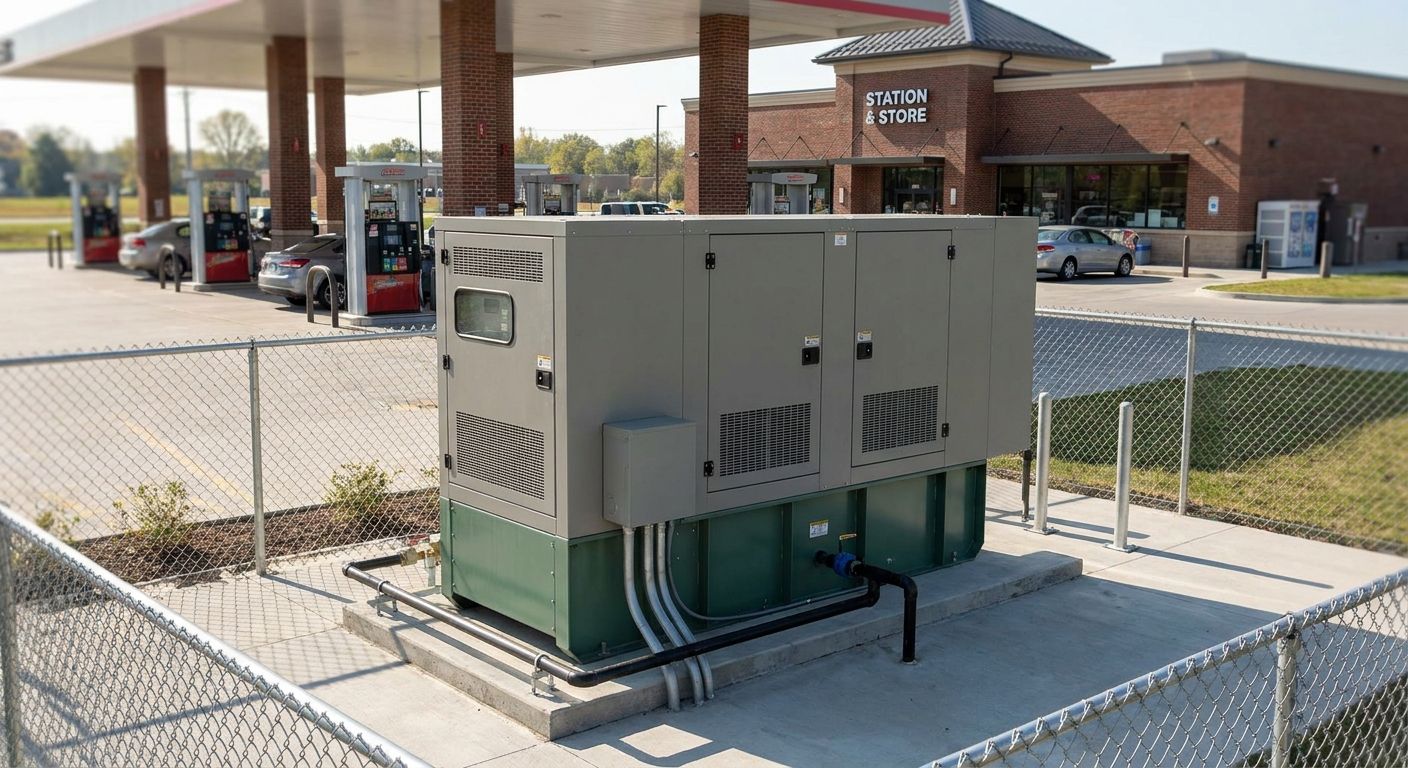
60kW+ commercial standby - the multi-vendor market pick. Sized for shared farm market facilities with multiple stalls, shared refrigeration, and combined electrical service. Overbuilt for a single stand but right for a market operator managing several tenants' loads on one system. Consider only if you're the facility owner covering shared infrastructure, otherwise Skip.
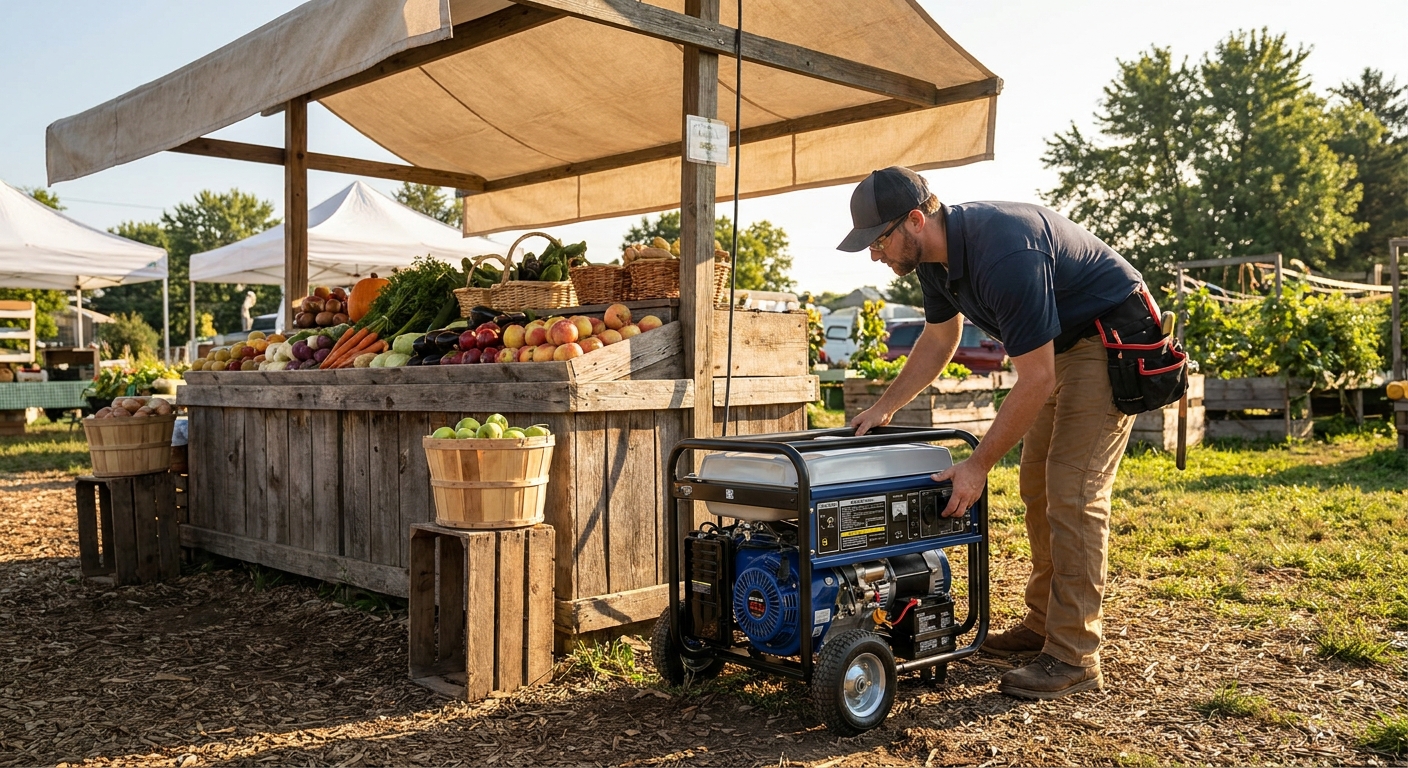
Portable 7,500W inverter - the seasonal-only pick. Handles lighting, a register, and small equipment for stands with no continuous refrigeration. Cannot hold a walk-in cooler compressor's startup surge reliably. Skip for any stand running a cooler or freezer beyond a few hours a day.
Under 5,000W portable units - the false-economy pick. Cheap upfront but undersized for anything beyond phone chargers and a few lights. Owners who buy these expecting to run a cooler during an outage find out the hard way when the compressor trips the unit. Skip for any refrigerated farm market operation.
What to avoid
- Manual-only transfer switches on unattended stands - if nobody's on-site during a storm, the generator never engages.
- Undersized portable units marketed as "whole stand" solutions - a 5,000W unit looks affordable next to a $6,000+ standby system but can't hold refrigeration load past a short surge.
- Skipping the permit and inspection process - an uninspected install can void insurance coverage on a refrigeration loss claim, which defeats the entire point of the generator.
Get your farm market power sized right
Free on-site load assessment for produce stands and farm markets in coastal Alabama.
Verdict comparison
| Option | Best for | Runtime capability | Verdict |
|---|---|---|---|
| 22kW air-cooled standby | Single-cooler stands | Continuous, fuel-dependent | Buy |
| 48kW liquid-cooled standby | Multi-freezer markets | Continuous, fuel-dependent | Consider |
| 60kW+ commercial standby | Multi-vendor facilities | Continuous, fuel-dependent | Consider |
| Portable 7,500W inverter | Seasonal, no refrigeration | Hours, fuel-limited | Skip |
| Under 5,000W portable | Lighting/register only | Hours, fuel-limited | Skip |
Baldwin County Generators sizes standby systems around actual refrigeration load rather than square footage, which is the single most common sizing mistake owners make before calling a licensed electrician.
FAQ
What size generator does a produce stand need?
Most single-cooler produce stands under 3,000 sq ft run well on a 22kW standby generator in 2026. Stands with multiple freezers or a walk-in cooler plus refrigerated cases often need 48kW or higher.
Is a portable generator enough for a farm market?
A portable generator works only for seasonal stands with no continuous refrigeration. Any stand running a cooler or freezer needs a standby system since portables can't hold the compressor's startup surge for long.
How much does generator installation cost for a farm market?
Standby generator installation for a farm market typically runs from the mid-thousands for a 22kW air-cooled unit up to well beyond that for 48kW-plus liquid-cooled systems, depending on fuel type, transfer switch setup, and site work. A licensed electrician can quote an exact number after a load assessment.
Do farm markets need a permit for generator installation in Baldwin County?
Yes, Baldwin County requires permits for standby generator installation, and skipping this step can create liability if an insurance claim follows a refrigeration loss. A licensed contractor handles permitting and inspection as part of the install.
What fuel type is best for a farm market generator?
Natural gas offers unlimited runtime as long as the gas line holds, which matters most during multi-day storm outages. Propane and diesel work too but require on-site fuel storage sized for at least a 72-hour outage window.
Can a standby generator run a walk-in cooler during a hurricane outage?
Yes, a properly sized standby generator with an automatic transfer switch keeps a walk-in cooler running through a multi-day hurricane outage without anyone on-site. This is the main reason farm markets in coastal Alabama install standby systems instead of relying on portables.
How fast does a standby generator kick in after an outage?
An automatic transfer switch starts the generator and shifts the electrical load within seconds of detecting a grid failure. That speed is what protects refrigerated inventory during an unattended overnight or storm-season outage.
Is generator installation for farm markets different from residential installation?
Yes, farm markets carry continuous refrigeration and point-of-sale loads that differ from a residential kitchen's cycle, so sizing is based on cooling equipment rather than square footage. Coastal-rated enclosures also matter more given salt-air exposure on outdoor stands.
One last thing
The 72-hour outage window isn't a worst-case estimate - it's the baseline planning number for coastal Alabama based on recent storm-season grid recovery patterns, and it's the number that should drive fuel tank sizing, not a guess at how long a storm might last. Stands that size fuel storage for a week instead of three days rarely regret the extra tank capacity.