Physical therapy clinics across coastal Alabama run on equipment that can't tolerate a dead outlet - ultrasound units, e-stim machines, hydrotherapy pumps, and refrigerated cold packs all fail the moment the grid does, and hurricane season turns that risk into a near-certainty every year from June through November.
- A 22kW air-cooled unit covers a 1-3 room PT clinic with basic modalities - buy for most Daphne and Fairhope practices.
- Hydrotherapy pools and imaging equipment push load past 38kW; undersized units trip under peak draw.
- Automatic transfer switches under 10 seconds keep patient monitoring and refrigeration compliant during outages.
- Portable generators are not code-legal for permanent clinic standby power - skip them entirely.
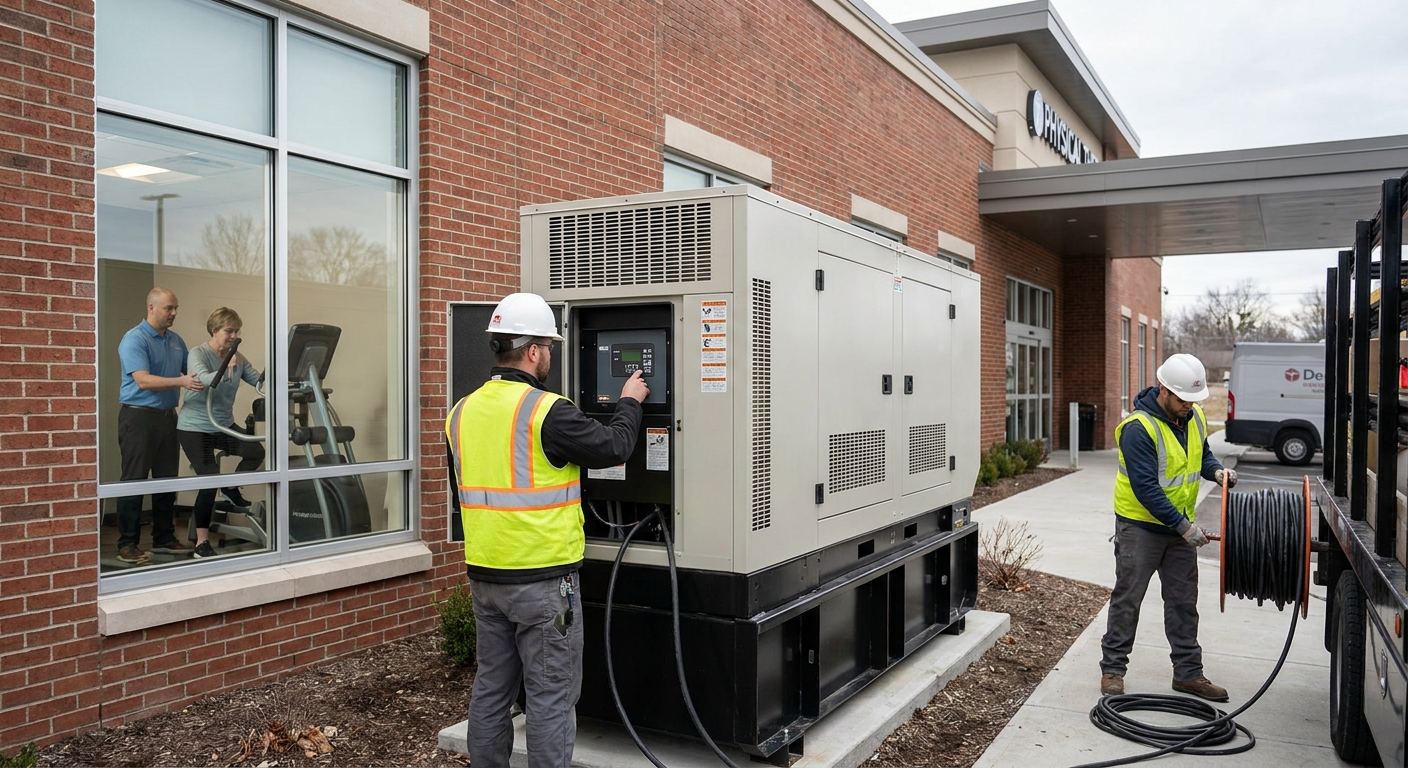
- Generator installation for physical therapy clinics in Baldwin County requires a licensed electrical contractor and a county permit.
Why this matters
A physical therapy clinic loses more than lighting during a power outage - it loses the ability to treat patients safely. Refrigerated gel packs spoil within hours, electrical modalities shut down mid-session, and any clinic billing Medicare or private insurance for that visit has to reschedule and eat the lost revenue.
Gulf Shores and Foley clinics saw multi-day outages after recent tropical storms, and a standby generator sized correctly is the difference between a one-hour blip and a week of cancelled appointments. Baldwin County Generators installs standby systems built around clinical loads, not just square footage.
Who this is for
This guide is for practice owners and office managers running outpatient physical therapy clinics in Daphne, Fairhope, Foley, Gulf Shores, and surrounding coastal Alabama communities who need standby power that keeps modalities, refrigeration, and HVAC running through a grid failure - not a homeowner shopping for whole-house backup.
What to look for in generator installation for physical therapy clinics
Accurate clinical load calculation
A PT clinic's electrical load isn't just lights and outlets - it's ultrasound units, e-stim carts, hydrotherapy pumps, ice machines, and often a small server rack for scheduling and billing software. Undersizing by even 5kW causes nuisance tripping the first time two treatment rooms run modalities simultaneously.
Transfer switch speed
An automatic transfer switch rated at 10 seconds or faster keeps refrigerated cold packs and any temperature-sensitive supplies within safe range during the switchover. Slower manual transfer means someone has to physically flip a switch - not workable in a clinic with patients on the table.
Fuel type and supply
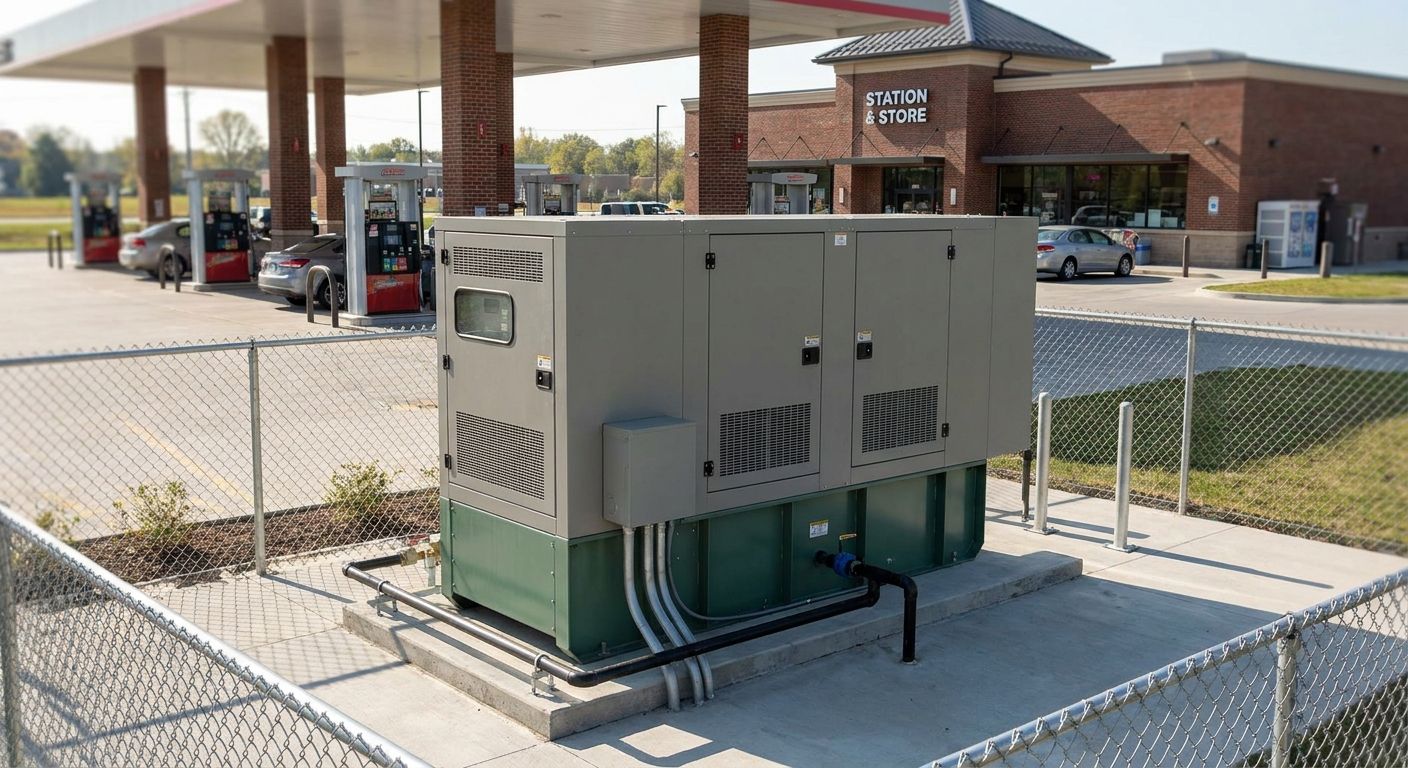
Natural gas units run indefinitely as long as the utility line holds, which covers most extended outages without refueling. Propane works where natural gas isn't available but needs a tank sized for at least 5-7 days of runtime, since fuel trucks can't always reach coastal roads immediately after a storm.
Sound level and placement
Clinics share parking lots, strip-mall walls, and sometimes residential neighbors, so a generator running at 68 dB at full load next to a shared entrance draws complaints fast. Placement also has to clear setback requirements from windows and fresh-air intakes per local code.
Permitting and licensed installation
Baldwin County requires a permit and inspection for any permanent standby generator installation, and insurance carriers frequently ask for proof of licensed electrical work before covering equipment damage claims. A licensed master electrician handling the generator installation for physical therapy clinics also signs off on the load calc, which protects the clinic if equipment fails during an outage.
Maintenance contract
A generator that hasn't been exercised in six months can fail on the one day it's needed. Clinics running compliance-sensitive equipment should have a maintenance schedule with quarterly checks, not annual.
Top picks for physical therapy clinic standby power
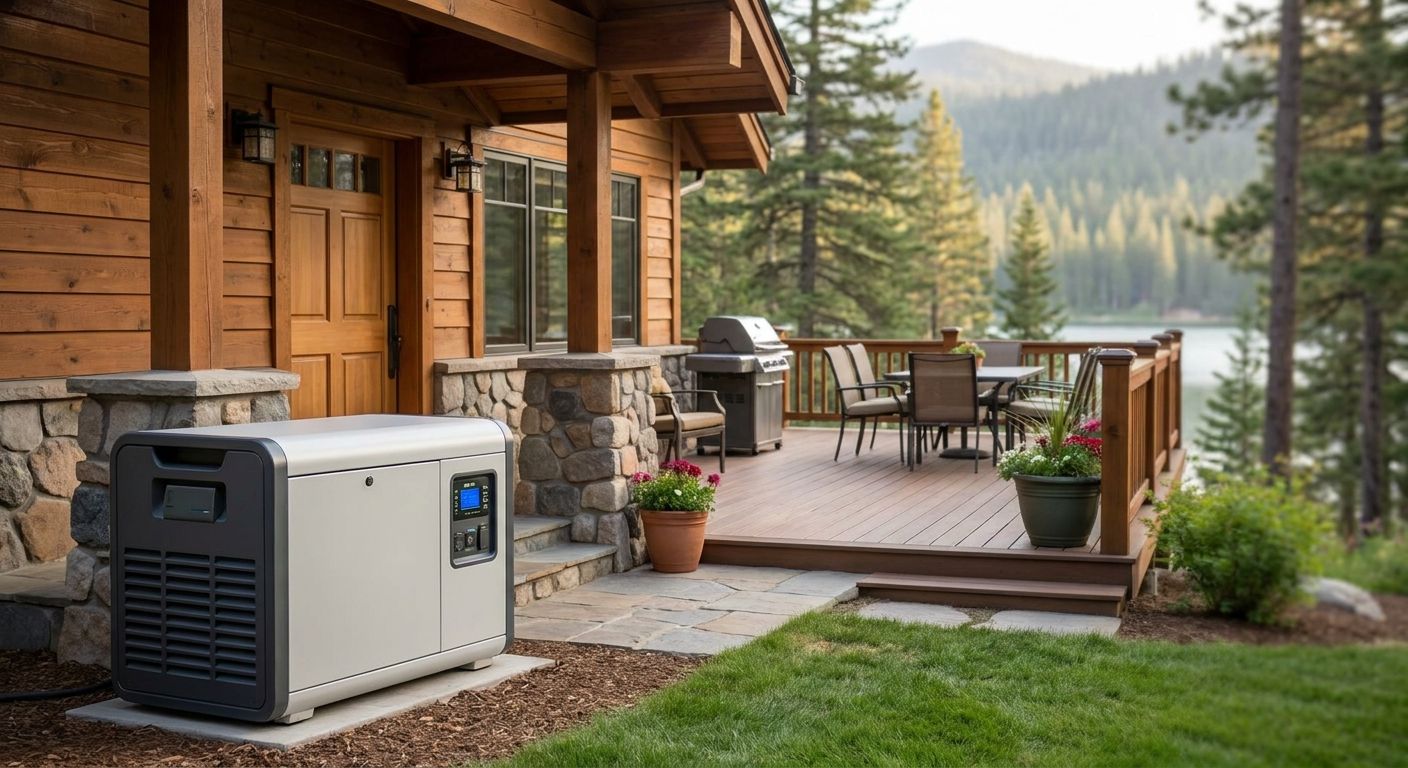
The baseline pick - 22kW air-cooled unit. Covers a 1-3 treatment room clinic running standard modalities, refrigeration, and office systems on a single natural gas line. Handles roughly 12-15 circuits without derating. Buy for most single-location outpatient clinics in Fairhope or Daphne.
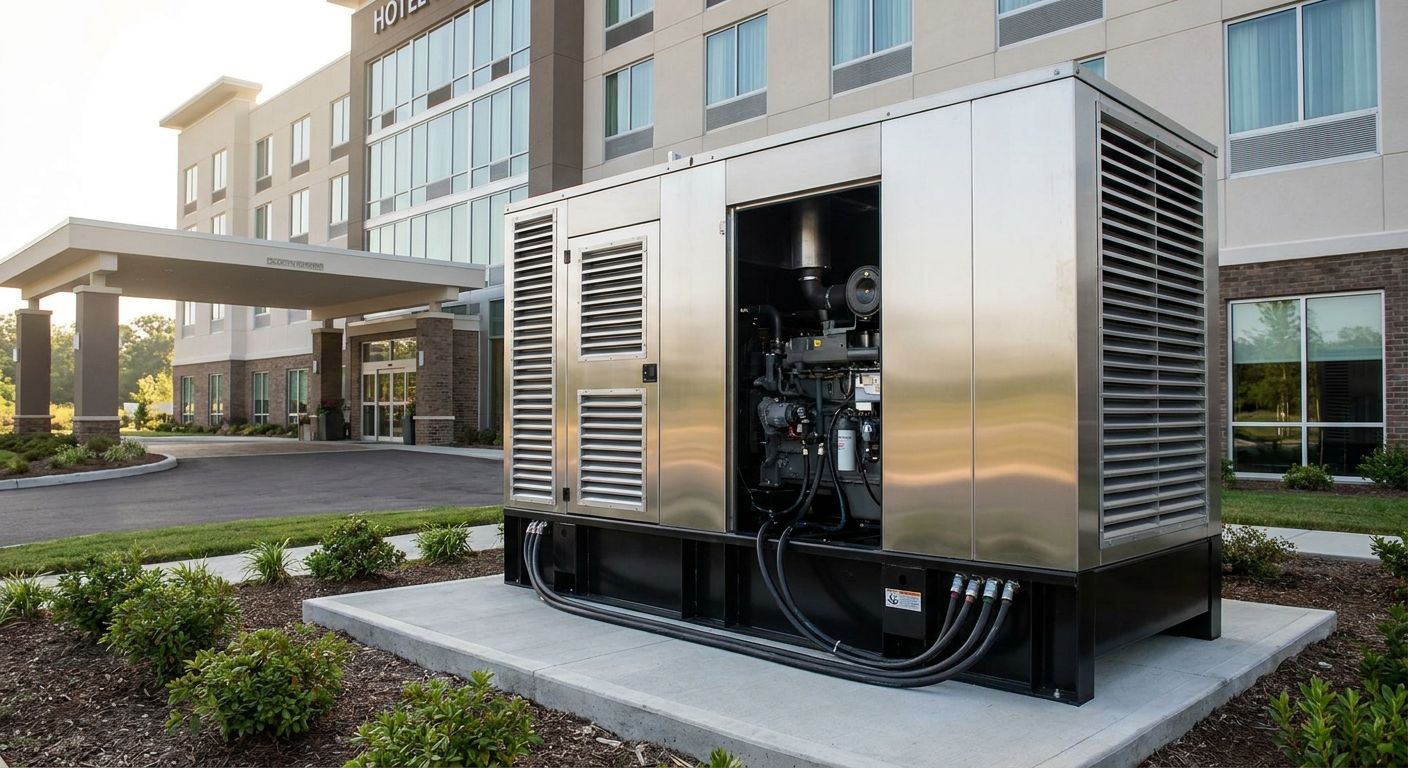
The hydrotherapy pick - 38kW air-cooled unit. Needed once a clinic runs a hydrotherapy pool pump, an ice machine, and a full imaging suite alongside standard treatment equipment. Draws more startup amperage but still fits most commercial pads without a dedicated concrete apron. Consider if the clinic has more than 4 treatment bays or any water therapy component.
The multi-location pick - 60kW+ liquid-cooled unit. Fits clinics attached to a larger medical building or sharing load with imaging, sterilization, or a small pharmacy. Liquid-cooled units run quieter under sustained load and last longer at high duty cycles. Buy only if the clinic shares a building with other medical tenants and the load calc confirms the need.
The stopgap that isn't - portable gas generator. Rated for job-site tools, not clinical equipment, and can't legally tie into a building's electrical panel without a transfer switch, which most portable units don't include. Fuel runs out in 8-10 hours and needs manual refueling during a storm when roads may be impassable. Skip for any clinic that treats patients on a regular schedule.
The undersized trap - 14kW residential-grade unit. Looks like a bargain on price but stalls the moment a second treatment room runs e-stim and the HVAC compressor kicks on simultaneously. Built for occasional home use, not daily clinical duty cycles. Skip unless the clinic is a single-provider office with minimal equipment.
Get a generator sizing quote
Free load calculation for your clinic's equipment and square footage.
What to avoid
- Sizing by square footage alone. A 1,800 sq ft clinic with a hydrotherapy pool needs more capacity than a 3,000 sq ft clinic with just exam tables - square footage ignores equipment draw.
- Skipping the automatic transfer switch to save on cost. Manual transfer switches save a few thousand dollars upfront but leave refrigerated supplies exposed during every outage until someone physically responds.
- Hiring an unlicensed installer for a lower quote. Insurance claims and county inspections both require proof of licensed electrical work; an uninspected install can void equipment coverage entirely.
Verdict comparison
| Option | Clinical load capacity | Fuel | Verdict |
|---|---|---|---|
| 22kW air-cooled | 1-3 treatment rooms | Natural gas/propane | Buy |
| 38kW air-cooled | 4+ rooms, hydrotherapy | Natural gas/propane | Consider |
| 60kW+ liquid-cooled | Multi-tenant medical building | Natural gas | Buy if shared load |
| Portable gas unit | Job-site only | Gasoline | Skip |
| 14kW residential unit | Single-provider office only | Natural gas/propane | Skip |
FAQ
What size generator does a physical therapy clinic need?
Most single-location outpatient clinics with 1-3 treatment rooms need a 22kW standby unit. Clinics with hydrotherapy pools, imaging, or 4+ treatment bays typically need 38kW or higher based on a clinical load calculation.
Is generator installation for physical therapy clinics required by code in Alabama?
Standby generators aren't mandated by state code for standard outpatient PT clinics, but any permanent installation requires a Baldwin County permit and inspection regardless of clinic type. Clinics billing Medicare should check payer-specific continuity requirements separately.
How long does a standby generator run during an outage?
A natural gas unit runs indefinitely as long as the utility gas line stays intact, which covers most outages including multi-day hurricane events. Propane units run 5-7 days on a properly sized tank before needing a refuel.
Can a portable generator power a physical therapy clinic?
No, a portable generator isn't a legal or practical substitute for permanent standby power in a clinic setting. It lacks an automatic transfer switch, runs out of fuel in 8-10 hours, and can't be tied safely into a building's electrical panel without additional equipment.
How much does generator installation cost for a small clinic?
Installed cost for a 22kW commercial-grade unit typically runs several thousand dollars above the unit price once permitting, transfer switch, and gas line work are included. Exact pricing depends on panel location, gas line distance, and pad requirements - get a site-specific quote before budgeting.
How often should a clinic's standby generator be serviced?
Clinics running compliance-sensitive equipment should schedule quarterly maintenance checks rather than the standard annual service. Regular exercise cycles catch battery and fuel issues before an actual outage exposes them.
Does a standby generator protect refrigerated medical supplies during an outage?
Yes, as long as the transfer switch activates within 10 seconds, refrigerated cold packs and temperature-sensitive supplies stay within safe range. Slower manual transfer switches leave a gap where spoilage risk starts building immediately.
Which generator brands are common for clinical standby installs?
Generac and Kohler both make commercial-grade units sized for clinic loads, with liquid-cooled options available for higher-capacity multi-tenant buildings. Honeywell and Briggs & Stratton units also cover smaller single-provider clinics.
One last thing
Hurricane season runs June 1 through November 30 in Alabama, and clinics that wait until a storm is named to call about generator installation for physical therapy clinics end up on a multi-week install backlog right when demand peaks - the clinics that get quoted in spring lock in installation dates before the rush hits.