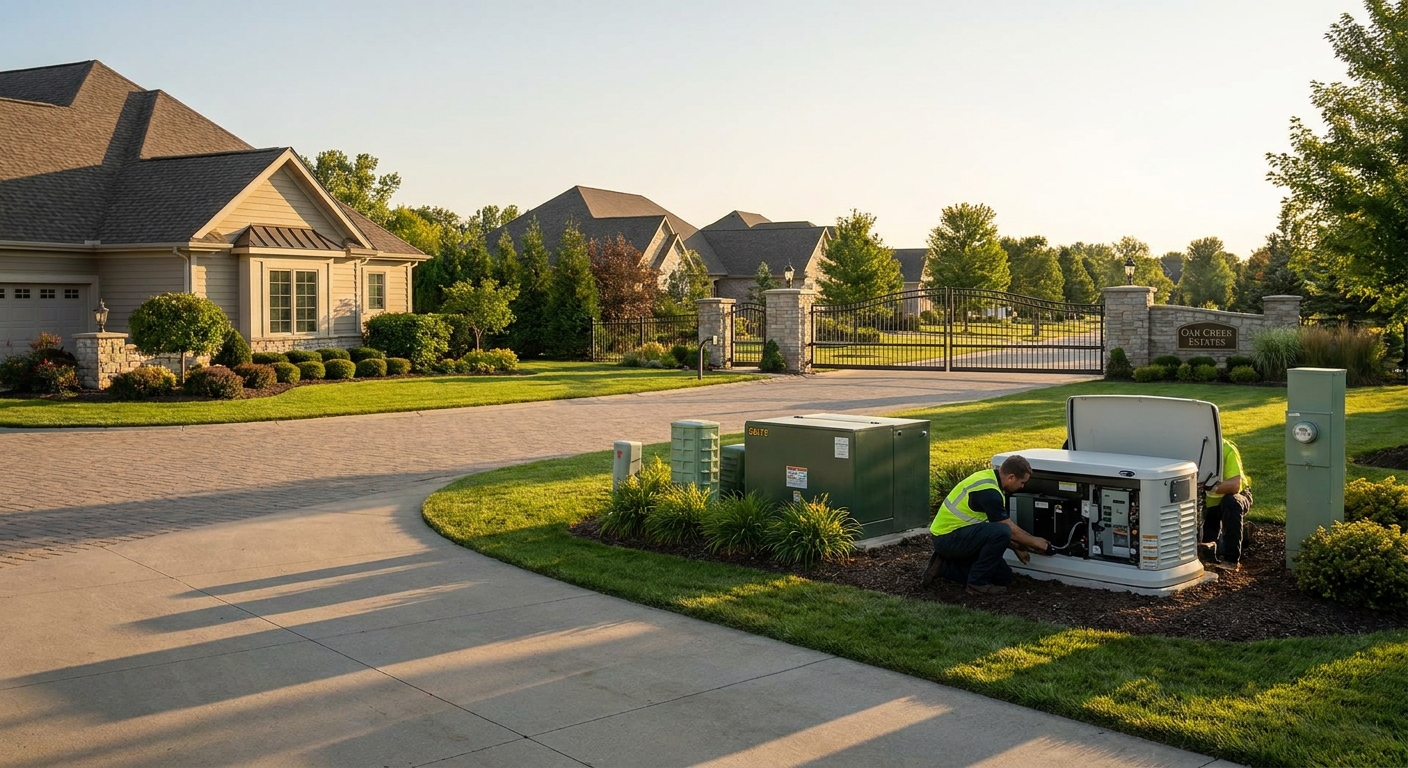
Getting a standby generator into a gated community or HOA-governed neighborhood in coastal Alabama takes more than a truck and a permit - it takes an installer who knows how architectural review boards, sound ordinances, and shared-property lines change the job.
- A 22kW whole-home standby generator clears most HOA sound and setback rules in Baldwin County - Buy for single-family homes.
- Clubhouse and amenity-center generators need commercial-grade sizing, not a residential unit stretched too far - Consider before buying.
- Whisper-quiet units under 65 dB at 23 feet satisfy the strictest gated-community noise codes - Buy if your HOA caps sound output.
- Portable generators are a stopgap, not a fix, for HOA properties that require permanent, code-compliant installation - Skip for anything beyond a bridge solution.
- Generator installation for HOA and gated communities in 2026 starts with architectural review approval, not equipment selection.
Why this matters
HOA boards and gated-community management companies don't just approve a generator purchase - they approve placement, noise output, fencing, and sometimes the brand itself. Skip that step and homeowners in Fairhope, Daphne, Foley, or Gulf Shores can end up with a fully wired standby unit they're legally required to remove.
Atlantic hurricane season runs June 1 through November 30, and coastal Alabama sits squarely in the path of tropical systems most years. Waiting until a storm is named to start the approval process means a 2026 installation slips past the season it was meant to cover. Baldwin County Generators works these approvals alongside the mechanical install, which is the difference between a generator running by August and one still sitting in a review queue in October.
Who this is for
This guide is for homeowners inside an HOA or gated development in coastal Alabama who want a standby generator installed without a stop-work order from the architectural review board - and for board members trying to set a sane policy before residents start submitting requests one at a time.
What to look for in generator installation for HOA and gated communities
Architectural review board approval process
Most HOAs require a submitted site plan, generator model spec sheet, and sometimes a screening or fencing plan before any concrete pad gets poured. An installer who has already worked inside your specific community, or one like it, moves that packet through faster than a homeowner submitting cold.
Sound rating and placement rules
Gated communities frequently set a maximum decibel limit measured at the property line or a neighboring window, and the generator's placement relative to setbacks matters as much as the unit's rated output. A generator that's fine on an acre lot in unincorporated Baldwin County can violate a 65 dB limit on a tighter HOA lot.
Sizing for the actual load, not the average home
HOA homes in golf and coastal developments run larger HVAC systems, well pumps, and sometimes pool equipment on the same panel. A generator sized off a national average square footage chart under-serves these homes during a real outage.
Licensed, insured installer with permit history in your county
Electrical permits, gas line work, and propane tank placement all require inspection sign-off, and an installer who has pulled permits in your specific municipality already knows the inspector's expectations. Licensed and insured status isn't optional here - it's what the HOA's insurance carrier will ask about if anything goes wrong.
Fuel source availability in your specific development
Some gated communities run natural gas to every lot; others rely entirely on propane tanks, which brings its own setback and screening requirements. Confirming fuel availability before selecting a generator model avoids a mid-project redesign.
A maintenance plan built for repeat visits
Communities with dozens of installed units benefit from a service provider who already knows the property, the gate code, and the HOA's contact for access - not a different crew every visit.
Top picks for HOA and gated-community installations
The safe pick: whole-home standby generator, 22kW class This is the size that covers HVAC, well pump, and kitchen circuits on a typical 2,500–3,500 square foot HOA home without oversizing the pad or the propane tank. Installation typically runs three to five days from permit pull to startup test. Buy for single-family homes inside most Baldwin County HOAs.
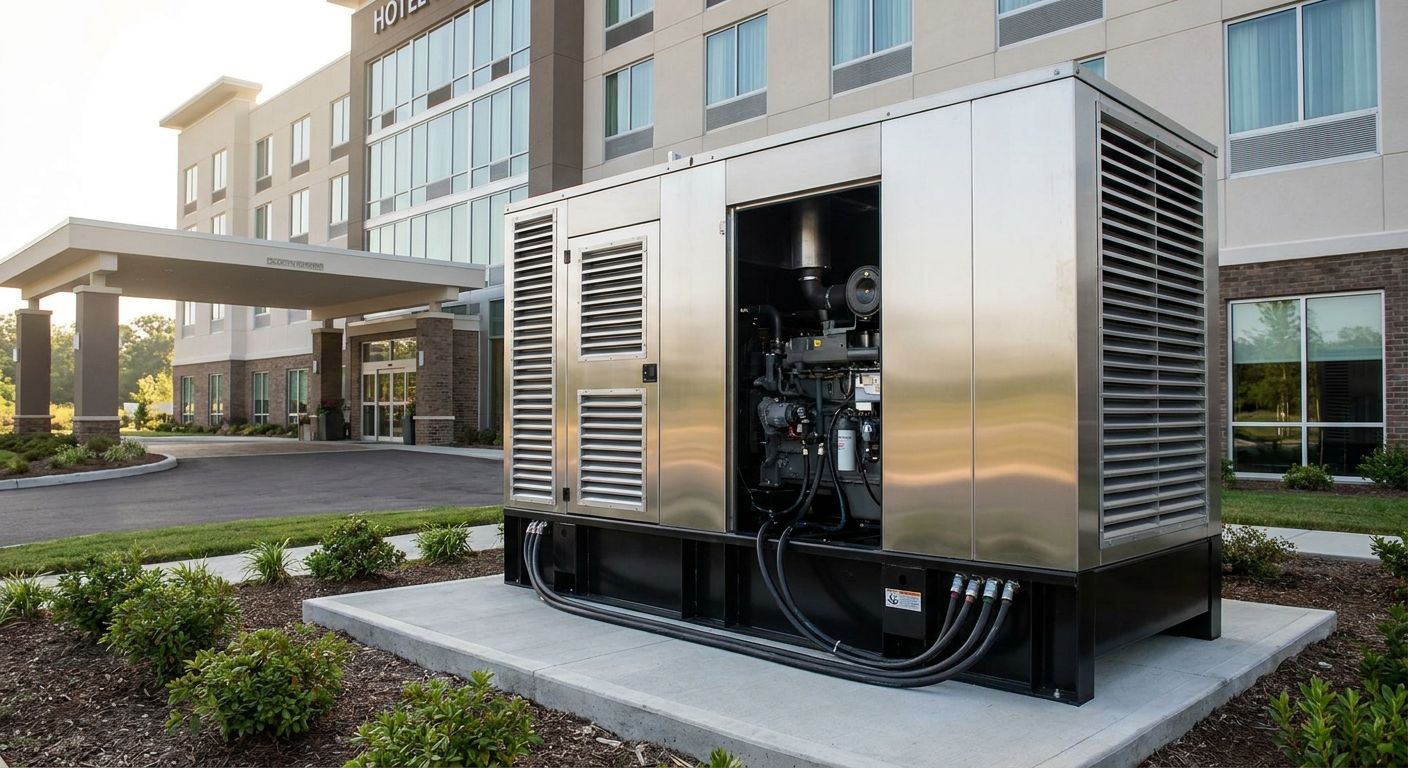
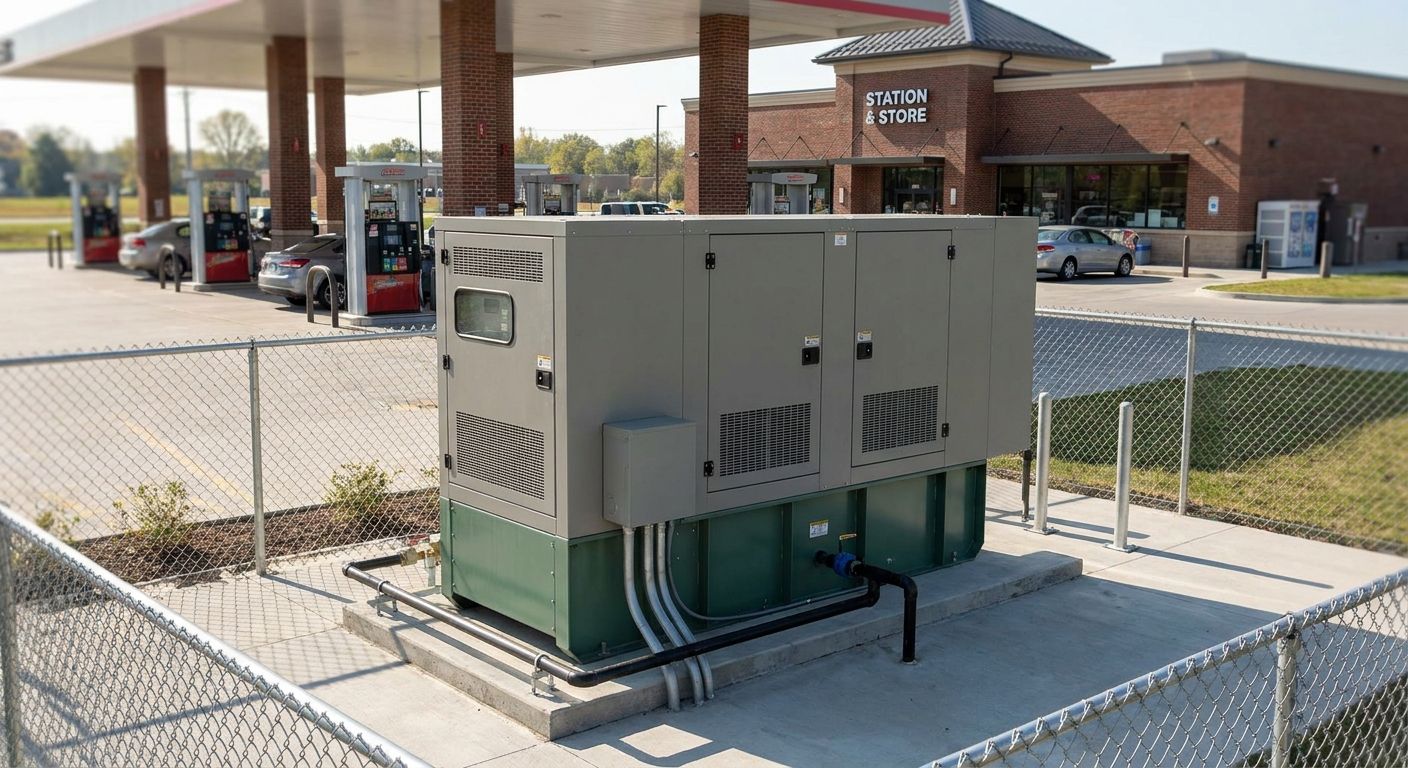
The community pick: commercial-grade unit for clubhouse and amenity centers Shared spaces - clubhouses, pool pump houses, guard gates - draw more continuous load than a single home and need a unit rated for commercial duty cycles, not a residential model pushed past its spec. HOA boards should budget for a separate approval process since these installs often sit on association-owned property rather than a private lot. Consider this route if the community is planning to keep the gate, lighting, and clubhouse operational during extended outages.
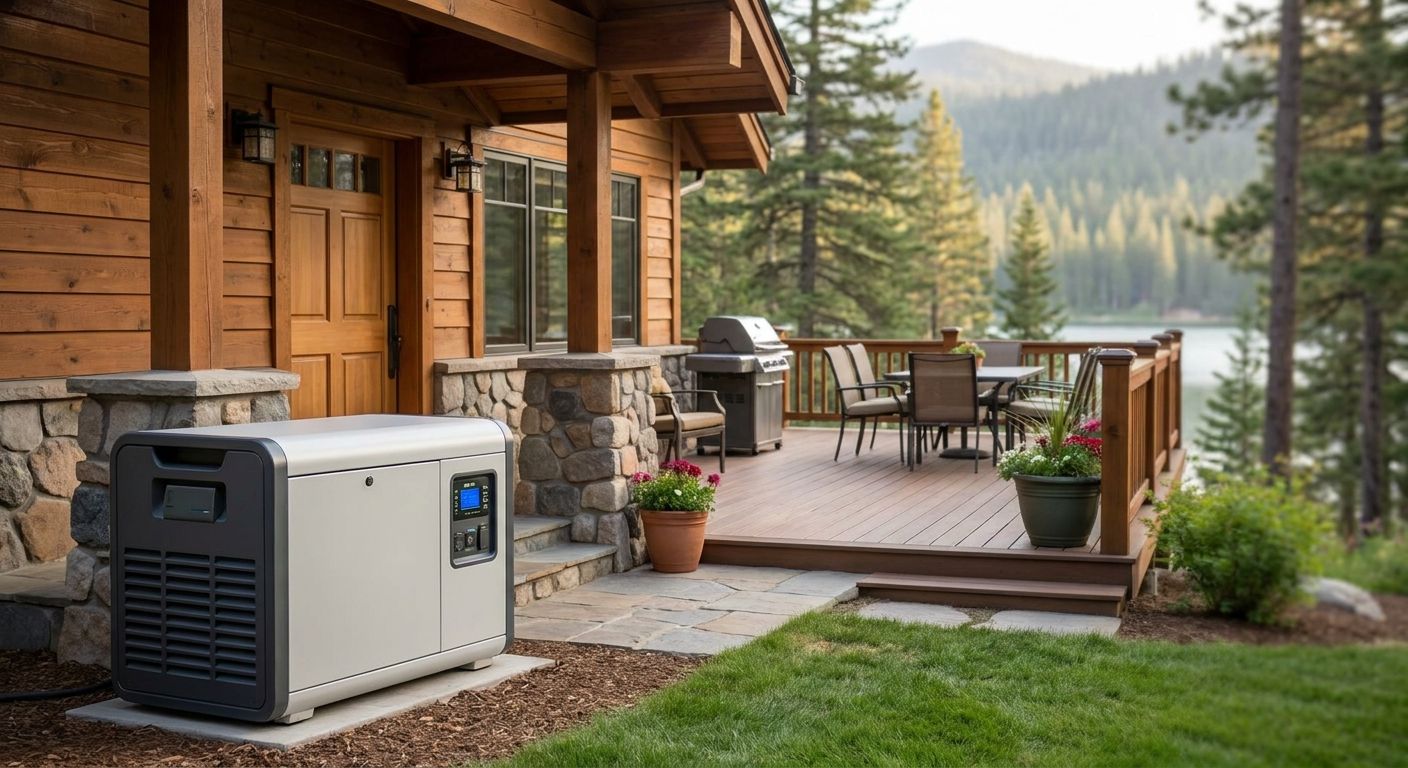
The quiet pick: whisper-rated unit under 65 dB at 23 feet Strict gated communities sometimes set noise limits tighter than county code, and a standard automatic transfer switch generator can run 5-10 dB louder than a whisper-rated model at the same output. Buy if your HOA's covenant specifies a decibel ceiling - this is the pick that clears review without a variance request.
The developer pick: multi-home bulk installation program Developers building new gated phases in Foley or Gulf Shores can standardize generator placement and fuel infrastructure before homes close, which is far cheaper than retrofitting one lot at a time. Consider this for any new-construction HOA phase still in the planning stage.
The stopgap: portable generator with manual transfer A portable unit gets power to a few circuits during an outage, but it doesn't satisfy most HOA covenants requiring a permanent, screened, code-compliant installation - and it puts a homeowner back in the fuel line every 8-10 hours. Skip this as anything but a temporary bridge while a permanent standby generator is scheduled.
What to avoid
- DIY or unlicensed installs that skip the ARC packet - even a perfectly wired generator gets a removal order if the HOA never approved the site plan.
- Undersized units marketed as "whole-home" that trip the main breaker the first time HVAC and well pump run together during a summer outage.
- Ignoring propane tank screening requirements - a tank visible from the street or a neighbor's yard is one of the most common HOA violations in coastal Alabama developments.
Verdict comparison
| Pick | Best for | Typical size | HOA approval complexity | Verdict |
|---|---|---|---|---|
| Whole-home standby (22kW class) | Single-family HOA homes | 22kW | Moderate | Buy |
| Commercial-grade clubhouse unit | Shared amenity spaces | Larger, commercial duty | High | Consider |
| Whisper-quiet unit (under 65 dB) | Strict noise-code communities | 20-24kW | Moderate | Buy |
| Bulk developer program | New-construction phases | Varies by lot | High, one-time | Consider |
| Portable generator | Temporary bridge only | 5-10kW | Low, but often non-compliant | Skip |
FAQ
Does an HOA have to approve generator installation?
Most HOAs and gated communities require architectural review board approval before generator installation, covering placement, screening, and sometimes sound output. Skipping this step can result in a removal order even after the generator is fully installed and running.
What size generator do I need for an HOA home in coastal Alabama?
Most single-family homes in Baldwin County HOAs need a 20-26kW class whole-home standby generator to cover HVAC, well pump, and kitchen circuits together. Homes with pool equipment or larger HVAC systems may need sizing above that range.
How loud can a generator be in a gated community?
Sound limits vary by HOA covenant, but many gated communities in coastal Alabama cap generator noise at or near 65 dB measured at the property line. Whisper-rated residential units are built specifically to clear these tighter limits.
How long does generator installation take once permits are approved?
A typical whole-home standby generator install runs three to five days from permit pull to startup test once the HOA and municipal permits clear. Commercial-grade installs for clubhouses or amenity centers often take longer due to added electrical scope.
Can I use a portable generator instead of a permanent standby unit in an HOA?
Portable generators rarely satisfy HOA covenants requiring permanent, screened, code-compliant installation, so they work only as a temporary bridge. Most gated communities expect a permanent standby generator for ongoing compliance.
Do gated communities require natural gas or propane for generators?
It depends on the development - some run natural gas to every lot, while others rely entirely on propane tanks with their own setback and screening rules. Confirming fuel availability before selecting a generator model avoids a mid-project redesign.
Who handles HOA approval paperwork for generator installation?
An installer with permit and review-board history in your specific community can prepare and submit the site plan, spec sheet, and screening plan alongside the mechanical install. Homeowners submitting the packet alone often face longer review timelines.
When should I start generator installation before hurricane season?
Start the HOA approval and permit process by early spring 2026 to have a standby generator running before hurricane season begins June 1. Installations started after a storm is named typically miss that season's coverage window entirely.
One last thing
The HOA approval packet, not the generator itself, is usually the longest step in the whole process - homeowners who start that paperwork in February have working generators well before June 1, while homeowners who wait until a storm forecast starts often don't get installed until after it passes. Generator installation for HOA and gated communities in 2026 rewards whoever starts the review process earliest, not whoever picks the biggest unit.