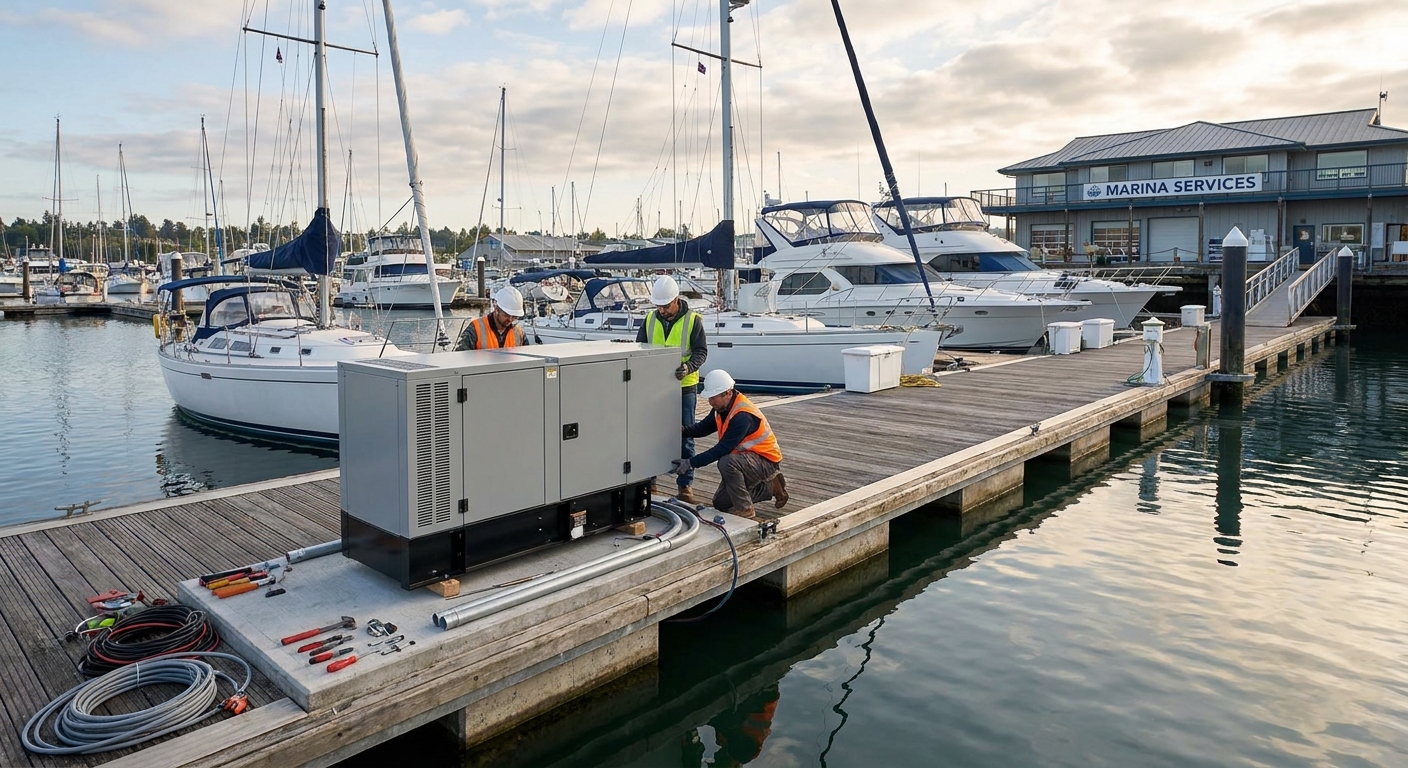
Coastal Alabama marinas lose shore power the moment a squall line crosses Mobile Bay, and that means dead bilge pumps, dark security lighting, and a fuel dock that can't run its pumps until the grid comes back. This guide covers what generator installation for boat docks and marinas actually requires in Baldwin County and which setups hold up in salt air.
- A 48kW liquid-cooled generator handles a full-service marina with a fuel dock; buy for redundancy.
- Portable generators fail NEC 555 wet-location rules for marinas; skip them entirely.
- Aluminum, corrosion-resistant enclosures matter more than brand name once salt air is in play.
- Licensed electrical contractor sign-off is required before a marina generator passes Alabama inspection.
- A 20kW unit covers lighting and small pumps at a single-slip dock, but not a fuel dispenser.
Who this is for
This guide is for marina owners, boat dock operators, and waterfront property managers in Daphne, Fairhope, Foley, and Gulf Shores who run fuel pumps, bait wells, lift motors, or security systems on shore power. If a single outage during hurricane season means spoiled inventory or a dock that can't service boats, a standby generator installation stops being optional. A licensed electrical contractor who understands marina-specific code is the difference between a system that passes inspection and one that gets flagged the first time an inspector shows up.
Why this matters
Marinas run equipment that homeowners don't: fuel dispensers, wet-location lighting, lift motors, and often a bait well or fish-cleaning station that needs continuous power. A residential-grade generator installed without marina-specific wiring can fail an inspection outright or, worse, energize a dock during a storm surge. Alabama's Gulf Coast marinas sit in flood zones where elevation and wet-location code (NEC Article 555) aren't optional add-ons - they're the baseline for any generator installation for boat docks and marinas.
What to look for in generator installation for boat docks and marinas
Corrosion-Resistant Enclosure
Salt air off Mobile Bay and the Gulf eats through standard steel enclosures inside a few storm seasons. Look for aluminum housing rated for coastal or marine environments - this matters more than the brand badge on the unit. A generator that rusts through its cabinet in 2026 costs more in early replacement than the upgrade would have cost at install.
Automatic Transfer Switch Rated for Marina Loads
A marina's transfer switch has to handle fuel dispenser circuits, dock lighting, and lift motors switching on simultaneously when power drops. A residential transfer switch undersized for that load will trip or fail to carry the panel, leaving fuel pumps dead exactly when boaters need them.
Fuel Type and Storage Placement
Propane and diesel units both work for marina standby power, but tank placement near a fuel dock triggers separate fire-code setback rules. Diesel tends to be the practical choice for larger liquid-cooled units feeding a full marina, since propane tank sizing gets impractical past 20kW of continuous draw.
Elevation and Flood Compliance
Baldwin County's waterfront parcels sit inside FEMA flood zones, and a generator installed below base flood elevation can get destroyed by the first storm surge it was meant to protect against. Elevation platforms or pad-mounted risers aren't cosmetic - they're what keeps the unit running after the water rises.
Licensed Installation Under NEC Article 555
Marina wiring falls under NEC Article 555, a separate code section from standard residential or commercial work. An installer who hasn't pulled a marina permit before will miss ground-fault protection requirements specific to docks, and that's the detail inspectors check first.
Top picks for marina and boat dock generators
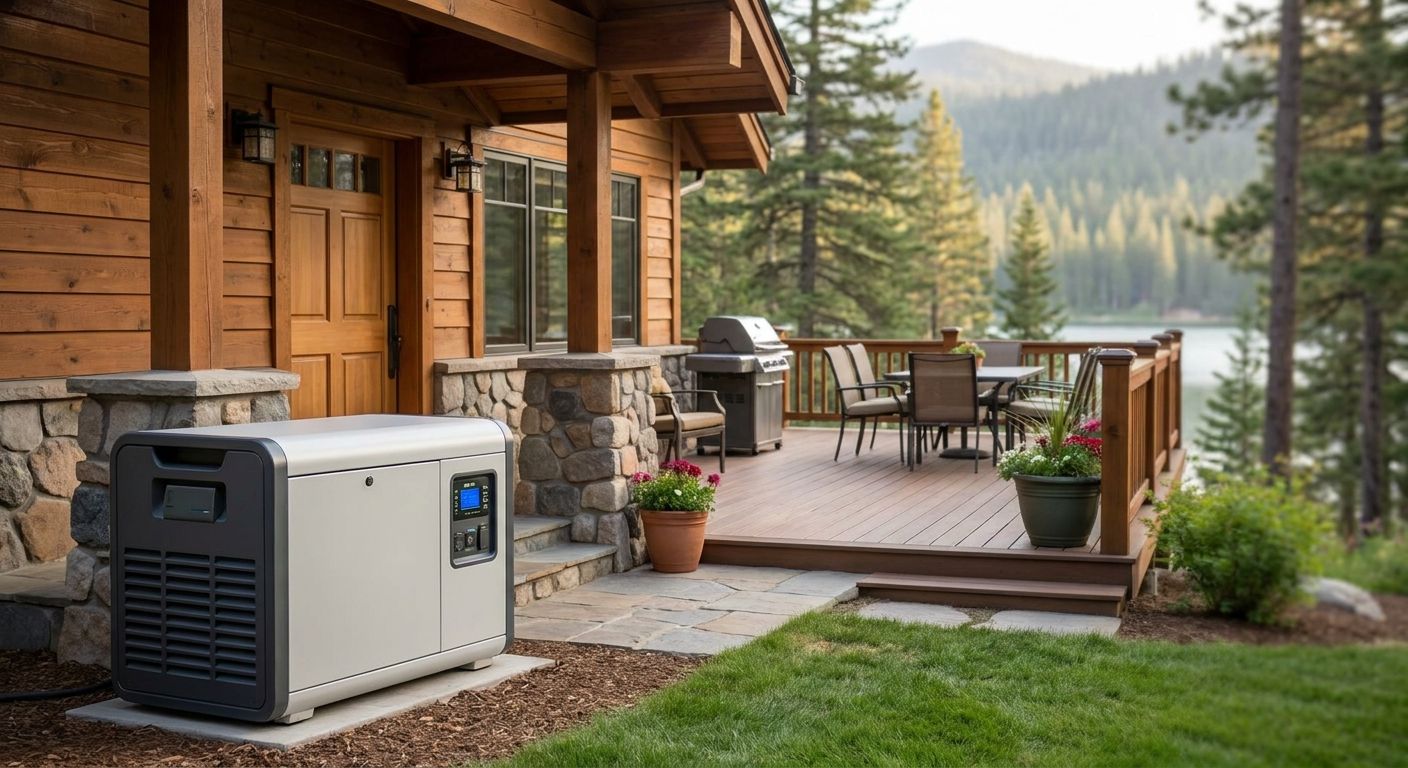
A 20kW air-cooled unit in an aluminum enclosure - the salt-air survivor. Rated for coastal installs and sized for a single-slip dock running lighting, a bait well, and a small pump. At roughly 20kW continuous output it won't carry a fuel dispenser, but for a private dock or small marina office it's enough. Buy for docks without fuel service.
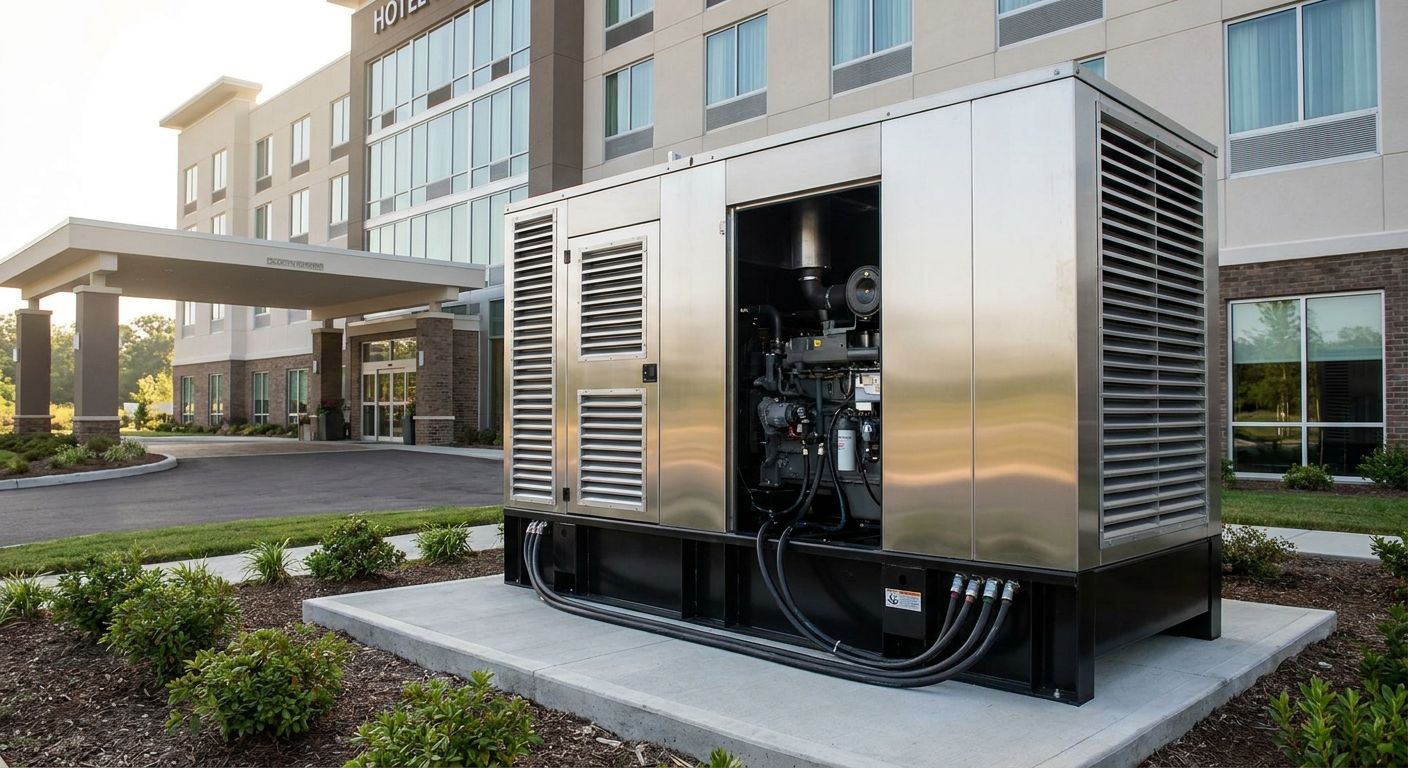
A 48kW liquid-cooled unit - the full marina workhorse. This size range covers a fuel dock, lift motors, and full dock lighting running at once, which is the load profile most Baldwin County marinas actually carry during a summer outage. Liquid-cooled units also hold up better under continuous run time than air-cooled models when a storm knocks out grid power for days. Buy for any marina with a fuel dispenser or more than two slips drawing power.
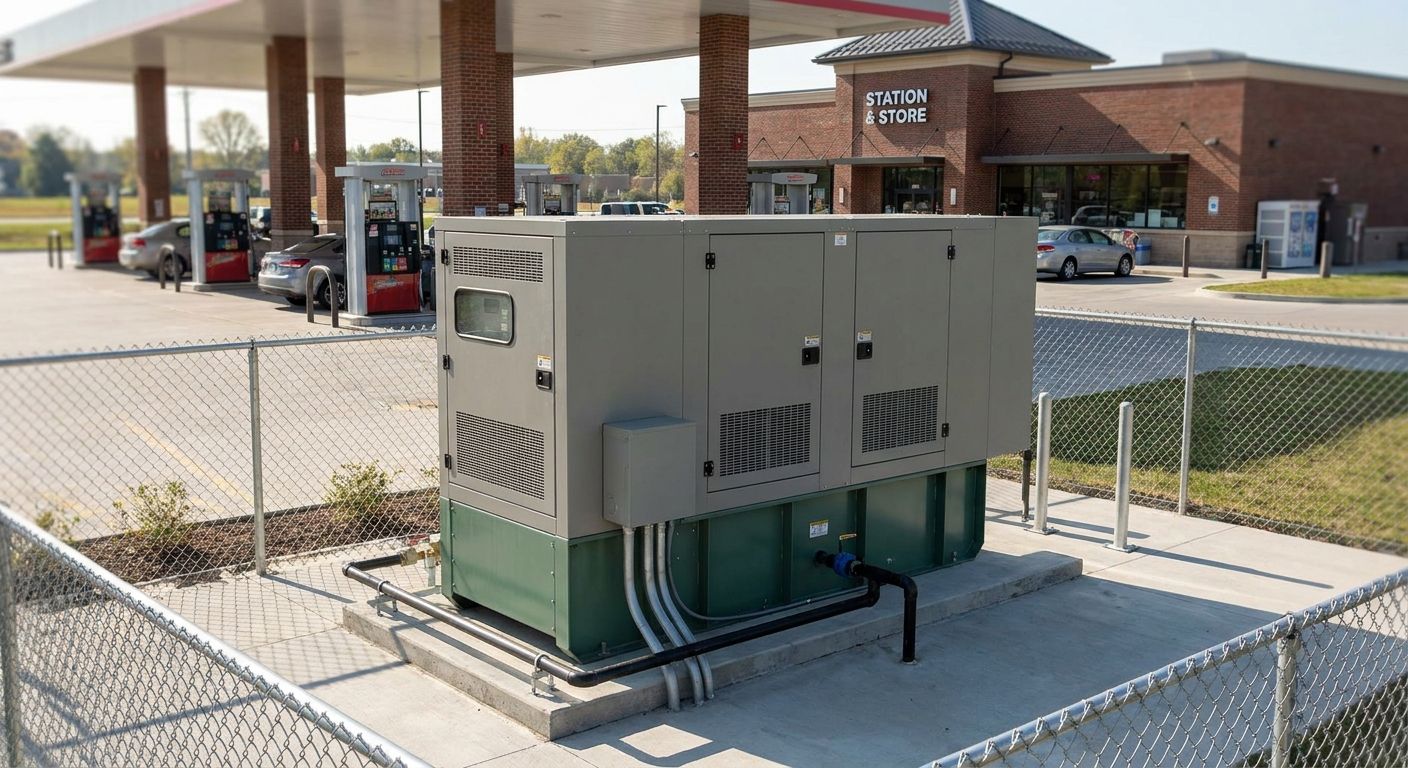
A 20kW mid-tier unit - the budget-conscious pick. Covers basic lighting and small pump loads at a lower upfront cost than the liquid-cooled options, but it tops out fast if the dock adds a lift or a second bait well later. Consider if the dock's load is small and fixed, not likely to grow.
A 17kW compact unit - the small dock pick. Fine for a single boathouse or personal dock with minimal equipment, but undersized the moment a marina adds fuel service or a second building. Consider only for non-commercial, single-owner docks.
A portable towable generator - the wildcard that looks cheaper on paper. It can't meet NEC 555 wet-location and grounding requirements for a fixed marina installation, and running extension cords across a dock during a storm is both a code violation and a shock hazard. Skip for any permanent marina or dock installation.
What to avoid
- Undersized air-cooled units under 20kW for a full-service marina - they look like a cost-saver until the fuel dispenser and lift motor try to draw power at the same time and the unit stalls.
- DIY or unlicensed installation - marina wiring under NEC 555 requires permitting most residential electricians haven't pulled before, and a failed inspection means re-doing the whole job.
- Standard steel enclosures near saltwater - they pass inspection on day one and start rusting through within a season or two of Gulf Coast humidity and salt spray.
Verdict comparison
| Generator size | Enclosure | Best for | Verdict |
|---|---|---|---|
| 17kW compact | Standard | Single boathouse, personal dock | Consider |
| 20kW air-cooled | Aluminum, coastal-rated | Small dock, no fuel service | Buy |
| 20kW mid-tier | Standard | Fixed, small commercial load | Consider |
| 48kW liquid-cooled | Aluminum, coastal-rated | Full marina with fuel dock | Buy |
| Portable towable | N/A | Nothing permanent | Skip |
FAQ
What size generator does a marina need?
Most full-service marinas with a fuel dock need 40-48kW of continuous output to run fuel pumps, lift motors, and lighting together. A single private dock without fuel service can run on 17-20kW.
Is a portable generator legal for a boat dock?
No. NEC Article 555 requires fixed, wet-location-rated equipment for marinas and docks, and a portable unit with extension cords does not meet grounding or enclosure requirements. It also creates a shock hazard on a wet surface during a storm.
Does a marina generator need to be elevated?
Yes, in most Baldwin County flood zones. Installation below FEMA base flood elevation risks total loss of the unit during storm surge, so a raised pad or platform is standard for waterfront installs in 2026.
What code applies to marina generator installation?
NEC Article 555 governs marina and boatyard electrical work, covering ground-fault protection, wiring methods, and receptacle placement specific to docks. It's a separate code section from standard residential wiring.
Diesel or propane for a marina generator?
Diesel is more practical past 20kW of continuous draw because propane tank sizing gets impractical at higher loads. Fuel dock proximity also triggers separate fire-code setback rules that affect tank placement either way.
How much power does a fuel dock draw?
A fuel dispenser alone can draw enough to push a small generator past its rated capacity when combined with lighting and pump loads. That's why marinas with fuel service typically need 40kW or more rather than a 20kW residential-grade unit.
Why does salt air matter for generator selection?
Standard steel enclosures corrode within one to two storm seasons in Gulf Coast salt air, while aluminum coastal-rated enclosures hold up for years longer. The enclosure material matters more than the generator brand for marina installs.
One last thing
The detail most marina owners miss isn't the generator size - it's the ground-fault protection required under NEC 555 for every dock receptacle, not just the generator's own circuit. A unit sized right but wired by someone unfamiliar with marina code still fails inspection on that detail alone, and it's the single most common reason a marina generator installation gets sent back before the 2026 storm season even starts.