Choosing between Kohler, Generac, Honeywell, and Briggs & Stratton for a coastal Alabama home comes down to corrosion resistance, run-time under humidity, and how fast a local dealer can get parts after a storm knocks out half the grid. This guide ranks the standby generator brands installers across Daphne, Fairhope, Foley, and Gulf Shores actually put on homes, not just what sells online.
TL;DR
For coastal Alabama homes in 2026, Kohler is the top overall pick for its aluminum enclosure and 5-year residential warranty, Generac wins on availability and price-to-kW value, and Honeywell (built on Generac's platform) is the budget-conscious runner-up. Briggs & Stratton holds up for smaller homes and light commercial use, but big-box or no-name import brands land a Skip verdict because parts and service networks near the Gulf Coast are thin. Baldwin County Generators installs and services all four primary brands across Baldwin County.
Why this matters
Hurricane season in coastal Alabama runs June through November, and salt air corrodes cheap steel enclosures inside two or three seasons. A generator that works fine in Ohio can fail early in Foley or Gulf Shores because the metal, gaskets, and control board housing weren't built for humidity and salt exposure.
The brand you pick also determines how fast you get parts after a named storm. When Hurricane season pushes demand statewide, dealers with strong regional inventory keep customers running while thin-network brands leave homeowners waiting weeks for a control board or transfer switch.
How this list was ranked
This ranking weighs four factors that matter specifically for coastal Alabama: enclosure material and corrosion resistance, published warranty terms, kW range fit for typical Baldwin County home loads (10kW to 26kW covers most single-family homes), and regional parts and service availability based on which brands licensed Alabama electrical contractors actually stock. Verdicts reflect how each brand performs against those four factors as of 2026, not marketing claims from manufacturer sites.
The ranked list
1. Kohler - the premium, storm-tested pick
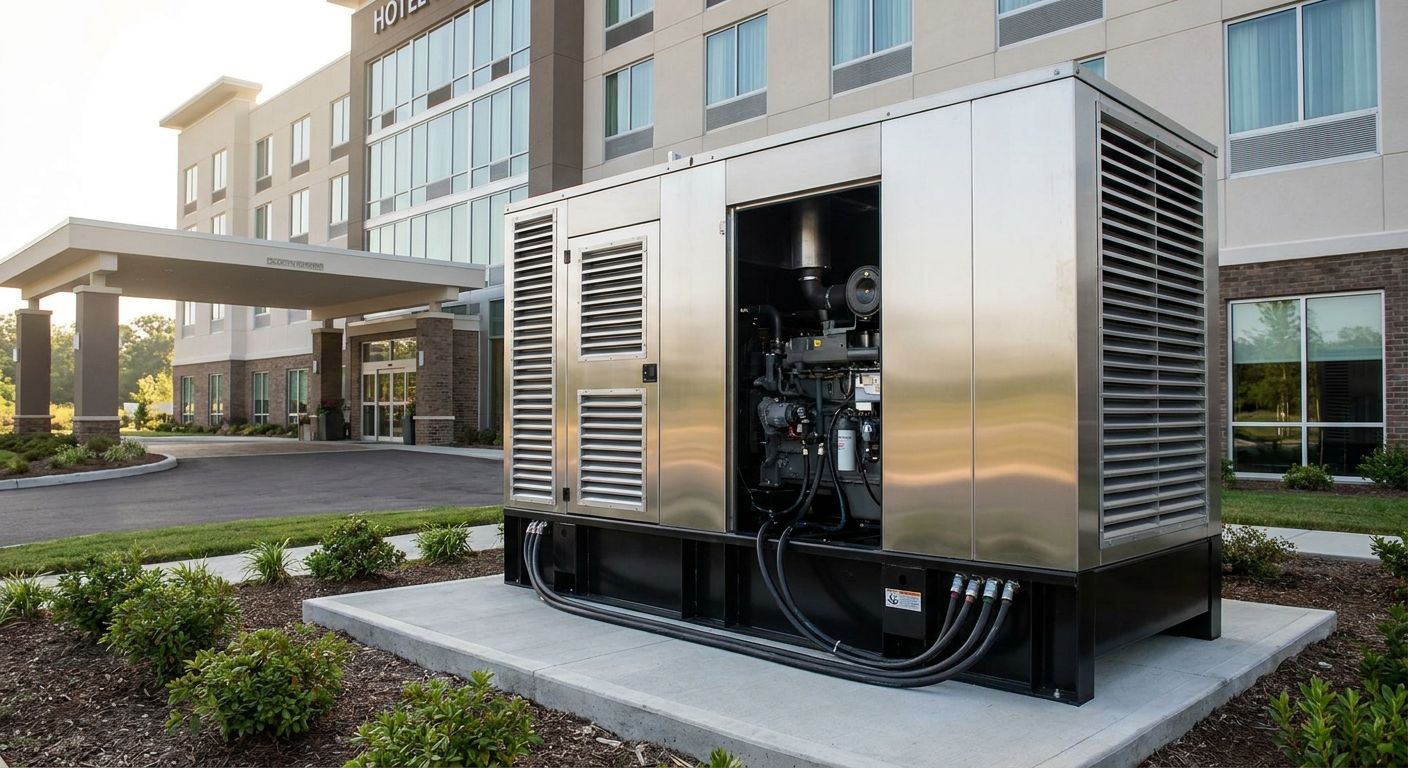
Kohler's residential standby units ship in an aluminum enclosure rather than painted steel, which matters directly on the Gulf Coast where salt air eats through steel finishes in a few storm seasons. The 14kW and 20kW residential models cover most Baldwin County homes, and Kohler backs them with a 5-year limited warranty on covered components.
Kohler generators also run on natural gas or LP, which matters when a hurricane disrupts fuel delivery but a home is already on a gas line. Verdict: Buy - the strongest single choice for homes within a few miles of the water.
2. Generac - the market leader, best value per kW
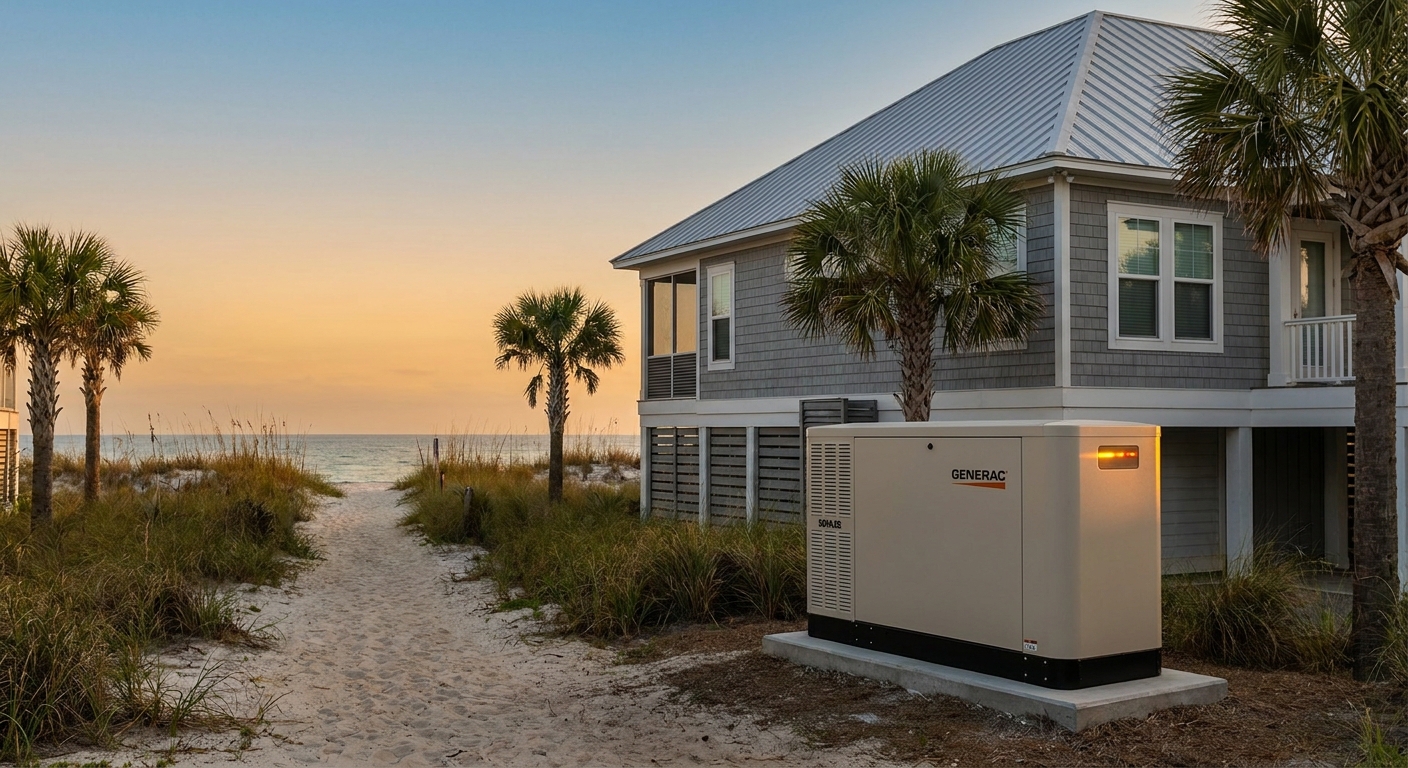
Generacis the most widely installed residential standby brand in the country, and that scale means faster parts turnaround and a bigger trained-technician pool across Alabama. The Guardian series spans roughly 10kW to 26kW, giving homeowners a size match for everything from a single-family home to a larger house running two HVAC systems.
Generacis units use a steel enclosure with a corrosion-resistant coating rather than aluminum, so it trails Kohler slightly on long-term coastal durability but wins on price-to-capacity ratio. Verdict: Buy - the right call for budget-aware homeowners who still want fast local service.
3. Honeywell - the value-tier runner-up
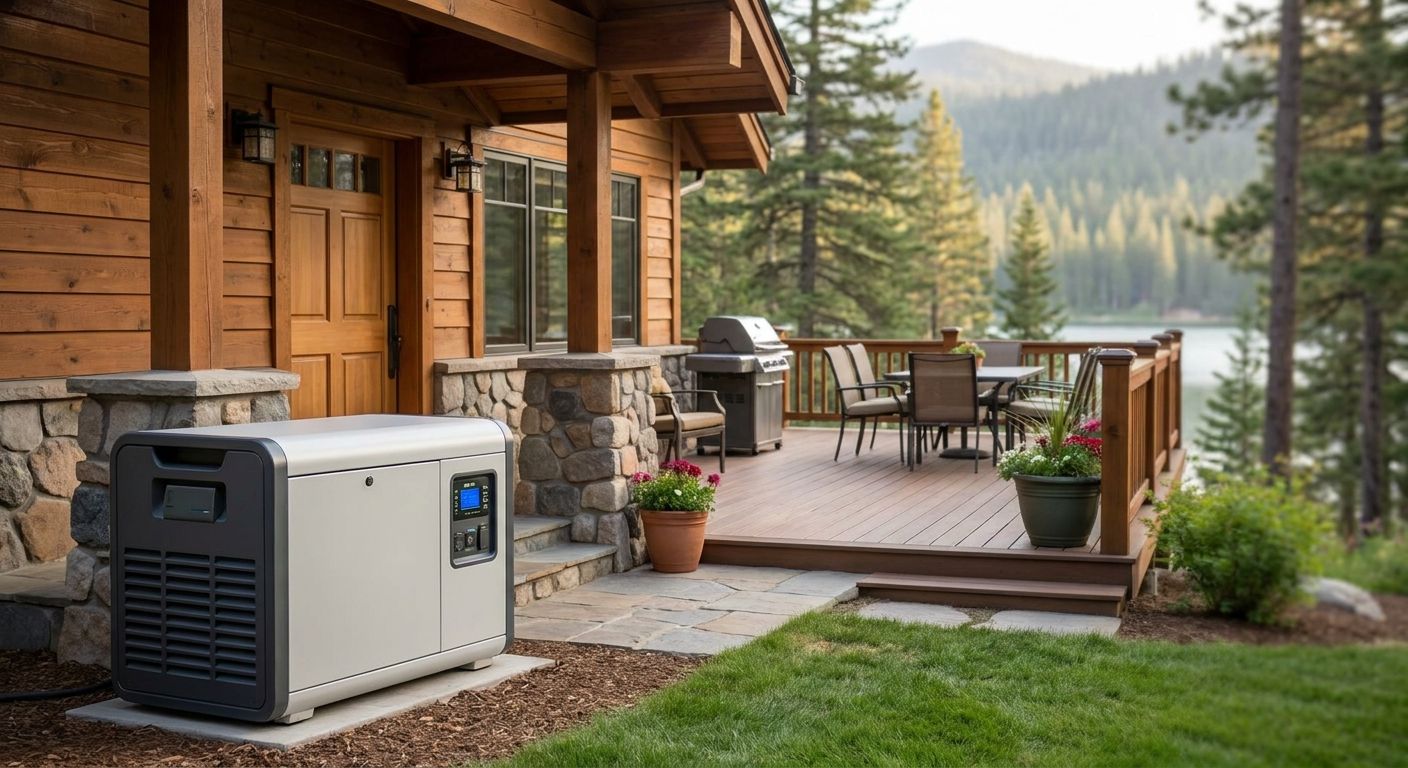
Honeywell's standby generators are built on Generac's manufacturing platform, so the core engine and transfer switch technology overlaps closely with Generac's own lineup. That means similar reliability at a lower price point, which appeals to homeowners in Foley or south Baldwin County who want storm coverage without paying for the Generac badge.
The tradeoff is a narrower model range and fewer premium options like Wi-Fi monitoring on entry-level units. Verdict: Consider - solid for smaller homes on a tighter budget, less ideal for larger properties needing 22kW or more.
4. Briggs & Stratton - the workhorse for smaller loads
Briggs & Stratton generators fit well on smaller homes and light commercial applications where a homeowner needs to run essential circuits (well pump, refrigerator, a few lights, one AC zone) rather than whole-home coverage. Their air-cooled models in the 8kW to 20kW range are simpler mechanically, which can mean fewer things to service long-term.
On the coast, Briggs & Stratton units need closer attention to enclosure maintenance since they don't carry the same aluminum-body option Kohler offers. Verdict: Consider - a smart pick for partial-home backup, not the first choice for whole-house coverage in a storm-heavy market.
5. Big-box and no-name import brands - the wildcard
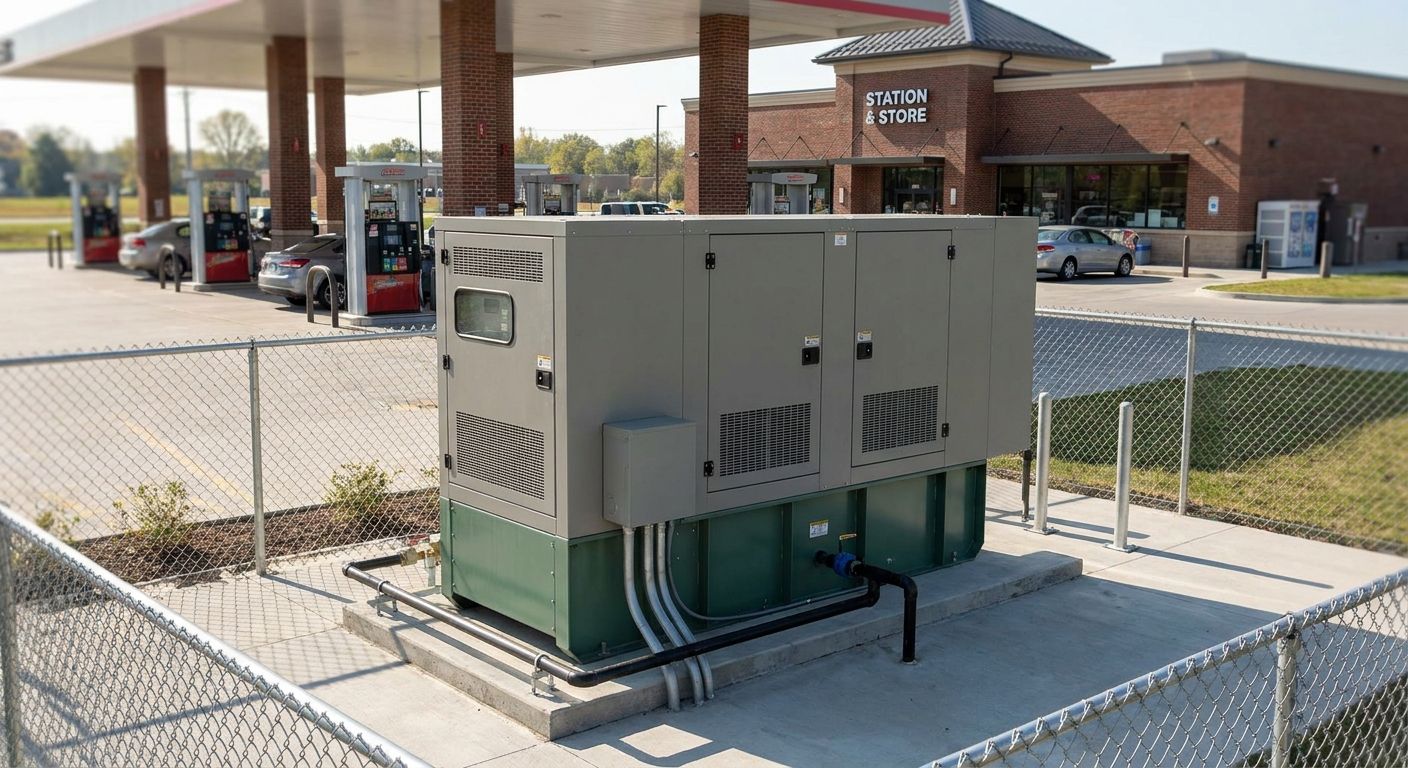
Generators sold through big-box retailers or unbranded importers often look competitive on sticker price, sometimes 20-30% cheaper than a Kohler or Generac unit of the same kW rating. The problem shows up six months later: no licensed Alabama dealer network, no local parts inventory, and warranty claims that require shipping a unit out of state.
After a major storm event, when demand for service spikes across coastal Alabama simultaneously, these brands leave homeowners without support for weeks. Verdict: Skip - the risk isn't the sticker price, it's being unable to get it running when the next storm hits.
Comparison table
| Brand | kW Range | Enclosure | Warranty | Coastal Fit | Verdict |
|---|---|---|---|---|---|
| Kohler | 14kW–20kW+ | Aluminum | 5-year limited | Best | Buy |
| Generac | 10kW–26kW | Coated steel | 5-year limited (varies by model) | Strong | Buy |
| Honeywell | 10kW–20kW | Coated steel | Varies by model | Good | Consider |
| Briggs & Stratton | 8kW–20kW | Steel | Varies by model | Fair | Consider |
| Big-box/import | Varies | Steel/plastic | Limited or none locally | Weak | Skip |
Where to buy
- Buy from a licensed Alabama electrical contractor who is an authorized dealer for the brand, not a shipping-only online reseller - installation and permitting matter as much as the unit itself.
- Confirm the seller stocks parts locally rather than relying on manufacturer shipping, especially heading into the 2026 hurricane season when regional demand spikes fast.
- Ask about maintenance plans at time of purchase; coastal units need more frequent enclosure and battery checks than inland installs.
FAQ
What's the best standby generator brand for coastal Alabama? Kohler ranks highest for coastal homes in 2026 because of its aluminum enclosure and corrosion resistance, with Generac close behind on value and parts availability.
Is Generac better than Kohler for hurricane season? Generac wins on price-to-kW value and market-wide parts availability, but Kohler's aluminum enclosure holds up better against salt air over multiple storm seasons.
How much does a whole-home standby generator cost installed in Alabama? Installed costs vary by kW size, fuel type, and site conditions, so get a site-specific quote rather than relying on a national average.
Do I need a permit to install a standby generator in Baldwin County? Yes, standby generator installation typically requires electrical permitting and inspection, which is why using a licensed contractor matters.
What size generator do I need for a home in Fairhope or Gulf Shores? Most single-family homes in the area run comfortably on 14kW to 22kW, though homes with two HVAC systems may need 24kW or higher.
How long do standby generators last on the Gulf Coast? Well-maintained units from Kohler or Generac commonly run 15-20 years, though coastal exposure without regular enclosure maintenance can shorten that window.
Is Honeywell the same as Generac? Honeywell's residential standby generators are built on Generac's manufacturing platform, so core components overlap closely with Generac's own lineup.
Should I buy a generator from a big-box store? Skip it if the retailer has no local licensed installer network - storm-season service delays are the biggest risk with big-box and import brands on the coast.
One last thing
The detail most homeowners miss: enclosure material matters more on the Gulf Coast than almost any spec sheet number. A 22kW steel-body unit and a 20kW aluminum-body unit can cost close to the same, but the aluminum unit will still look and run clean in year eight while the steel one is already showing rust bloom around the vents. Ask about the enclosure material before you ask about kW size.