Sizing a generator for a 300-square-foot tiny home is a different math problem than sizing one for a 1,200-square-foot cottage on a well and septic system, and picking the wrong unit means either dead batteries in a storm or wasted money on capacity you never use.
- Generac GP3600 wins for tiny homes under 400 sq ft running a fridge, lights, and chargers - Buy.
- Honeywell 6500-Watt portable covers a window AC plus kitchen circuits for small cottages - Buy.
- Kohler 14RESA standby is the set-and-forget pick for cottages with a permanent propane or natural gas line - Buy.
- Generac Guardian 22kW and Briggs & Stratton 20kW standby units are oversized for most tiny homes - Wait unless you're running a well pump and central AC.
- Best generators for tiny homes in 2026 top out around 6,500 running watts for portables and 14kW for standby units before you're paying for capacity you won't use.
Why this matters
A tiny home under 400 square feet rarely needs more than 3,500 to 5,000 running watts to keep a fridge, a few lights, a well pump cycle, and phone chargers going during an outage. A cottage in the 600 to 1,200 square foot range with central air and a septic pump climbs into 10kW to 20kW standby territory fast.
Coastal Alabama homeowners in Daphne, Fairhope, Foley, and Gulf Shores who license installers like Baldwin County Generators know oversizing a standby unit for a tiny footprint wastes fuel and money, and undersizing it means the AC trips the breaker every time it cycles. Hurricane season runs June through November, and outages in the region regularly stretch past 48 hours, which is long enough for an undersized portable unit to burn through a full tank before the power comes back.
The sizing math below applies whether you're running a park-model tiny house, a she-shed converted into a guest cottage, or a hunting camp with no grid hookup at all.
How we ranked
Each unit below is scored against three things that matter for small footprints: running wattage relative to a tiny home's actual load, fuel flexibility (gasoline, propane, or dual-fuel), and whether the unit needs a transfer switch or runs straight off an extension cord. Standby models are also scored on automatic start reliability during unattended outages, since a tiny home owner away for a weekend can't manually pull-start a generator.
Manufacturer specs come from Generac, Kohler, Honeywell, and Briggs & Stratton product lines carried by licensed dealers as of 2026. Pricing varies by installer and region, so treat the sizing and fuel-type calls here as the fixed part of the decision and get a local quote for the number.
The ranked list
Generac GP3600 - the grab-and-go pick
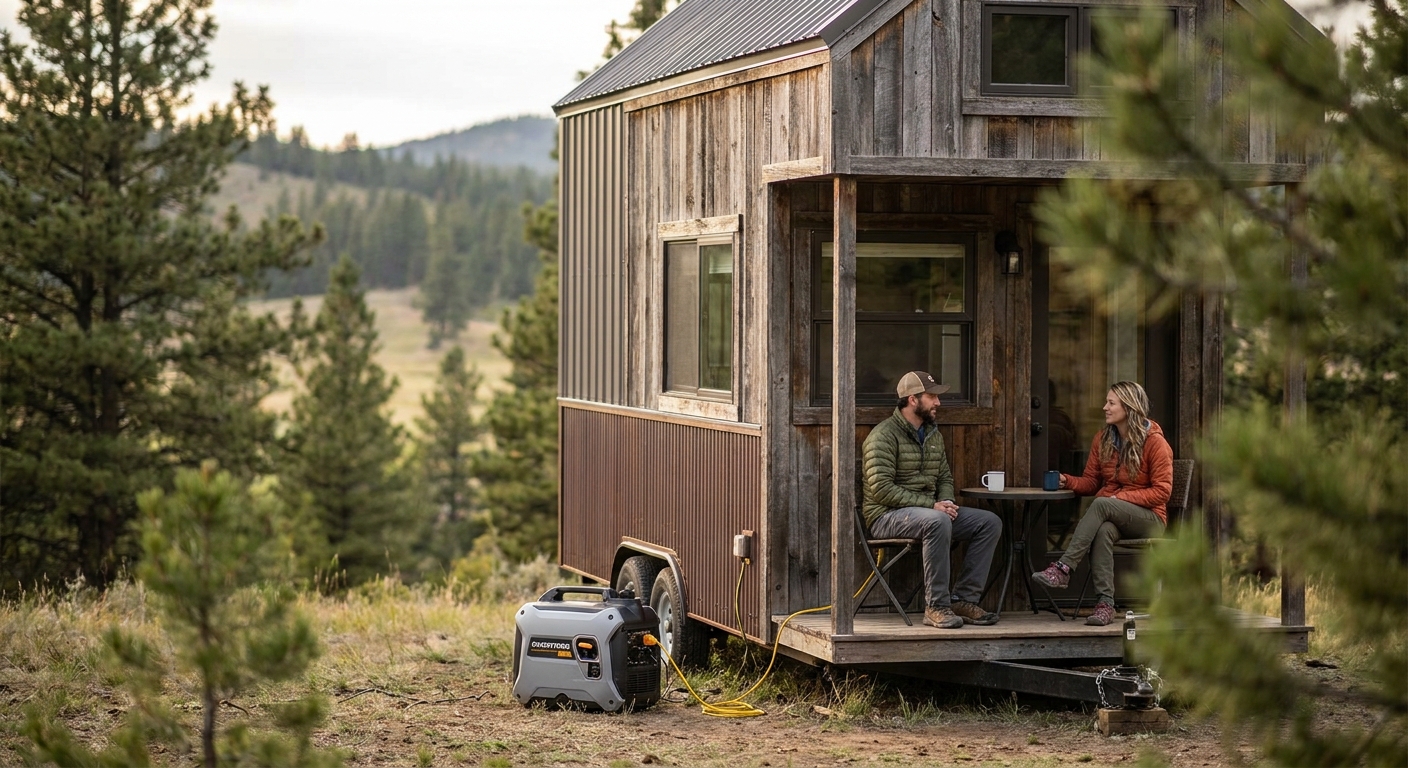
This portable inverter generator runs 3,600 watts, enough for a fridge, LED lighting, a window unit, and USB charging in a tiny home under 400 square feet. It's gasoline-only, so plan on storing fuel if you're off-grid for more than a weekend. No transfer switch required for basic loads, just heavy-gauge extension cords rated for the amperage. Buy if your tiny home has no permanent electrical hookup and you want something you can throw in a truck bed.
Honeywell 6500-Watt Portable - the whole-cottage covering pick
At 6,500 running watts, this unit handles a window AC, kitchen circuits, and a well pump cycle simultaneously, which the GP3600 can't do. It's still gasoline or dual-fuel depending on the model configuration, and it's loud enough that most cottage owners run it 20-plus feet from bedroom windows. Buy for a small cottage in the 600 to 800 square foot range without a standby hookup.
Kohler 14RESA Standby - the set-and-forget pick
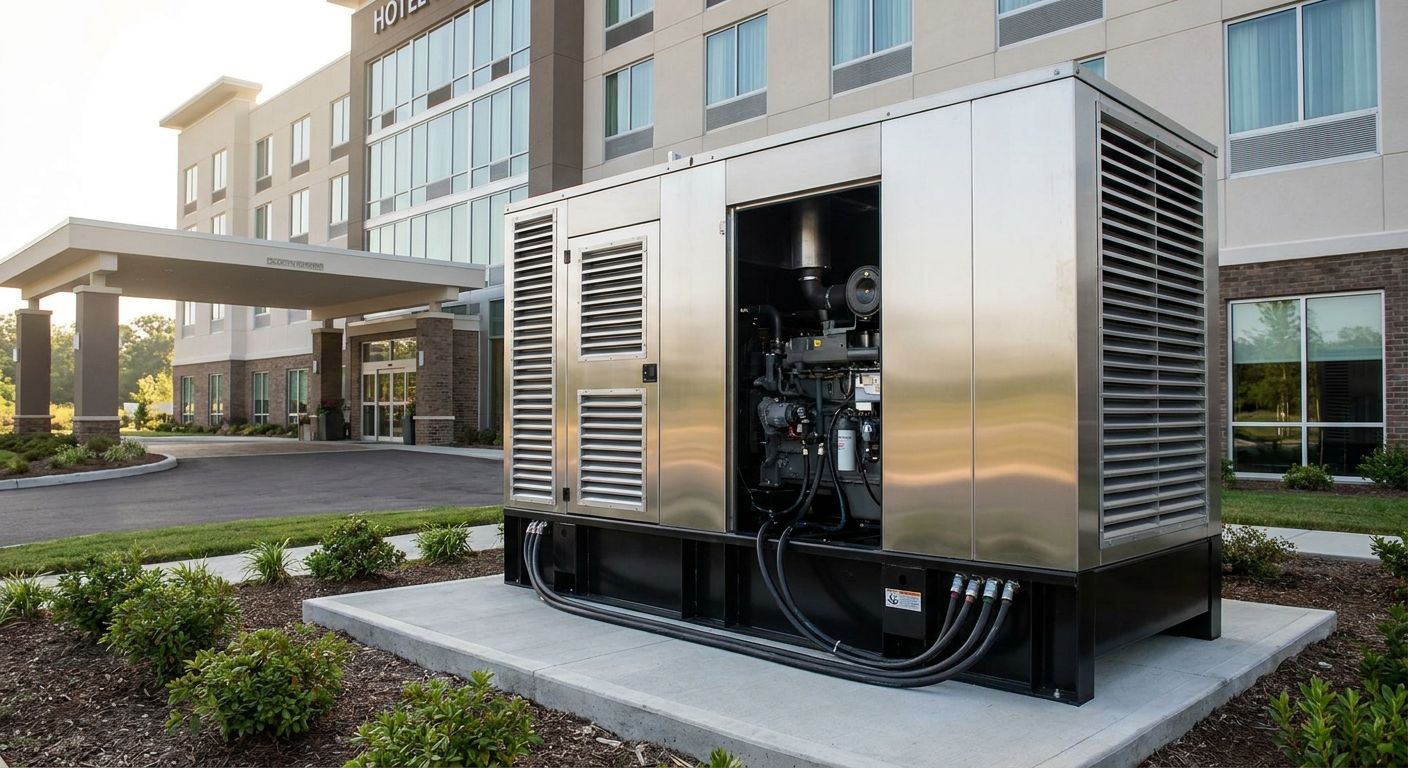
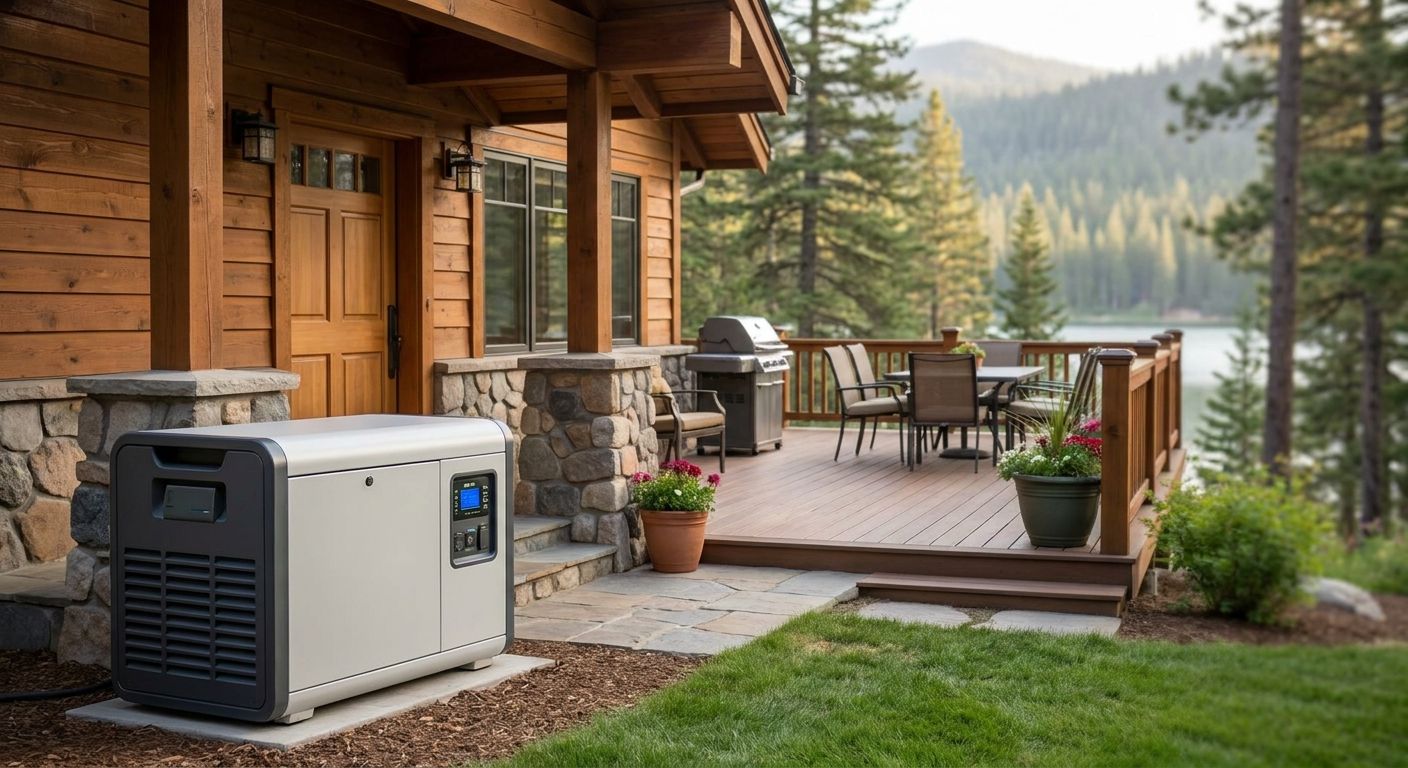
This 14kW automatic standby unit ties into a transfer switch and starts within 10 seconds of a grid outage, no manual intervention needed. It runs on propane or natural gas, which matters in coastal Alabama where propane delivery stays reliable even when roads flood after a storm. Installation requires a licensed electrical contractor and a concrete pad, which pushes this into the fixed-address category rather than a mobile tiny home. Buy if your cottage has a permanent foundation and you want zero manual effort during a 2026 storm season outage.
Generac Guardian 22kW Standby - the oversized safety net
This is the unit most tiny home owners get talked into buying and then never load past 40% capacity. At 22kW it covers central air, a well pump, a septic lift station, and every outlet in a 1,200 square foot cottage with room to spare. For a true tiny home under 500 square feet, this is expensive overkill. Wait unless you're running heavy well and septic equipment alongside central AC.
Briggs & Stratton 20kW Standby - the propane specialist
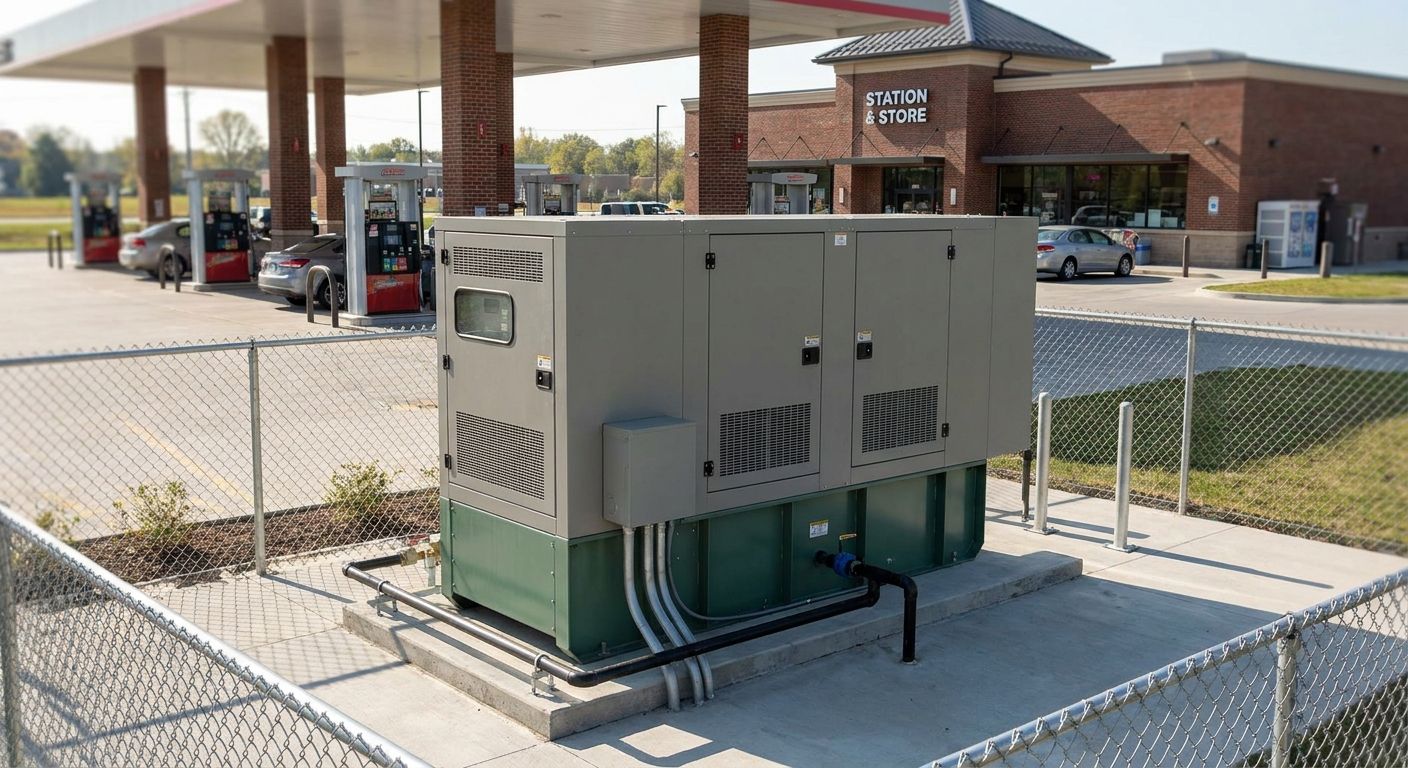
Similar footprint to the Guardian at 20kW, with a strong reputation for propane-only installs in areas without natural gas lines, which describes most of rural coastal Alabama. It handles a mid-size cottage's full electrical panel without load-shedding software, unlike some smaller standby units that cycle circuits on and off. Consider for a cottage with propane already on-site and a full HVAC system to protect.
Honeywell 20kW Standby - the value automatic pick
This standby unit lands in the same output class as the Kohler and Briggs & Stratton units but typically comes in at a lower installed cost, making it the budget entry point for whole-cottage automatic backup. It still requires a transfer switch and a licensed install, so the savings show up in the unit price, not the labor. Consider if your cottage load is 15kW to 18kW and you don't need Kohler's specific dealer network.
Get your tiny home sized right
Licensed generator sizing and installation across coastal Alabama.
Comparison table
| Model | Running Watts / kW | Fuel Type | Best Footprint | Verdict |
|---|---|---|---|---|
| Generac GP3600 | 3,600 watts | Gasoline | Under 400 sq ft, no hookup | Buy |
| Honeywell 6500-Watt Portable | 6,500 watts | Gasoline/Dual-fuel | 600-800 sq ft cottage | Buy |
| Kohler 14RESA Standby | 14 kW | Propane/Natural gas | Fixed-foundation cottage | Buy |
| Generac Guardian 22kW | 22 kW | Propane/Natural gas | 1,200 sq ft with AC + well | Wait |
| Briggs & Stratton 20kW | 20 kW | Propane | Full-panel cottage, no gas line | Consider |
| Honeywell 20kW Standby | 20 kW | Propane/Natural gas | 15-18kW load cottages | Consider |
Where to buy
- Buy portable units (GP3600, Honeywell 6500-Watt) from an authorized dealer, not a big-box clearance rack - warranty registration usually requires proof of authorized-dealer purchase.
- Standby units (Kohler, Generac, Briggs & Stratton) need a licensed electrical contractor for the transfer switch install, not a handyman job - code inspections in Baldwin County require it.
- Get load calculations done before ordering a standby unit sized above 14kW; oversizing is the single most common mistake tiny home and small cottage owners make in 2026 sizing consultations.
FAQ
What size generator do I need for a tiny home?
Most tiny homes under 400 square feet need 3,500 to 5,000 running watts to cover a fridge, lights, a window AC, and charging. Larger tiny homes with a well pump or electric water heater need closer to 6,500 watts.
Are the best generators for tiny homes portable or standby?
Portable inverter generators like the Generac GP3600 work for tiny homes without a permanent electrical hookup. Standby units like the Kohler 14RESA make sense once the tiny home or cottage has a fixed foundation and panel.
Is a 20kW generator too big for a small cottage?
A 20kW standby unit is oversized for most cottages under 800 square feet unless you're running central AC, a well pump, and a septic lift station together. Most small cottages run comfortably on 10kW to 14kW.
How much does a standby generator installation cost in 2026?
Installed cost varies by kW size, fuel line access, and transfer switch complexity, and pricing differs by installer and region in 2026. Get a local licensed quote rather than relying on national averages.
Can a portable generator run a tiny home's whole panel?
A portable generator can run a whole panel only through a properly installed transfer switch and only if total wattage stays under the unit's running capacity. Running appliances directly off extension cords works for partial loads only.
Does propane or gasoline work better for coastal Alabama generators?
Propane holds up better during extended 2026 hurricane season outages because delivery trucks can often still reach rural areas when roads are partially flooded. Gasoline requires stockpiling since fuel stations frequently lose power too.
How long can a portable generator run a tiny home during an outage?
A gasoline portable generator typically runs 8 to 12 hours on a full tank at moderate load, meaning multi-day outages require refueling every night. Dual-fuel and propane models extend that window if a larger propane tank is on-site.
Do tiny homes need a transfer switch?
A transfer switch is only required if you want the generator to power your home's existing wiring and breaker panel automatically. Tiny homes running loads off extension cords directly from a portable unit can skip the transfer switch.
One last thing
The most overlooked spec on any of these units isn't wattage, it's start type. A pull-start portable generator sitting in a shed during a 2026 hurricane evacuation does nothing for the tiny home owner who left town, while an automatic standby unit with a transfer switch starts on its own within seconds of the outage. If your tiny home or cottage is a second property you're not at year-round, the automatic start feature on the Kohler 14RESA or Honeywell 20kW Standby matters more than the extra few kW of capacity on the Generac Guardian.