RV parks and campgrounds don't run on the same power math as a single-family house. A 40-site campground with a laundry building, pool pumps, security gates, and a dozen 50-amp hookups pulls more continuous load than most homes ever will, and when the grid drops during hurricane season, the whole property goes dark at once. This guide ranks the standby generator categories that actually hold up for RV parks and campgrounds in coastal Alabama, based on load type, run-time demand, and what licensed installers see fail first.
- 20kW automatic standby units are the floor for a campground office or clubhouse in 2026 - anything smaller stalls under laundry and pool pump load.
- Paralleled 48kW systems are the buy for full-service RV resorts running multiple amenity buildings at once.
- Portable towable units are a Skip for permanent RV park infrastructure - they can't run unattended overnight.
- Generac, Kohler, Honeywell, and Briggs & Stratton all make commercial-grade standby units, but sizing and installation matter more than brand.
Why this matters
Coastal Alabama's storm season runs June through November, and grid outages during a named storm routinely stretch past a single day. An RV park that loses power doesn't just lose lights- it loses well pumps, sewage lift stations, pool circulation, and the 30/50-amp pedestals guests are paying for. Guests leave bad reviews over dead hookups faster than almost anything else a park can control.
A properly sized standby generator from a licensed installer switches over automatically, usually within 10-20 seconds of a grid drop, and keeps running as long as fuel supply holds. That's the difference between a park that rides out a storm and one that refunds a weekend's bookings.
How we ranked
These categories are ranked by load-carrying capacity, fuel logistics, and unattended run-time reliability - the three things that separate a generator that works for a park from one that works for a house. Kohler, Generac, Honeywell, and Briggs & Stratton all sell commercial-grade standby equipment; the ranking below groups by capacity tier rather than by brand, because sizing mismatches are the most common failure point installers see. A generator that's the right brand but the wrong kW rating for the load still fails at the exact moment it's needed most.
The ranked list
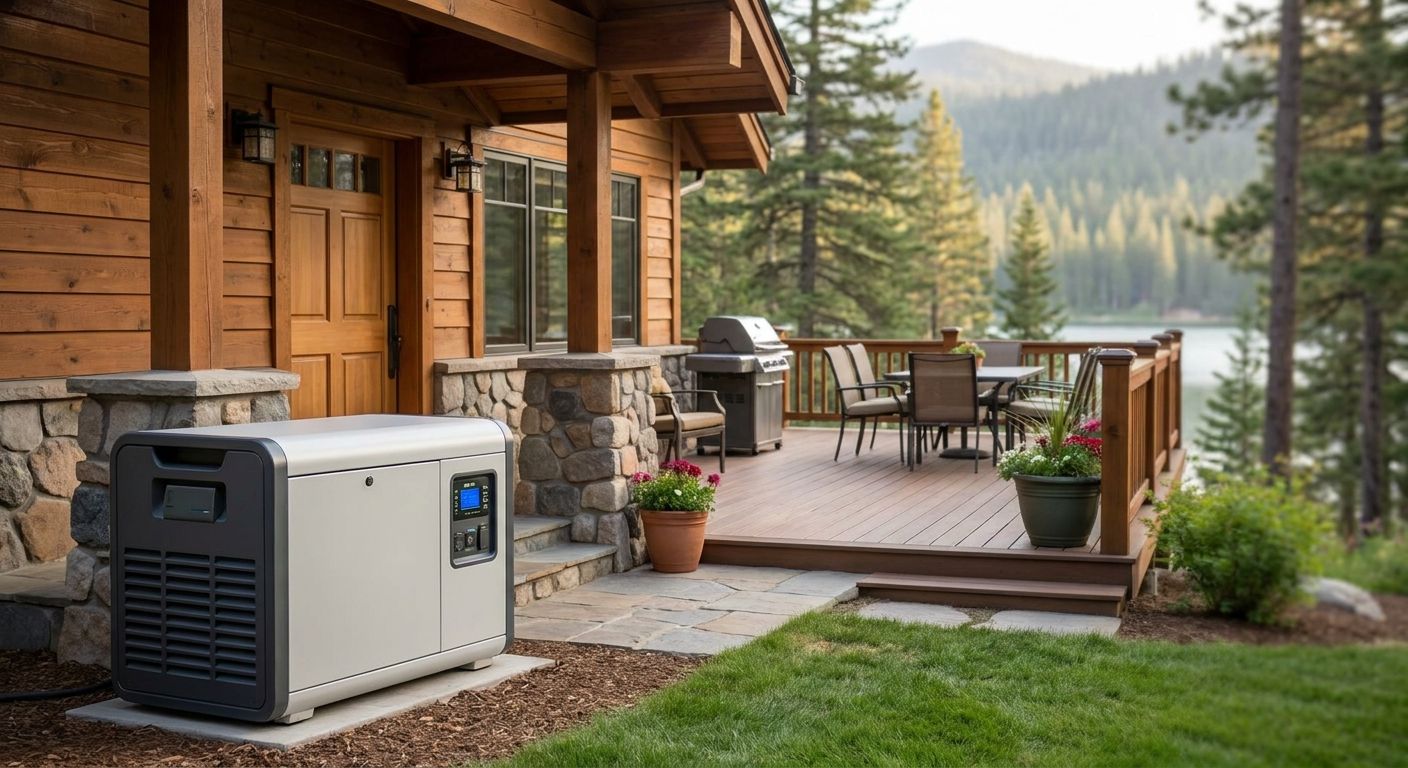
1. 14-17kW automatic standby - the gatehouse pick
This tier covers security gates, entry booths, and single small offices under roughly 1,500 square feet. It handles lighting, a mini-split, and basic electronics but nothing more.
For a standalone entrance building or a seasonal camp store, a 14-17kW unit switches over fast and burns modest fuel over a multi-day outage. It's undersized for anything with laundry equipment or a pool pump attached. Verdict: Consider - right for isolated small structures, wrong for the main amenity building.
2. 20-22kW automatic standby - the campground office/clubhouse pick
This is the floor for a clubhouse that runs a laundry room, a small kitchen, and office equipment simultaneously. Twenty kilowatts covers a well pump, a handful of window units or one central system, and standard outlets without tripping under startup surge.
The common mistake parks make in 2026 is sizing to average draw instead of peak startup draw - a well pump and an AC compressor kicking on together can spike load well above steady-state numbers. Verdict: Buy for parks with one central amenity building and moderate guest count.
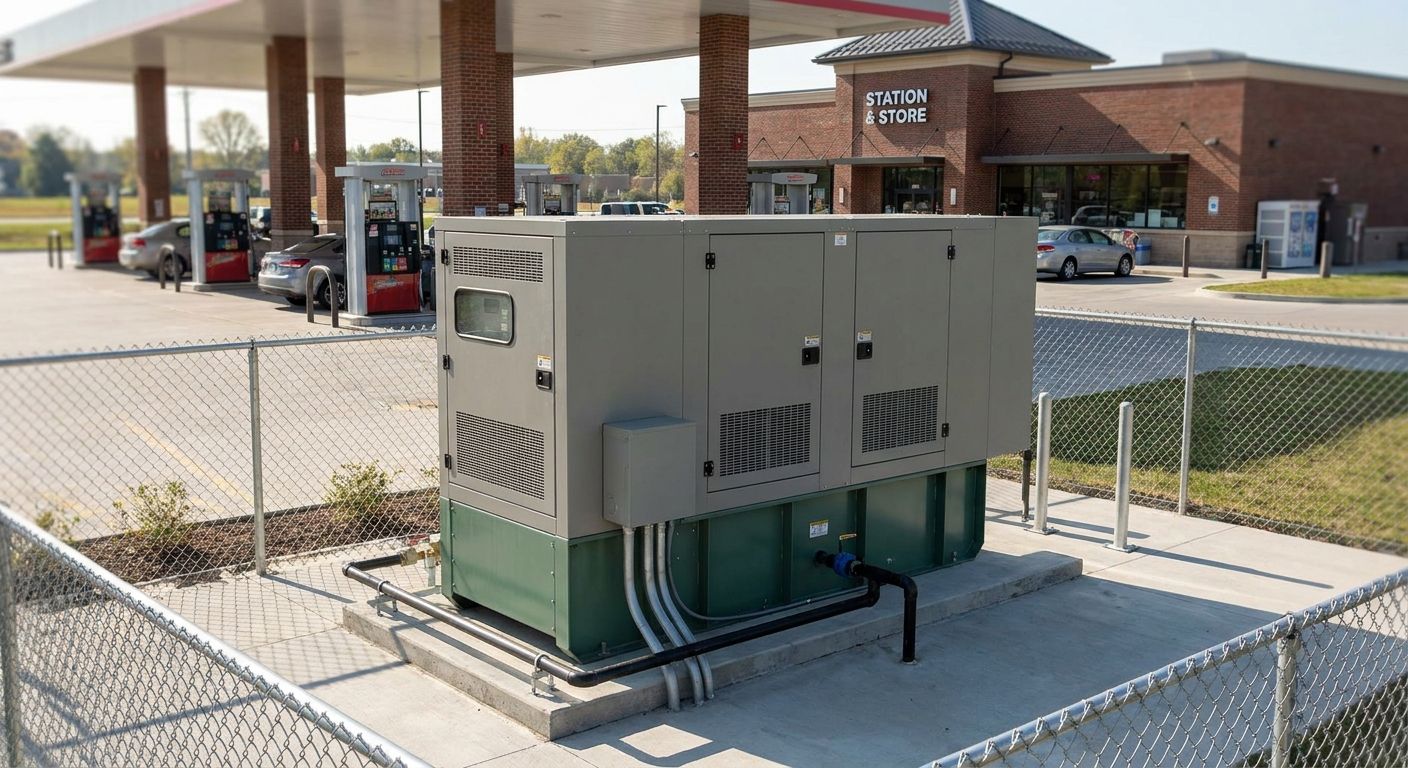
3. 30-38kW automatic standby - the multi-building mid-size resort pick
Parks running a clubhouse plus a separate laundry building or a small pool house need this middle tier. It carries two structures' worth of continuous load without paralleling equipment.
The tradeoff is fuel consumption - a 30kW-plus unit burns noticeably more propane or diesel per hour than the 20kW tier, so a 72-hour storm outage means planning fuel delivery, not just a single tank fill. Verdict: Buy if the park has grown past one building but isn't a full-service resort yet.
4. 48kW+ paralleled systems - the full-service RV resort pick
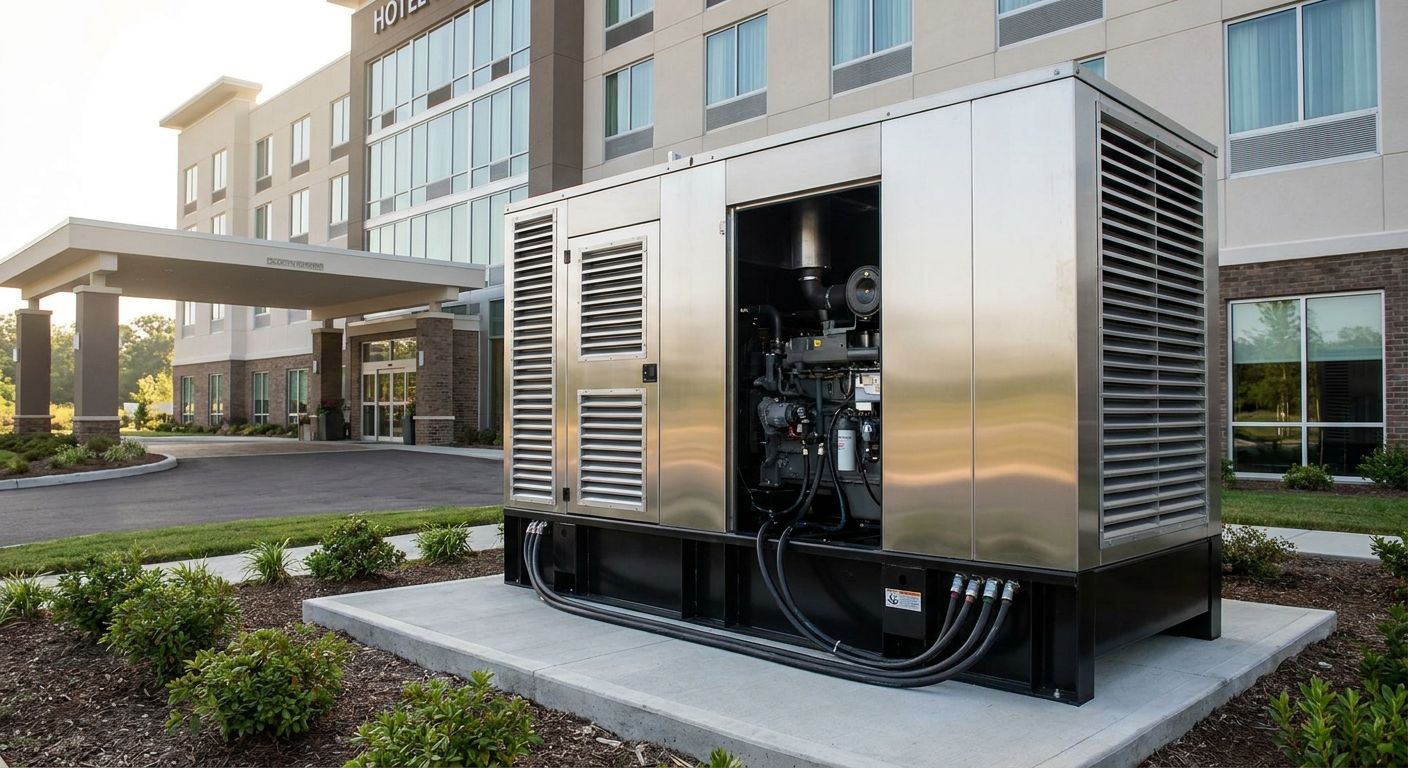
Larger RV resorts running a clubhouse, pool complex, laundry building, and lift stations at once need paralleled units - two or more generators wired to share load and add redundancy. If one unit needs service, the other keeps the property running.
This is the most expensive tier to install and the one that needs a licensed electrical contractor for the switchgear and paralleling controls, not a DIY hookup. Verdict: Buy for large resorts; Skip for parks under 60 sites - it's oversized capital spend for that load profile.
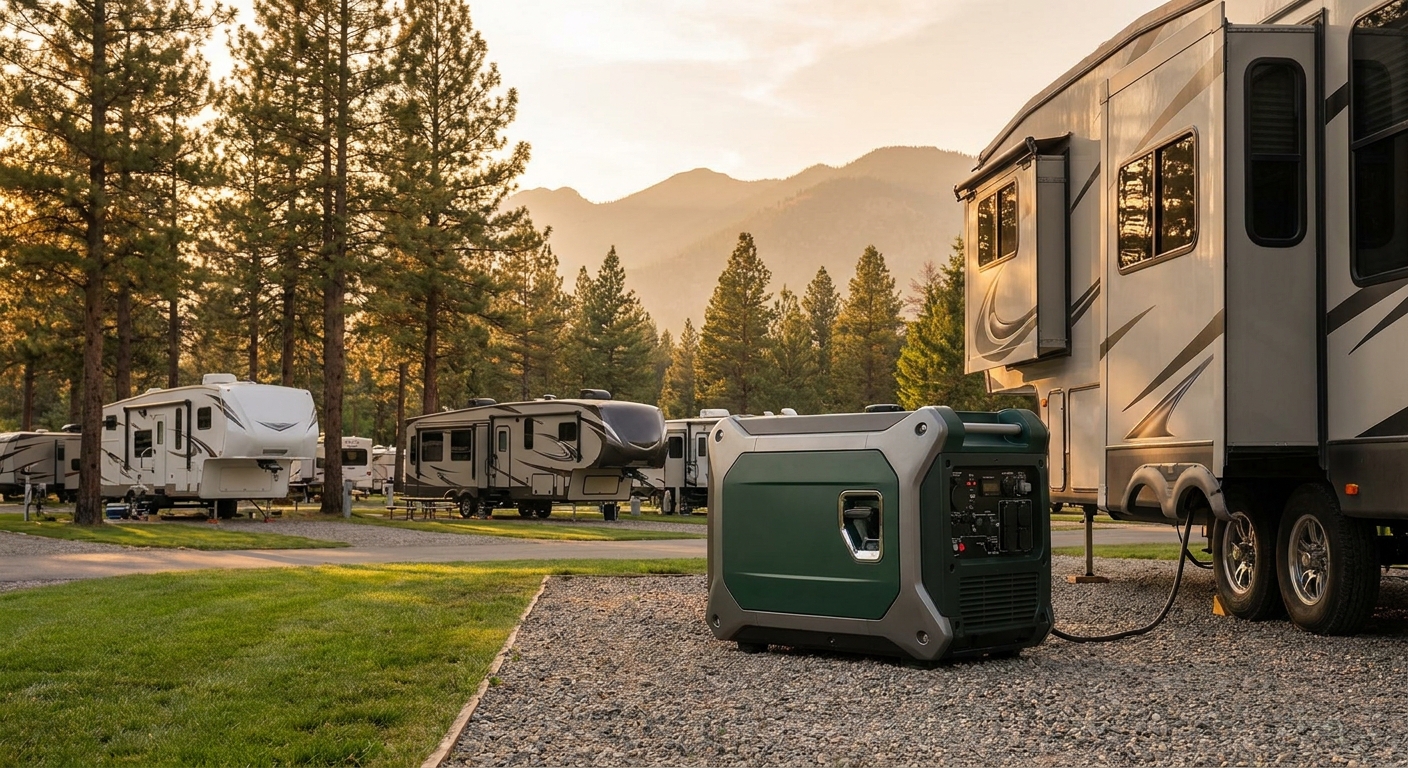
5. Portable towable generators - the temporary-power pick
These cover event power, construction trailers on-site, or short-term backup while a permanent standby unit is being installed. They require someone to refuel and monitor them; they don't run unattended overnight the way an automatic standby unit does.
For permanent park infrastructure , pumps, lift stations, guest hookups - a portable unit is a stopgap, not a solution. Verdict: Skip for primary backup power; Consider only as a bridge during installation or for a single weekend event.
Get your RV park sized correctly
Licensed electrical contractors size and install standby power for coastal Alabama properties.
Comparison table
| Tier | kW range | Best for | Verdict |
|---|---|---|---|
| Gatehouse | 14-17kW | Single small structure | Consider |
| Clubhouse | 20-22kW | One amenity building | Buy |
| Mid-size resort | 30-38kW | Two connected buildings | Buy |
| Full-service resort | 48kW+ paralleled | Multi-building continuous load | Buy |
| Portable towable | Varies | Temporary/event power only | Skip |
Where to buy
- Work with a licensed electrical contractor for sizing and installation, not just a generator retailer. Paralleling switchgear and automatic transfer switches for commercial loads need code-compliant wiring.
- Confirm fuel logistics before choosing a unit: propane tank size or diesel delivery access changes which tier is realistic for a rural campground site.
- Ask for a load calculation specific to your property, not a generic square-footage estimate. Pool pumps, lift stations, and laundry equipment all draw differently than residential HVAC.
FAQ
What size generator does an RV park need?
Most RV park clubhouses need at least a 20kW automatic standby generator in 2026, while full-service resorts with multiple buildings often need 48kW or more in a paralleled system. Sizing depends on how many buildings, pumps, and amenities run simultaneously during an outage.
Can a portable generator power an RV park?
A portable generator can cover a temporary event or a single weekend, but it can't run unattended overnight the way an automatic standby unit does. Permanent park infrastructure like lift stations and guest hookups needs automatic standby power.
How long can a standby generator run during a storm outage?
A properly fueled standby generator can run for 72 hours or longer during a multi-day storm outage, as long as fuel supply is maintained. Diesel and propane units need a delivery plan for outages longer than a few days.
Is Generac or Kohler better for a commercial RV park?
Both Generac and Kohler make commercial-grade standby generators suitable for RV parks; the sizing tier matters more than the brand for reliability. Honeywell and Briggs & Stratton also offer standby units in comparable capacity ranges.
Do RV parks need a licensed electrician to install a standby generator?
Yes, commercial standby generator installation requires a licensed electrical contractor to handle the automatic transfer switch and, for larger systems, paralleling switchgear. This is not a DIY or unlicensed-handyman installation for a business property.
What happens if an RV park's generator is undersized?
An undersized generator stalls or shuts down when multiple loads like a well pump and air conditioning start at once, cutting power exactly when it's needed most. Peak startup draw, not average draw, is what determines correct sizing.
One last thing
The single most common sizing mistake parks make isn't picking the wrong brand. It's calculating load off average draw instead of peak startup surge, which is why a generator that looks correctly sized on paper still stalls the first time a well pump and an air conditioner kick on together. A load calculation done before purchase, not after installation, catches that every time.