Baldwin County homes lose power during nearly every named storm that crosses the Gulf, and a standby generator that hasn't been serviced since installation is the most common reason units fail exactly when they're needed. This guide ranks the generator maintenance plan structures that actually hold up in coastal Alabama's humidity and salt air, and names which ones to buy, hold, or skip in 2026.
TL;DR
The bi-annual authorized-dealer service plan is the best generator maintenance plan for Baldwin County homeowners in 2026 - it catches corrosion, battery failure, and fuel line issues before hurricane season starts June 1. A single annual inspection is a Hold for low-use backup units. Warranty-only coverage with no scheduled service and DIY-only oil changes both rank as Skip - neither addresses the salt-air corrosion that Kohler, Generac, Honeywell, and Briggs & Stratton units face from Daphne to Gulf Shores. Baldwin County Generators services all four of those brands across coastal Alabama.
Why this matters
A standby generator sits idle 95% of the year until the day it can't sit idle anymore. Coastal air near Fairhope and Foley carries salt that accelerates corrosion on wiring terminals, transfer switches, and battery terminals faster than it does 100 miles inland. Add Baldwin County's humidity and the Atlantic hurricane season running June 1 through November 30, and a generator with no maintenance schedule is a coin flip at best.
Most homeowners find out their unit won't start during the outage, not before it. The plans below are ranked by how well they prevent that exact scenario in 2026, not by price alone.
How this list was ranked
Each maintenance plan structure below is scored against three factors that matter specifically in coastal Alabama: how well it addresses salt-air corrosion, how it holds up across a full hurricane season without a missed service window, and whether it keeps manufacturer warranty coverage intact on Kohler, Generac, Honeywell, and Briggs & Stratton units. Plans that only run once a year or skip professional inspection entirely lose points fast in a climate this corrosive.
The ranked list
1. Bi-annual authorized-dealer service plan - the storm-season safeguard
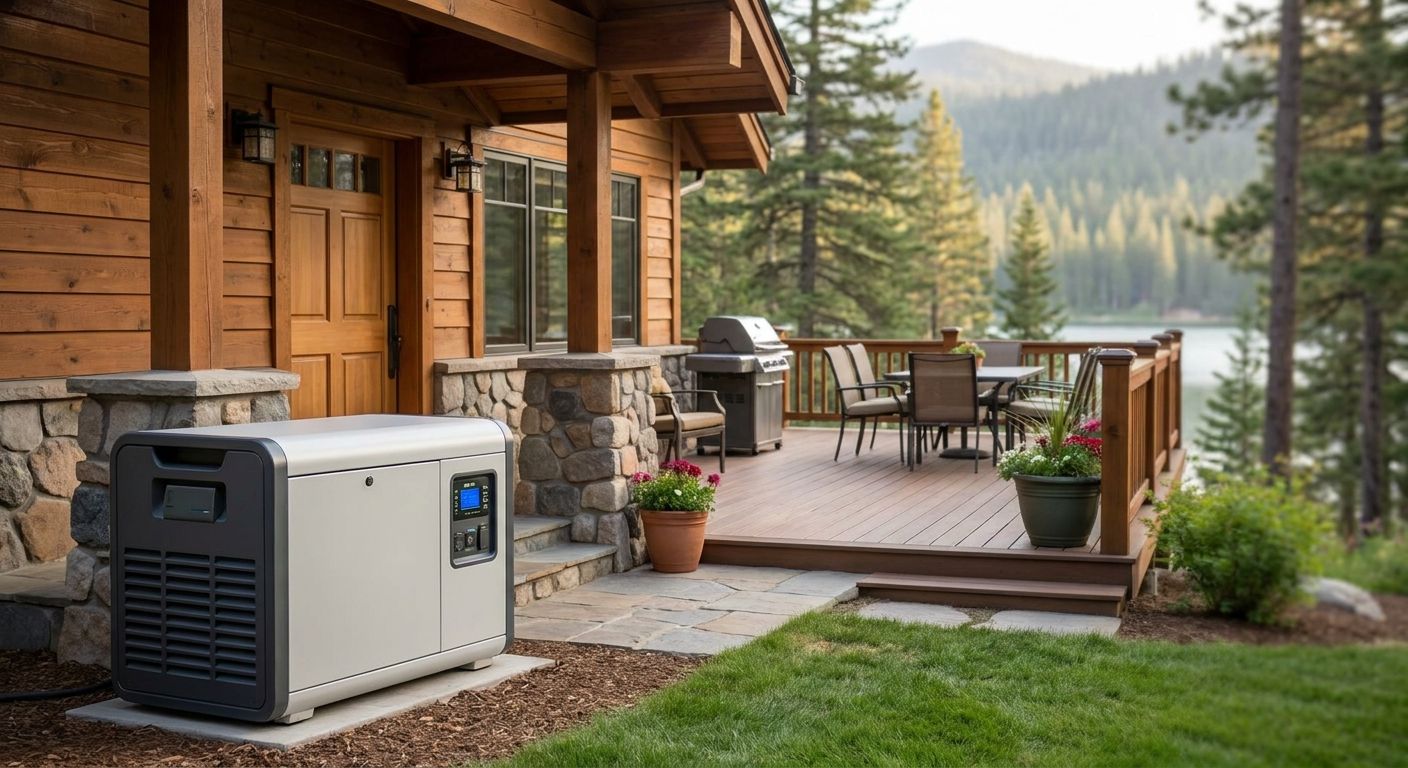
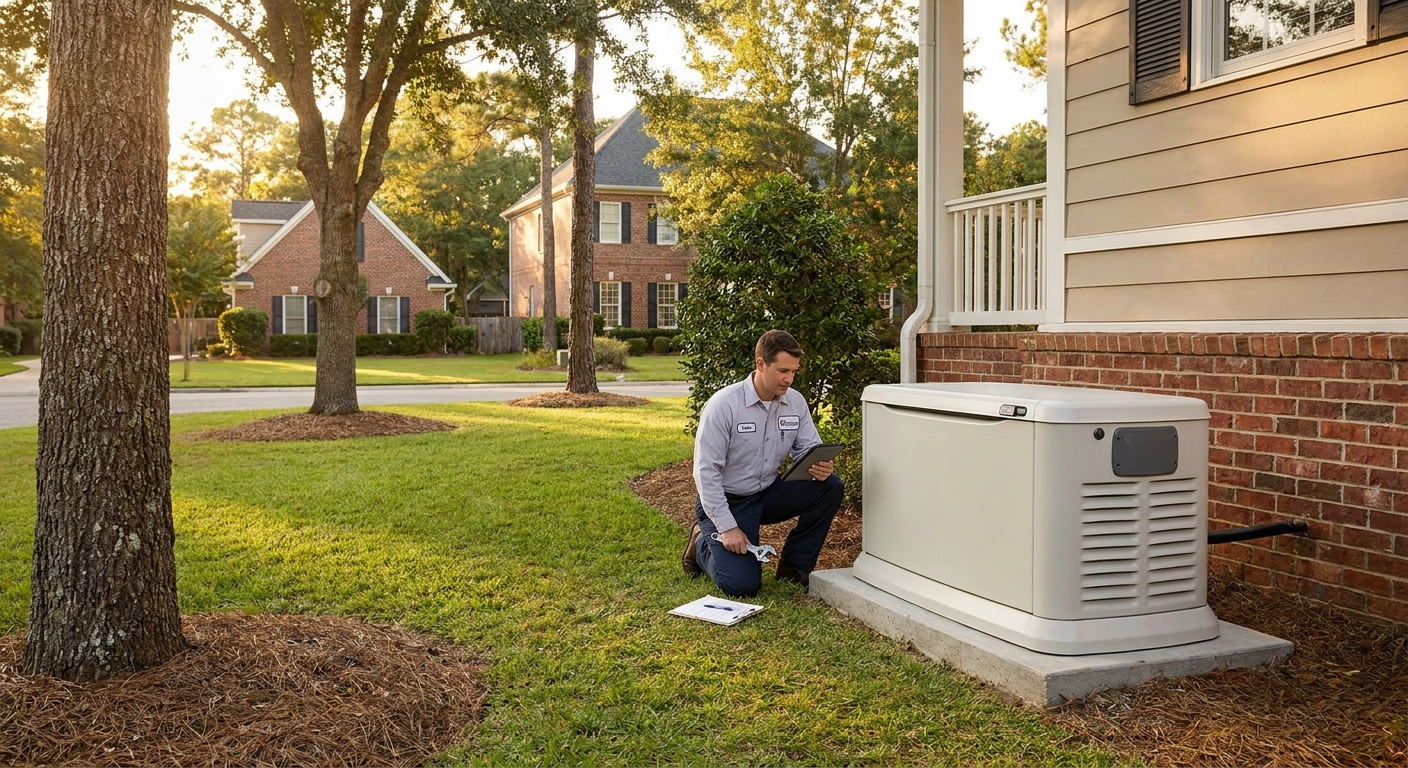
This is two full inspections a year, timed before and after hurricane season, covering oil, filters, battery load testing, transfer switch function, and corrosion checks on wiring and terminals. For a 20kW to 24kW whole-home unit running in Gulf Shores or Orange Beach salt air, twice-a-year service is the minimum interval that catches terminal corrosion before it causes a failed start.
Homeowners who run this schedule going into the 2026 season report far fewer no-start calls during actual outages compared to once-a-year customers. Verdict: Buy.
2. Single annual inspection plan
One visit a year covers the basics - oil change, air filter, battery test - but leaves a 12-month gap where corrosion and fuel degradation go unchecked. It's a reasonable floor for a generator that mostly sits unused and isn't relied on for medical equipment or well pumps.
For low-stakes backup use it's adequate. For anyone counting on the unit during a Category 2 or higher storm, it's thinner coverage than the risk deserves. Verdict: Hold.
3. Manufacturer warranty-only coverage, no scheduled service
A warranty protects against manufacturing defects on Kohler, Generac, Honeywell, or Briggs & Stratton units - it does nothing about a corroded terminal, a dead battery, or a fuel line clogged with stale gasoline. Warranty terms also frequently require documented maintenance to stay valid, so skipping service can void the exact coverage you're relying on.
This is the plan homeowners default to by accident, not by choice, and it's the single biggest reason generators fail to start when the power actually goes out. Verdict: Skip.
4. DIY oil and filter changes only
Changing your own oil every 100-200 hours of runtime is fine maintenance hygiene, but it skips load-bank testing, transfer switch inspection, and the corrosion checks that require a trained eye. Coastal salt air attacks components that don't show visible wear until the unit fails to transfer load during an actual outage.
DIY-only owners save money on paper and pay for it the first time the automatic transfer switch doesn't engage. Verdict: Skip.
5. Quarterly commercial maintenance contract
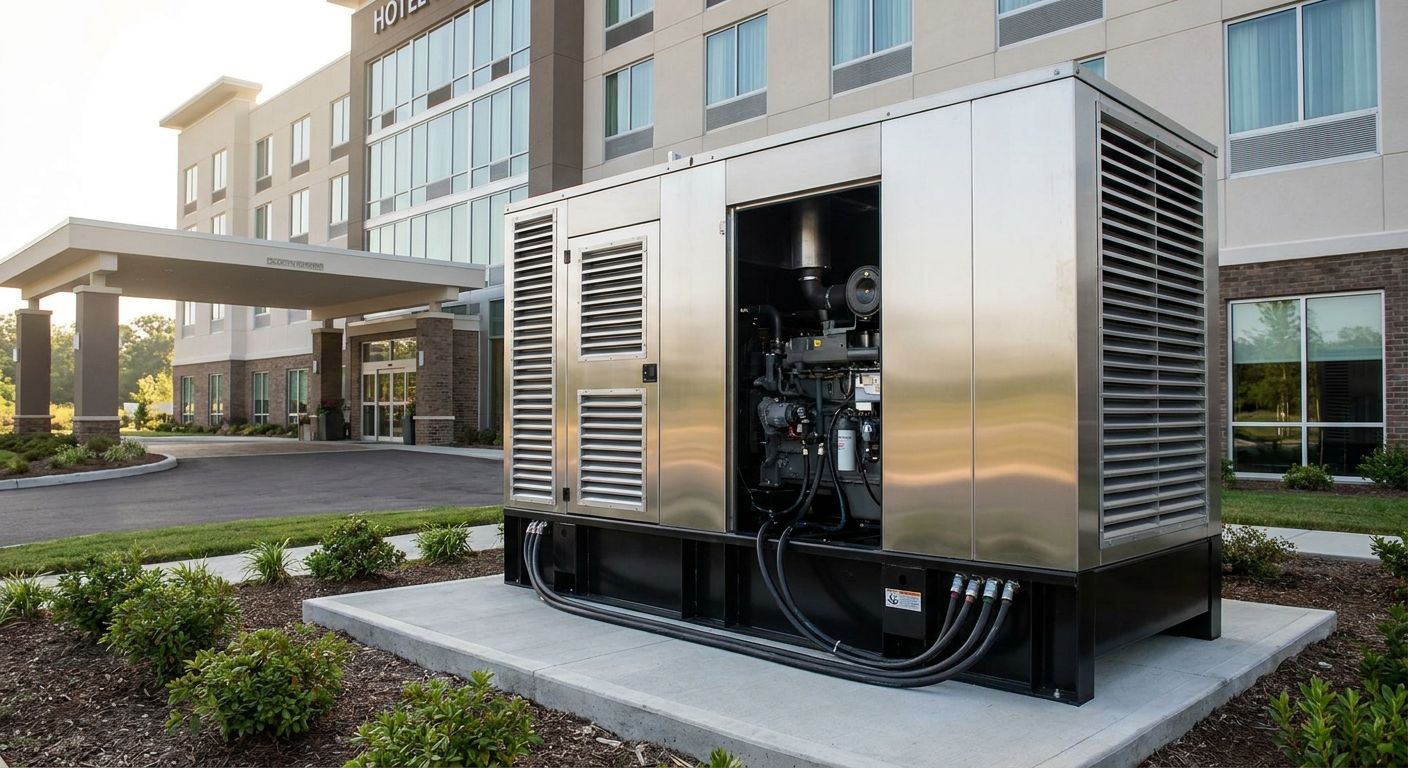
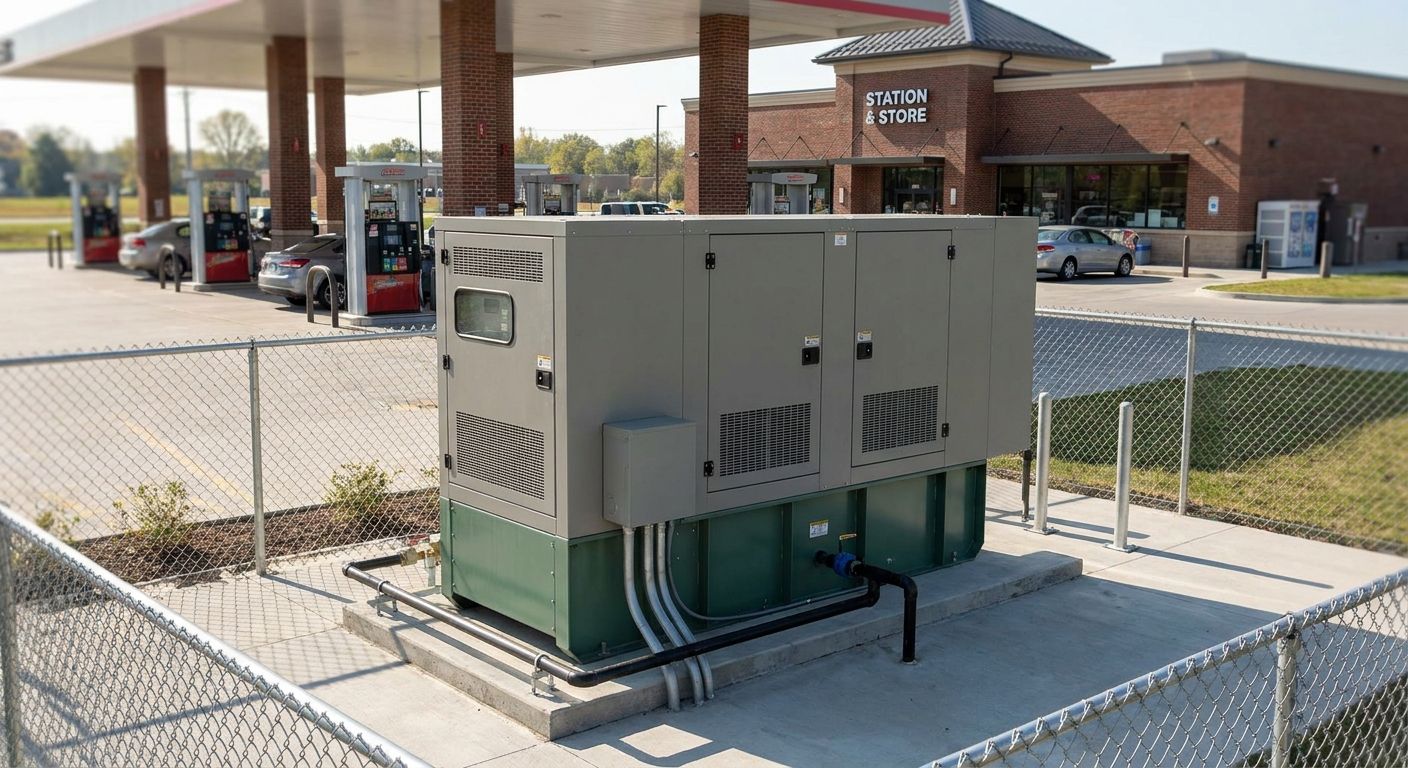
Built for commercial standby units running critical loads - walk-in coolers, medical offices, marinas - quarterly service catches issues faster than any residential schedule and keeps larger 48kW-plus units compliant with commercial insurance requirements. It's more service than most homes need, but it's the right call for any Baldwin County business that can't afford downtime.
For a home generator, this is overkill and overspend. For a commercial unit, it's the standard. Verdict: Buy for commercial use.
6. Pay-per-visit reactive repair, no plan at all
No scheduled service, no inspection cadence - you call when something's already wrong. This is the most expensive path over a 5-year ownership window because small issues (a $40 battery, a $15 filter) turn into $800 transfer switch replacements once neglect compounds.
It also guarantees the worst possible timing: repair techs are booked solid during and immediately after a storm, which is exactly when a reactive-only owner discovers the problem. Verdict: Skip.
7. Installation-bundled extended parts-and-labor plan
When a plan is bundled at the time of install, service intervals are already synced to the unit's actual run hours and the local climate profile from day one, rather than retrofitted later. For a new whole-home Generac or Kohler installation going into the 2026 hurricane season, this is the cleanest way to start ownership with zero maintenance gaps.
It costs more upfront than a standalone annual plan but removes the guesswork on timing. Verdict: Buy.
Comparison table
| Plan type | Service frequency | Corrosion protection | Best for | Verdict |
|---|---|---|---|---|
| Bi-annual authorized-dealer plan | 2x/year | Strong | Whole-home units in coastal towns | Buy |
| Single annual inspection | 1x/year | Moderate | Low-use backup units | Hold |
| Warranty-only, no service | None | None | Nobody, by design | Skip |
| DIY oil/filter only | Owner-driven | Weak | Budget-only owners | Skip |
| Quarterly commercial contract | 4x/year | Strong | Businesses, critical loads | Buy (commercial) |
| Reactive repair, no plan | None | None | Nobody | Skip |
| Installation-bundled extended plan | Synced to install date | Strong | New installs | Buy |
Where to buy your maintenance plan
- Confirm the contractor is licensed and insured before signing anything. A maintenance plan is only as good as the electrician performing the work - verify credentials, not just a company name on a truck.
- Match the plan to your brand. Kohler, Generac, Honeywell, and Briggs & Stratton units have different service specs; an authorized dealer for your specific brand will service it to factory tolerances rather than a generic checklist.
- Ask what's covered in a named storm event. Some plans include priority scheduling during active hurricane watches; others don't. That distinction matters more in Baldwin County than almost anywhere else in the state.
Baldwin County Generators is a licensed electrical contractor servicing Kohler, Generac, Honeywell, and Briggs & Stratton standby generators across Daphne, Fairhope, Foley, and Gulf Shores.
FAQ
What's the best generator maintenance plan for a Baldwin County home? A bi-annual authorized-dealer plan is the best generator maintenance plan for most Baldwin County homeowners in 2026 because it services the unit before and after hurricane season, catching salt-air corrosion twice a year instead of once.
Is annual generator maintenance enough in coastal Alabama? Annual maintenance is adequate for low-use backup units but leaves a 12-month gap where battery failure and corrosion can go unnoticed. For units relied on during storms, twice-a-year service is the safer standard.
Does a maintenance plan affect my generator's manufacturer warranty? Yes - many manufacturer warranties on Kohler, Generac, Honeywell, and Briggs & Stratton units require documented, scheduled maintenance to stay valid. Skipping service can void coverage you assumed was automatic.
How much does generator maintenance typically involve? A standard service visit covers oil and filter changes, battery load testing, transfer switch inspection, and a check of wiring and terminals for corrosion - the items most likely to cause a no-start during an outage.
Should businesses use a different maintenance schedule than homeowners? Yes. Commercial units running critical loads - coolers, medical equipment, marinas - typically need quarterly service, while residential whole-home units run well on a bi-annual schedule.
When should I schedule generator service before hurricane season? Schedule service in the spring, ahead of the Atlantic hurricane season that runs June 1 through November 30, so any issues surface with time to repair before a storm threat arrives.
Can I do generator maintenance myself? Basic oil and filter changes are fine as a supplement, but DIY-only maintenance skips load-bank testing and corrosion checks that require a trained technician - critical in Baldwin County's salt-air environment.
What happens if I skip generator maintenance entirely? Small, cheap fixes - a battery, a filter - turn into expensive failures like a bad transfer switch, and you're most likely to discover the problem during an actual power outage when repair techs are hardest to book.
One last thing
The detail most homeowners miss: a generator that ran a 20-minute self-test last week and a generator that will actually carry your home's load during a 3-day outage are not the same thing. Self-tests confirm the engine starts - they don't confirm the transfer switch, the battery, or the wiring will hold up under real load, which is exactly what a proper bi-annual inspection is built to catch before 2026's storm season puts it to the test.