When the National Hurricane Center tracks a storm toward the Gulf Coast, the question isn't whether you need backup power - it's which generator actually keeps your house running through a multi-day outage without becoming its own headache.
TL;DR
For most Baldwin County homeowners facing hurricane season 2026, a whole-home standby generator in the 14kW-22kW range (Kohler or Generac) is the Buy - it runs on propane or natural gas, starts automatically, and needs zero fuel runs during a storm. Portable units from Honeywell or Briggs & Stratton in the 3,500-7,500 watt range are a reasonable Hold for renters or anyone not ready to commit to a hardwired system. Skip undersized inverter generators under 2,000 watts if you're trying to run a refrigerator, well pump, and HVAC through a 72-hour outage - they can't carry the load. Baldwin County Generators installs and services both categories across Daphne, Fairhope, Foley, and Gulf Shores.
Why This Matters
Hurricane season on the Alabama coast runs June 1 through November 30, and outages after a landfall storm routinely stretch past 72 hours. A generator that starts on the third pull, or one you have to physically refuel at 2 a.m. in tropical-storm winds, isn't a backup plan - it's a liability.
The difference between generator categories comes down to three things: automatic vs. manual start, fuel source, and continuous output. Get any one of those wrong for your household and you'll find out during the outage, not before it.
How This List Was Ranked
This ranking weighs four factors that matter specifically for hurricane prep: automatic-start capability, fuel logistics during a storm (can you refuel it safely, or does it run on a fixed line), continuous wattage against typical whole-home loads, and run time without operator intervention. Portable and inverter units are scored against a 72-hour unattended outage, since that's the realistic window after a landfall storm in coastal Alabama. Whole-home standby systems are scored against seasonal reliability - how they perform after sitting idle for months between hurricane seasons.
The Ranked List
1. Kohler 20kW-22kW Whole-Home Standby - The Set-and-Forget Pick
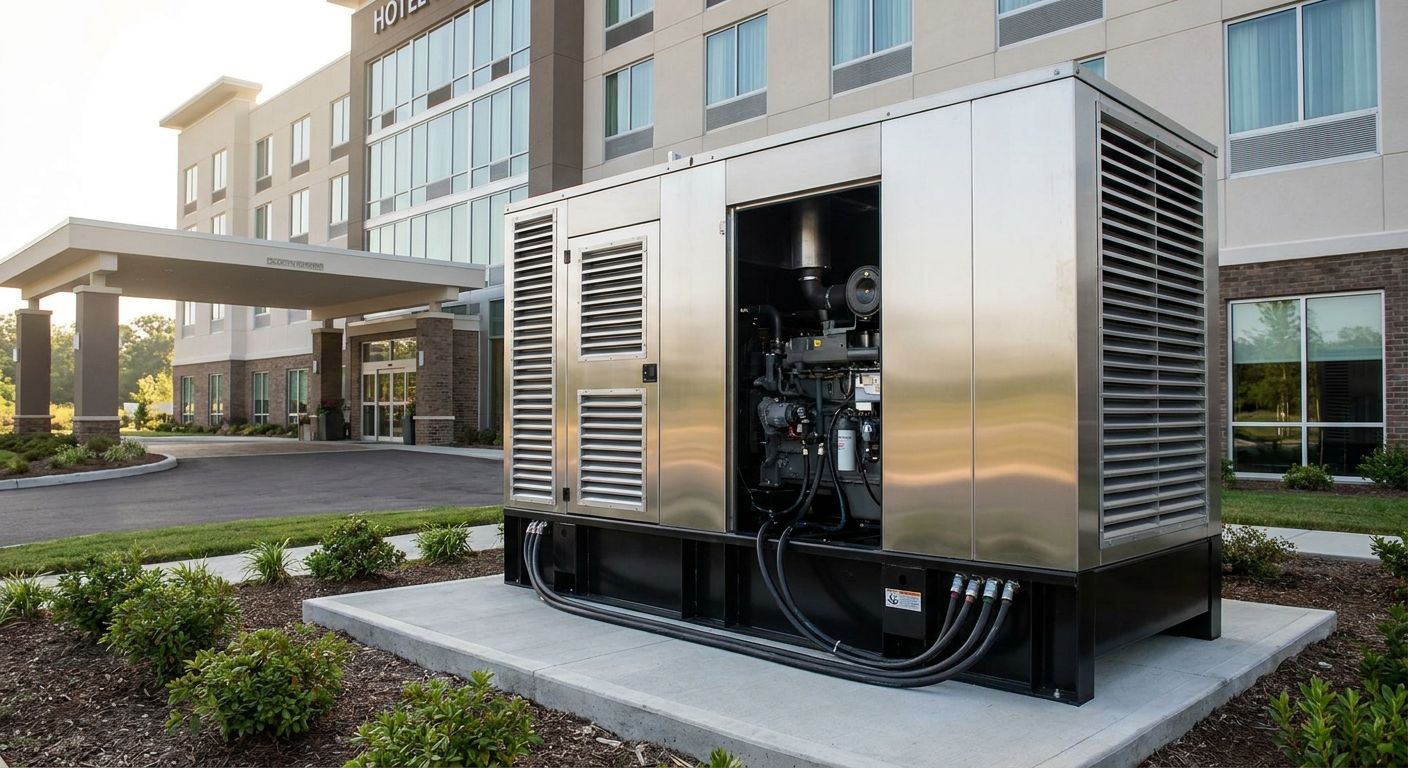
Kohler's residential standby line in the 20kW-22kW class powers a full HVAC system, well pump, and kitchen simultaneously without load management. It runs on natural gas or propane, switches on within 10 seconds of a grid failure through an automatic transfer switch, and self-tests weekly so you're not discovering a dead battery mid-storm.
The tradeoff is upfront installation - it's a hardwired system tied to your electrical panel and a fuel line, not something you buy off a shelf in September. For a coastal Alabama home that loses power multiple times per hurricane season, that installation pays for itself in avoided spoiled food, burst pipes, and hotel stays. Buy.
2. Generac Guardian 22kW Standby - The Category Leader
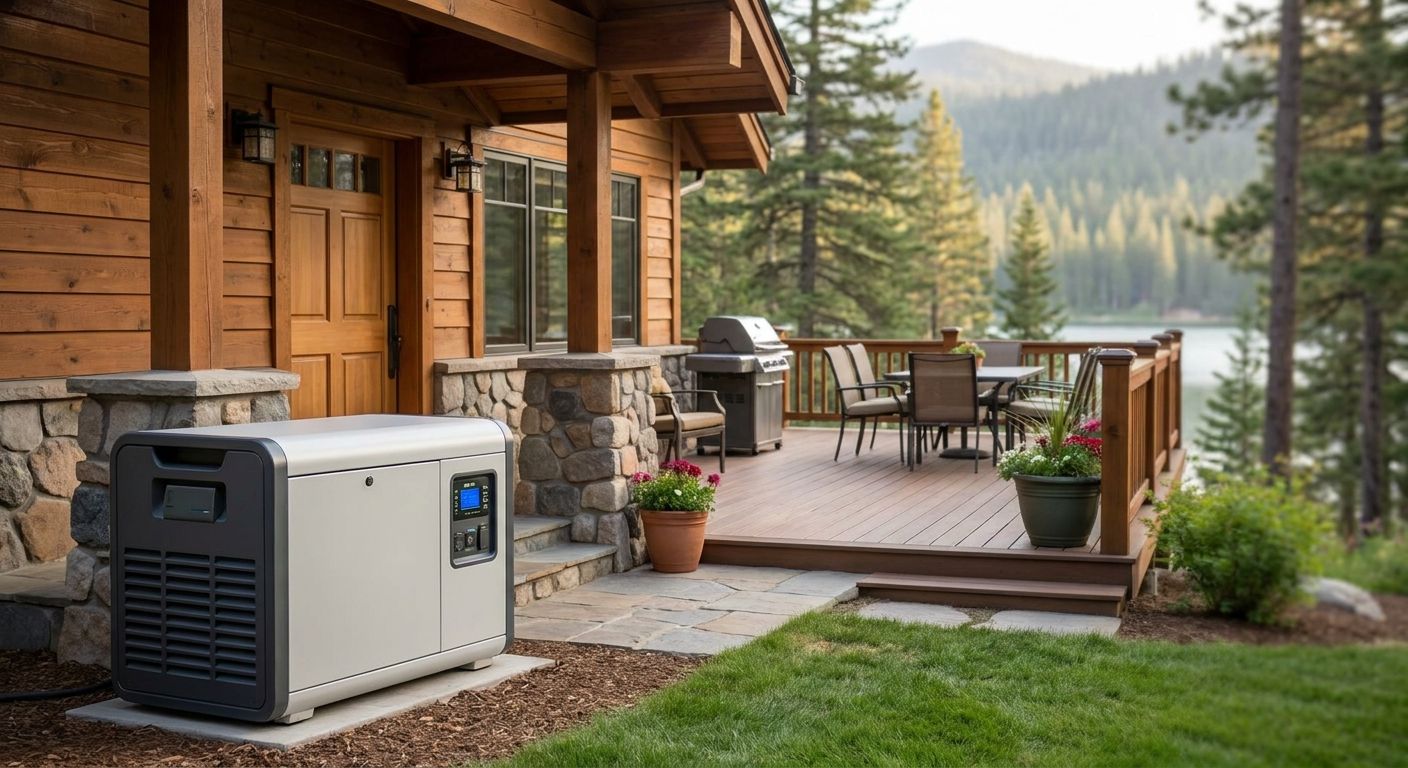
Generac's Guardian series in the 22kW class is the most widely installed whole-home standby generator in the country, and for a practical reason: parts and service techs are easy to find, even in smaller coastal markets. It handles central air, well pumps, and multiple large appliances at once, and runs on propane or natural gas with no manual intervention once installed.
Annual maintenance is non-negotiable with any standby unit that sits idle for 10 months between storms - skip it and you risk a no-start when you need it most. Households already on natural gas service get the cleanest install path. Buy.
3. Honeywell 7,500-Watt Portable - The Renter's Middle Ground
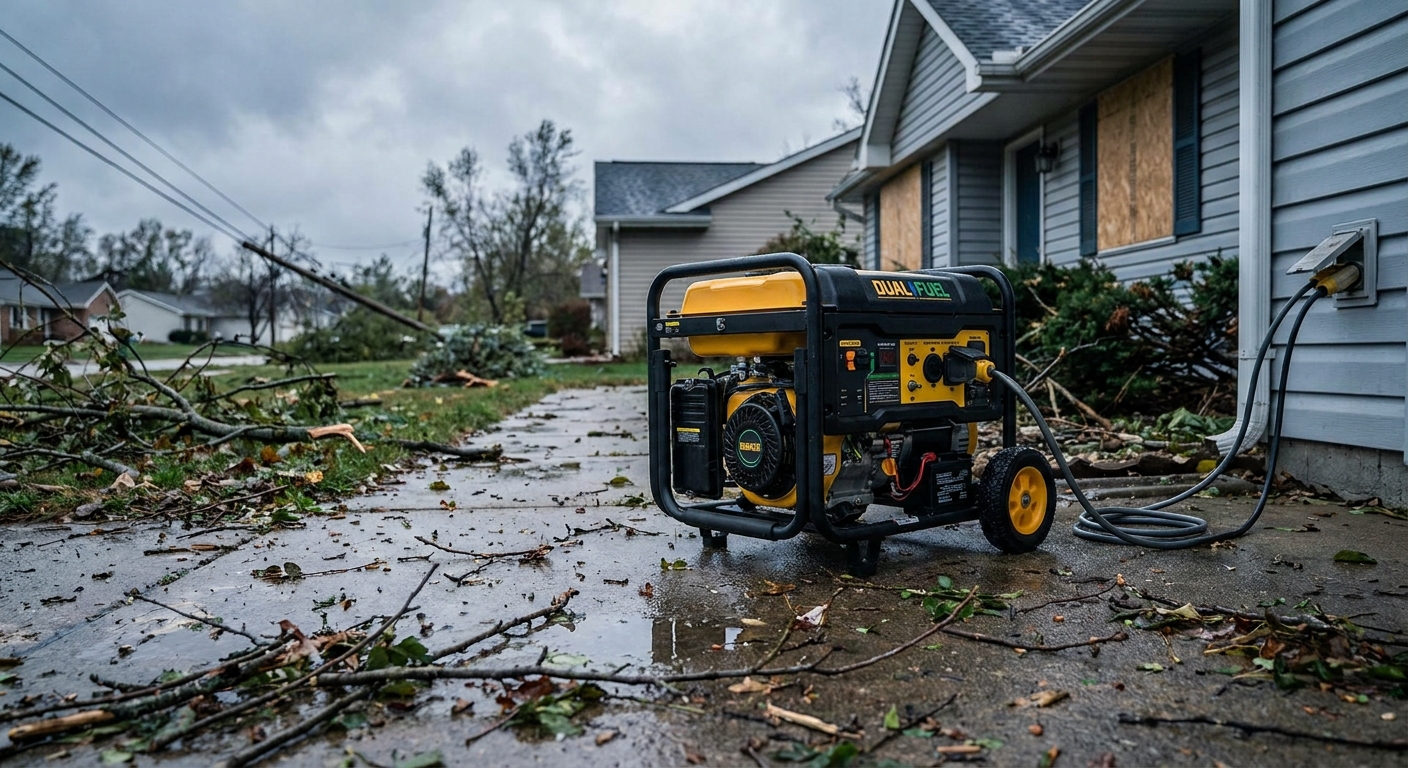
Honeywell's portable line in the 7,500-watt class covers a refrigerator, window units, well pump, and essential circuits without a permanent hookup, which makes it the right call for renters or anyone not ready to modify their electrical panel. It runs on gasoline, which means fuel storage and rotation become your responsibility before hurricane season, not during it.
At 7,500 watts you're managing what runs at once - this isn't a whole-home solution, it's a triage tool. For a 72-hour outage you'll need 15-20 gallons of stored fuel to run it intermittently rather than continuously. Consider if you're not ready for a standby install this season.
4. Briggs & Stratton 5,000-Watt Portable - The Budget Backup
Briggs & Stratton's 5,000-watt portable class is a step down in capacity from the Honeywell option but still covers a refrigerator, some lighting, and a window AC unit. It's the lowest-cost entry point into having any backup power at all, and for a household on a tight budget ahead of a named storm, that matters more than headroom.
At this wattage, running a central air compressor is off the table - you're keeping food cold and a few rooms lit, not maintaining normal life. Treat it as a bridge, not a long-term hurricane strategy. Hold for now, upgrade before next season if the budget allows.
5. Sub-2,000-Watt Inverter Generators - The Common Mistake
Small inverter generators under 2,000 watts are popular for camping and job sites, and they show up in a lot of storm-prep shopping carts because they're cheap and quiet. The problem: they can't start a refrigerator compressor and run a sump pump at the same time, which is exactly the combination most homes need during a multi-day outage.
These units have a place - charging phones, running a CPAP machine, powering a laptop - but marketing them as hurricane-ready backup power for a house is misleading. Skip for whole-home use in 2026; buy one only as a secondary device alongside a larger system.
6. Used or Off-Brand Standby Generators - The Risk Buy
Craigslist and Facebook Marketplace fill up with used standby generators every August and September, often pulled from a home sale or upgrade. Without a maintenance history or a warranty, you're gambling that a unit that's sat unused for years will start reliably the one week you need it.
A failed start during an active hurricane isn't a refund situation - it's a house with no power for the duration of the outage. Skip unless the seller can produce service records and the unit passes a professional load test before storm season, not after a watch is issued.
Comparison At A Glance
| Generator Class | Fuel | Continuous Output | Start Type | Best For | Verdict |
|---|---|---|---|---|---|
| Kohler 20-22kW Standby | Propane/Natural gas | Full home | Automatic | Multi-outage households | Buy |
| Generac Guardian 22kW | Propane/Natural gas | Full home | Automatic | Natural gas homes | Buy |
| Honeywell 7,500W Portable | Gasoline | Partial home | Manual | Renters, budget standby | Consider |
| Briggs & Stratton 5,000W | Gasoline | Essentials only | Manual | Tight budgets | Hold |
| Sub-2,000W Inverter | Gasoline | Devices only | Manual | Backup-to-backup | Skip |
| Used standby units | Varies | Unknown | Automatic | No one, without records | Skip |
Where To Buy
- Buy before hurricane season starts, not during a watch. Installers and dealers across coastal Alabama see order backlogs the moment a storm enters the Gulf - a standby install booked in April beats one requested in August.
- Buy from a licensed electrical contractor, not a big-box shelf, for anything hardwired. A standby generator tied into your panel and fuel line needs a permit and a qualified installer; skipping that step voids most manufacturer warranties.
- Buy portables from a dealer who can service the brand locally. A Honeywell or Briggs & Stratton unit with no local parts or repair access turns a simple fix into a multi-week wait during peak storm demand.
FAQ
What's the best generator for hurricane power outages in 2026? A whole-home standby generator in the 14kW-22kW range from Kohler or Generac is the strongest option for coastal Alabama homes facing repeated multi-day outages, because it starts automatically and runs on a fixed fuel source. Portable units from Honeywell or Briggs & Stratton work as a lower-cost middle step for partial coverage.
Is a portable generator enough for a hurricane? A 5,000-7,500 watt portable generator covers a refrigerator, some lighting, and window AC units, but it won't run a full HVAC system or multiple large appliances at once. For a 72-hour outage, plan on 15-20 gallons of stored fuel and manual refueling.
How many kW do I need for a whole-home standby generator? Most coastal Alabama homes need 14kW-22kW to cover HVAC, a well pump, and kitchen appliances simultaneously, though exact sizing depends on square footage and equipment. A licensed installer should size the unit against your electrical panel before install.
Should I buy a generator before or during hurricane season? Buy before June 1 if possible. Installers and dealers see order backlogs the moment a storm enters the Gulf, and standby generator installations take longer to schedule during an active watch or warning.
Does a standby generator run on natural gas or propane? Both Kohler and Generac standby units run on either natural gas or propane, depending on what's already connected to your home. Natural gas households typically have the simplest install path since no propane tank is required.
How long can a whole-home generator run during an outage? A properly sized and maintained standby generator on natural gas can run indefinitely as long as gas service continues; propane units run until the tank empties, typically several days on a standard residential tank. Portable gasoline units are limited by how much fuel you've stored and can safely refuel.
Is Generac better than Kohler for hurricane backup? Both brands perform comparably in the 20-22kW residential class; the better choice usually comes down to local parts and service availability rather than a meaningful performance gap. Fuel type already available at your home (natural gas vs. propane) often matters more than brand.
What size generator do I need to run my whole house during a hurricane? Most single-family homes need 14kW-22kW to run HVAC, refrigeration, and essential circuits together without load shedding. Larger homes with well pumps and multiple AC units often need the higher end of that range.
One Last Thing
The unit most homeowners regret buying isn't the cheap one - it's the one they never test before June 1. A standby generator that hasn't run its weekly self-test in months, or a portable that's sat in a garage since last hurricane season without a fuel system check, fails at exactly the wrong moment. Run a full load test before the season starts, not after a named storm forms in the Gulf.