Coastal Alabama runs on three standby generator fuel types - natural gas, propane, and diesel - and only one of them survives a direct hurricane hit without a fuel truck. This guide ranks all three for real storm conditions in Daphne, Fairhope, Foley, and Gulf Shores.
TL;DR
For most Baldwin County homes, propane wins as the best fuel type standby generator Alabama homeowners should install in 2026 - a 500-gallon tank runs a 22kW unit for roughly 5-7 days without a refill. Natural gas is a close second where the utility grid stays intact, but it fails if the pipeline network takes damage in a major storm. Diesel is the right call for commercial and large-property use over 48kW, but sourcing fuel after a hurricane in 2026 can take 3-5 days. Gasoline-only portables are a Skip for anyone considering a real standby system.
Why this matters
Hurricane season along the Gulf Coast doesn't ask what fuel is convenient - it asks what fuel is still available on day three of an outage. A generator that can't get fuel is a lawn ornament. Baldwin County Generators installs and services all three fuel types across coastal Alabama, and the fuel choice matters more than the brand name on the unit. Picking wrong means a $12,000-$20,000 installed system that stalls out exactly when Fairhope and Gulf Shores need it most.
How this ranking works
The order below weighs three factors that matter specifically for coastal Alabama in 2026: fuel availability during and after a hurricane, typical run time for whole-home sizing (14kW-24kW residential, 48kW+ commercial), and total cost including tank or line installation. It does not weigh brand - Kohler, Generac, Honeywell, and Briggs & Stratton all build units for every fuel type on this list. The verdicts reflect fuel logistics, not manufacturer performance.
Ranked: Best fuel types for standby generators in coastal Alabama
1. Propane (LP) - the storm-season standard
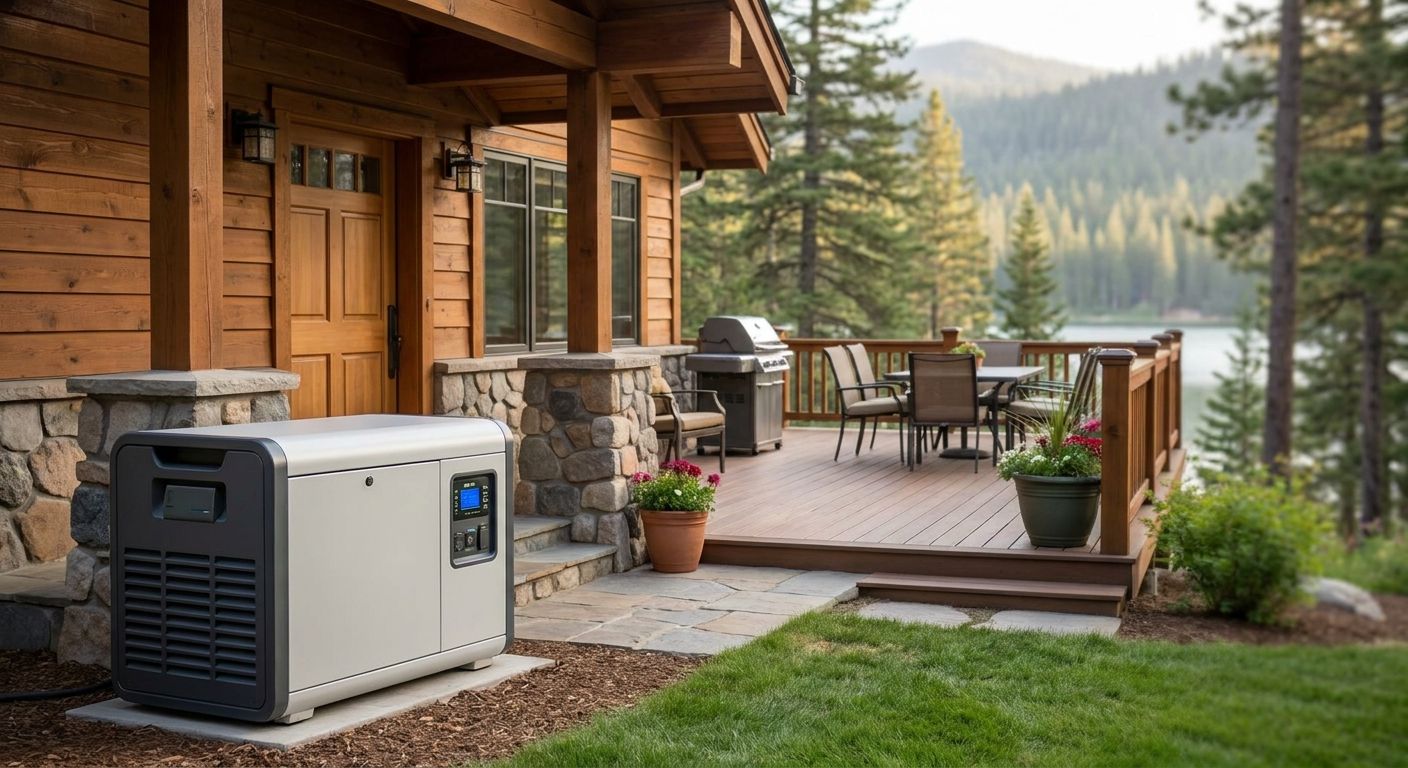
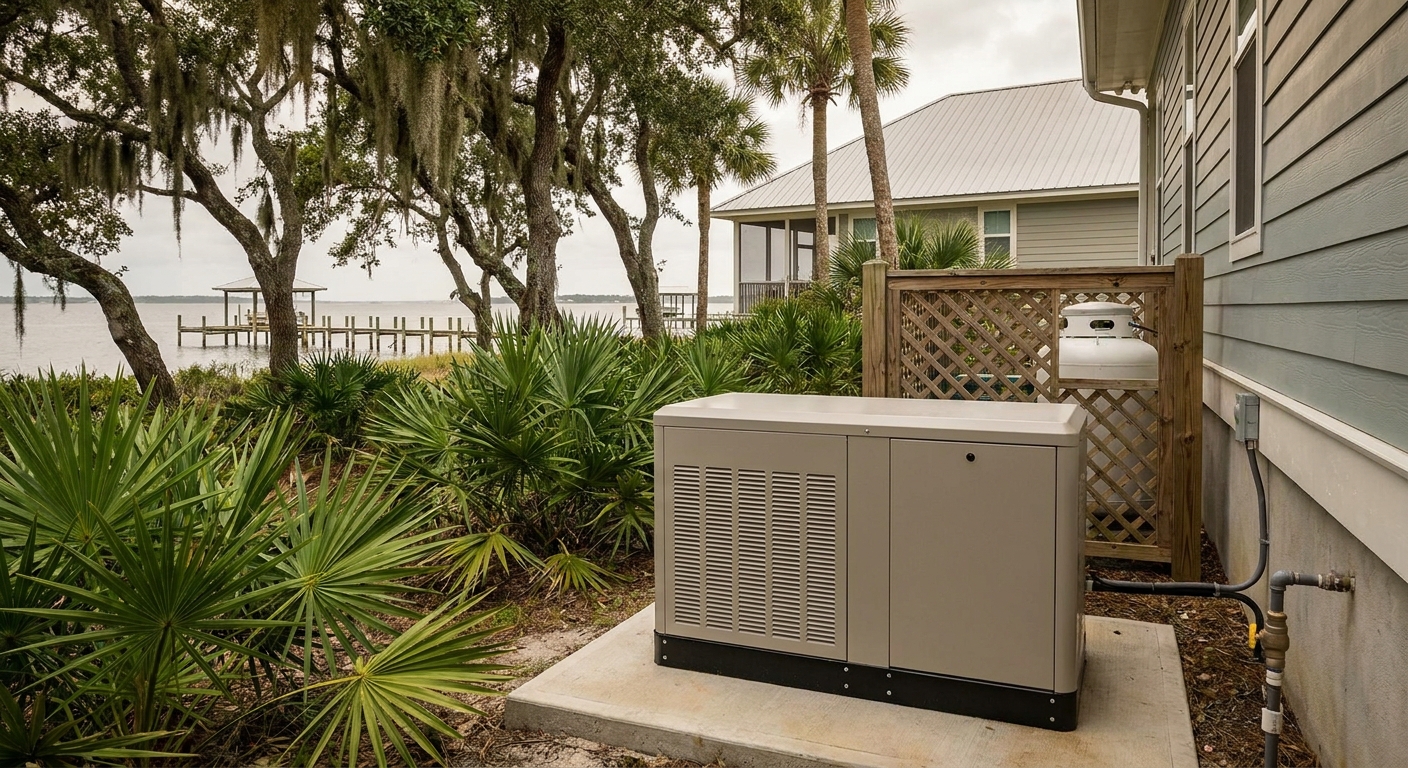
Propane is stored on-site in a tank you own, which means no dependency on a utility line that a fallen pine tree or storm surge can sever. A standard 500-gallon tank, filled to the 80% safe level (400 gallons usable), runs a 22kW whole-home unit for approximately 5-7 days at moderate load - long enough to cover most post-hurricane grid restoration windows in Baldwin County. Propane suppliers in Foley and Daphne typically resume deliveries within 24-48 hours of a storm passing, faster than diesel suppliers serving the same radius. Installed cost for a propane system (generator plus tank) runs higher upfront than natural gas because of the tank, but the fuel independence is the point. Verdict: Buy - this is the safest default for most coastal Alabama homes in 2026.
2. Natural gas - the low-maintenance runner-up
Natural gas draws straight from the underground utility line, so there's no tank to monitor, no delivery truck to schedule, and technically no fuel limit as long as the line stays pressurized. That's a real advantage for homeowners in established neighborhoods across Daphne and Fairhope where gas infrastructure is buried and storm-hardened. The risk: if the gas utility itself takes damage - which happened in isolated pockets during past Gulf hurricanes - the generator goes dark along with everything else on that line. Natural gas also produces slightly less power output per hour of runtime than propane in side-by-side generator specs, meaning some households size up a few kW to compensate. Verdict: Buy, with the caveat that it's a strong second choice behind propane specifically because of grid-dependency risk during major storms.
3. Diesel - built for commercial loads, not weekend outages
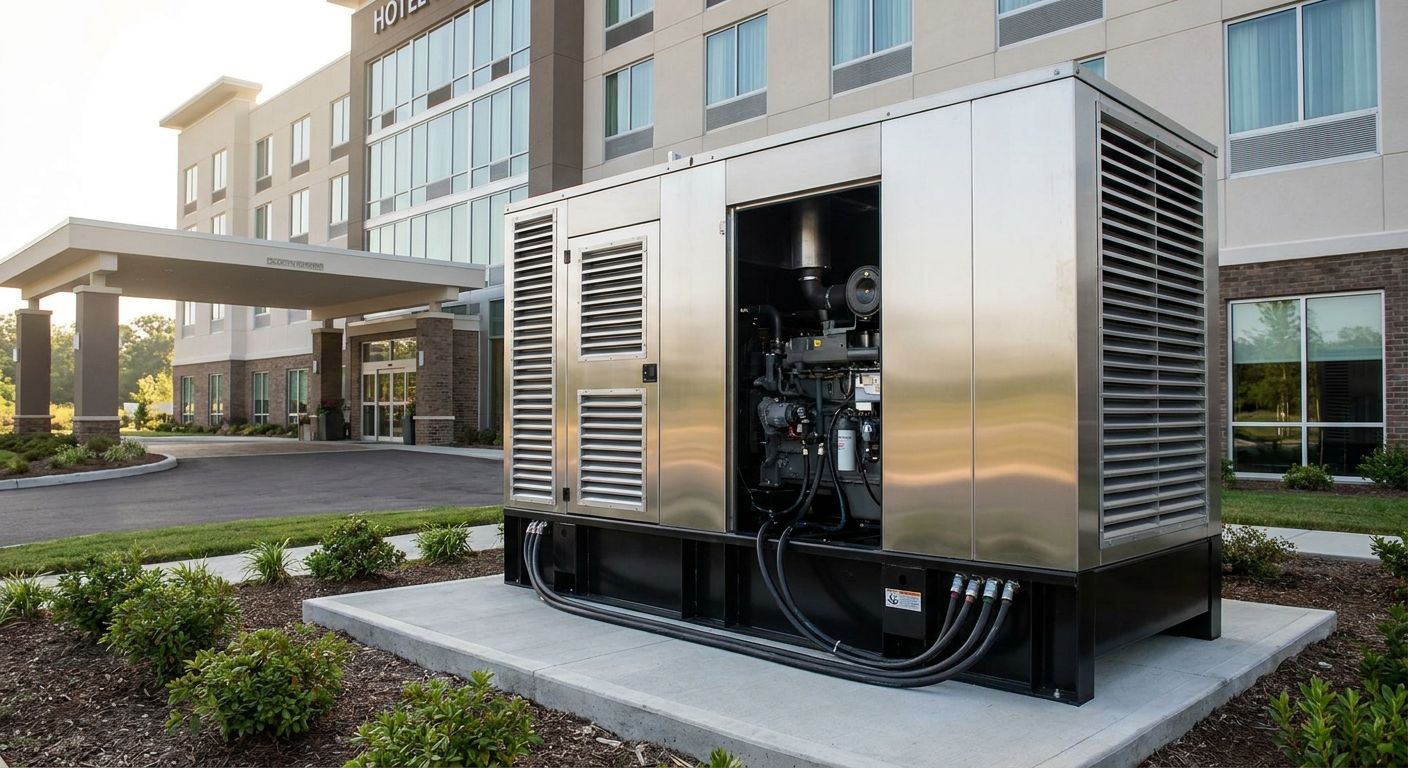
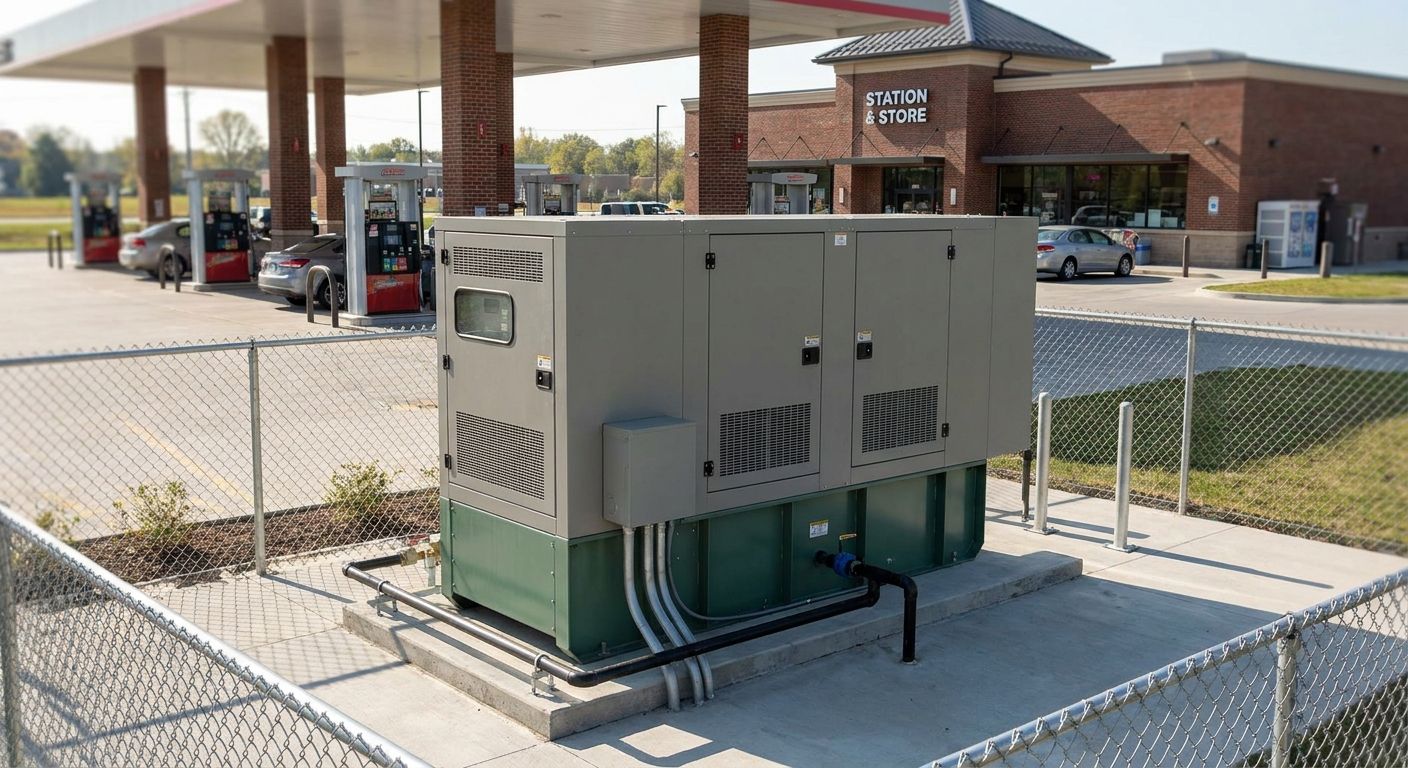
Diesel generators dominate the 48kW-150kW+ commercial tier because diesel engines handle continuous heavy loads better than gas-fired units of the same size. A business in Gulf Shores running refrigeration, HVAC, and point-of-sale systems on a 100kW diesel unit gets more reliable sustained output than an equivalent gas setup. The catch for residential buyers: diesel fuel isn't piped to your house, so you're storing it in a tank and refilling it manually, and post-hurricane diesel delivery in coastal Alabama commonly runs 3-5 days behind demand as fuel trucks prioritize hospitals and emergency services first. Diesel also needs periodic fuel stabilization and tank maintenance that propane and natural gas don't require. Verdict: Consider for commercial properties and large estates over 10,000 square feet; Skip for a typical single-family home.
4. Gasoline-only portables - not a standby solution
Gasoline portables get lumped into generator conversations, but they aren't standby systems - they don't auto-start, don't run continuously for days, and gas stations across Baldwin County routinely run dry within 24-48 hours after a hurricane warning. A portable might bridge a few hours during a short outage, but it can't replace a hard-wired standby unit for a multi-day event. Verdict: Skip if you're comparing this against any of the three fuel types above for whole-home backup.
Fuel type comparison table
| Fuel Type | Typical Run Time (22kW) | Post-Storm Fuel Access | Best For | Verdict |
|---|---|---|---|---|
| Propane | 5-7 days on 500-gal tank | 24-48 hrs to restock | Most coastal AL homes | Buy |
| Natural Gas | Unlimited if line intact | Depends on utility status | Established gas-line neighborhoods | Buy |
| Diesel | Depends on tank size | 3-5 days to restock | Commercial, large estates | Consider |
| Gasoline (portable) | Hours, not days | Often unavailable within 48 hrs | Short outages only | Skip |
Where to get the right fuel type installed
- Check what's already on your property. A home with an existing propane tank or gas line has a head start on installation cost and timeline.
- Size the generator to the fuel, not the other way around. A 14kW unit on natural gas behaves differently than a 14kW unit on propane - a licensed electrical contractor should confirm sizing before you sign anything.
- Ask about fuel delivery contracts before hurricane season starts, not during a storm watch. Propane and diesel suppliers in Baldwin County get slammed the moment a storm enters the Gulf.
FAQ
What's the best fuel type for a standby generator in coastal Alabama? Propane is the best fuel type standby generator Alabama homeowners should choose for most residential installs in 2026, because a stored tank isn't dependent on a utility line surviving the storm.
Is natural gas better than propane for a generator? Natural gas is easier to maintain since there's no tank to refill, but it's only as reliable as the gas utility's infrastructure - propane wins on independence during major hurricanes.
How long does a propane generator run during an outage? A 500-gallon propane tank powering a 22kW whole-home generator typically lasts 5-7 days at moderate load before needing a refill.
Can a diesel generator power a whole house? Yes, but diesel is generally oversized and overpriced for typical residential loads - it makes more sense for commercial properties running 48kW or higher.
How much does a propane standby generator cost installed in Alabama? Installed costs vary by home size and existing infrastructure, but propane systems typically run higher upfront than natural gas because of the tank purchase and setup.
Do gasoline generators count as standby generators? No. Gasoline portables don't auto-start or run for multiple days unattended, and gas station supply routinely runs out within 24-48 hours after a hurricane warning in coastal Alabama.
What happens if the natural gas line is damaged during a hurricane? A natural gas generator goes offline along with the rest of the utility line - this is the main reason propane ranks ahead of natural gas for storm-heavy areas like Gulf Shores and Foley.
Should I switch fuel types if I already have a generator? Only if your current fuel type has failed you during a past outage - a licensed contractor can evaluate whether a tank conversion or gas-line tie-in makes sense for your property.
One last thing
Most homeowners assume the generator brand matters more than the fuel - it doesn't. A Kohler or Generac unit running on propane will outlast the exact same unit running on natural gas the moment a Category 3 storm damages the gas utility's lines, which is precisely the scenario coastal Alabama plans for every June through November.