Septic and sewage pump systems fail the moment the power does, and a power outage during hurricane season turns a working system into a health hazard inside hours. This guide breaks down what homeowners with effluent pumps, grinder pumps, or lift stations in coastal Alabama need from a backup generator installation for septic and sewage pump systems before storm season hits.
- A 14kW standby generator covers most single-family grinder pump setups plus fridge and lights - Buy.
- Portable generators without a transfer switch risk backfeed and code violations for septic pump circuits - Skip.
- Grinder pumps draw 2,000-3,000 running watts with a starting surge near 3x that - size for the surge, not the label.
- Baldwin County Generators installs Kohler, Generac, Honeywell, and Briggs & Stratton units sized to actual pump load, not guesswork.
Why this matters
A septic system with an electric effluent or grinder pump stops moving wastewater the second the grid drops. In flood-prone zones around Fairhope, Daphne, Foley, and Gulf Shores, that means sewage backing up into the house or pooling in the yard within a few hours of a storm-related outage - not days. Hurricane season in coastal Alabama runs June through November, and outages tied to tropical systems routinely stretch past 48 hours. A backup generator installation sized and wired specifically for the pump circuit is the difference between a non-event and a sewage cleanup bill.
Who this is for
This guide is for homeowners on private septic systems with an electric pump - effluent, grinder, or a lift station - in coastal Alabama communities where hurricane outages are a near-annual event. If your system relies on gravity flow only with no pump, generator sizing for the septic side isn't a concern; skip to whole-home coverage instead. If you've got a pump alarm panel, a grinder pump, or a lift station serving a low-lying lot, keep reading.
What to look for in a backup generator for septic and sewage pumps
Starting wattage, not just running wattage
Pump motors draw a heavy surge on startup - often 2 to 3 times their running wattage - and that surge is what trips undersized generators. A grinder pump running at 2,200 watts can spike past 6,000 watts for a second or two on startup. Size the generator to the surge, not the nameplate running number, or the unit will stall every time the pump cycles.
A transfer switch wired to the pump circuit
An automatic transfer switch needs to include the septic pump's dedicated circuit, not just general household loads. Homeowners who add a generator for lights and the fridge but forget the pump circuit end up with power everywhere except the one circuit that actually protects the house from sewage backup.
Continuous-run capability for multi-day outages
Standby generators run on natural gas or propane and are built for days of continuous duty; portable generators need refueling every 8-12 hours and can't be left unattended overnight. A storm that knocks out power for 4 or 5 days requires a unit that runs unattended, not one that needs a 2 a.m. gas run in a hurricane.
Fuel source availability during storm season
Gasoline supply gets tight fast in the days before and after a hurricane makes landfall, and gas stations along Highway 98 and Highway 59 routinely run dry. Propane and natural gas standby units sidestep that entirely, which is why most whole-home installs in Baldwin County run on one of the two.
Mounting height and flood exposure
Low-lying lots near Weeks Bay, Mobile Bay, or the Intracoastal Waterway see storm surge and flash flooding that can submerge a generator mounted at grade. Pad height and placement relative to the base flood elevation matter as much as the kW rating - a generator that drowns in 18 inches of water does the pump circuit no good at all.
Licensed installation and code compliance
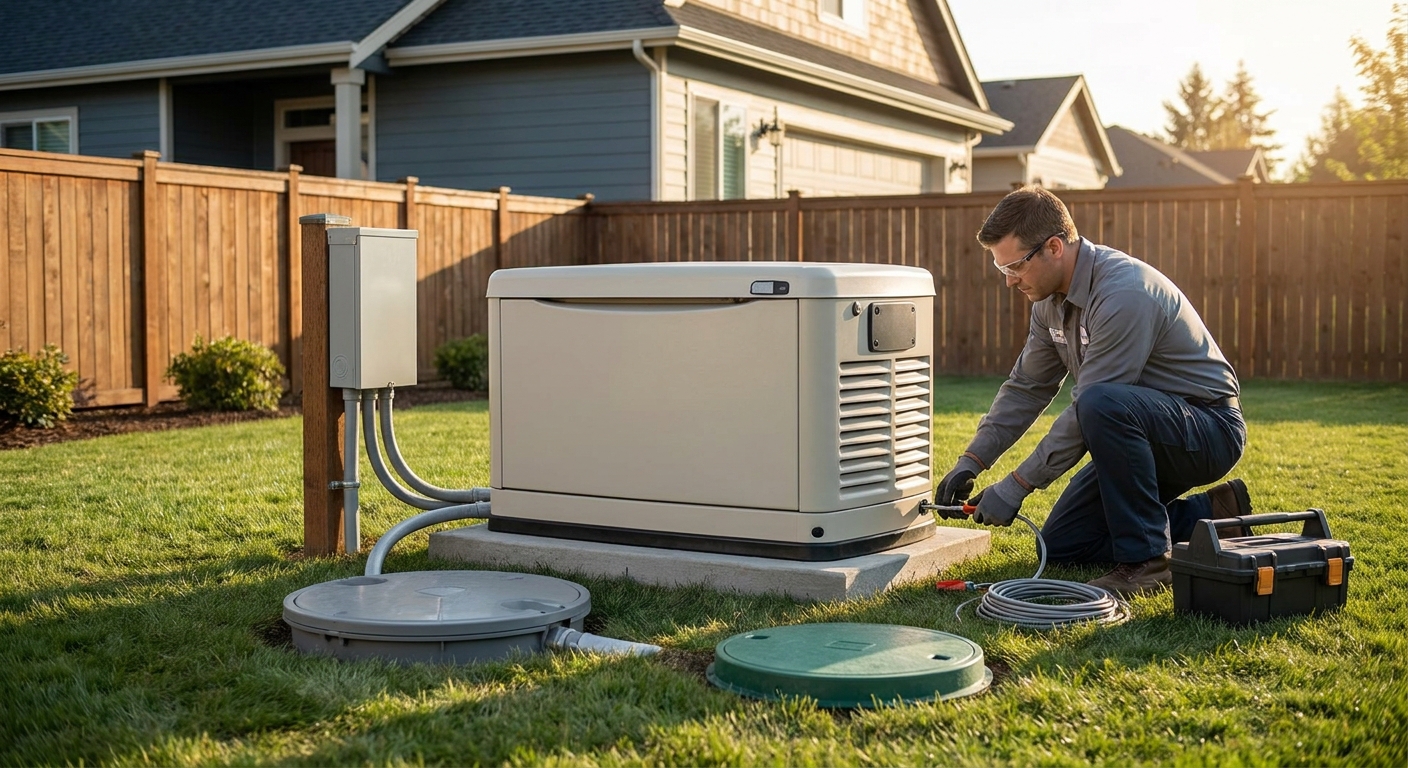
Septic pump alarm circuits, transfer switch wiring, and gas line sizing all fall under electrical and plumbing code, and a DIY or unlicensed hookup risks both an inspection failure and a warranty void on the pump. A licensed electrical contractor pulls the permits and signs off on the install so it holds up when an adjuster or inspector looks at it.
Top picks by generator size
7-8kW tier - the bare minimum. Running wattage around 6,500-7,000W covers a single effluent pump plus a handful of circuits - a couple of lights, the fridge. Consider this tier only for a small home with an effluent pump and no grinder pump or AC on the same circuit. Skip it if the home also runs a grinder pump or central air; the surge will overload it.
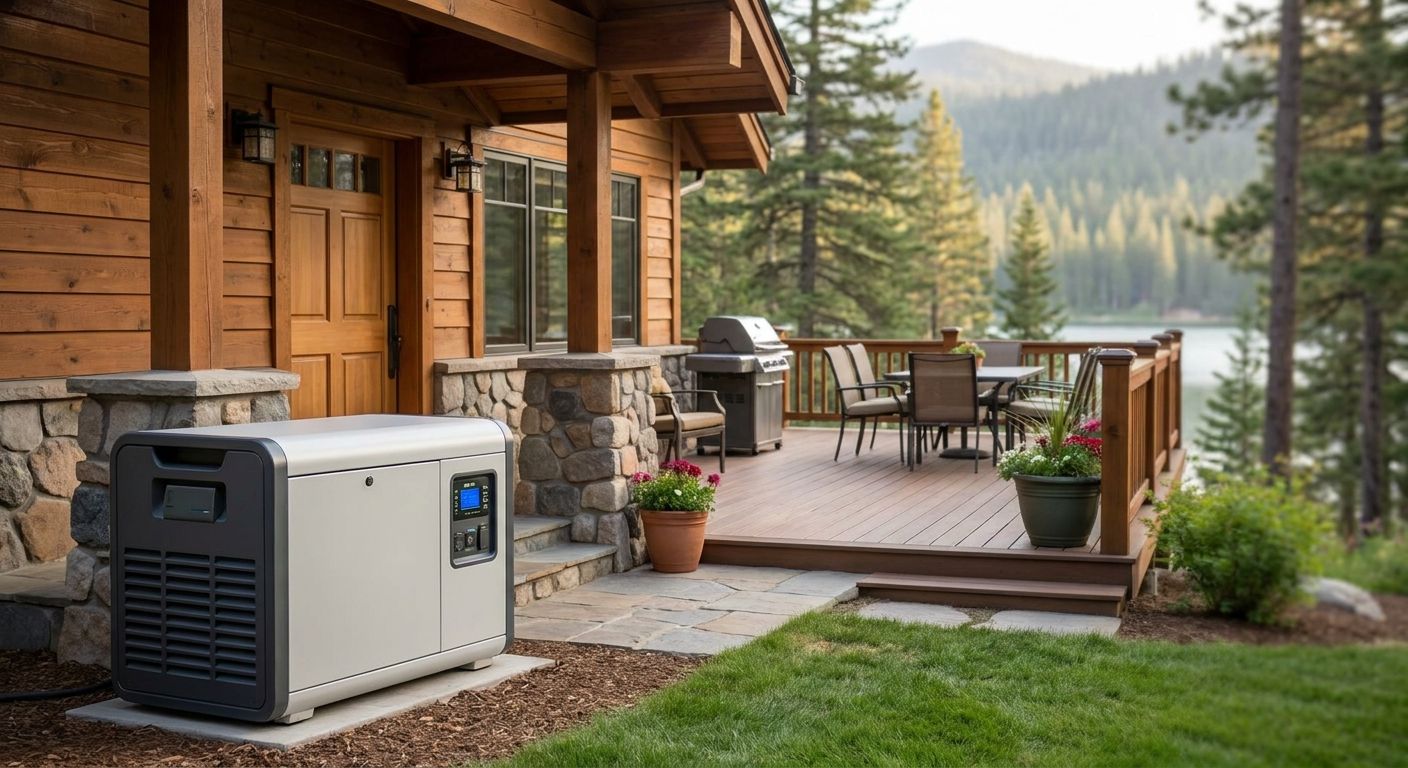
14kW tier - the safe pick for most homes. This size handles a grinder pump's startup surge plus the fridge, lights, garage door, and a window AC unit with room to spare. It's the size Baldwin County Generators installs most often for single-family septic setups in Fairhope and Daphne. Buy for a typical 2,000-3,000 sq ft home on a grinder pump system.
20-22kW tier - the wildcard for bigger homes. This tier adds full central HVAC coverage on top of the pump circuit, which matters in August when a multi-day outage without AC is its own hazard. Consider it for larger homes or households with medical equipment needs layered on top of the septic pump load.
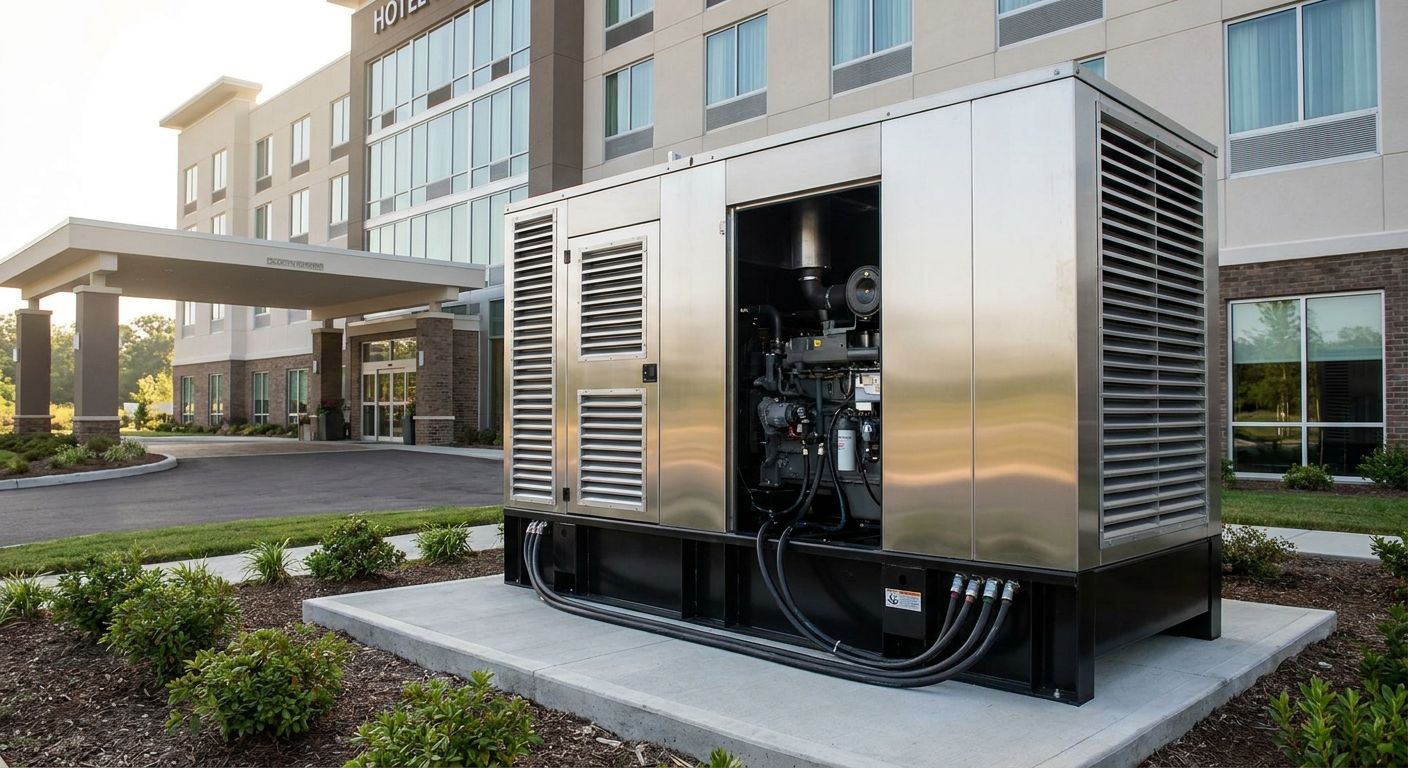
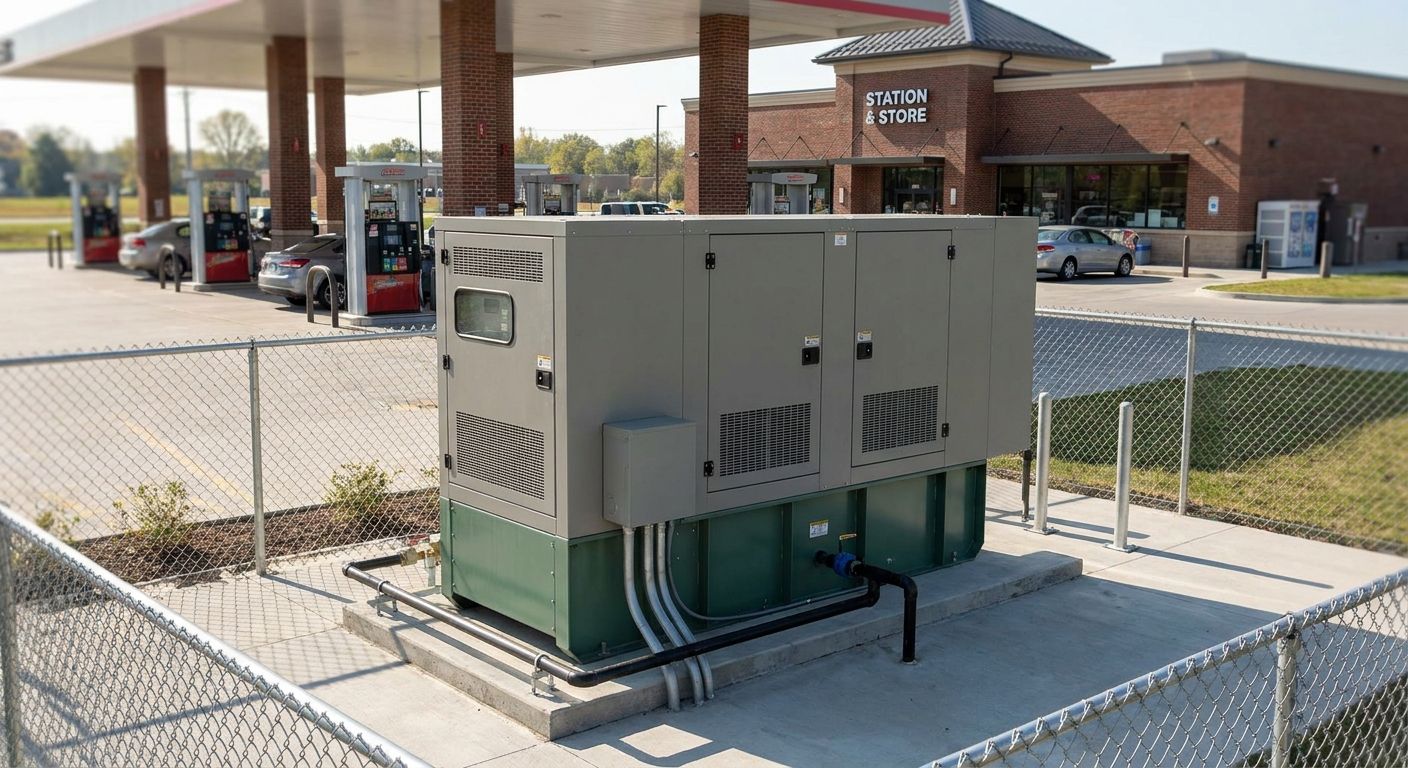
26-30kW tier - built for lift stations and duplex loads. Commercial-grade lift stations serving multiple units or a larger property need this tier's continuous duty rating and higher surge headroom. Buy for any property with a dedicated lift station or more than one pump on the system.
What to avoid
- A portable generator without a transfer switch. Running extension cords to the panel or backfeeding through a dryer outlet is a code violation and a shock hazard to utility line workers - it looks like a quick fix but it isn't a real backup generator installation for septic and sewage pump systems.
- Undersizing to save on upfront cost. A generator that starts the pump but browns out on the surge trips its own breaker repeatedly, which shortens its life and leaves the pump circuit down anyway.
- Gasoline-only units for storm-season reliability. Fuel scarcity in the 72 hours around landfall makes gasoline the least dependable fuel source for a system that has to run unattended for days.
“Size the generator to the pump's starting surge, not the running wattage on the label, or it stalls the first time the pump cycles.”
Verdict comparison
| Tier | Running watts | Starting surge | Best for | Verdict |
|---|---|---|---|---|
| 7-8kW | ~6,500-7,000W | Handles single effluent pump only | Small home, effluent pump only | Consider |
| 14kW | ~11,000-12,000W | Handles grinder pump + essentials | Standard single-family septic | Buy |
| 20-22kW | ~17,000-19,000W | Handles grinder pump + full HVAC | Larger homes, added medical loads | Consider |
| 26-30kW | ~22,000-26,000W | Handles lift station + duplex loads | Commercial/multi-unit lift stations | Buy |
FAQ
What size generator do I need for a septic pump?
Most single-family homes with a grinder pump need at least a 14kW standby generator to cover the pump's starting surge plus household essentials. Effluent-pump-only homes can sometimes get by with 7-8kW, but sizing should always account for surge wattage, not just running watts.
Can a portable generator run a sewage pump?
A portable generator can technically power a sewage pump, but without a transfer switch it creates a backfeed hazard and a code violation. For unattended multi-day outages during hurricane season, a standby unit wired through a transfer switch is the reliable option.
How much does backup generator installation for a septic system cost in 2026?
Installed cost in 2026 depends on generator size, fuel line work, and transfer switch placement, and ranges widely based on the specific property. A licensed contractor quote accounts for the actual pump load rather than a flat estimate.
Do I need a transfer switch for a septic pump backup generator?
Yes, an automatic transfer switch wired to the septic pump's dedicated circuit is required for a code-compliant, safe installation. Without it, the pump circuit may stay dead even while the rest of the house has power.
What happens to my septic system during a power outage without a generator?
An electric effluent or grinder pump stops moving wastewater immediately, and backup or overflow can start within hours depending on usage and tank capacity. Homes on low-lying lots near Mobile Bay see this risk compound with storm surge flooding.
Is propane or natural gas better for septic pump backup power in coastal Alabama?
Both outperform gasoline for storm-season reliability since they don't depend on a fuel supply chain that gets strained right before and after landfall. The choice between propane and natural gas usually comes down to what's already available at the property.
How long can a standby generator run a grinder pump during a hurricane?
A properly sized standby generator on natural gas or propane is built for continuous multi-day operation, unlike a portable unit that needs refueling every 8-12 hours. That continuous-run capability is exactly what a multi-day hurricane outage requires.
Does a generator need to be elevated for septic pump backup in flood zones?
Yes, generators on low-lying lots near Weeks Bay or the Intracoastal Waterway need pad height above expected flood levels, since a submerged unit does nothing for the pump circuit it's meant to protect. Placement should be part of the same install plan as sizing and the transfer switch.
One last thing
Most pump alarm panels run on their own small battery backup that lasts a few hours at most, and once that battery drains during an extended outage, the homeowner loses the one warning sign that the tank is filling. A properly wired backup generator installation keeps that alarm circuit powered continuously, which matters more than most homeowners realize until the battery dies on day two of a storm outage. Baldwin County Generators sizes every septic and sewage pump install around the actual pump load and the alarm circuit together, not just the big-ticket items like HVAC and the fridge.