Running a business out of your Fairhope home office or a Foley bait shop attached to your house means a power outage doesn't just mean cold sandwiches - it means lost orders, spoiled inventory, and clients who can't reach you. Backup generator installation for home-based businesses in coastal Alabama has to account for both household loads and business equipment, which most stock "whole-home" quotes don't price out correctly.
- A 14kW home standby unit covers a solo home office; add 8-10kW for servers, freezers, or a home salon.
- Skip portable generators for daily business use - they can't run continuous 8-plus hour loads without refueling.
- Automatic transfer switch response under 10 seconds keeps POS systems and modems from rebooting mid-transaction.
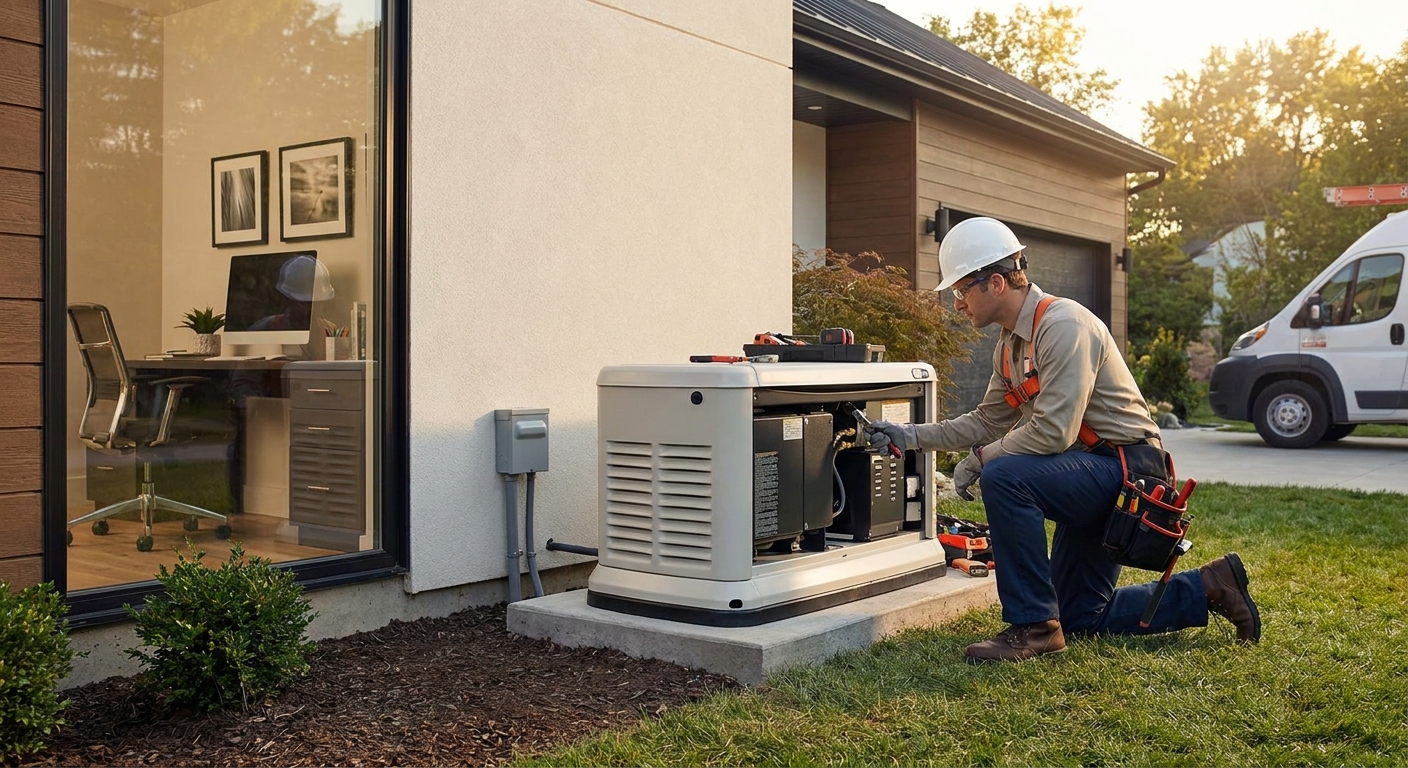
- Backup generator installation for home-based businesses requires a licensed electrical contractor and a local permit in Baldwin County - DIY hookups void warranties.
Why this matters
Hurricane season in coastal Alabama regularly knocks out grid power for days, not hours, across Daphne, Fairhope, Foley, and Gulf Shores. A homeowner can tolerate a dark house for a weekend. A home-based business running e-commerce fulfillment, a licensed daycare, a bookkeeping practice, or a small food operation can't tolerate a modem, freezer, or POS terminal going dark for even a few hours during peak season.
The difference between a residential generator quote and a correct backup generator installation for a home-based business is load calculation. Most contractors size for lights, a fridge, and an AC unit. They don't ask what's running in the spare bedroom or the detached garage that's now your shop floor.
Who this is for
This guide is for anyone operating a registered business from a residential address in Baldwin County - consultants running video calls out of a converted bedroom, Etsy sellers with a garage full of inventory, home daycares with refrigeration and medical-grade requirements, and small contractors who store tools and run a shop compressor on-site. If your household breaker panel already trips when the AC and a space heater run together, your business load is the reason a bigger generator makes sense before 2026 hurricane season starts, not after the first outage.
A licensed electrical contractor evaluates both household and business circuits together, which is the step most quick online quotes skip entirely.
What to look for in a generator for a home-based business
Continuous load capacity, not just starting wattage
Business equipment runs for hours, not minutes. A generator rated for a quick surge on a refrigerator compressor may not sustain a router, two monitors, a space heater, and a mini-fridge running simultaneously for 12 hours straight. Ask for the continuous running wattage, not just the peak starting number on the spec sheet.
Automatic transfer switch speed
When grid power drops, the transfer switch decides how fast your business comes back online. A switch that takes 10 seconds or less keeps modems, servers, and point-of-sale systems from fully rebooting, which matters if you're mid-transaction with a customer or mid-upload on a client deliverable.
Fuel type and run time
Natural gas runs indefinitely as long as the utility line stays intact, which is common even during storm outages. Propane requires a tank sized for multi-day runtime - undersized tanks strand businesses on day three of an outage, which is exactly when most Gulf Coast power restoration timelines stretch to.
Noise and placement compliance
Home-based businesses that see clients or deliveries on-site need a generator placed and enclosed so it doesn't violate local noise expectations or block required setbacks from windows and property lines. This is a permitting detail, not a cosmetic one.
Licensed installation and permitting
Baldwin County requires electrical permits and inspection for standby generator hookups. A business running on an unpermitted install risks insurance claim denial if equipment is damaged during an outage-related fire or surge event.
Maintenance and storm-season response time
A generator that hasn't been serviced sits idle exactly when you need it - during a named storm, when every contractor in coastal Alabama is booked solid. Ask what maintenance cadence and emergency response commitment come with installation before you sign.
Top picks by business type
The stopgap - portable/inverter generator (8-10 kW). Runs a fridge, a laptop, and a few lights for a few hours on a fuel tank you refill manually every 8-10 hours. Fine for a single evening outage. For a home-based business expecting a multi-day 2026 storm event, this tier can't sustain continuous business equipment loads without someone babysitting fuel refills around the clock. Skip for anyone running the business full-time from home.
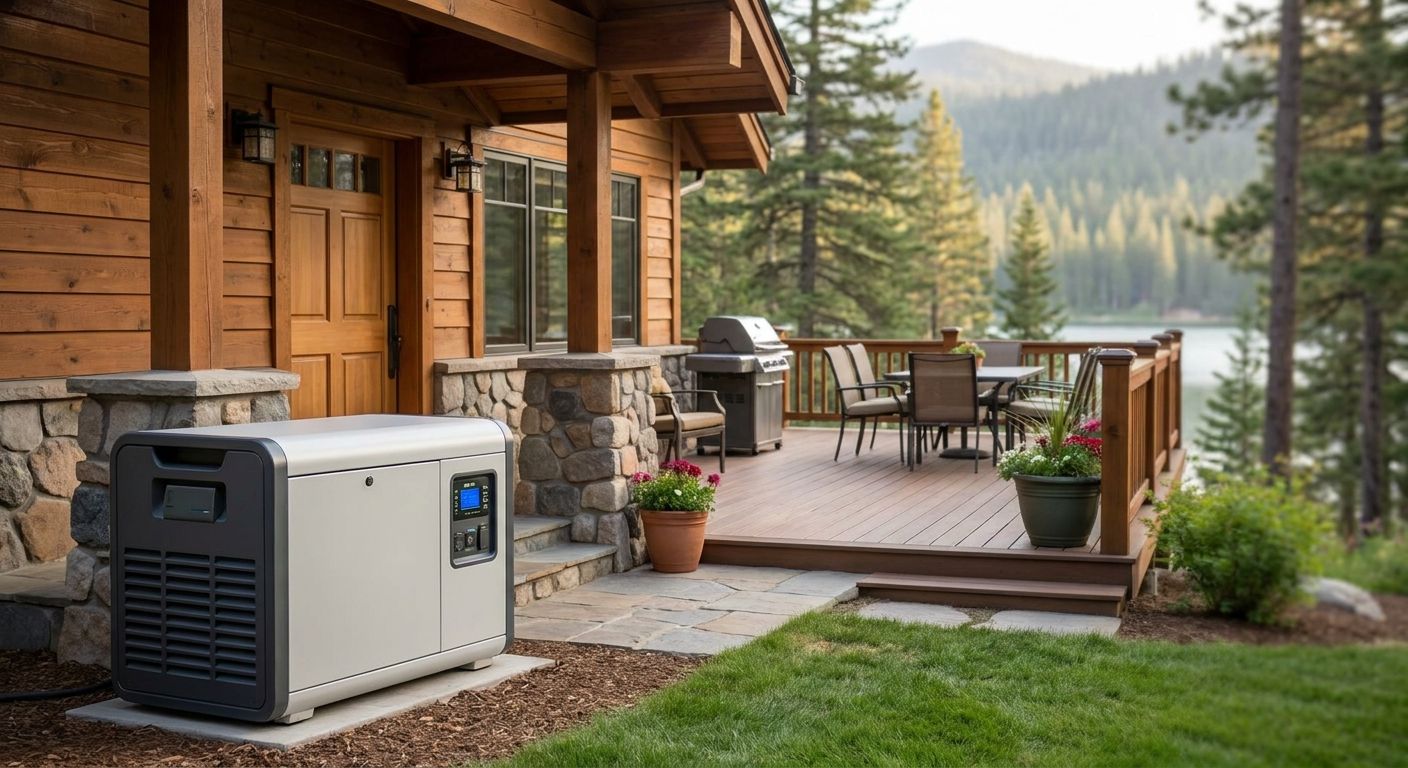
The safe pick - 14 kW air-cooled home standby. Covers a solo home office: modem, two monitors, a mini-fridge, and household circuits without overloading. Automatic start means no manual refueling and no missed client calls during a daytime outage. This tier fits consultants, bookkeepers, and freelancers with modest equipment loads. Buy if your business is one person and a laptop.
The serious pick - 22-26 kW whole-home standby. Handles household load plus a chest freezer, a shop compressor, or a small server rack without tripping breakers under combined load. This is the tier most home-based food businesses, daycares with medical refrigeration, and light manufacturing operations need. Buy if spoiled inventory or interrupted operations cost you real money per outage day.
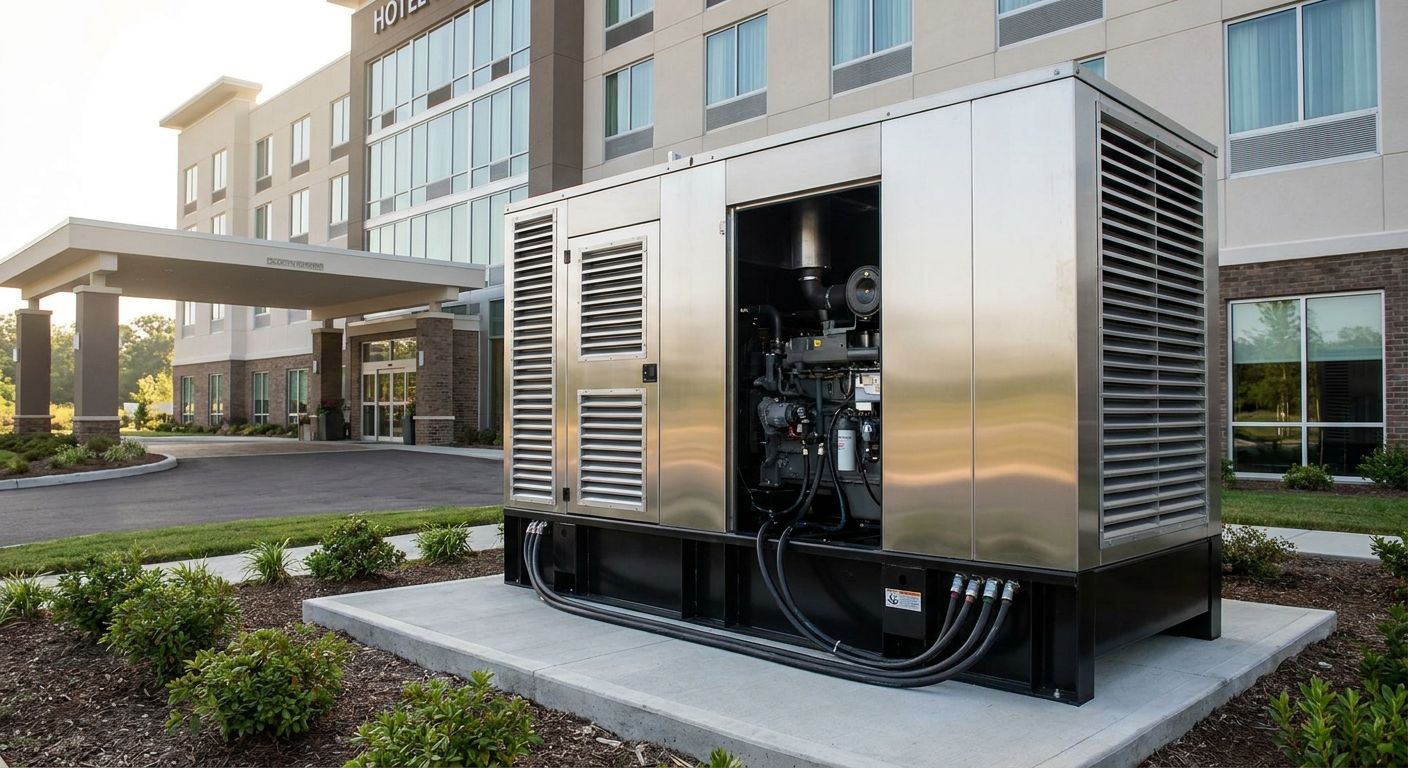
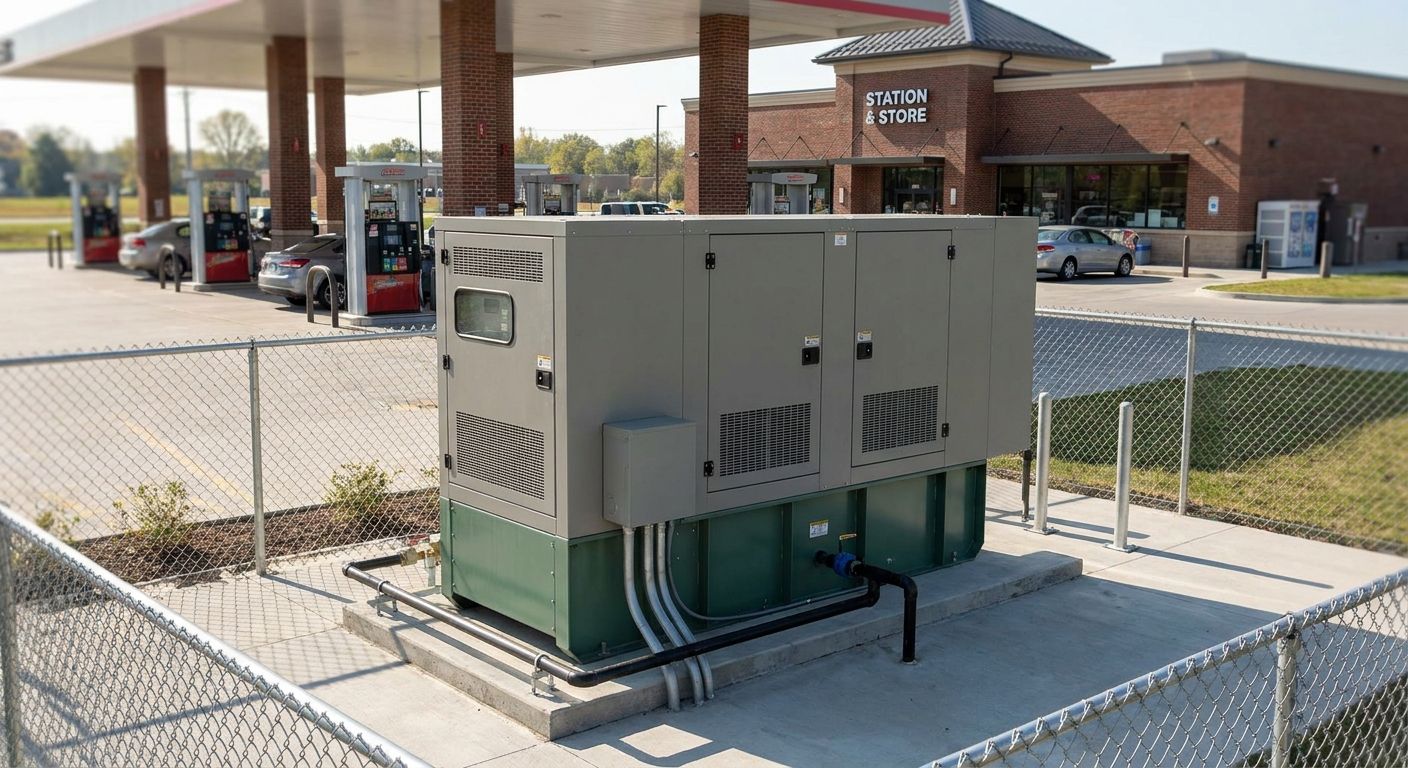
The wildcard - 48 kW-plus liquid-cooled commercial-grade unit. Built for multi-employee operations or businesses running heavier equipment like walk-in coolers or multiple compressors simultaneously. Overkill for a one-person operation, but the right call if you employ staff on-site or run refrigerated inventory that can't fail. Consider only if your business load genuinely exceeds household-scale.
The alternative brand pick - mid-range 20 kW unit from Honeywell or Briggs & Stratton. Comparable capacity to the 22 kW Kohler and Generac tier at a different price point and warranty structure. Worth comparing side by side with your electrician rather than defaulting to the best-known brand name. Consider if budget flexibility matters more than brand recognition.
What to avoid
- Extension-cord "generator hookups" that bypass a transfer switch entirely - these violate code, void insurance coverage, and risk backfeeding the grid and injuring utility workers.
- Undersized units marketed as "whole-home" that were sized for a household without accounting for a shop compressor, server rack, or commercial refrigeration running at the same time.
- DIY or unlicensed installation to save on labor cost. An unpermitted install in Baldwin County can void manufacturer warranty and complicate any insurance claim tied to storm damage.
Verdict comparison
| Tier | Power range | Fuel | Best for | Verdict |
|---|---|---|---|---|
| Portable/inverter | 8-10 kW | Gasoline | Occasional short outages | Skip |
| Air-cooled standby | 14 kW | Natural gas/propane | Solo home office | Buy |
| Whole-home standby | 22-26 kW | Natural gas/propane | Business plus household load | Buy |
| Liquid-cooled commercial | 48 kW+ | Natural gas/diesel | Multi-employee operations | Consider |
| Mid-range alternative brand | 20 kW | Natural gas/propane | Budget-conscious buyers | Consider |
FAQ
What size generator does a home-based business need?
Most solo home offices need at least 14 kW; businesses with refrigeration, servers, or shop equipment need 22-26 kW. The right size depends on combined household and business load, which a licensed electrical contractor calculates on-site, not from a generic online chart.
Is backup generator installation for home-based businesses tax deductible?
Business-use equipment may qualify for deductions depending on how the space and generator are used for the business versus the household. Confirm treatment with a tax professional since usage percentage and local rules vary.
How fast does an automatic transfer switch restore power?
A quality transfer switch restores power in 10 seconds or less after a grid outage is detected. That speed is what keeps a POS system or modem from fully rebooting mid-transaction.
Do I need a permit to install a standby generator in Baldwin County?
Yes, standby generator installation requires an electrical permit and inspection in Baldwin County. Skipping this step can void manufacturer warranty coverage and complicate insurance claims after storm damage.
Can a portable generator run a home business during an outage?
A portable generator can cover a few hours of light use but can't sustain continuous business equipment loads without manual refueling every 8 to 10 hours. For multi-day 2026 hurricane season outages, a standby unit is the practical choice.
What's the difference between natural gas and propane for a business generator?
Natural gas runs as long as the utility line stays intact, which is common even during storm outages, while propane depends on tank size and requires monitoring during extended multi-day events.
How often does a standby generator need maintenance?
Standby generators need routine service checks at least once a year, ideally before hurricane season starts each spring. A unit that hasn't been serviced can fail to start exactly when an outage hits.
Does a bigger generator always mean better protection for a business?
No - oversizing wastes fuel and installation cost, while undersizing risks tripped breakers under combined load. Correct sizing based on actual business equipment, not a generic household estimate, matters more than buying the largest unit available.
One last thing
The detail most home-based business owners miss isn't generator size - it's circuit prioritization. A properly wired transfer switch panel lets you decide which circuits get power first: your point-of-sale system and freezer before the guest bedroom outlet. Businesses that skip this step during backup generator installation end up with a generator big enough to run everything, but no way to prioritize what matters most if a smaller unit ever gets swapped in during a repair.
Coastal Alabama's 2026 storm season is the deadline that matters here, not a sales pitch. Get sizing and permitting sorted before the first named storm, not during it.