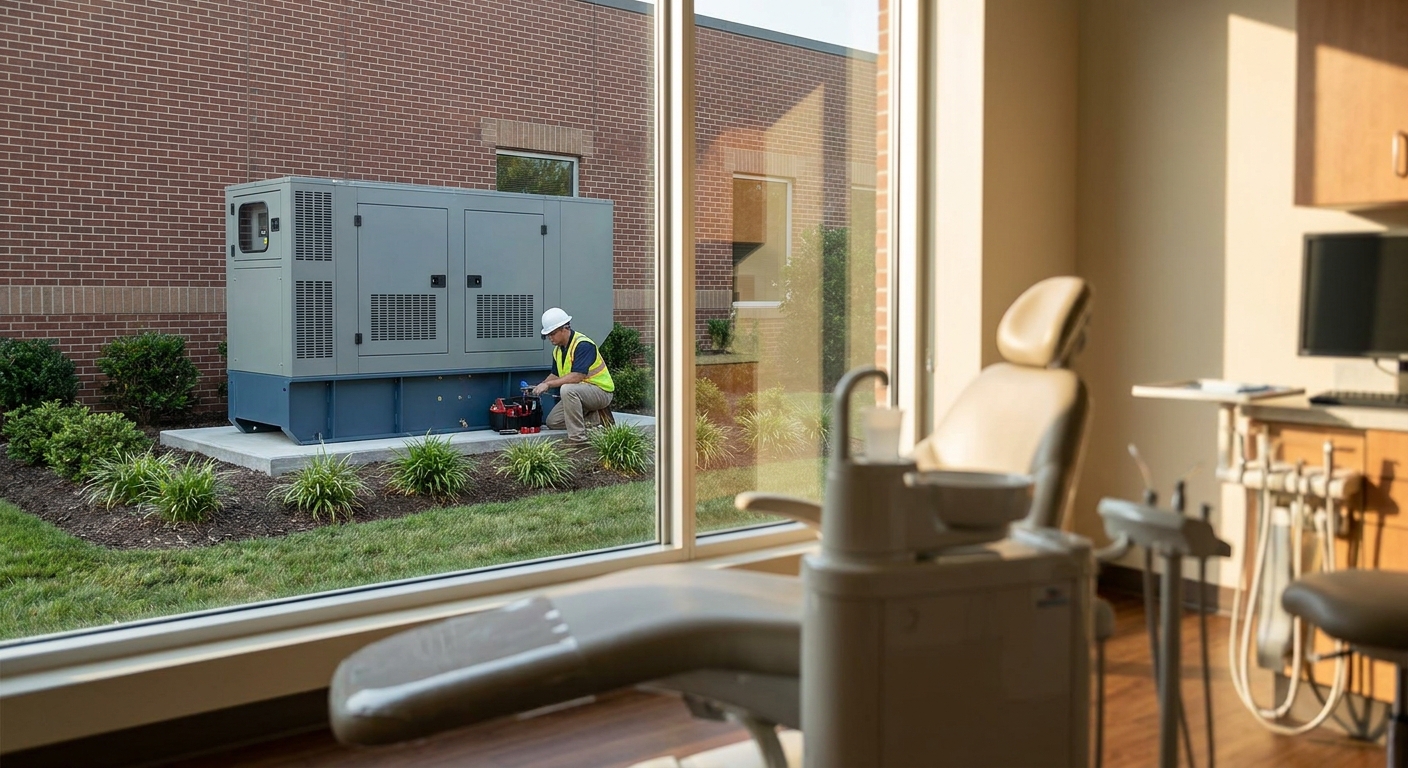
Losing power for two hours in a dental or medical office in Baldwin County isn't an inconvenience - it's ruined vaccine stock, a stalled autoclave cycle, and a patient in the chair with a suction line that just went dead. This guide breaks down what a backup generator for dental offices actually needs to handle, and which units from Baldwin County Generators are worth the investment in 2026.
- A backup generator for dental offices needs 20-60kW minimum to run autoclaves, X-ray, HVAC, and refrigeration together.
- Kohler and Generac liquid-cooled units rated for NFPA 110 are the safe buy for multi-chair practices in 2026.
- Air-cooled residential-grade units under 26kW are a Skip for anything beyond a single-chair office.
- Automatic transfer switches under 10-second response time are non-negotiable for medical refrigeration.
- Annual maintenance contracts matter more than sticker price during Gulf Coast hurricane season.
Why this matters
Coastal Alabama loses grid power more often than most of the country, and hurricane season runs June 1 through November 30 every year, 2026 included. A dental or medical practice that goes dark for even a day faces spoiled biologics, canceled procedures, and patients who don't come back. Standby power isn't a luxury line item for a healthcare business - it's the difference between staying open and losing a week of revenue every storm season.
Most practices in Daphne, Fairhope, Foley, and Gulf Shores are still running on portable units meant for a house, not a clinic. That gap is where the real risk sits.
Who this is for
This guide is built for dental practice owners, medical office managers, and clinic administrators across coastal Alabama who need continuous power for patient care equipment - not just lights and outlets. If your office runs an autoclave, digital X-ray, a compressor, vaccine or medication refrigeration, or anesthesia delivery systems, a standard home backup unit won't cut it. You need a system sized and certified for a commercial medical load, installed by a licensed electrical contractor who understands the code requirements specific to healthcare occupancies.
What to look for in a backup generator for dental offices
Sizing for actual equipment load
A single-chair dental office with basic sterilization equipment can often run on 20-26kW, but a multi-chair practice with digital imaging, HVAC, and refrigeration needs 48kW to 80kW. Undersizing is the single most common mistake - the generator starts, then trips offline the moment the compressor and the autoclave cycle at the same time.
NFPA 110 and code compliance
Healthcare facilities fall under stricter emergency power rules than residential homes, even when the practice isn't classified as a Level 1 or Level 2 system under NFPA 110. A generator installed without proper load calculations and transfer switch integration can fail an inspection or, worse, fail during an actual outage. Confirm your installer pulls permits and documents load calculations before the unit goes in the ground.
Fuel type and run time
Natural gas gives unlimited run time as long as the gas line stays intact, which matters during a multi-day outage after a hurricane. Propane is the fallback where natural gas isn't available, but tank size dictates how long you can run before a refill. Diesel is common in larger commercial installs but needs on-site fuel storage and more frequent testing.
Automatic transfer switch speed
The transfer switch decides how many seconds your office sits dark before the generator takes over. For medical refrigeration and any equipment mid-procedure, look for a transfer time under 10 seconds - most quality commercial systems land between 7 and 10 seconds automatically, with no manual intervention needed.
Noise and placement near patient areas
A generator running at 65-68 decibels next to a waiting room during a procedure is a problem nobody plans for until it happens. Placement matters as much as capacity - sound-attenuated enclosures and distance from exam rooms keep the unit from becoming its own disruption.
Maintenance contract and response time
A generator that hasn't been serviced in two years is a generator that won't start when you need it. Look for a service agreement with scheduled load-bank testing and a documented response time, especially heading into hurricane season each year.
Get your office storm-ready before hurricane season
Free quote on sizing, installation, and maintenance for medical and dental standby power.
Top picks for dental and medical offices
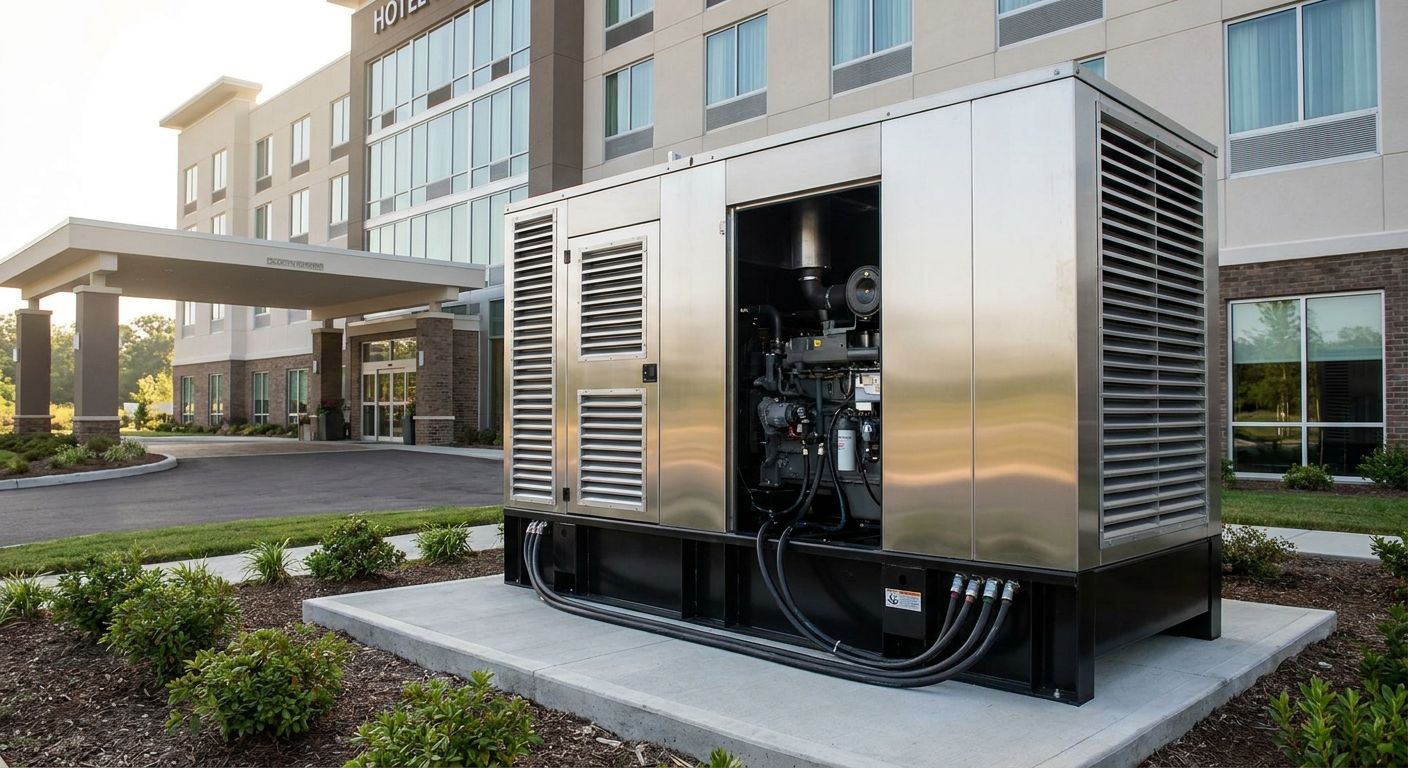
Kohler 48kW-80kW liquid-cooled commercial series - the safe pick. Liquid-cooled architecture handles continuous multi-day operation better than air-cooled units, and the 48kW model covers most multi-chair dental practices with imaging and HVAC combined. Transfer switch integration on Kohler's commercial line meets the documentation standard most healthcare inspectors expect. Buy for any practice with three or more chairs or an on-site X-ray suite.
Generac 48kW-150kW commercial series - the workhorse. Generac's commercial lineup scales up to 150kW for larger medical office buildings and multi-tenant clinics, with a service network that covers Baldwin County reliably. The 60kW unit is the sweet spot for a mid-size dental group running two operatories plus a sterilization room. Buy for growing practices that expect to add equipment load within the next two to three years.
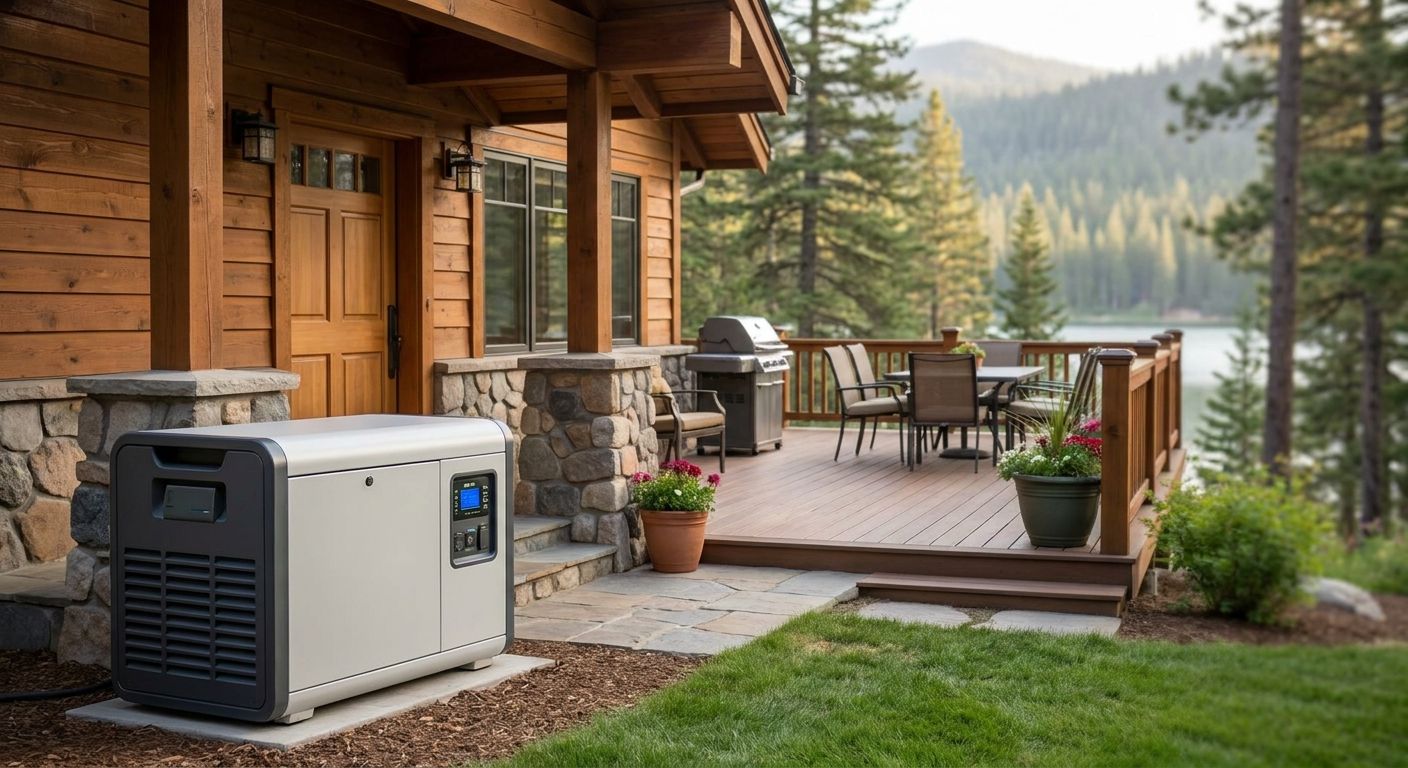
Honeywell 20-26kW air-cooled - the budget entry. This tier fits a single-chair dental office with basic sterilization and no on-site imaging equipment. It's a real step up from a residential unit but still air-cooled, which means shorter recommended continuous run times than liquid-cooled systems. Consider it only if your equipment load stays under 25kW after a proper load calculation.
Briggs & Stratton commercial 25-60kW - the wildcard. Less common in medical installs across the region but competitively priced for the kW range, with a shorter typical lead time than Kohler or Generac in 2026. Verify local parts and service availability before committing, since support density matters more than the sticker price during an outage. Consider for practices prioritizing faster installation timelines.
Towable diesel rental units - the stopgap. Fine for a construction site or an event, not for a clinic with refrigerated medications and patients on-site. No automatic transfer switch, no permanent code compliance, and manual fuel management during exactly the kind of storm event when nobody has time for it. Skip for anything beyond a genuine short-term bridge while a permanent system is installed.
What to avoid
- Residential-grade air-cooled units under 20kW marketed as "whole-home" - they look sized right on paper but choke the moment an autoclave and a compressor cycle together.
- Manual transfer switches - anything that requires a staff member to flip a switch during an emergency is a liability in a medical setting, not a cost saver.
- Skipping the load calculation - a generator sized off a rough guess instead of documented equipment wattage is the single most common reason units fail an inspection or trip offline mid-procedure.
Verdict comparison
| Brand / Series | kW Range | Fuel | Transfer Time | Verdict |
|---|---|---|---|---|
| Kohler commercial liquid-cooled | 48-80kW | Natural gas / propane | Under 10 sec | Buy |
| Generac commercial series | 48-150kW | Natural gas / propane | Under 10 sec | Buy |
| Honeywell air-cooled | 20-26kW | Natural gas / propane | Under 10 sec | Consider |
| Briggs & Stratton commercial | 25-60kW | Natural gas / propane | Under 10 sec | Consider |
| Towable diesel rental | Varies | Diesel | Manual | Skip |
FAQ
What size backup generator does a dental office need?
Most single-chair dental offices need 20-26kW, while multi-chair practices with imaging and HVAC need 48kW to 80kW. A licensed electrician should calculate your exact load before sizing, since guessing low is the most common installation mistake in 2026.
Is a backup generator required by code for medical offices?
Requirements vary by occupancy classification and local jurisdiction, and not every dental or outpatient office falls under NFPA 110's strictest tiers. A licensed electrical contractor can confirm what your specific facility needs before permitting.
How much does a commercial standby generator cost installed?
Installed costs for a commercial-grade unit sized for a medical or dental office typically run higher than residential systems due to load calculations, transfer switch integration, and permitting. Get a site-specific quote rather than relying on a national average.
Natural gas or propane for a medical office generator?
Natural gas gives unlimited run time as long as the gas line stays intact, which matters most during multi-day outages after a hurricane. Propane works where natural gas isn't available but is limited by tank size.
How fast does an automatic transfer switch respond?
Quality commercial transfer switches respond in under 10 seconds, often 7-10 seconds, with no manual action required. That speed matters most for refrigerated medications and equipment mid-procedure.
Can a portable generator run a dental office during an outage?
A portable unit can bridge a short outage but lacks automatic transfer, proper code compliance, and the run time needed for a multi-day storm event. It's a stopgap, not a permanent solution.
How often does a commercial generator need maintenance?
Most manufacturers recommend annual service with load-bank testing, and coastal Alabama practices should schedule that service before hurricane season starts each year. Skipping maintenance is the top reason units fail to start during an actual outage.
Which generator brand is best for a dental office in Baldwin County?
Kohler and Generac commercial liquid-cooled systems in the 48-80kW range cover most multi-chair dental and medical offices reliably in 2026. Smaller single-chair practices can often get by with a Honeywell 20-26kW air-cooled unit.
One last thing
The detail most practice owners miss: a generator sized correctly for today's equipment often can't handle what gets added in year two or three - a new digital imaging unit, an extra operatory, a bigger refrigeration unit. Building in 15-20% headroom above your current calculated load costs less upfront than a resize later, and it's the one line item that keeps a 2026 installation from becoming a 2028 replacement.