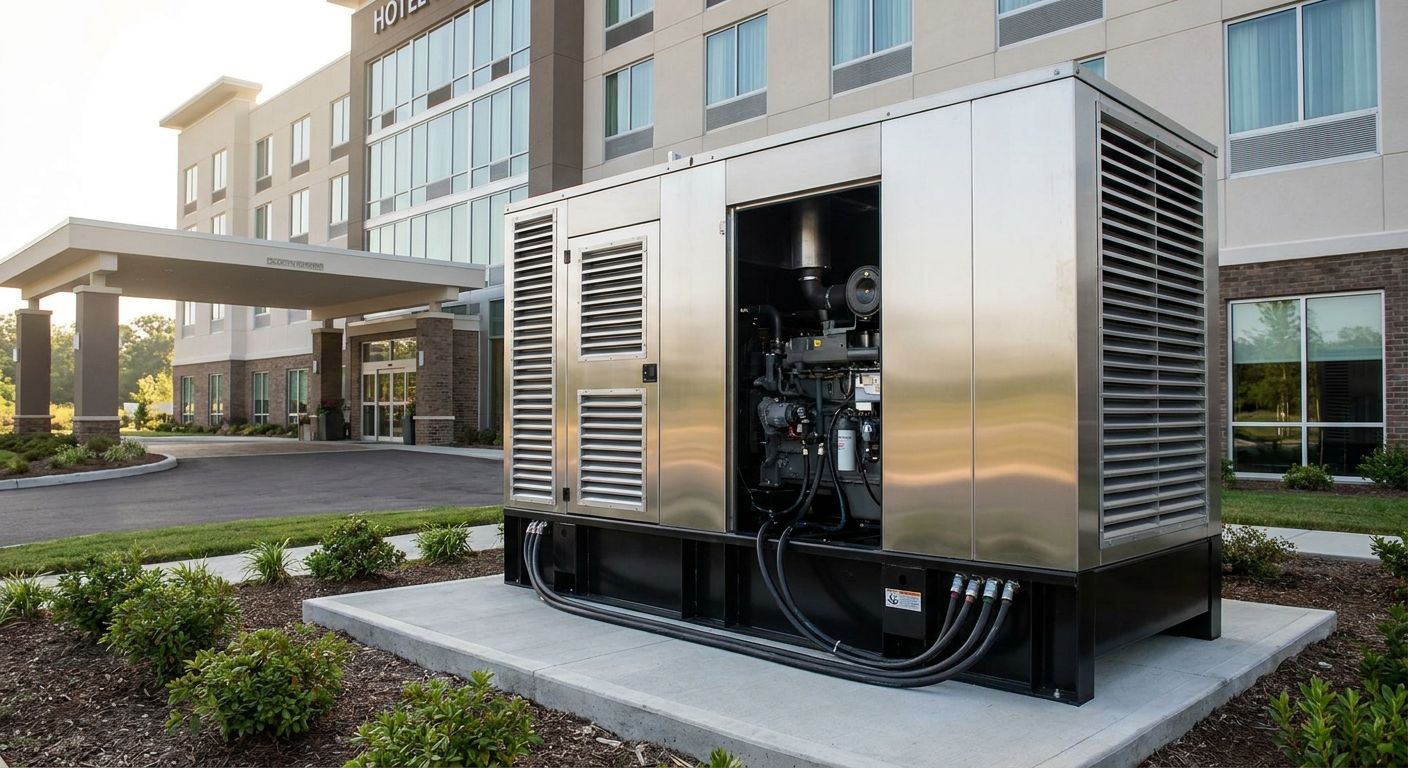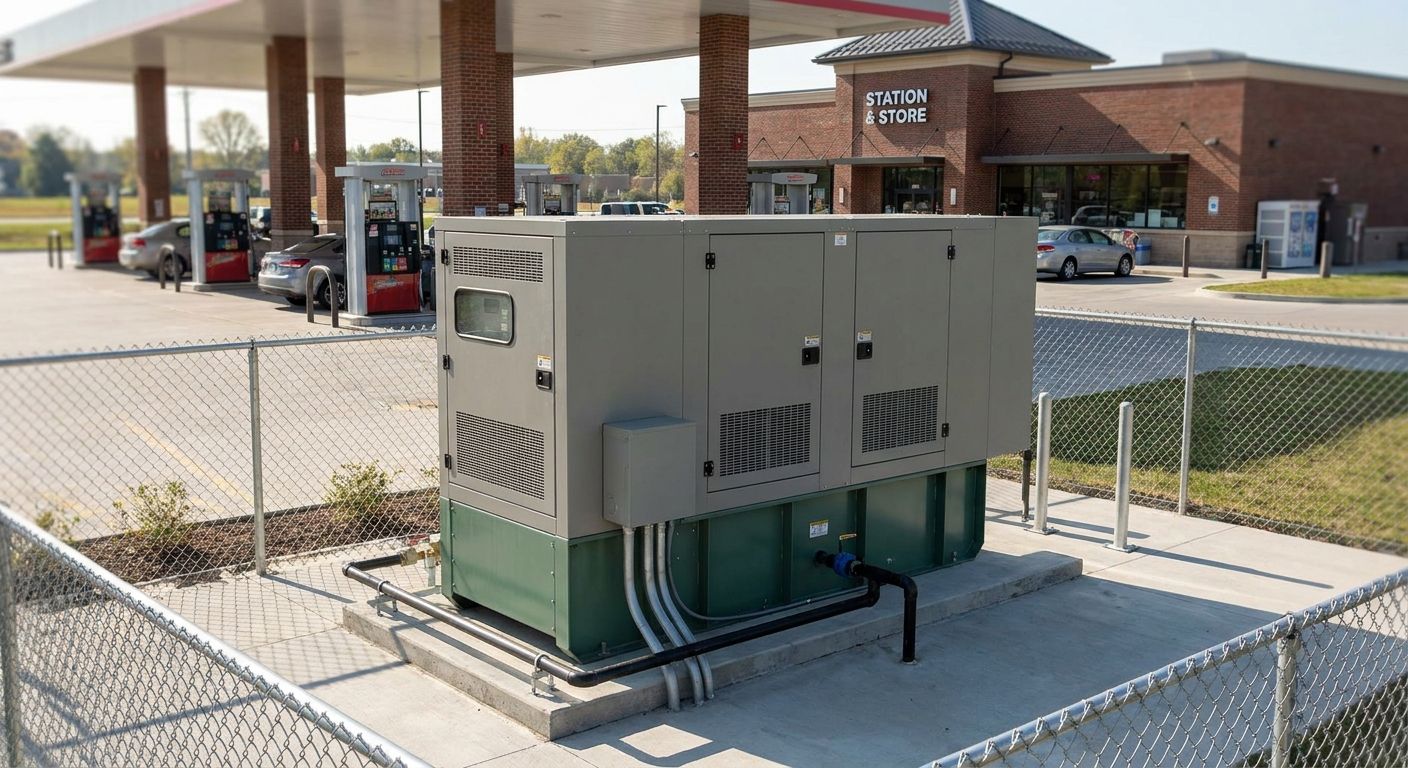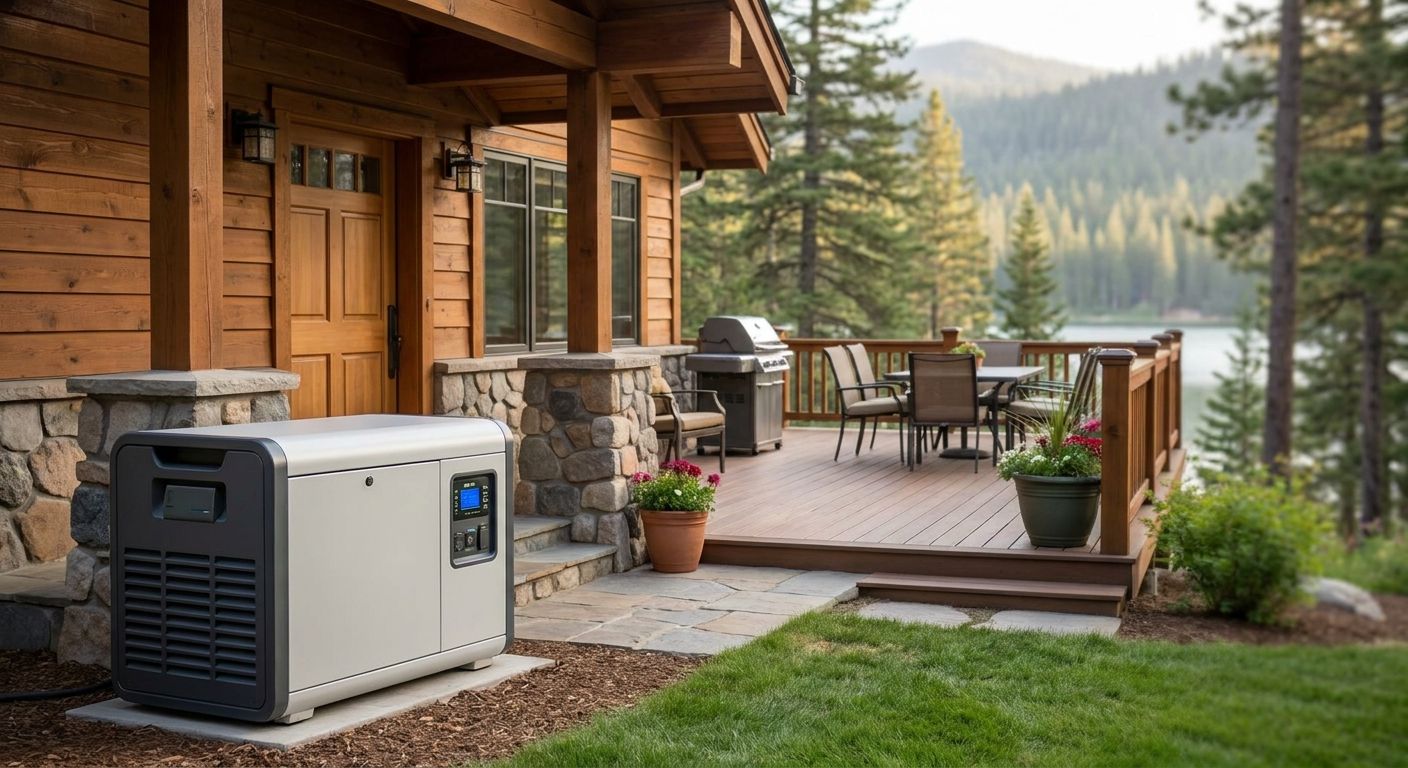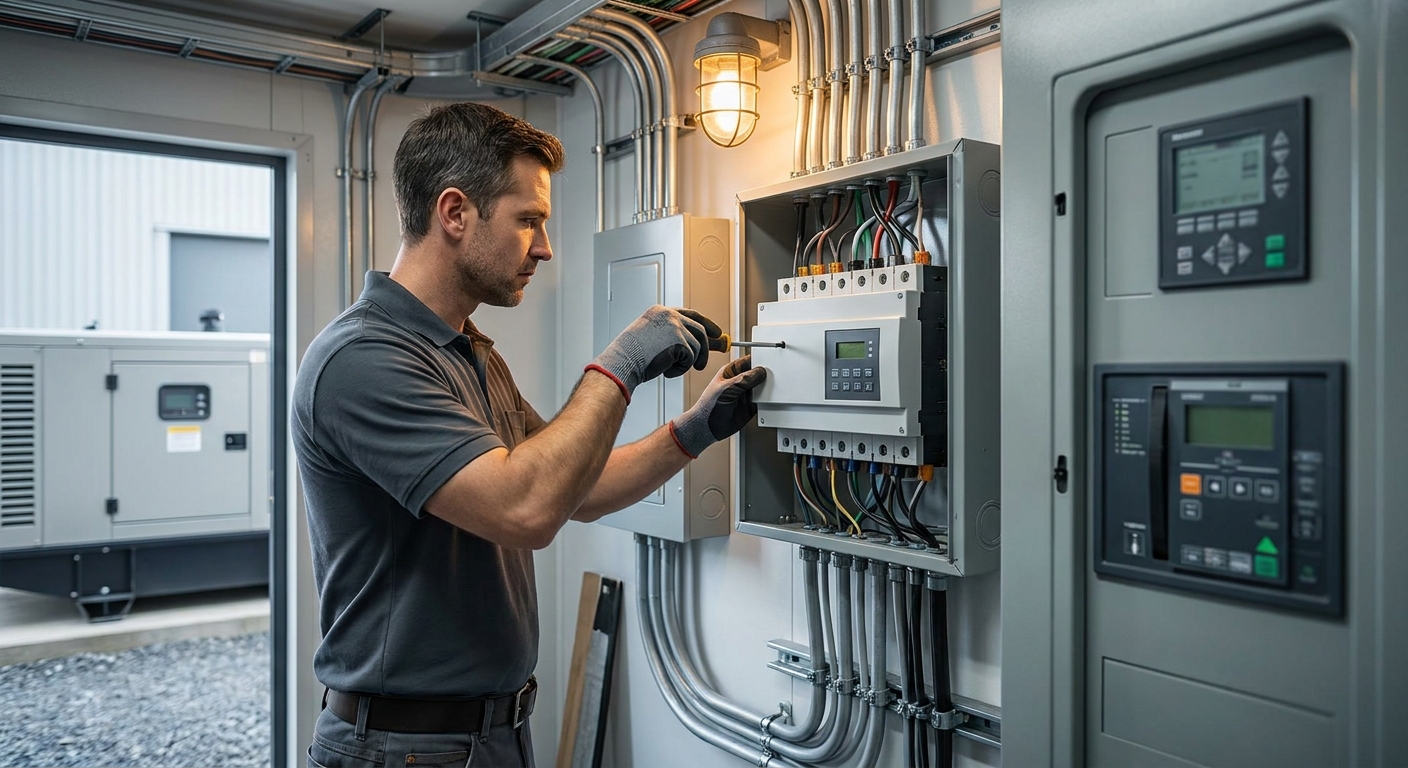
Automatic transfer switch installation determines whether your generator actually saves you during a hurricane-season blackout or just sits in the yard while the house stays dark. This guide breaks down amperage sizing, switch types, and what separates a code-compliant install from a callback waiting to happen.
- A 200A automatic transfer switch installation covers most Baldwin County homes running central air and a well pump - undersized units trip constantly.
- Smart-monitoring transfer switches self-test every 7 days and log outage history; skip switches with no documented exercise cycle.
- Kohler, Generac, Honeywell and Briggs & Stratton generators each require an ATS matched to that exact model - mismatched switches void manufacturer support.
- Hurricane season 2026 runs June through November; schedule automatic transfer switch installation before a storm watch, not during one.
- Alabama requires a licensed electrician to pull the permit for automatic transfer switch installation - unpermitted work gets flagged at resale inspection.
Why this matters
A generator without a properly sized transfer switch is a generator that doesn't do its job when the power actually goes out. The switch is what senses the utility outage, disconnects your home from the grid, and routes generator power to your panel automatically - no one standing in the rain flipping breakers.
Coastal Alabama homes lose grid power multiple times during a normal storm season, and each outage exposes a switch that's undersized, miswired, or installed without a permit. Baldwin County Generators handles automatic transfer switch installation and upgrades across Daphne, Fairhope, Foley, and Gulf Shores as a licensed electrical contractor, and the sizing decision made on day one is the one homeowners regret most when they skip it.
Who this is for
This guide is for homeowners who already own a standby generator (or are buying one) and need the switch that connects it to the panel, plus anyone whose existing manual transfer switch or aging ATS is due for an upgrade before the next named storm. If you're running a whole-home Kohler or Generac unit on a house with central air, an electric range, and a well pump, the amperage math below applies directly to you.
What to look for in an automatic transfer switch
Amperage rating matched to your panel
A 200A automatic transfer switch installation is the standard for most single-family homes in Baldwin County running central HVAC, a well pump, and standard kitchen loads. Undersized switches at 100A trip under combined load the first time the AC compressor and water heater kick on together, which defeats the entire point of backup power.
NEC and local code compliance
Alabama requires the ATS to meet National Electrical Code Article 702 standards for optional standby systems, and Baldwin County inspectors check bonding, grounding, and disconnect labeling before signing off. A switch installed without a permit in 2026 doesn't just risk a fine - it shows up as an open violation during a home sale inspection.
Generator brand compatibility
Kohler, Generac, Honeywell, and Briggs & Stratton each build transfer switches engineered for their own control boards. Mixing a generic switch with a Kohler standby unit can work mechanically but breaks the communication link the generator uses to report run status and fault codes, which means you lose remote monitoring entirely.
Self-test and exercise cycle
A transfer switch that runs a self-test every 7 days catches a dead battery or a fuel problem while the sky is still clear, not during the outage itself. Switches without a documented exercise cycle rely on the homeowner remembering to test manually, and most don't.
Switch placement and service disconnect
The ATS has to sit close enough to the main panel and meter to meet code clearance requirements, and it needs its own weatherproof enclosure if it's mounted outside - a real consideration on the Gulf Coast where salt air corrodes unprotected hardware faster than inland installs.
Load management capability
Homes running a smaller generator alongside a large HVAC and electric range load need a switch that can shed non-essential circuits automatically rather than tripping the whole system. This matters more for upgrade projects where the generator was sized before a home addition or a second AC unit went in.
Top picks by switch type
The standard workhorse - 200A whole-home ATS. Rated for full-panel transfer with no load shedding required, this is the right call for most three- and four-bedroom homes in Fairhope and Daphne running one central HVAC system. Amperage: 200A. Homes over 3,000 square feet with dual HVAC zones will outgrow it. Buy for standard single-HVAC homes.
The upgrade path - 400A dual-panel switch. Built for homes with a sub-panel or detached structure needing separate transfer logic, this switch handles two service points off one generator. Amperage: 400A combined rating. It costs more in labor hours to wire correctly than a single 200A unit. Consider if you've added a shop, guest suite, or second panel since your last install.
The smart pick - Wi-Fi enabled monitoring ATS. Runs the standard 7-day self-test cycle and pushes outage alerts and run-time data to a phone app. Switch time to generator power stays under 10 seconds, same as a standard mechanical unit. Buy if you travel during hurricane season and need to confirm the system ran while you were away.
The load-shedding switch - for undersized generators. Automatically drops non-essential circuits like the pool pump or a second refrigerator when total draw exceeds generator capacity. This lets a smaller Honeywell or Briggs & Stratton unit cover a home that would otherwise need a bigger, pricier generator. Consider as an alternative to a full generator upgrade.
The bare-minimum manual switch - not actually automatic. Some contractors quote a manual transfer switch and market it loosely as "automatic-ready." It requires someone physically present to throw the transfer at the panel during an outage, which fails the entire premise of standby power. Skip this option for any full-time residence.
What to avoid
- Undersized amperage to save on install cost. A 100A switch on a home with central air and an electric water heater will nuisance-trip within the first storm cycle - resizing after the fact costs more than getting it right once.
- Mismatched generator-and-switch brand pairing. Pairing a non-Kohler switch with a Kohler standby generator can strip out remote monitoring and fault reporting even when the mechanical transfer still works.
- Skipping the permit to save time. Unpermitted automatic transfer switch installation in Baldwin County creates an open compliance issue that surfaces at resale, and insurance carriers have started asking for documentation after major 2026 storm claims.
Verdict comparison
| Switch Type | Amperage | Best For | Verdict |
|---|---|---|---|
| Standard whole-home ATS | 200A | Single-HVAC homes | Buy |
| Dual-panel ATS | 400A | Homes with sub-panels or shops | Consider |
| Smart-monitoring ATS | 200A | Homeowners who travel | Buy |
| Load-shedding ATS | 100-200A | Smaller generators, high load homes | Consider |
| Manual transfer switch | Varies | Nobody needing true standby power | Skip |
FAQ
What is an automatic transfer switch and how is it different from a manual switch?
An automatic transfer switch senses a utility outage and switches your home to generator power within about 10 seconds with no one present. A manual switch requires someone to physically flip the transfer at the panel, which defeats the purpose of unattended standby power.
How much amperage do I need for automatic transfer switch installation?
Most single-family homes in Baldwin County need a 200A automatic transfer switch to cover central HVAC, a well pump, and kitchen loads together. Larger homes with dual HVAC zones or a sub-panel often need a 400A dual-panel switch instead.
Can I install an automatic transfer switch myself?
Alabama requires a licensed electrician to pull the permit and perform automatic transfer switch installation tied into the main panel. DIY work without a permit creates a code violation that surfaces during resale inspections.
Does an automatic transfer switch work with any generator brand?
Not reliably. Kohler, Generac, Honeywell, and Briggs & Stratton generators each pair best with a transfer switch built for their own control board, and mismatched pairing can break remote monitoring and fault reporting.
How long does automatic transfer switch installation take?
A standard 200A installation on an existing panel typically runs one working day for a licensed electrician, longer if a sub-panel or new service disconnect has to be added. Dual-panel 400A jobs take longer due to the extra wiring runs.
Do I need a permit for automatic transfer switch installation in Alabama?
Yes, Alabama requires a permit and inspection under NEC Article 702 for optional standby systems. Baldwin County inspectors check grounding, bonding, and enclosure labeling before signing off.
What's the difference between whole-home and load-shedding transfer switches?
A whole-home switch transfers every circuit in the panel at once, assuming the generator can carry the full load. A load-shedding switch automatically drops non-essential circuits so a smaller generator can still cover the home without tripping.
How often does an automatic transfer switch need maintenance?
Most switches run a self-test every 7 days automatically, but the physical connections and enclosure should get a visual inspection at least once a year, especially in coastal Alabama where salt air accelerates corrosion.
One last thing
Most transfer switch failures show up during the routine 7-day self-test, not during an actual outage - that's the entire point of the exercise cycle, and it's the detail homeowners skip checking until the switch fails silently mid-storm. If your current ATS has no self-test log and no app or panel readout showing the last successful cycle, that's the upgrade to prioritize before the next named storm reaches the Gulf, not after.