Financing a whole-home standby generator does not have to mean draining savings or maxing out a credit card - dealer financing, manufacturer promotions, and home-improvement loans all cover a Generac, Kohler, or Briggs & Stratton system if you know where to look and how to apply.
TL;DR
Most homeowners in coastal Alabama finance a whole house generator through dealer-arranged loans, manufacturer promotional financing, or a personal/home-equity loan, with installed systems typically running $10,000 to $20,000 depending on kW size. The fastest path in 2026 is a dealer-arranged loan through Baldwin County Generators, since the quote, permit costs, and installation labor get bundled into one approved amount instead of three separate bills. Verdict: finance through the installer first, compare a HELOC second, and only use a straight personal loan if your credit or timeline rules out the first two.
Why this matters
Hurricane season along the Gulf Coast doesn't wait for your bank to process a loan application. Homes in Daphne, Fairhope, Foley, and Gulf Shores that lose power for four, five, or ten days after a named storm don't get a second chance to install before the next system spins up in the Gulf. Financing removes the single biggest reason people delay: a $12,000-$18,000 upfront number that feels bigger than it needs to be once it's spread across 60 to 180 months. Get the financing question settled in the off-season and the installer can schedule your unit before demand spikes in June 2026.
What you'll need
- A written quote with kW size specified - 14kW, 20kW, 22kW, or 24kW units price very differently, and lenders want the exact number, not an estimate range
- Proof of income - pay stubs, tax returns, or bank statements, depending on the loan type
- Credit score in the 640+ range for the best promotional rates; scores below that still qualify for most personal loans, just at a higher APR
- Homeowner documentation if applying for a HELOC or PACE-style program - deed, mortgage statement, most recent property tax bill
- A permit and site-readiness estimate - electrical panel upgrades, gas line work, and concrete pads add cost and some lenders want that itemized separately from the unit price
- 20 to 45 minutes to complete most online applications, and same-day or next-day approval is standard for dealer and personal loan options
The steps
1. Get your system sized and quoted before you shop for financing
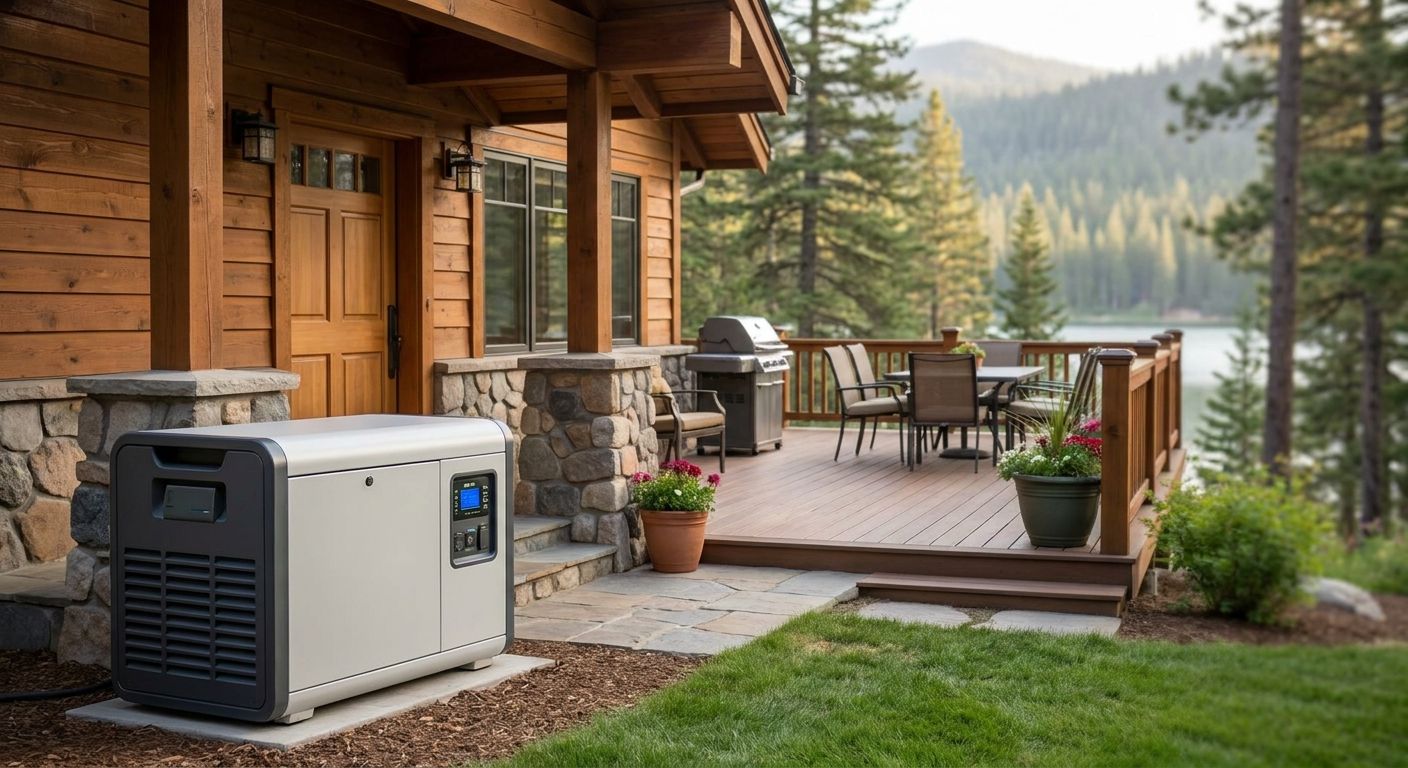
A financing amount is meaningless without a real number behind it. Whole house generators for typical coastal Alabama homes run 14kW to 24kW depending on square footage and whether you're backing up HVAC, well pumps, and kitchen appliances or just critical circuits. A licensed electrical contractor should size the unit to your panel and run a load calculation, not just eyeball your square footage. Common mistake: applying for a loan for a round number like $15,000 before you know if your home needs a 22kW unit or can run safely on a 14kW - you either underborrow and get stuck mid-project or overborrow and pay interest on money you didn't need.
2. Ask the installer directly about financing programs first
Most generator dealers, including authorized Kohler and Generac dealers, partner with lenders who specialize in home-improvement equipment and can pre-qualify you in minutes with a soft credit pull. This matters because dealer-arranged financing usually covers the full project - unit, permit, electrical work, gas line, pad - in one approved line, instead of forcing you to finance equipment and labor separately. Ask specifically what promotional terms are active in 2026, since manufacturer-backed 0% or reduced-APR windows shift throughout the year and are rarely advertised outside the dealer conversation.
3. Compare manufacturer promotional financing against your own bank
Kohler and Generac both run periodic financing promotions through authorized dealers, sometimes with deferred-interest windows of 12 to 18 months. Compare that against what your own bank or credit union offers on an unsecured personal loan - credit unions in particular often beat national promotional rates by 1 to 3 percentage points for members with strong credit. Common mistake: assuming the manufacturer's advertised rate automatically beats your bank without asking for an actual rate quote - advertised promotional APRs frequently apply only to specific credit tiers.
4. Weigh a HELOC or home equity loan for larger projects
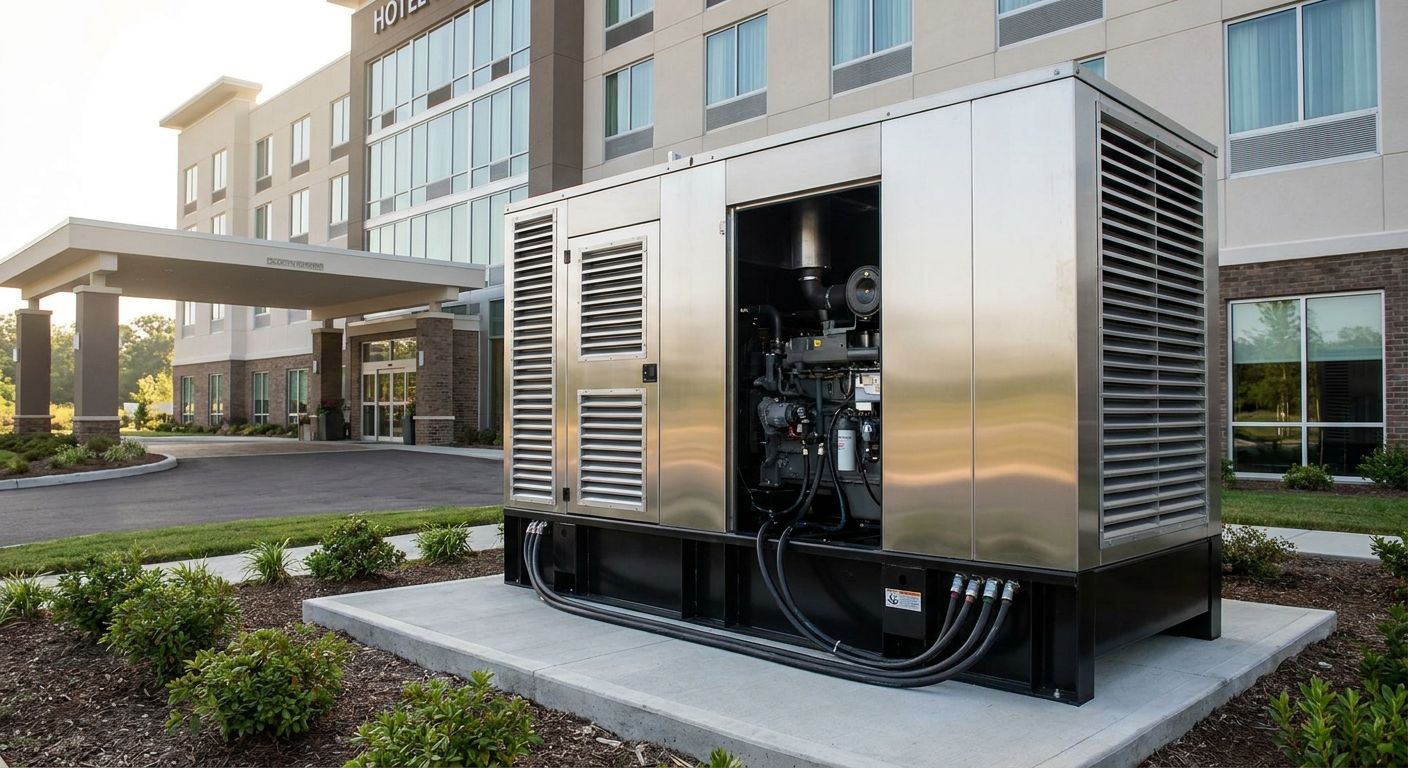
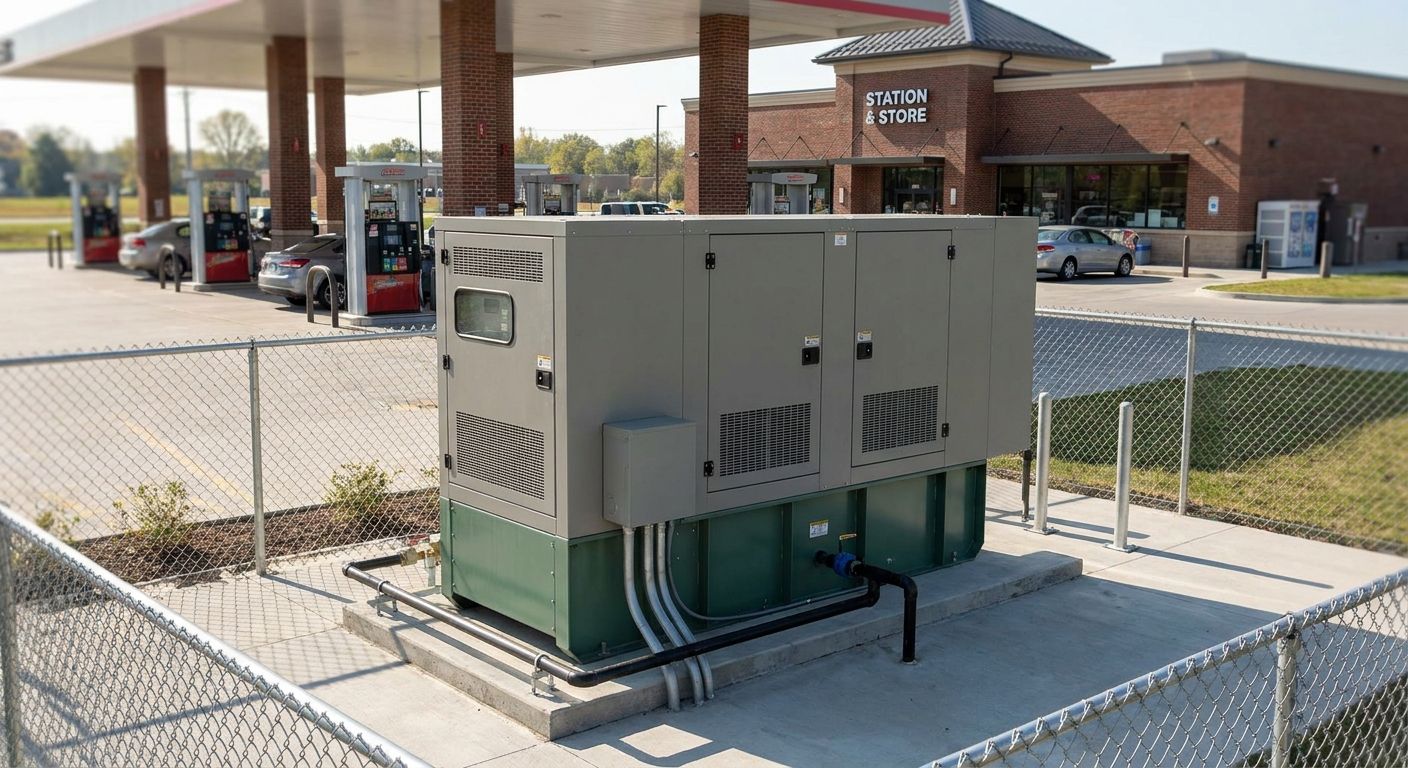
If you're financing a commercial-grade unit for a business, or a large residential system with electrical panel and gas line upgrades pushing total cost past $20,000, a home equity line of credit often carries a lower rate than an unsecured personal loan because it's secured by the property. The tradeoff is a slower approval process - expect two to four weeks versus same-day for dealer financing - and closing costs that a straight personal loan doesn't carry. This route makes more sense for planned installs than for a household racing to get storm-ready before a named system forms in the Gulf.
5. Check for 0% or low-APR introductory windows and read the deferred-interest fine print
Deferred-interest promotions look like 0% financing but often charge all accrued interest retroactively if the balance isn't paid in full by the end of the promotional period. Common mistake: treating a 12-month deferred-interest offer like a true 0% loan and paying it down slowly - miss the payoff date by even one billing cycle and you can owe a full year of back interest in a single statement.
6. Apply, get the approval in writing, and lock the rate
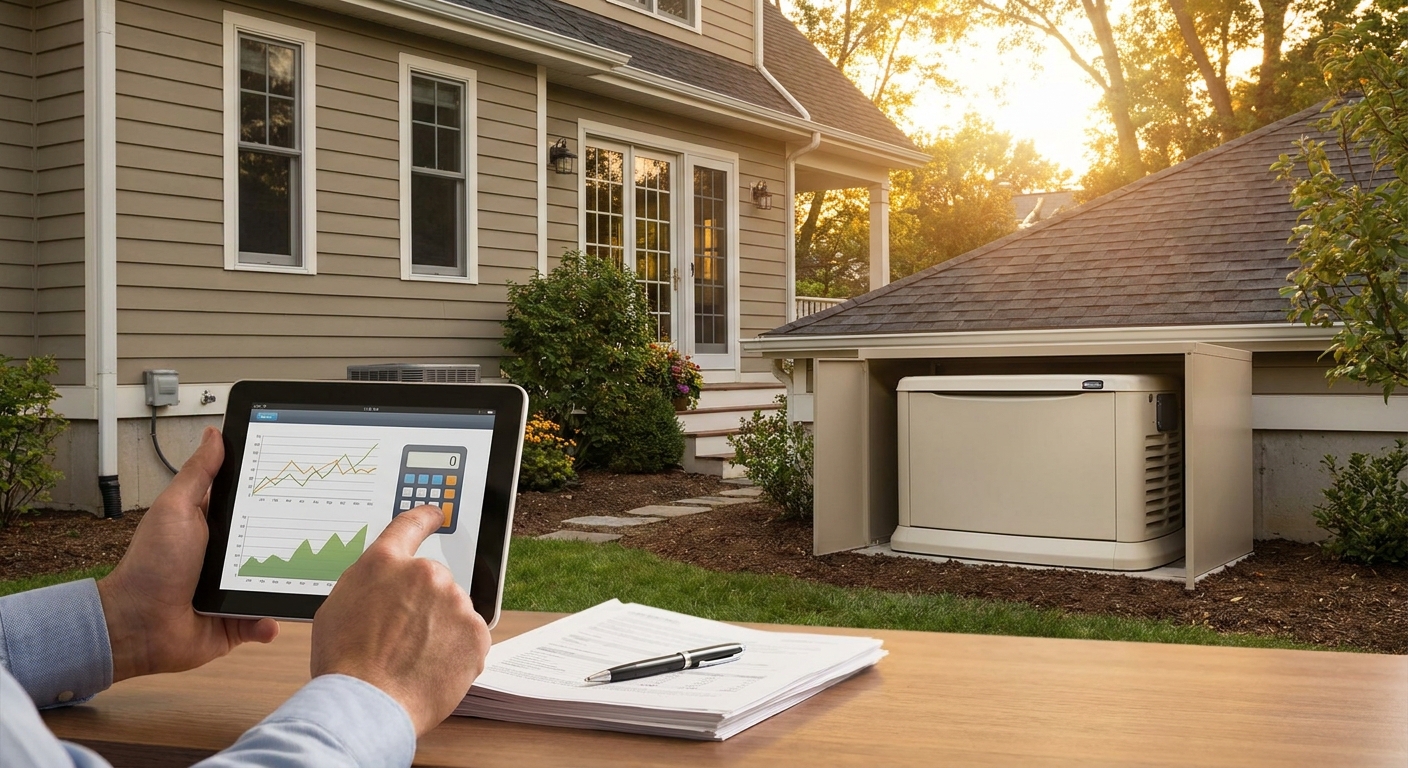
Once you've compared two or three options, submit the full application with your quote attached so the lender approves the actual project cost, not a placeholder estimate. Get the approved amount, APR, and term length in writing before signing anything with the installer. Rates on unsecured home-improvement loans have moved several times over the past two years, so a written lock protects you if market rates shift before your install date.
7. Schedule the install and set up autopay before hurricane season starts
June 1 marks the start of hurricane season, and installers across coastal Alabama book out fastest between April and June every year. Financing approved in January or February gives you a real shot at installation before storm season 2026 ramps up, instead of joining a waitlist in August. Set up autopay the day financing closes - a single missed payment on a deferred-interest promotion can trigger the full retroactive interest charge described in step 5.
Troubleshooting
- Credit score below 640 and rates look high - a co-signer or a secured option like a HELOC usually beats an unsecured loan's rate at that credit tier
- Quote came in higher than expected - ask what's driving the number: panel upgrade, gas line trenching, and concrete pad work are the three line items that most often push a quote above the base unit price
- Dealer doesn't offer in-house financing - ask which lenders they've worked with before; most installers can point you to a lender even without running the paperwork themselves
- HELOC application stalled on appraisal - this is normal for home equity products and can add one to two weeks; start the HELOC process earlier than you think you need to
- Application denied - ask for the specific reason in writing; often it's debt-to-income ratio rather than credit score, and a personal loan with a co-applicant can clear that hurdle
- Financing doesn't cover the permit or electrical panel upgrade - confirm before signing whether the approved amount is for equipment only or the full turnkey project; this is the single most common gap homeowners find after approval
Tools and resources
- A written, itemized quote from a licensed electrical contractor - this is the document every lender will ask for
- Your most recent pay stubs or two years of tax returns, depending on loan type
- A home equity statement if pursuing a HELOC
- Baldwin County Generators for a free quote and sizing consultation before you apply for anything
What to do next
Get your home sized and quoted before you shop a single lender - every financing conversation starts with a real number, not an estimate. Contact Baldwin County Generators for a free quote and ask directly about current 2026 financing options for your specific kW size and address.
FAQ
What's the best way to finance a whole house generator? Dealer-arranged financing through your installer is usually the fastest and most complete option because it covers the unit, permit, and installation labor in one approved amount, rather than financing equipment and labor separately.
Is 0% financing on generators real? Yes, but it's typically a deferred-interest promotion rather than true 0% - if the balance isn't paid off by the end of the promotional period (often 12 to 18 months), all accrued interest can be charged retroactively.
How much does a whole house generator cost installed? Installed cost typically runs $10,000 to $20,000 depending on kW size (14kW to 24kW is the common range for homes), electrical panel work, and gas line requirements.
Can I use a HELOC to pay for a generator? Yes, a home equity line of credit is a common financing route for larger installs, usually carrying a lower rate than an unsecured personal loan but taking two to four weeks to close versus same-day dealer approval.
Do I need good credit to finance a generator? A credit score of 640 or higher typically qualifies for the best promotional rates, but personal loans and secured options like a HELOC are available at lower credit tiers, often at a higher APR.
How long does generator financing approval take? Dealer-arranged and personal loan applications are often approved same-day or next-day; a HELOC or home equity loan usually takes two to four weeks due to the appraisal step.
Should I finance before or during hurricane season? Before - financing approved in the January to March window gives you time to get installed ahead of the June 1 hurricane season start, instead of competing for installer availability in peak months.
Does financing cover the electrical panel upgrade too? Only if the approved amount is based on the full itemized quote - confirm with the lender whether panel upgrades, gas line work, and the concrete pad are included before signing.
One last thing
The detail most homeowners miss isn't the interest rate - it's the payoff date on deferred-interest promotions. A 12-month 0%-style offer that isn't paid off by day 365 can trigger a full year of retroactive interest in a single statement, turning what looked like a free loan into the most expensive financing option on the table. Set a calendar reminder the day financing closes, not the week the bill is due.