Hurricane season along the Alabama Gulf Coast runs June 1 through November 30, and a home generator installation booked in March beats one booked in August, when installers are stacked six to eight weeks out. This guide breaks down what to look for in standby generator sizing, brand, and install timing so a Daphne, Fairhope, Foley, or Gulf Shores homeowner doesn't end up on a waitlist during the next storm watch.
TL;DR: A 22kW whole-home unit installed by a licensed electrical contractor before June 1 is the safe pick for most coastal Alabama households; a 7-10kW air-cooled unit is fine for a single-story home with a smaller panel but skip it if you run a well pump and central AC together. Baldwin County Generators installs and services Kohler, Generac, Honeywell, and Briggs & Stratton systems across the region, and the verdict on home generator installation for hurricane season 2026 is simple: size for your actual load, install before the first named storm, and don't wait until a hurricane watch to call.
Why this matters
Power outages in coastal Alabama don't wait for convenience. A Category 2 storm can knock out grid power for four to ten days depending on how much line damage the utility crews have to clear, and portable generators run out of fuel long before that window closes. A permanent standby unit tied to a transfer switch starts automatically within seconds of an outage, which matters most for households running medical equipment, well pumps, or refrigerated medication. The 2026 hurricane season is shaping up like every recent one on this coast: unpredictable timing, short warning windows, and a scramble for installers once a storm enters the Gulf.
Who this is for
This guide is for homeowners in Baldwin County and the surrounding coastal Alabama communities who want power to stay on through a multi-day outage without running extension cords to a portable unit in the yard. It's built for people who've already lost food, sump pump function, or HVAC during a past outage and don't want a repeat in 2026.
What to look for in home generator installation for hurricane season
Correct sizing for your actual panel load
An undersized generator trips breakers the first time your AC and refrigerator kick on together, which defeats the purpose of the install. A licensed electrician should run a load calculation on your panel, not guess based on square footage alone. Most 2,000-2,800 square foot coastal homes land between 16kW and 24kW once you account for a well pump and two AC condensers.
Fuel source reliability during a storm
Propane and natural gas units keep running as long as the line or tank has supply, but a 250-gallon propane tank that hasn't been topped off since spring won't carry a household through a ten-day outage. Confirm your fuel supplier delivers during active storm watches, because some routes shut down once winds hit tropical storm force.
Transfer switch type and placement
An automatic transfer switch starts the generator within 10-20 seconds of a grid failure with no manual intervention, which matters if you're evacuated or asleep when power drops. A manual switch is cheaper but means someone has to be home and awake to flip it during a 2 a.m. outage.
Authorized dealer status and warranty coverage
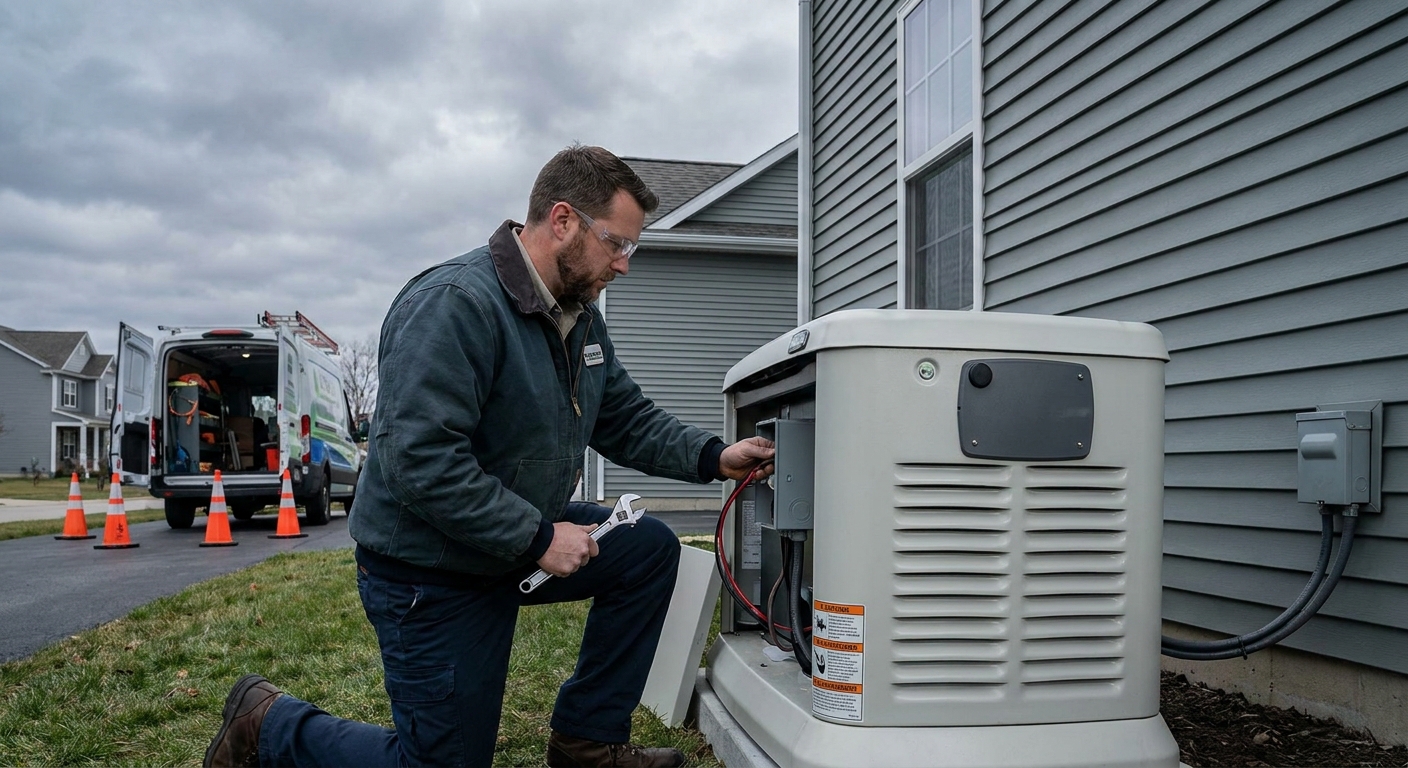
Generac, Kohler, and Honeywell all void or limit warranty coverage when installation isn't done by an authorized dealer using their approved transfer switch and monitoring hardware. A mismatched third-party switch can knock years off manufacturer coverage without the homeowner knowing until a claim gets denied.
Install timeline before storm season peaks
August and September are the historical peak weeks for Gulf Coast landfalls, and installer schedules fill fast once the first named storm forms. Getting the unit ordered and installed before June 1, 2026 avoids the line-up that starts the moment a tropical depression appears on the map.
Local permitting and inspection requirements
Baldwin County and its municipalities require electrical permits and inspections for permanent standby installs, and skipping that step can complicate insurance claims later. A licensed, insured contractor pulls the permit and schedules inspection as part of the install, not as an afterthought.
Top picks by home type
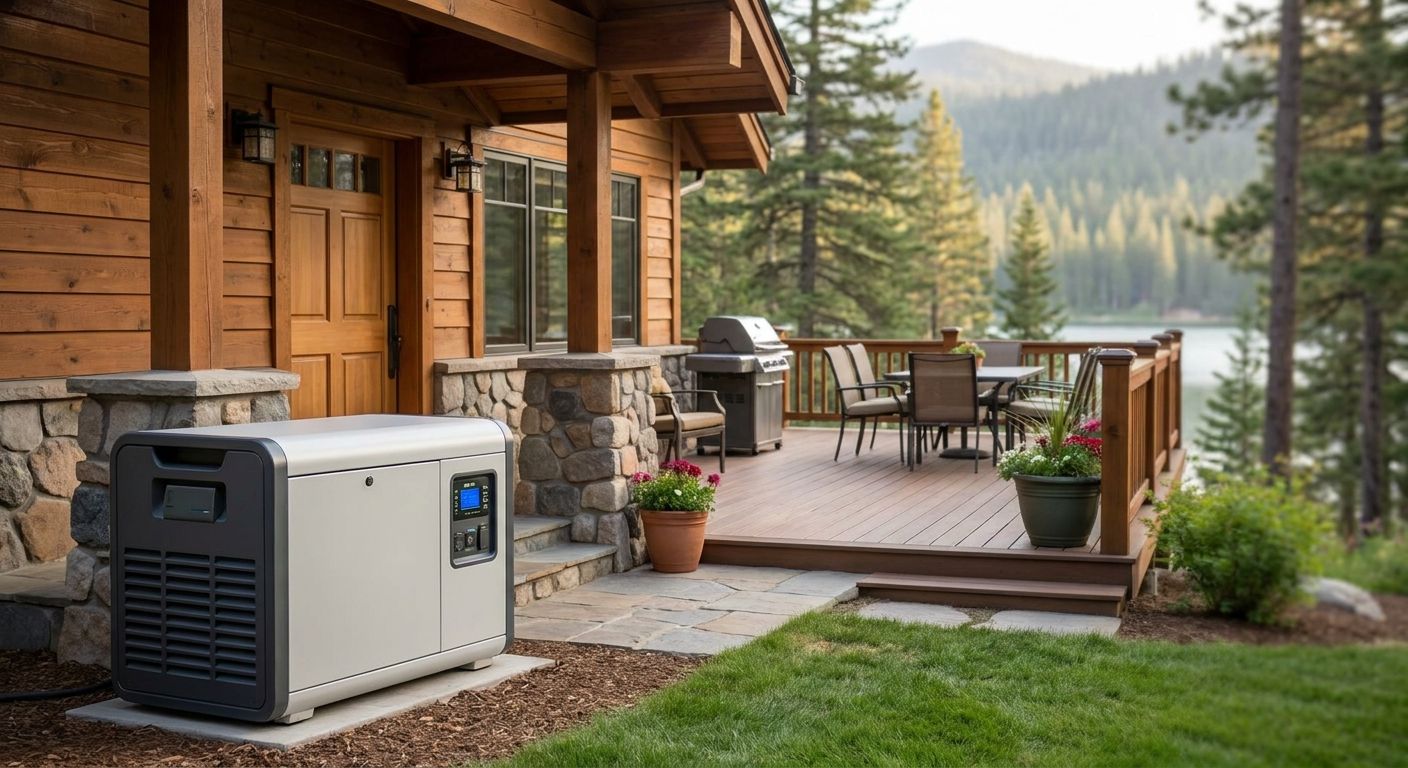
The starter pick: 7-10kW air-cooled unit. Covers lights, refrigerator, and a window or mini-split AC unit on a smaller single-story home. Runs on natural gas or a 100-gallon propane tank and installs in a single day on most panels. Buy for a home under 1,600 square feet without a well pump.
The safe pick: 20-22kW whole-home standby unit. Covers central HVAC, well pump, refrigerator, and most kitchen circuits simultaneously on a 2,000-2,800 square foot home. This is the size Baldwin County Generators installs most often for coastal Alabama homeowners, and it's the size that keeps a household fully functional through a week-long outage. Buy for most single-family homes in Daphne, Fairhope, or Foley.
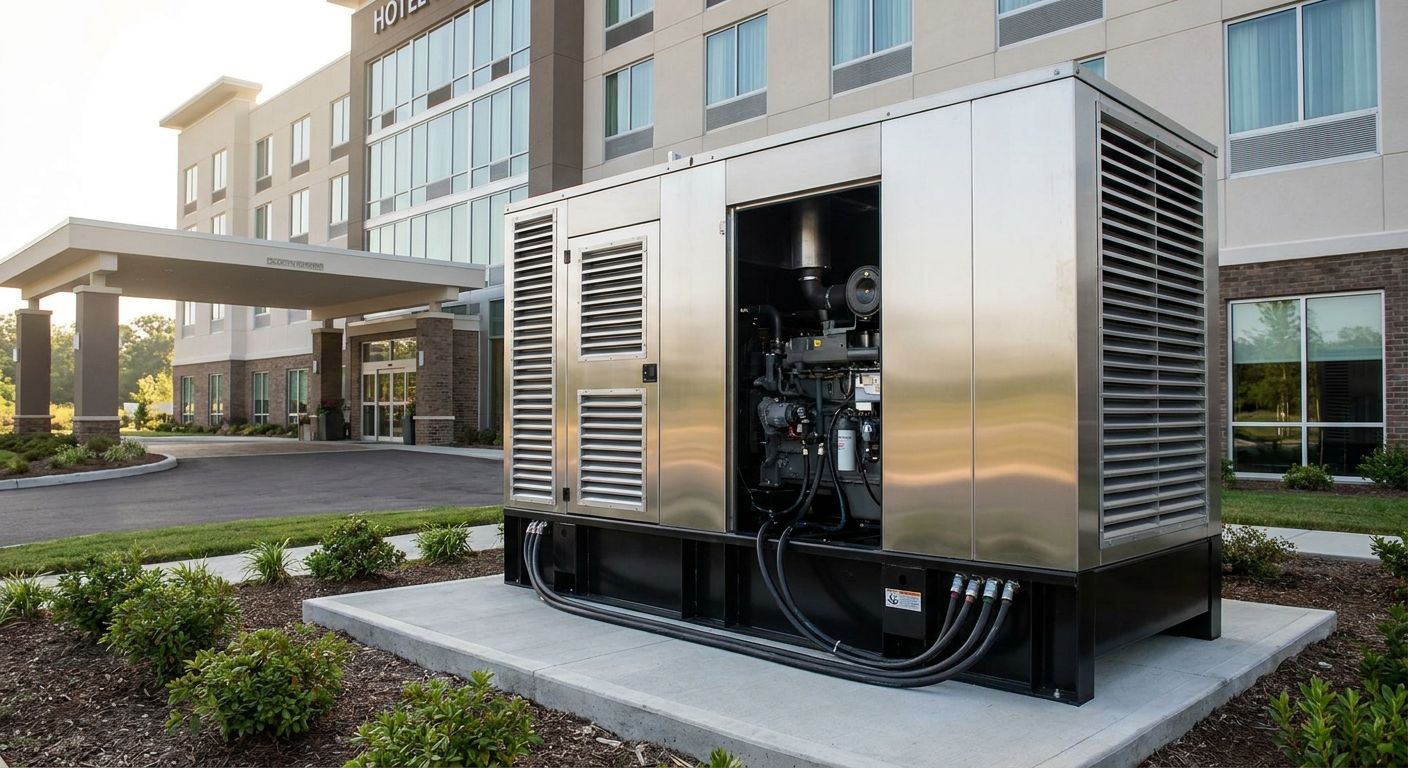
The wildcard: 30-48kW commercial-grade unit. Built for larger homes with dual AC systems, a pool pump, and a home office running server or medical equipment around the clock. Costs more upfront but eliminates the load-management juggling smaller units require. Consider if your panel already trips under normal daily use.
The one to skip: undersized 5kW portable-to-standby conversion. Some installers will mount a portable unit to a manual switch to save money, but 5kW barely covers lights and a refrigerator, let alone AC in an Alabama summer outage. Skip unless the home has no central air and minimal appliance load.
What to avoid
- A quote with no load calculation. If the number they give you didn't come from measuring your panel and appliances, it's a guess, not a sizing.
- A propane tank sized for convenience, not for storm duration. A 100-gallon tank runs a 22kW unit for roughly two to three days under full load; a 250-500 gallon tank gets you through a longer outage.
- Non-authorized installers on Kohler or Generac units. Even a technically sound install can still void manufacturer warranty coverage if the dealer isn't authorized for that brand.
Verdict comparison
| Size | Best for | Fuel window (approx.) | Verdict |
|---|---|---|---|
| 7-10kW | Small single-story, no well pump | 2-4 days on 100-gal propane | Buy for smaller homes |
| 20-22kW | Standard coastal single-family home | 5-7 days on 250-gal propane | Buy - safe pick |
| 30-48kW | Large home, dual AC, home office load | 7-10+ days on 500-gal propane | Consider |
| 5kW portable-to-standby | Minimal load, no central air | 1-2 days on portable tank | Skip |
FAQ
What size generator do I need for a home in coastal Alabama? Most 2,000-2,800 square foot homes with a well pump and central AC need 20-22kW; smaller homes without a well pump can run on 7-10kW. A load calculation on your actual panel gives the exact number.
Is a whole-home standby generator better than a portable unit for hurricane season? Yes, for any household running central AC, a well pump, or medical equipment, because a standby unit starts automatically and runs on a fixed fuel line instead of gas cans that run out mid-outage.
How long does home generator installation take before hurricane season? A straightforward install with an existing gas or propane line takes one to two days; installs requiring new gas line runs or panel upgrades can take a week or more, which is why booking before June 2026 matters.
Does a standby generator run on natural gas or propane? Both are common along the Alabama coast - natural gas if the home already has a gas line, propane if it doesn't. Propane requires a tank sized for your unit's runtime needs during a multi-day outage.
Will my generator warranty be void if I don't use an authorized installer? On Kohler, Generac, and Honeywell units, yes - installation by a non-authorized dealer can limit or void coverage even if the unit itself functions correctly.
How much fuel does a 22kW generator use per day? A 22kW unit typically burns 40-50 gallons of propane per day under moderate load, meaning a 250-gallon tank covers roughly five to six days of continuous running.
Do I need a permit for a home generator installation in Baldwin County? Yes, permanent standby installations require an electrical permit and inspection through the local municipality, which a licensed contractor handles as part of the install process.
When is the best time to install a generator before hurricane season? Before June 1, when installer schedules are open and before the first named storm creates a backlog that can push installs into July or August 2026.
One last thing
The detail most homeowners miss isn't size or brand - it's the annual maintenance check. A standby generator that sat unused since the 2025 season can fail to start on the exact day it's needed if the battery, oil, or fuel line wasn't checked beforehand. A pre-season maintenance visit in April or May catches that failure before a storm does, not after.