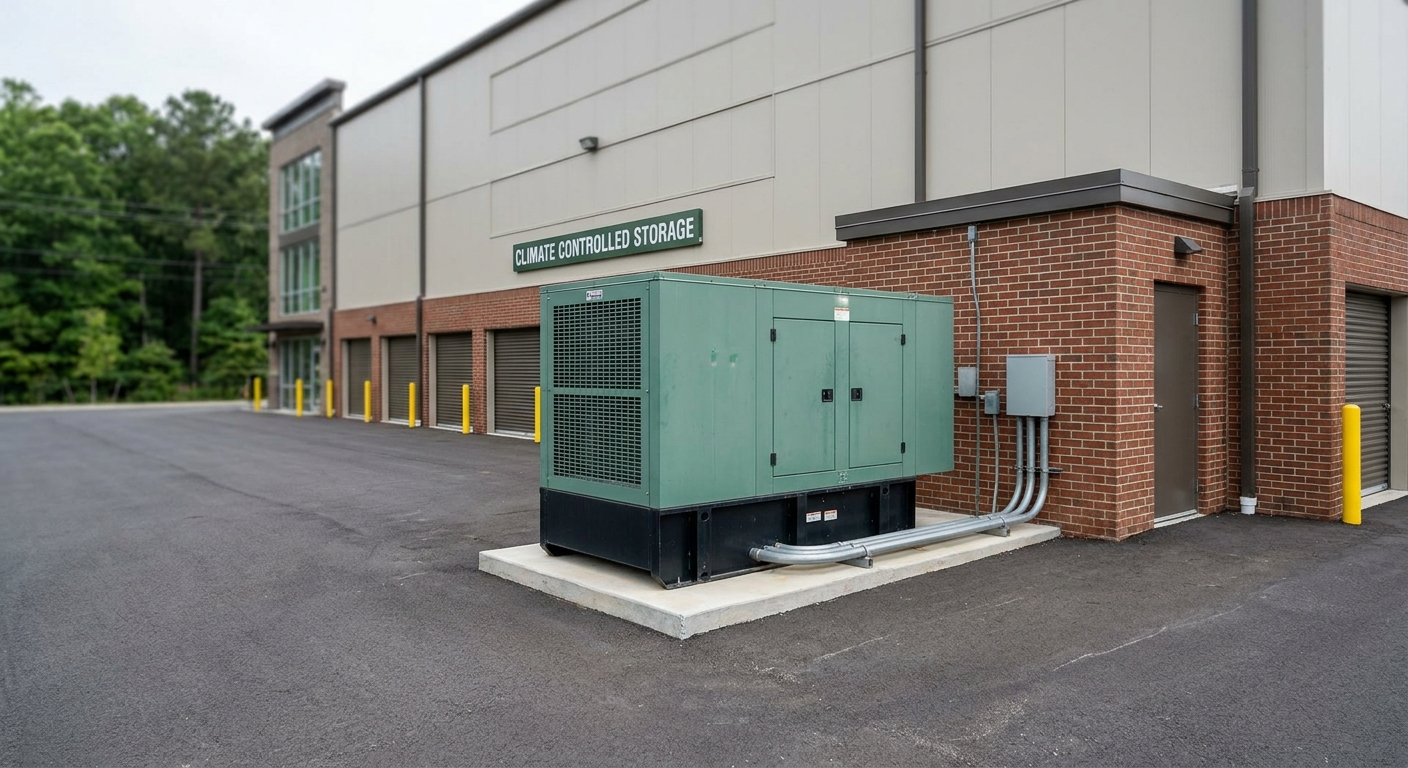
Climate-controlled self-storage facilities lose paying tenants the moment HVAC systems go dark, and the best generators for self storage facilities in 2026 are sized to keep humidity control and security systems running through Gulf Coast storm season without interruption.
- Generac Protector diesel units (60-150kW) are the top pick for multi-building climate-controlled facilities - Buy.
- Kohler KD commercial diesel generators match Generac on reliability but cost more upfront - Hold for larger budgets.
- Briggs & Stratton commercial standby units deliver similar kW output at a lower price point - Buy for value-focused operators.
- Single-building or kiosk-style facilities under 15,000 square feet do fine on a 20-22kW Honeywell unit - Consider.
Why this matters
A climate-controlled self-storage building isn't just cooling boxes - it's HVAC compressors, dehumidifiers, gate access control, and security cameras all pulling load at the same time. Lose power for six hours during a July heatwave in Foley or Gulf Shores and humidity spikes inside units fast enough to damage stored furniture, electronics, and documents. Tenants notice. Refund requests and one-star reviews follow.
Hurricane season along the Alabama coast runs June through November, and grid outages during named storms routinely stretch past 48 hours. A generator sized for your square footage and load isn't a convenience item for a storage operator - it's the difference between a facility that stays rented and one that starts losing tenants to the climate-controlled storage building down the road.
How this list was ranked
Each generator below is ranked on four factors that matter specifically for self-storage: continuous kW output against typical HVAC and security loads, fuel type and runtime, transfer switch compatibility with commercial panels, and total installed cost including a concrete pad and automatic transfer switch. Diesel and natural gas commercial units are weighted higher than residential-grade standby units because storage facilities run unattended most of the day and can't tolerate a manual restart. Pricing reflects 2026 installed ranges for coastal Alabama, where wind-load code requirements add to labor cost versus inland installs.
The ranked list
1. Generac Protector Series (60-150 kW diesel)
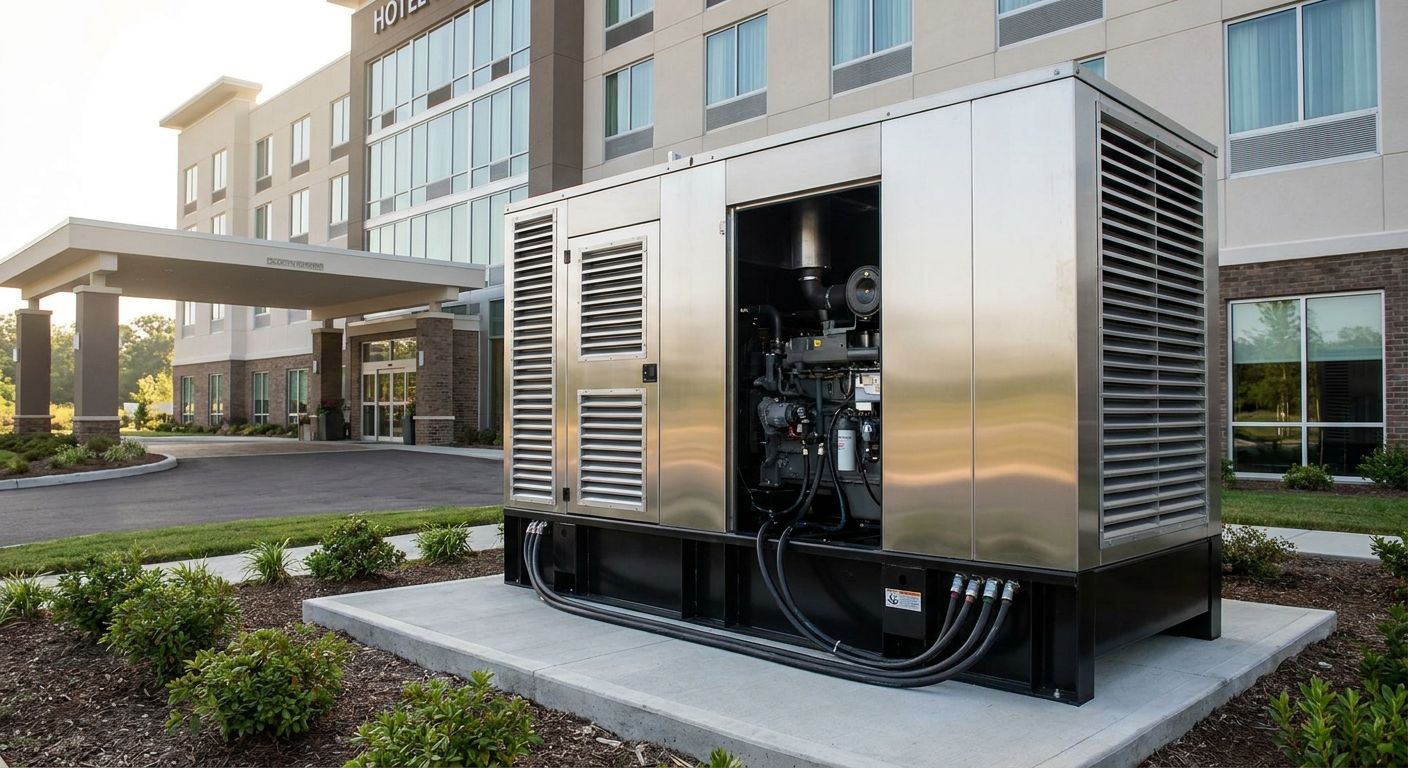
The workhorse. Liquid-cooled diesel Protector units handle 60kW to 150kW continuous output, enough to run rooftop HVAC units, dehumidifiers, LED lighting, and gate controls across a 60,000 square foot facility with no load shedding. Diesel models hold 10 to 14 hours of runtime per tank at full load, which covers the worst grid outages without a fuel delivery mid-storm.
Installed cost for a facility-sized Protector unit runs $28,000 to $45,000 depending on kW rating and pad work. Verdict: Buy for any multi-building or 50,000+ square foot climate-controlled facility.
2. Kohler KD Series Commercial Diesel
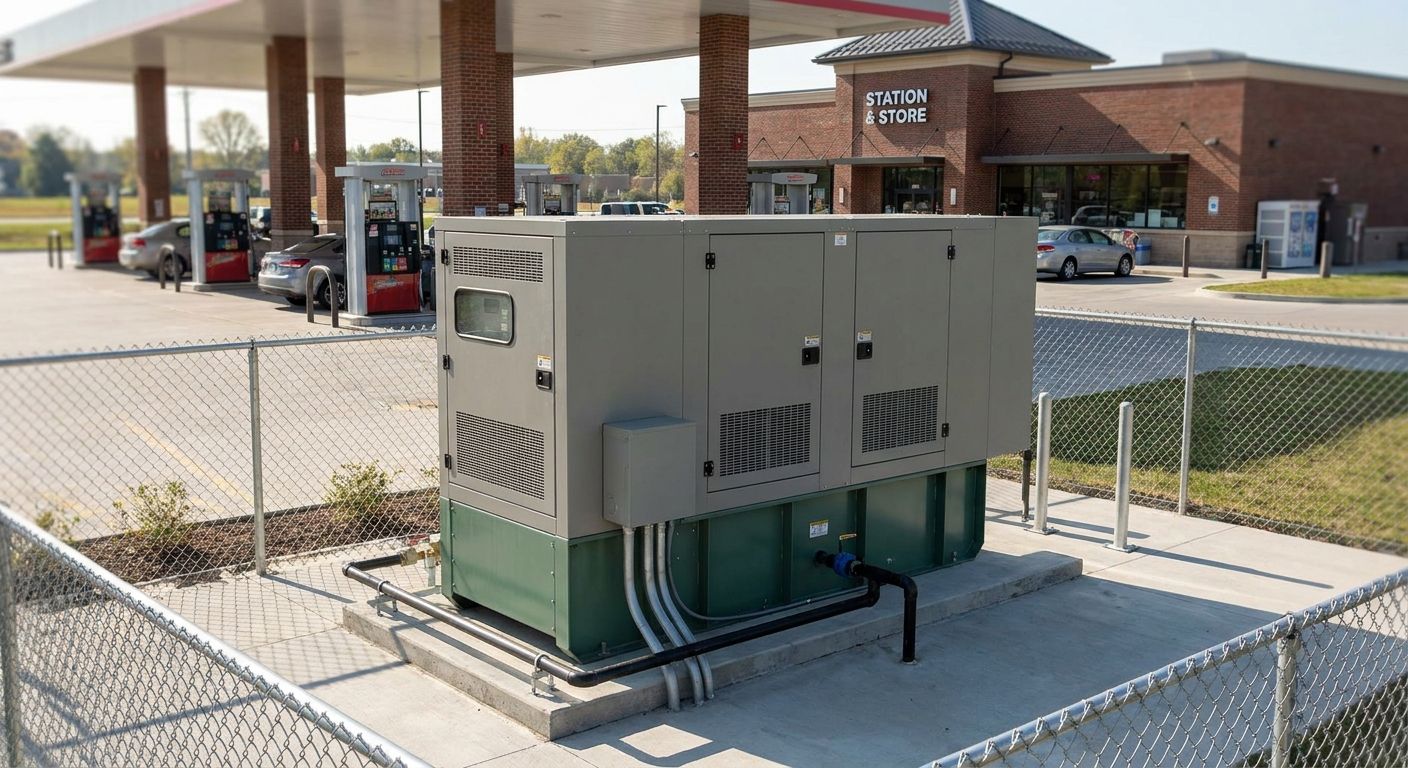
The reliability pick. Kohler's KD line matches Generac's kW range (60-150kW) and is built around the same industrial-duty engine philosophy, with a slightly heavier control panel that some facility managers prefer for remote monitoring integration. Fuel efficiency runs close to Generac's numbers, and service intervals sit around 250 hours under continuous commercial use.
The tradeoff is price - Kohler KD units typically run 8-12% above comparable Generac Protector output at the same kW rating in 2026 quotes. Verdict: Hold unless your facility already standardizes on Kohler equipment or needs the advanced panel monitoring.
3. Briggs & Stratton Commercial Standby
The value pick. Briggs & Stratton's commercial line covers 48kW to 150kW and consistently prices 10-15% under Generac and Kohler equivalents for near-identical continuous output. For operators running two or three facilities across Daphne and Fairhope on a fixed capital budget, that spread adds up fast across multiple installs.
Parts availability lags the two market leaders slightly in rural coastal areas, which matters if a control board fails mid-storm. Verdict: Buy for budget-conscious operators willing to accept a marginally longer parts wait.
4. Generac Guardian Series (22-26 kW)
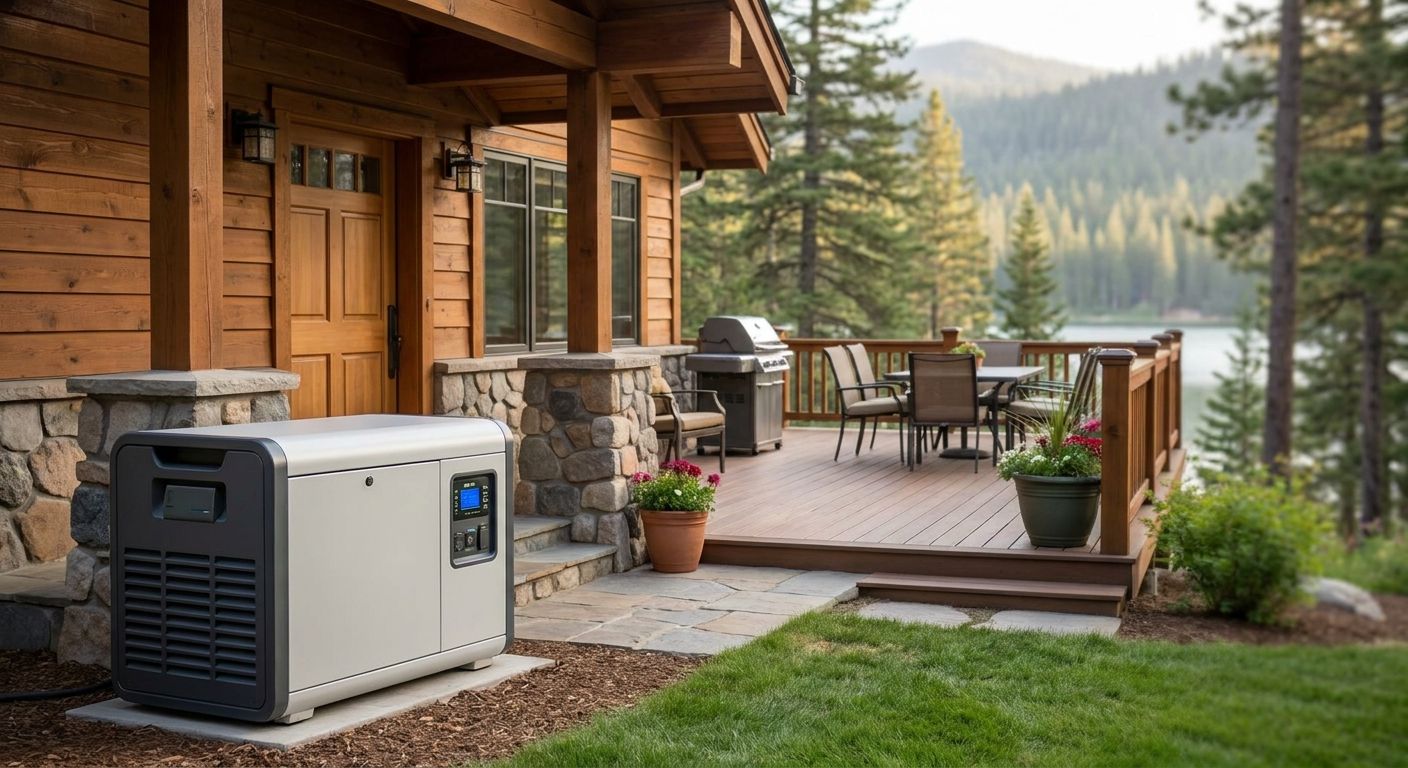
The entry point. The Guardian line is built for residential use but scales up to 26kW, which covers a single office building, gate system, and a handful of climate-controlled units in a smaller facility under 15,000 square feet. It's not built for continuous multi-building HVAC load, but for a leasing office plus a small climate-controlled wing, it holds.
Installed cost lands between $9,000 and $14,000, roughly a third of what a full commercial diesel unit costs. Verdict: Consider only for single-office or small satellite facilities, not primary climate-controlled buildings.
5. Honeywell Whole-Home Standby (20-22 kW)
The budget backup. Honeywell's standby line tops out around 20-22kW, enough for a small unmanned kiosk-style facility with limited climate control and basic security. It's the same automatic-transfer, natural gas or propane setup homeowners use, priced accordingly at $8,000 to $12,000 installed.
Push it past a single small building and you'll trip breakers the first time HVAC compressors and security systems cycle at once. Verdict: Skip for anything beyond a small, single-structure facility.
Comparison table
| Generator | kW Range | Fuel | Installed Cost (2026) | Best For | Verdict |
|---|---|---|---|---|---|
| Generac Protector | 60-150 kW | Diesel | $28,000-$45,000 | Multi-building facilities | Buy |
| Kohler KD Series | 60-150 kW | Diesel | $30,000-$50,000 | Kohler-standardized fleets | Hold |
| Briggs & Stratton Commercial | 48-150 kW | Diesel/NG | $25,000-$40,000 | Budget-conscious multi-site operators | Buy |
| Generac Guardian | 22-26 kW | NG/Propane | $9,000-$14,000 | Single office or small satellite | Consider |
| Honeywell Standby | 20-22 kW | NG/Propane | $8,000-$12,000 | Small kiosk facilities only | Skip (for full climate control) |
Where to buy
- Buy from a licensed, insured electrical contractor who pulls the commercial permit and handles the transfer switch tie-in - a mis-sized transfer switch trips breakers under load, and that's a facility management problem you don't want to discover during a named storm.
- Confirm the dealer carries an authorized service relationship with the manufacturer you choose. Warranty claims on a 100kW+ diesel unit move faster through an authorized dealer than a third-party installer.
- Get the fuel type locked before you quote size. Natural gas runs indefinitely but depends on the local gas grid staying up; diesel and propane give you a fixed runtime window but no dependency on outside utility infrastructure during a storm.
Get a facility-sized generator quote
Licensed electrical contractors serving Daphne, Fairhope, Foley, and Gulf Shores facilities.
FAQ
What size generator does a climate-controlled self-storage facility need?
Most facilities between 30,000 and 60,000 square feet need 48-60 kW of continuous output to run HVAC, dehumidifiers, and security systems together. Larger multi-building sites often require 100kW or more, sized against actual HVAC compressor load rather than square footage alone.
Is diesel or natural gas better for a storage facility generator?
Diesel gives a fixed runtime independent of the local gas grid, which matters most during hurricane season along the Alabama coast. Natural gas runs indefinitely as long as the gas utility stays operational, which is a real risk during major storm events.
How much does a commercial standby generator cost installed in 2026?
Commercial diesel units sized for a full facility run $25,000 to $45,000 installed in 2026, including the concrete pad and automatic transfer switch. Smaller residential-grade units for single-office or kiosk facilities cost $8,000 to $14,000.
Can a residential-grade generator run a self-storage facility?
A residential-grade unit like the Generac Guardian or Honeywell standby line tops out around 20-26 kW, which only covers a small office or single small building. Full climate-controlled facilities with multiple HVAC compressors need commercial-rated diesel units starting at 48kW.
How long does a standby generator run during an outage?
Diesel commercial units typically run 10-14 hours per tank at full load before refueling. Natural gas units run indefinitely as long as the gas line stays pressurized, which makes them attractive outside of storm scenarios.
Which generator brand is most reliable for commercial use?
Generac Protector and Kohler KD commercial diesel lines both carry strong reliability track records for continuous commercial duty in the 60-150 kW range. Briggs & Stratton delivers comparable output at a lower price point with slightly slower parts availability in rural areas.
Do I need a permit to install a commercial generator in Alabama?
Yes, commercial generator installs in Baldwin County require an electrical permit and inspection, and coastal wind-load codes add requirements beyond inland installs. A licensed electrical contractor pulls the permit as part of the installation.
One last thing
The number that catches most storage operators off guard isn't the generator's price - it's the transfer switch rating. A 60kW generator paired with an undersized transfer switch will still trip under full HVAC and security load, which means the sizing conversation has to include the switch, not just the generator nameplate. Ask for the transfer switch amperage in writing before you sign a quote in 2026, not after installation.
Hurricane season doesn't wait for a facility to figure out its power gap after the first outage. Sizing the right generator for a climate-controlled self-storage building in 2026 is a load calculation, not a guess, and it's worth getting a contractor to run the actual numbers against your HVAC and security equipment before you pick a kW rating off a spec sheet.